
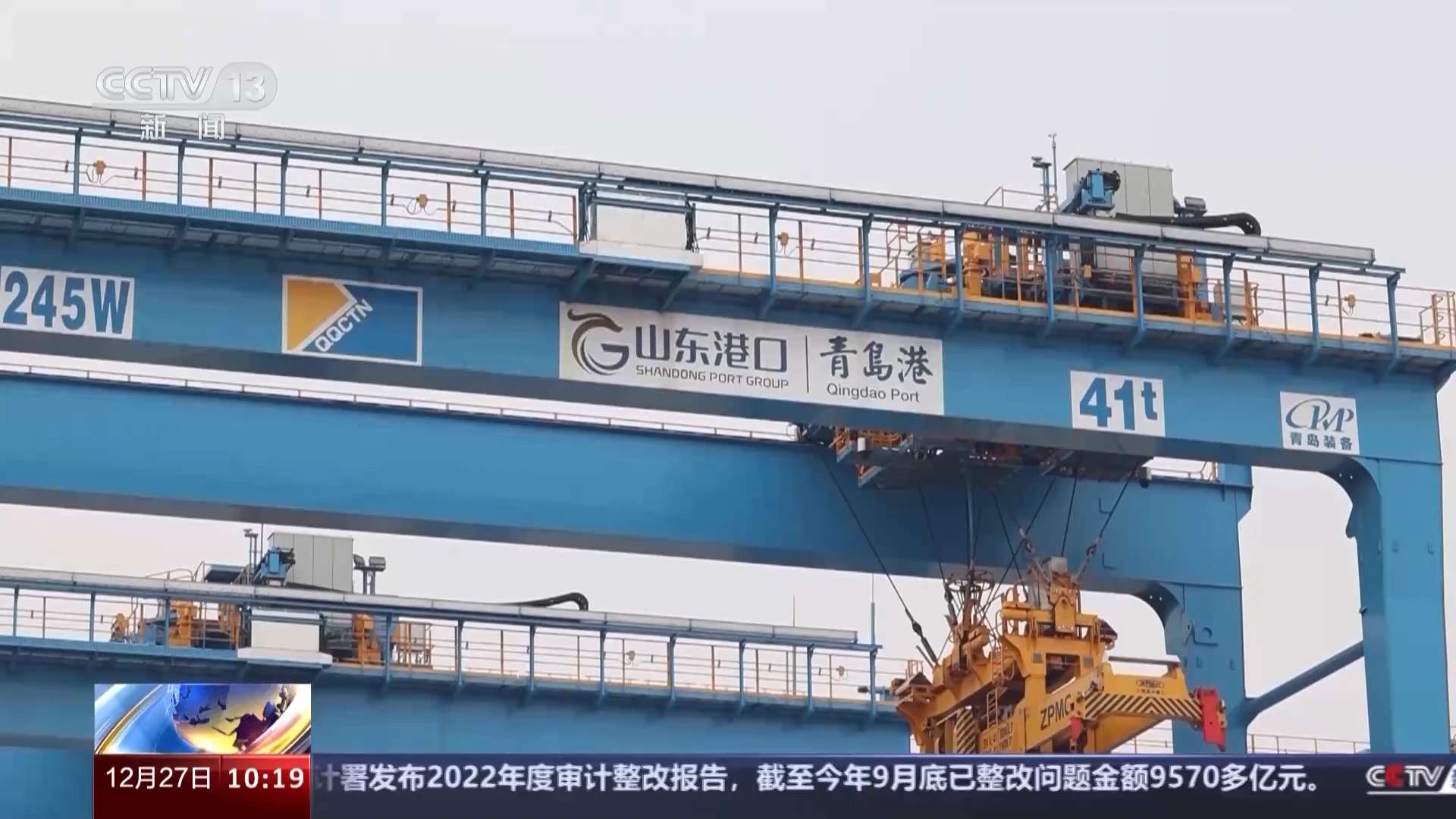
You have an important choice with port cranes. Path planning gives you a set route. Real-time dispatch lets you change quickly. This choice changes your safety and how well you work. It also affects maintenance. CEGC helps you follow market rules. They help you make solutions that fit your needs. Port crane: path planning vs real-time dispatch changes how you work.
Key Takeaways
-
Path planning makes things safer and faster. It gives cranes set paths to follow. This helps stop accidents and keeps equipment from breaking down.
-
Real-time dispatch is more flexible. It lets you change crane jobs fast when things change. This helps everything run smoothly.
-
You pick path planning or real-time dispatch based on your port’s needs. Think about things like traffic, cargo, and safety rules.
Path planning overview
Definition and principles
Path planning helps guide a port crane safely. It works for portal cranes and container cranes. The crane follows a path with waypoints. These waypoints help the crane move from start to finish. Path planning helps the crane avoid things in the way. It also helps the crane reach the right spot with good accuracy. Sensors and control systems keep the load steady. This lowers the chance of accidents. Path planning works for both manual and automatic jobs. It helps you move different cargo and work with many ship sizes.
Path planning solves some big problems:
-
It makes things safer by stopping load sway and crashes.
-
It helps you work faster because the load does not move too much.
-
It keeps the crane parts from wearing out by making smooth moves.
-
It makes the job easier and more comfortable for crane operators.
Workflow and algorithms
Path planning uses smart algorithms to find the best route. Here is a table that lists some common algorithms and what they do:
|
Algorithm |
Advantages |
Limitations |
|---|---|---|
|
RRT |
Easy to use, not many settings, finds a path |
Has extra nodes, can be slow |
|
RRT* |
Makes better paths over time |
Takes a lot of time |
|
Informed RRT* |
Good for small or tight spaces |
Also takes a lot of time |
|
Cyl-HRRT* |
Searches faster with some limits |
Not good in tight channels |
|
Bi-RRT |
Grows two trees, helps in small spaces |
Hard to get the best path |
|
Bi-RRT* |
Makes paths cheaper by picking new nodes |
Takes more time |
|
Bi-P-RRT* |
Uses APF, saves time |
Has too many extra nodes |
|
MIS-RRT |
Finds ways into channels |
Needs to be more flexible |
You can change your path planning system to fit your needs. You can add automation, remote controls, and better IT/OT systems. You can also use smart tools and digital help. Consulting can help you get the best plan for your port. Path planning vs real-time dispatch helps you work the way your port needs.
Real-time dispatch explained
Core concepts and system design
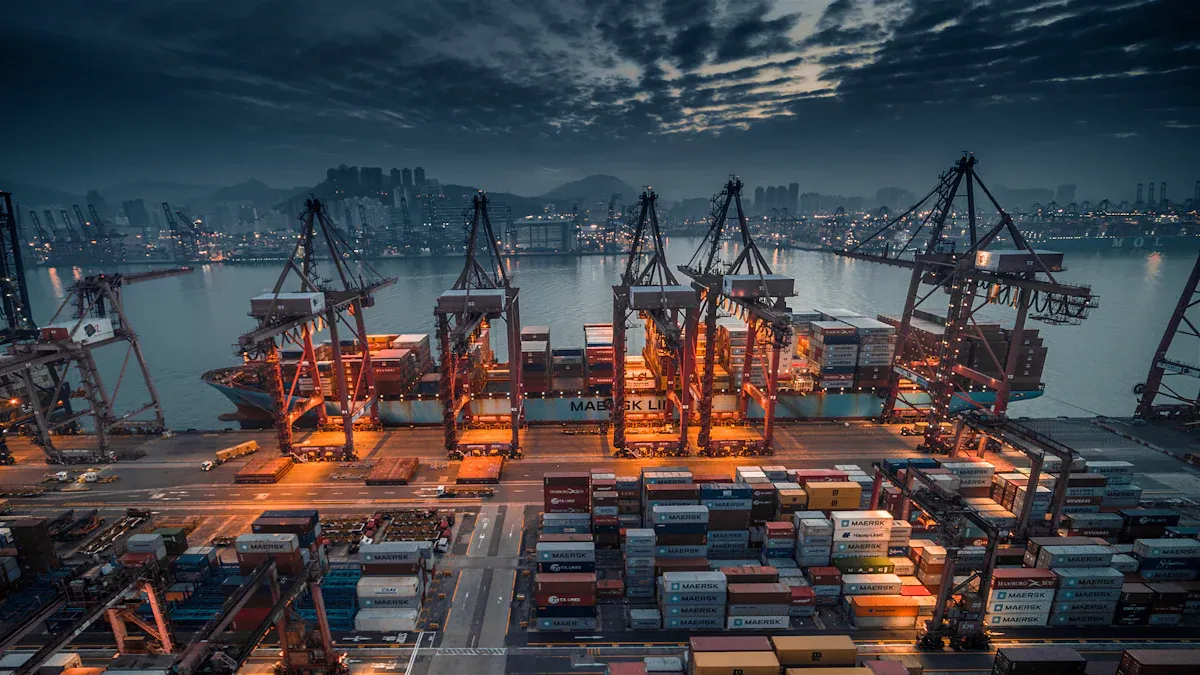
Real-time dispatch helps you control port cranes right away. You can use it for container handlers and ship cranes. This system lets you decide which crane does what job. You can check each crane’s status and change plans fast. Real-time dispatch matches crane jobs with ship work and yard needs. The table below shows how real-time dispatch works for different cranes:
|
Aspect |
Description |
|---|---|
|
Matches crane tasks with vessel schedules to reduce crossing and waiting. |
|
|
Yard Crane Dispatch |
Focuses on fast retrieval and stacking, lowering conflicts and idle time. |
|
Technology Integration |
Lets you reassign cranes quickly, so you avoid delays and keep operations smooth. |
You get a system that uses smart models and AI tools. These tools help you plan crane moves and test schedules. They also help you follow safety rules. The system uses simulation and fast algorithms to keep up with busy ports.
Dynamic response and multiagent coordination
Real-time dispatch helps you deal with changes at the port. You can react to busy times and slow times. The system uses advanced algorithms to change crane and truck schedules. Here are some ways real-time dispatch makes your work better:
-
You use simulation and queuing models to plan for busy times and stop bottlenecks.
-
The system changes when things change, so you have less traffic and cargo keeps moving.
-
Smart models look at truck speeds and crane service times, which helps you move more cargo.
-
You stop using quick fixes and start using data to make better choices.
CEGC helps you with workflow, motion coordination, and safety interlocks. You get real-time data and alerts for ship loaders and cargo cranes. The system matches crane speed and movement with cargo flow. Safety interlocks stop overloads and crashes, so you stay safe. Port crane: path planning vs real-time dispatch gives you tools to keep your port safe and working well.
Port crane: path planning vs real-time dispatch
Technology and flexibility
You have to pick the best technology for your port. Path planning makes your portal crane or container crane follow set routes. The crane always uses the same path you choose. Real-time dispatch gives you more choices. You can change what the crane does when things change. This helps you deal with delays or new jobs.
Here is a table that shows how each method handles flexibility:
|
Factor |
Real-Time Dispatching |
Scheduled Dispatching (Path Planning) |
|---|---|---|
|
Flexibility |
Extremely flexible |
Rigid once set |
|
Response to Disruptions |
Automatic rerouting and reassignment |
Requires manual intervention |
Real-time dispatch helps you handle busy times or sudden changes. You can send cranes on new paths or give them new jobs without stopping work. Path planning is better if your port has a set schedule. Both systems let you add new features if you want. CEGC gives you standard and custom options for both. You can add mobile apps, dynamic route planning, and on-demand route management. These upgrades help you keep up with changes at your port.
Efficiency and safety
You want your port to be fast and safe. Path planning keeps cranes on safe paths to stop accidents. It uses anti-sway systems and safety interlocks. This keeps cargo steady and lowers crash risks. Real-time dispatch uses smart tools to match crane jobs with cargo flow. You get alerts and real-time data to help you make quick choices.
Many ports use simulation tools to work better. These tools help you:
-
Cut down crane waiting time and time at berths.
-
Lower the number of times you move cargo again.
-
Keep crane use steady and save money on demurrage.
A port in Colombia used simulation-based scheduling and got better logistics. Surveys show many ports use these tools to cut handling and waiting times. Performance numbers show you can cut handling times by up to 15% with simulation-driven scheduling.
CEGC supports both ways with anti-sway control, motion coordination, and predictive maintenance. You get overload protection, limit switches, and emergency stop logic. This keeps your portal crane, container gantry crane, or ship loader safe and working well.
Complexity and implementation
You need to think about how hard each system is to set up. Path planning is easy to start. You set the routes and train your team. It works well for ports with steady schedules. Real-time dispatch is harder. You need smart software and sensors. You also need to connect cranes, trucks, and yard systems.
Here are some features you can add to both systems:
|
Feature |
Description |
|---|---|
|
Dynamic Route Planning |
Adjusts routes in real-time based on traffic and other conditions. |
|
Real-time Traffic Consideration |
Uses current traffic data to optimize dispatching. |
|
Multimodal Route Handling |
Supports different transport modes or carriers. |
|
On-demand Route Management |
Allows for urgent delivery needs. |
|
Mobile App Integration |
Gives workers real-time updates on container status and next steps. |
|
Fleet Model Considerations |
Accounts for different truck or crane models to avoid problems. |
CEGC helps you pick the right features for your port. You get help to connect new features to your old systems. This makes it easier to upgrade your port crane: path planning vs real-time dispatch setup. You can meet market rules and add custom options for size, work time, and automation.
Tip: Start with a clear goal for your port. Pick the system that fits your needs for flexibility, safety, and growth.
Use cases and selection guide
When to choose path planning
Pick path planning if your port has a steady schedule. This works best when cargo comes in the same way every day. Path planning is good for portal cranes, container cranes, and ship loaders that use set routes. If your port does not get many new ships or different containers, path planning keeps things safe and easy. You can use it for building loading docks or offshore platforms where space is small and safety matters a lot.
Path planning helps stop crashes and keeps load sway low. You can use anti-sway systems and safety interlocks to make moves smooth. If you need to follow strict market rules, path planning lets you set clear rules for each crane. CEGC can help you change your path planning system to fit your port’s size, work time, and how much you want to automate.
Here is a table that shows when path planning is best:
|
Scenario/Environment |
Characteristics |
|---|---|
|
Stable container terminals |
Fixed schedules, low change in vessel or cargo flow |
|
Offshore platforms |
Limited space, high safety needs |
|
Building loading docks |
Repetitive moves, set paths |
|
Conflict-free path needs |
Avoids collisions, uses anti-sway and safety systems |
|
Custom automation projects |
Easy to set up with CEGC’s project-based customization |
Tip: If you want easy training and simple upkeep, path planning gives you a clear way to work.
When to choose real-time dispatch
Pick real-time dispatch if your port gets busy or has lots of changes. This works well for container handlers, reach stackers, and cargo cranes that need to move fast. If your port uses AGVs or trucks, real-time dispatch helps you stop delays and traffic jams.
Real-time dispatch lets you change crane jobs quickly. You can match crane moves with yard needs and ship times. This system uses smart models and real-time data to keep your port running well. CEGC can help you add workflow tools, motion control, and safety interlocks to your real-time dispatch system.
Here are some signs real-time dispatch is right for you:
-
Your port has lots of traffic and moving vehicles.
-
You need to handle sudden changes in ship or cargo schedules.
-
You want to use simulation tools for busy times.
-
You need to cut waiting times and keep cranes working.
|
Scenario/Environment |
Characteristics |
|---|---|
|
Dynamic container terminals |
Real-time updates, moving obstacles like AGVs and trucks |
|
Mixed cargo operations |
Many vessel types, changing cargo flows |
|
High-throughput yards |
Fast stacking, quick retrieval, low idle time |
|
Integration with GIS |
Accurate coordinates, spatial queries, yard elevation, and lane width factors |
|
Automated environments |
Combines real-time dispatch with local obstacle avoidance |
Note: Real-time dispatch gives you the power to change plans fast. You can keep your port working well even when things get busy.
Hybrid and integrated approaches
Some ports need both path planning and real-time dispatch. You can use a hybrid system to get the best of both. Hybrid systems let you set safe paths but also change jobs when needed. This works well for big container terminals or ports with both steady and busy areas.
Hybrid and integrated systems use smart algorithms. For example, you can use a hybrid golden eagle optimizer and grey wolf optimizer for better results. These systems give you good accuracy and fast choices. You can also use teaching–learning-based optimization or improved bat algorithms for local search and to stop crashes.
Here is a table that shows some hybrid algorithms and what they do:
|
Algorithm |
Advantages |
Limitations |
|---|---|---|
|
Superior optimization, good convergence |
Complex, needs more computation |
|
|
Teaching–Learning-Based Optimization |
Fast computation, quick decisions |
Less accuracy for complex problems |
|
HybridMAF Optimization Algorithm |
High accuracy |
Needs high computation resources |
|
Improved Bat algorithm |
Good local search, avoids collisions |
Time consuming, not good for global search |
|
Adapted-RRT |
Efficient for dynamic environments |
High memory and computational complexity |
You can ask CEGC to help you build a hybrid system. CEGC offers custom projects for your port’s needs. You can pick the right mix of path planning and real-time dispatch. This helps you follow market rules and handle any problem.
Tip: Hybrid systems give you both safety and the ability to change. You can keep your port ready for anything.
Port crane: path planning vs real-time dispatch is not a one-size-fits-all choice. You need to look at your port’s needs, cargo types, and automation goals. CEGC can help you make the right system for your port.
Pros and cons summary
Path planning advantages and drawbacks
You get many benefits when you use path planning for your port cranes.
-
You improve safety because automation helps prevent mistakes and accidents.
-
You see steady performance since machines do not get tired or distracted.
-
You save money over time by lowering labor costs and reducing accidents.
-
You can connect your cranes with smart port systems, which makes your whole operation smoother.
Path planning works best when your port has a regular schedule. You set the routes once, and the cranes follow them every time. This makes training easier and keeps your team on the same page.
Path planning gives you peace of mind. You know your cranes will move safely and predictably.
However, path planning can feel rigid. If your port faces sudden changes or busy periods, you may need to adjust routes by hand. This can slow you down when things get hectic.
Real-time dispatch pros and cons
Real-time dispatch gives you more control and flexibility. You can change crane jobs quickly when ships arrive late or cargo changes. This system helps you keep up with busy times and unexpected events. You can match crane moves with yard needs and ship schedules.
You get faster response times and better use of your equipment. Real-time dispatch works well in ports with lots of traffic and moving vehicles.
Real-time dispatch helps you stay ready for anything.
But real-time dispatch needs smart software and more training. You must connect your cranes, trucks, and yard systems. This setup can take more time and effort at the start.
You can see that path planning gives cranes set paths. Real-time dispatch lets you change plans fast. When you pick a system for your port, think about these things:
-
Safety rules
-
How well the port works
-
Making sure things are done right
-
Training for workers
-
Keeping machines working
-
Check the tech details and if you can change them.
-
Look at how much it costs to own everything.
-
Make sure you have the right papers and help nearby.
-
See if you can get spare parts and service.
-
Ask for training for your workers.
|
CEGC Solution |
Purpose |
|---|---|
|
Matches what your port needs |
|
|
Equipment check and local help |
Makes sure it works like the market wants |
|
Experts install on-site |
Gives you good work and makes you happy |
FAQ
What is the main benefit of real-time dispatch for port cranes?
You get fast responses to changes. Real-time dispatch helps you handle busy times and unexpected events without stopping your work.
Can I use both path planning and real-time dispatch together?
Yes. You can combine both systems. This gives you safe routes and the ability to change jobs quickly when needed.
How does CEGC help improve crane safety?
CEGC gives you anti-sway control, safety interlocks, and clear operator displays. These tools help you lower accident risks and keep your team safe.


