
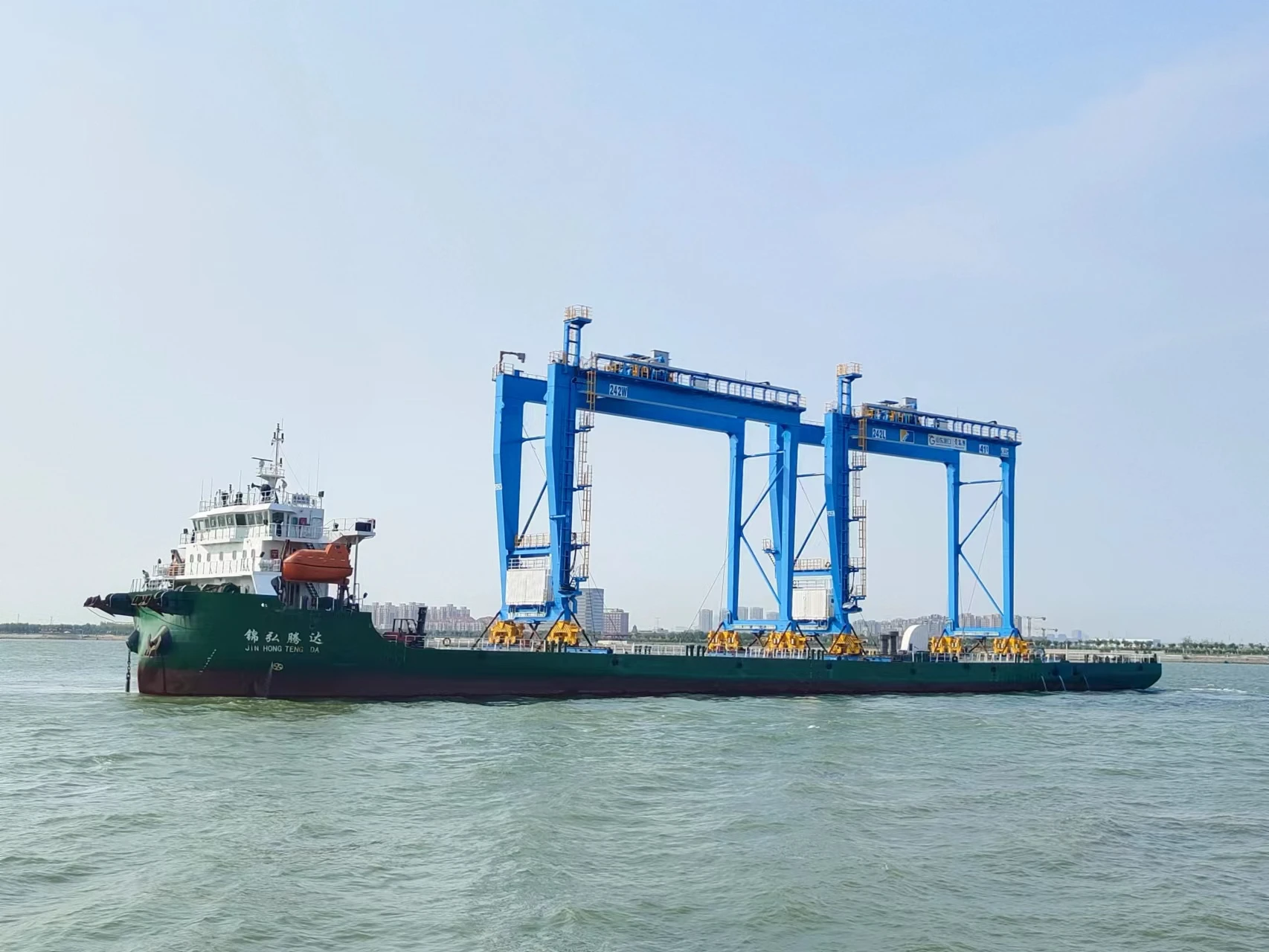
You can boost throughput with a container crane KPI plan. This plan tracks performance metrics that you can measure and improves cycle times. CEGC provides market-standard specifications and customizable options for lifting equipment. Our advanced sensors and AI systems help reduce load sway, combat corrosion, and minimize downtime. Consider incorporating automation, predictive maintenance, and workflow integration. These strategies enhance safety and operational efficiency.
Key Takeaways
-
Make a KPI plan to watch how containers move and work better. Set easy-to-understand goals to move more containers and keep people safe.
-
Look at important numbers like cycle time, moves each hour, and how much equipment is used. These numbers show where things are slow and help make work faster.
-
Use real-time data and machines that work by themselves to make better choices. This way, there is less waiting and the port works better.
KPI plans for container handling and crane throughput
What is a KPI plan in port machinery?
A KPI plan helps you measure and improve how many containers move through your terminal. You pick goals, check your progress, and change things using real numbers. CEGC helps you make KPI plans that follow market rules and fit what you need. You can use these plans for any container handling equipment, like a portal crane, container gantry crane, or reach stacker.
Here are the main parts of a KPI plan for container handling and crane throughput:
|
Component |
Description |
|---|---|
|
Objectives |
Pick your most important goals, like making ships wait less. |
|
Constraints |
Find limits, like how many ships fit at the dock or how full the yard is, and connect them to KPIs. |
|
KPI Template |
Use a short template for each KPI. Add what it means, where data comes from, who checks it, and limits. |
|
Core KPIs |
Begin with 10-12 main KPIs that match your big goals. Add more only when you see steady results. |
|
Performance Evaluation |
Use OEE and TEEP to see how well you do compared to your planned work time. |
Why KPIs matter for throughput and safety
You need KPIs to move lots of containers and keep everyone safe. KPIs help you find problems early and make smart choices.
-
Situational awareness helps you stay safe in busy places.
-
Safety checks before work help you spot problems before they get worse.
-
KPIs help you do maintenance before things break, so your machines work longer and stop less.
-
With clear KPIs, you can handle changes and surprises better.
When you use a good KPI plan, you move more containers, lower risks, and protect your team.
Key performance indicators to boost throughput with a container crane KPI plan
If you want to boost throughput, you need the right KPIs. KPIs help you check and improve each step in handling containers. Using good KPIs lets you find problems early and make smart choices. This keeps your port working well. Let’s see which KPIs matter most and how they help.
Cycle time and motion coordination
Cycle time shows how fast your crane works. It measures how long it takes to pick up and place a container. Shorter cycle times mean you move more containers quickly. You should also check idle time, hook time, and load transfer time. These show where delays happen.
Here is a table with the best KPIs for cycle time and motion coordination:
|
KPI Type |
Description |
|---|---|
|
Cycle Times |
Measures how long each crane cycle takes. |
|
Idle Times |
Tracks when the crane is not working. |
|
Travel Distances |
Records how far the crane moves. |
|
Efficiency Metrics |
Checks how well the crane does its job. |
|
Signal Monitoring |
Watches crane parts and their positions. |
|
Event-Based Data |
Collects info from events for better KPIs. |
|
Data Processing |
Turns signals into useful KPIs. |
|
Centralized Storage |
Keeps KPI data easy to find and use. |
You can use CEGC’s cranes to gather and study these KPIs. Motion coordination systems help you match hoisting, trolley, and gantry moves. This cuts wasted travel and keeps cycle times low. Boosting throughput with a container crane KPI plan makes every second important.
Tip: Connect crane KPIs with yard and vessel work using workflow integration. This keeps your data right and your choices quick.
Moves per hour and equipment utilization
Moves per hour is a simple KPI. It tells you how many containers your crane moves in one hour. More moves per hour means more throughput. Big ports can do over 30 moves per hour for large ships. The Port of Melbourne reaches about 31 moves per hour when things go well. Many new terminals now do more than 30 moves per hour, while older ones did less than 20.
Equipment utilization shows how much crane time you use for moving containers. Low utilization means too much idle time or bad scheduling. Good equipment care, skilled workers, and regular maintenance help you get the most from your cranes.
-
Manage your equipment to handle cargo better and boost throughput.
-
Train your workers and keep cranes in good shape.
-
Use smart yard management to stop congestion and idle times.
Boosting throughput with a container crane KPI plan means you watch moves per hour and utilization to stay efficient.
Safety and anti-sway control metrics
Safety is always most important. You need KPIs to track safety events, load sway, and collision risks. Anti-sway control systems keep loads steady, even when it’s windy or busy. This tech cuts down on manual fixes, so cranes work faster and safer.
-
Anti-sway control helps you use resources better and get more done.
-
You move more containers and stop yard congestion.
-
Matching crane and vehicle cycles cuts waiting and keeps containers moving.
CEGC’s cranes have advanced anti-sway and safe lifting controls. These use motion profiles and braking to cut sway and make placement steadier. You can add safety interlocks and operator-centered HMI for better training and safer work.
Note: Always check safety KPIs like incident rates, near-misses, and overloads. This helps you spot dangers before they become big problems.
Energy efficiency and predictive maintenance KPIs
Energy efficiency matters in modern ports. You want to use less energy for each container moved. Predictive maintenance stops surprise downtime and keeps cranes working longer.
Here is a table with energy-saving upgrades for CEGC cranes:
|
Upgrade Type |
Benefit |
|---|---|
|
Variable-frequency drives |
Use less energy and start smoothly |
|
Regenerative systems |
Save energy when braking |
|
Intelligent standby modes |
Use less power when not working |
Predictive KPIs help you cut idle time, plan crane shifts, and lower energy use per move. This saves money and lowers your carbon footprint. Predictive maintenance uses smart tools to check equipment health. Finding problems early, like worn bearings, lets you fix them fast. AI and machine learning make finding and fixing problems even better.
-
Predictive maintenance stops surprise downtime.
-
It keeps your container handling equipment working well.
-
You make your terminal more reliable.
Boosting throughput with a container crane KPI plan makes your operation greener and cheaper.
Remember: Pick KPIs that fit your goals. Make sure your goals are clear, measurable, possible, important, and have a deadline. Don’t track too many KPIs at once, or your team may get overwhelmed and slow down.
By focusing on these KPIs, you can boost throughput with a container crane KPI plan and keep your port running strong.
Implementing a container crane KPI plan for optimized container handling
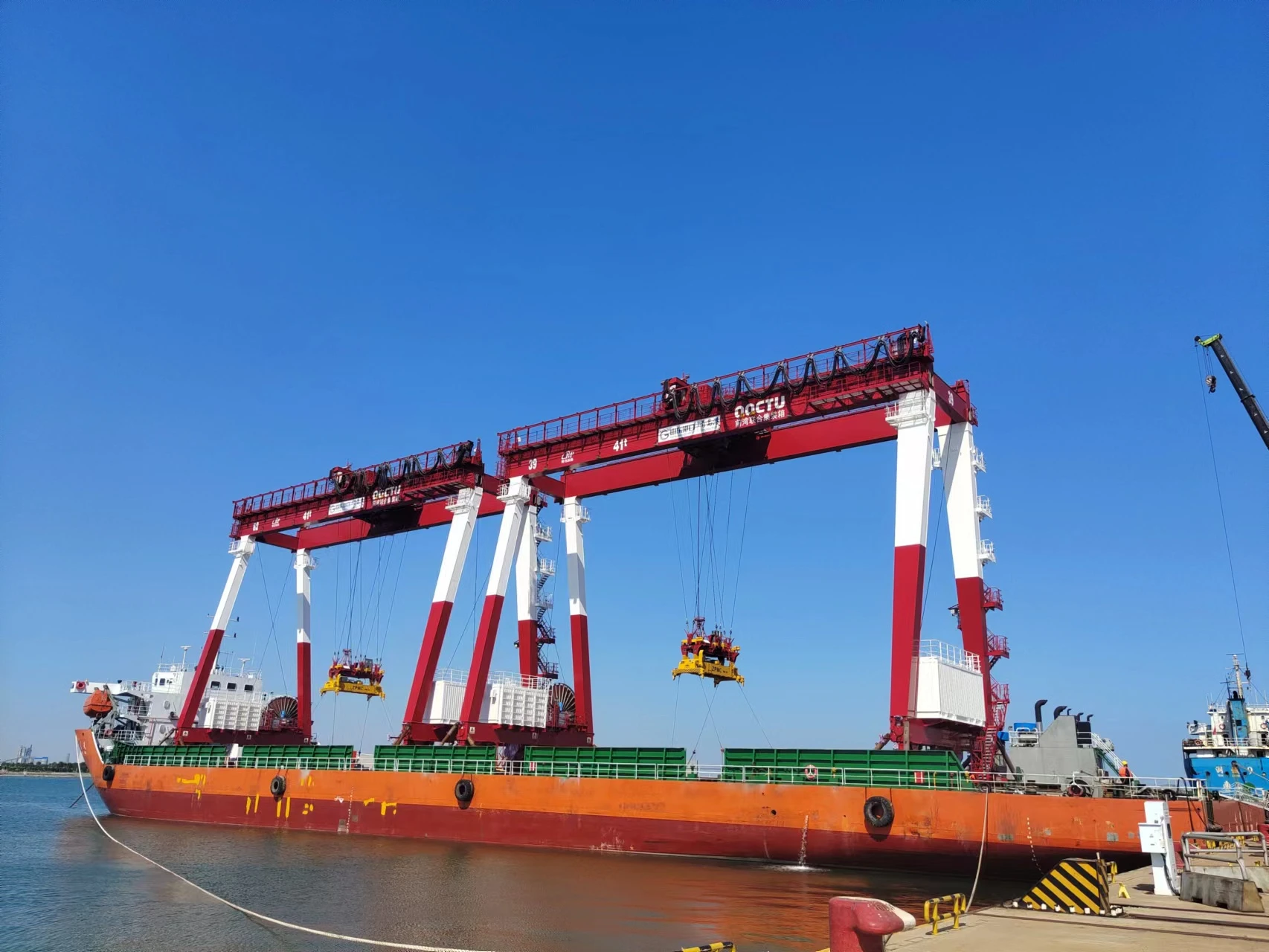
Setting throughput targets and standardizing KPIs
You need clear goals to help your team move containers faster. Start by using a plan that helps everyone work together. This makes the work flow better and uses equipment more. It also helps your port run smoother. Set goals for things like crane moves per hour and berth occupancy rate. These goals show how fast you can unload ships and how well you use your dock space.
|
Metric |
Description |
|---|---|
|
Crane Moves Per Hour (CMPH) |
This shows how fast your terminal works. It tells you how quickly ships are unloaded and loaded. |
|
Berth Occupancy Rate (BOR) |
Try to keep this between 70% and 85%. This helps you move more containers and cover costs. |
Make sure all your equipment follows the same rules. Find the most important operational kpis and automation kpis for each crane or reach stacker. Use a simple sheet for each KPI. Write down what it means, how to measure it, where the data comes from, and what counts as good or bad. Give each KPI to someone in charge. Make a plan for what to do if things go wrong. This keeps your team on track and working hard.
Many ports have gotten better by using the same automation kpis. For example, DP World moved 15% more containers and made ships leave 20% faster after using AI-driven KPI plans. They also had 30% less downtime with predictive maintenance. These results show that matching automation kpis with your goals really works.
Data collection and operational analytics
You need good data to watch your operational kpis and automation kpis. Old ways like looking and writing things down can miss details. Use new tools like cameras, GPS, and sensors instead. For example, sensors can check if containers are safe while they move. This gives you the right info right away and does not need a lot of extra equipment.
Getting real-time data from IoT sensors, shipping lists, and GPS helps you make better choices. You can use screens to see crane moves per hour, how much cranes are used, and how long trucks wait at the gate. Real-time data helps you fix problems before they get big. You can plan ship times better and move cargo faster. Using smart data also helps you keep the yard balanced and save energy.
Tip: Use smart data and live screens to help you fix things before they break. This saves money and helps you use your resources better.
Adjusting operations and integrating automation
You need to change your work to meet your goals. Start by checking your operational kpis and automation kpis. Look for slow spots or times when cranes are not working. Use this info to make your work better and match your automation kpis to your goals.
Some big ports work faster by using new automation. For example, the Port of Rotterdam uses cranes that work by themselves to stack and move containers. The Port of Hamburg uses smart cranes and software to manage the yard. The Port of Shanghai is known for being a smart port because it uses tech to work better and move ships faster.
|
Port |
Automation Strategy |
Benefits |
|---|---|---|
|
Port of Rotterdam |
Uses cranes that work by themselves |
Stacks containers well, saves money, and makes fewer mistakes |
|
Port of Hamburg |
Uses smart cranes and yard software |
Moves more containers and works the same way every time |
|
Port of Shanghai |
Uses tech to work better and move ships faster |
Is a model for smart ports everywhere, works better and faster |
You can also use smart planning to match cranes and trolleys to jobs. This cuts down on waiting and helps ships leave sooner. One big terminal moved 15% more containers and saved 20% energy by using smart scheduling and container tracking. They also spent 12% less money because of better planning.
Note: Using smart movement and container tracking helps you work better and make fewer mistakes.
Customization and workflow integration
Every port is different. CEGC lets you pick options for size, how much it can lift, how often it works, automation, and protection from rust. These choices help you match your equipment to your port’s needs. For example, anti-corrosion features and fast-drying coatings make cranes last longer and work more. Special coatings help you finish jobs faster and move more containers.
|
Customization Aspect |
Impact on Workflow Integration and Throughput |
|---|---|
|
Anti-Corrosion Features |
Makes cranes last longer and work better, so you can use them more and fix them less. |
|
Rapid-Cure Technologies |
Makes coatings dry faster, so you can use parts sooner and finish jobs quicker. |
|
Multi-Layer Coating |
Helps you put on coatings faster and dry them quicker, so you can move more containers. |
|
Process Optimization |
Uses smart ways to move more containers without needing more equipment. |
You should connect your automation kpis and operational kpis to your daily work. Use real-time data to link your cranes, yard, and ship work. This helps you keep getting better and stay productive.
Callout: Always try to improve. Watch your automation kpis and operational kpis as they happen. Change your KPI plan as your port grows and gets new tech.
If you follow these steps, you can use a container crane KPI plan to make your port better. You will move more containers, have less downtime, and keep your port safe and efficient.
You can move more containers by watching how your cranes work. Set clear goals and use CEGC’s smart tools. You can change things to fit your port’s needs. Here are some long-term benefits:
|
Benefit |
Description |
|---|---|
|
Makes cranes wait less and helps you use resources better. |
|
|
Improved Decision-Making |
Dashboards let you choose what to do faster. |
|
Alignment with Performance Targets |
Helps you stay on track and get better results. |
Use KPI plans to make crane cycles faster, stop machines from breaking down, and keep getting better.
FAQ
What are the most important metrics for container crane operations?
You need to watch performance, cycle time, moves per hour, and equipment utilization. These numbers help you make your work better and keep things running safely and smoothly.
How does real-time data improve operational performance in port operations?
Real-time data shows you how things are going right now. You can change your work fast, fix problems, and make your numbers better. This helps your port work well and stay on track.
Why should you use KPI plans for container crane operations?
KPI plans help you check how you are doing, pick clear goals, and make your work better. You can use real-time data to help your team do a good job and reach your targets.


