
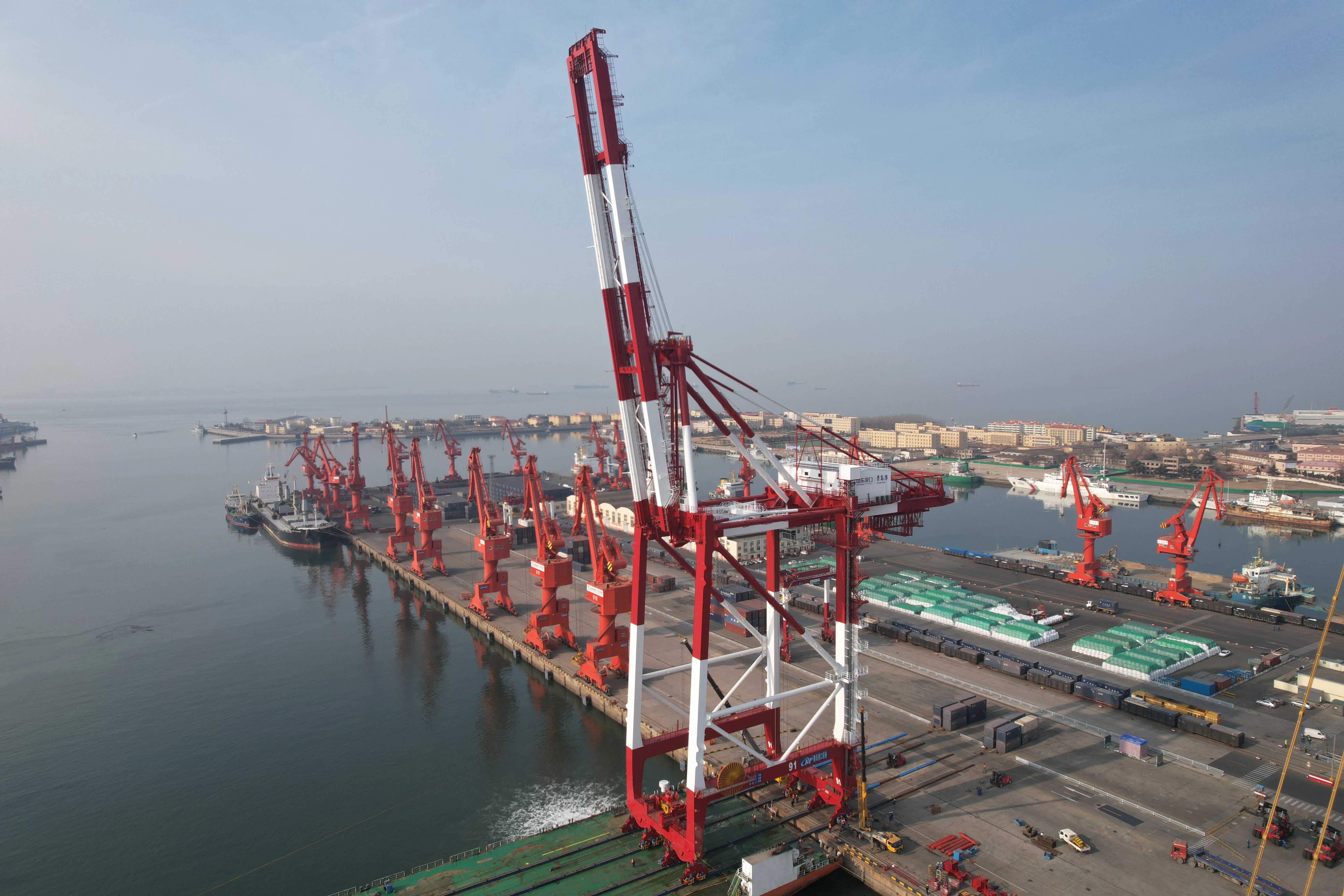
Port crane throughput depends on cycle time discipline. By effectively controlling crane speed, you can prevent issues such as trucks arriving at the wrong time and missed hooking attempts. Operating cranes at excessive speeds can lead to more frequent breakdowns and increased repair costs. CEGC assists you in managing crane speed and maintaining cycle time discipline, ultimately enhancing port crane throughput. Proper crane speed is crucial for safety, operational efficiency, and the longevity of the cranes. Since port crane throughput depends on cycle time discipline, implementing sway control and real-time monitoring can significantly reduce errors. While crane speed can facilitate faster operations, it is essential to remember that port crane throughput depends on cycle time discipline to avoid damage and undue stress. By setting the appropriate crane speed, you ensure that port crane throughput depends on cycle time discipline for seamless operations.
Key Takeaways
-
Managing crane speed is very important to stop delays and make ports work better. Good speed control keeps people safe and lowers the money spent on repairs.
-
Using real-time monitoring and predictive maintenance can make cranes work much better. These tools find problems early and help everything run well.
-
Anti-sway systems and good scheduling help keep cycle time discipline. This makes ships leave faster and helps the terminal do more work.
How port crane throughput depends on cycle time discipline
Cycle time discipline explained
Cycle time discipline means keeping crane moves steady and predictable. When you control how long it takes to pick up, move, and set down containers, your port works better. If cycle times change too much, delays and confusion happen. Trucks might arrive at the wrong time. Containers may not be ready when ships come. This lowers terminal productivity and makes peak berth productivity harder to reach.
CEGC builds portal cranes, container cranes, and handling equipment to help keep cycle times steady. You can pick custom features for capacity, span, duty cycle, and automation. This lets you get the crane that fits your needs. It helps keep operations running smoothly.
Impact on makespan and ship turnaround
Keeping cycle time discipline shortens the makespan. Makespan is the total time needed to finish all crane moves for a ship. This helps you reach higher peak berth productivity. When makespan is shorter, ships spend less time at the dock. You can handle more ships in the same time. This boosts terminal productivity.
Studies show new technology and better standards make terminals more efficient. Ship turnaround times have dropped. This proves that better cycle time discipline leads to faster ship turnaround. Using cranes with anti-sway systems and real-time monitoring keeps loads steady and safe. This helps avoid accidents and delays. Peak berth productivity improves.
Problems like load sway, wind load, and operator skill differences can slow crane moves. These issues hurt terminal productivity. CEGC offers anti-sway and safe lifting control systems to solve these problems. Anti-sway technology uses mechanical and electronic systems to keep loads stable. Emergency stop, overload protection, and anti-collision features work together. They keep operations safe and efficient.
Tip: Using cranes with anti-sway and safety control systems helps your team keep cycle times steady. This makes it easier to reach higher peak berth productivity.
Key metrics for throughput and cycle time
You need to track the right performance metrics to see how well your cranes work. These metrics measure terminal productivity and peak berth productivity. Here are the most common metrics:
|
Metric |
Description |
|---|---|
|
Total moves divided by total time from first move to last move. Includes all delays. |
|
|
Net moves per hour (NMPH) |
Total moves divided by crane operating time. Excludes big stoppages like meal breaks and shift changes. |
|
Productive moves per hour (PMPH) |
Total moves divided by time when crane is actively moving containers. Excludes all delays, restows, and waiting. |
You can use these metrics to spot slowdowns and find ways to improve. For example, if GMPH drops, check for delays or equipment problems. If PMPH is low, look at how your team handles containers during peak berth productivity.
You also need to watch for common pain points that affect cycle time discipline. The table below shows some strategies and their impact:
|
Strategy |
Impact on Cycle Time Discipline |
|---|---|
|
Real-time monitoring |
Makes operations safer and reduces load sway. Efficiency improves. |
|
Data dashboards |
Finds slow areas fast. Helps with planning. |
|
Predictive maintenance |
Stops equipment breakdowns. Keeps operations going. |
Using real-time monitoring and predictive maintenance keeps cranes running smoothly. This helps avoid unplanned stops and keeps terminal productivity high. CEGC offers cranes and systems with these features. You can reach your goals for peak berth productivity.
Improving cycle time discipline for higher throughput
Real-time monitoring and predictive maintenance
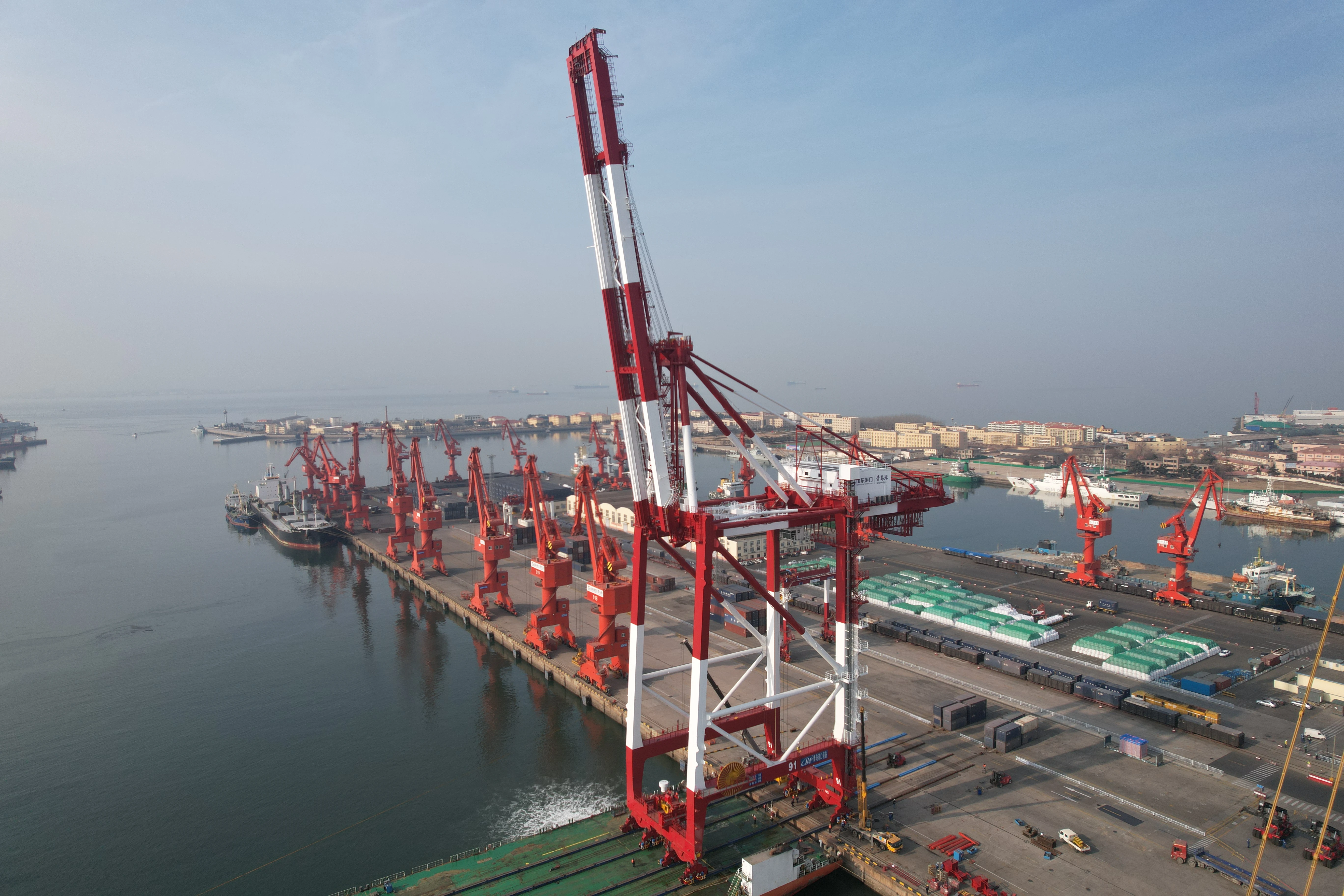
You can make throughput better with real-time monitoring and predictive maintenance. These tools help you find problems early. They keep cranes working well. Real-time monitoring uses sensors to check crane health and cargo movement. You can see fuel use and how much cranes are used. Dashboards show how your portal crane tactics are working.
You can use Internet of Things, artificial intelligence, and digital twins. These systems collect data and show how cranes work. Cloud computing lets you get data anywhere. Automation and robotics help reduce mistakes. They make container handling faster. Real-time monitoring helps you spot slowdowns and fix them quickly.
Predictive maintenance uses smart tools to check equipment health. You can find issues before they get big. This cuts unplanned downtime by up to 50%. Using AI-powered predictive maintenance gives you a high return on investment. You save money and keep cranes working longer. Smart throughput optimization manages vessel berths and crane assignments. This makes container flow better and keeps your portal crane tactics efficient.
Tip: Real-time monitoring and predictive maintenance help you stop breakdowns. They keep cycle times steady. You can use data to make better choices and improve efficiency.
Motion coordination and workflow integration
Motion coordination means cranes, trucks, and yard equipment move together. Digital crane management systems track performance in real time. Predictive algorithms help plan crane assignments. They match cycles to vessel arrivals. This cuts delays and keeps your portal crane tactics sharp.
Dynamic berth management lowers vessel offloading delays. Predictive repositioning can cut port time by 30%. When you connect retrieval and berth processes, you see where containers are placed. This cuts conflicts and improves turnaround times.
Workflow integration connects cranes to terminal operating systems. Automated planning tools make quick plans. You can focus on exceptions. Dynamic rescheduling helps you respond faster to disruptions. Integration stops double entry. Everyone sees the same priorities. This improves communication and keeps your portal crane tactics running well.
|
Evidence Type |
Description |
|---|---|
|
Automated Planning |
Tools make plans fast. Planners can focus on exceptions. |
|
Dynamic Rescheduling |
Unified scheduling helps terminals respond up to 40% faster to disruptions. |
|
Integration Benefits |
Stops double entry. Everyone sees the same priorities. Communication and efficiency get better. |
Marine durability features help cranes last longer. Reinforced metals and heavy-duty alloys resist damage. Impact-resistant composites protect against vibrations and weather. You need fewer repairs and replacements. Your portal crane tactics stay reliable.
|
Feature |
Benefit |
|---|---|
|
Reinforced Metals |
Resists damage under maritime stress. Cranes last longer. |
|
Heavy-Duty Alloys |
Strong enough for tough conditions. Fewer repairs needed. |
|
Impact-Resistant Composites |
Protects against vibrations and bad weather. |
|
Reduced Replacement Frequency |
Machines work well for longer. Less downtime. |
Note: Marine durability features keep cranes working in tough places. You spend less time fixing things and more time using portal crane tactics.
Practical tactics: scheduling, task specialization, grab optimization
You can use practical tactics to make cycle time discipline better. Automation helps cut manual mistakes and speeds up crane moves. Real-time monitoring checks truck wait times and crane idle periods. You can change operations quickly and keep portal crane tactics efficient.
Integrated workflows set clear roles for planning, dispatch, and gate teams. This cuts friction and improves teamwork. Dynamic slot planning changes container stacking based on vessel profiles and truck arrivals. Resource scheduling matches crane assignments and truck dispatch with workloads. You use data to make smart choices and keep portal crane tactics strong.
Anti-sway systems make lifts safer and faster. These systems cut container sway. Lifts are smoother and quicker. You get less stress on structures and better safety. Your portal crane tactics become safer and more reliable.
|
Benefit |
Description |
|---|---|
|
Reduced container sway |
Containers move less during lifting. Stability gets better. |
|
Faster, smoother cycle times |
Operations are quicker. Crane delays drop. |
|
Lower structural stress |
Cranes wear out less. They last longer. |
|
Improved safety margins |
Operators and others are safer. Risks go down. |
You can take steps to make cycle time discipline better:
-
Make a list of information sharing links. Map how data moves between people.
-
Find root causes of delays. Use data to see where slowdowns happen.
-
Set up important information sharing rules. Make sure everyone knows how to signal delays.
You can improve old infrastructure instead of buying new equipment. Cutting work in progress stops bottlenecks. Keeping FIFO processes moves inventory and keeps quality high. Map actual turnaround time for products to find problems. Cut WIP by 20-30% to make lead time more predictable. Teach supervisors about the link between WIP and flow.
Tip: Use data from real-time monitoring to guide portal crane tactics. This helps you find problems early and keep operations smooth.
You can use portal crane tactics to make cycle time discipline better. Real-time monitoring gives you data to check crane health and performance. Predictive maintenance keeps cranes working longer. Motion coordination and workflow integration help you plan and change operations. Practical tactics like scheduling, task specialization, and grab optimization make portal crane tactics stronger. You use data to make smart choices and keep throughput high.
You can get more work done with port cranes if you keep cycle times steady. Real-time monitoring helps you see problems early. Data dashboards show how things are going. Predictive maintenance keeps cranes safe and fast.
-
Automation helps stop delays and mistakes.
-
Workflows that stay the same help everyone do better.
-
CEGC gives you standard and custom machines for your port.
|
Improvement Area |
Description |
|---|---|
|
Automation and AI |
Makes tasks and planning easier |
|
Fuel Efficiency |
Saves money and cuts pollution |
|
Predictability |
Helps daily work go smoothly |
FAQ
What is cycle time discipline in port crane operations?
Cycle time discipline means crane moves happen in a steady way. This helps stop delays. It also makes your port work better.
How does cycle time discipline affect berth utilization optimization?
When crane cycles stay steady, berth use gets better. Ships do not wait as long at the dock. You can work with more ships each day.
Why should you use real-time monitoring for cranes?
Real-time monitoring helps you find problems fast. This stops breakdowns. Your port keeps working without big stops.


