
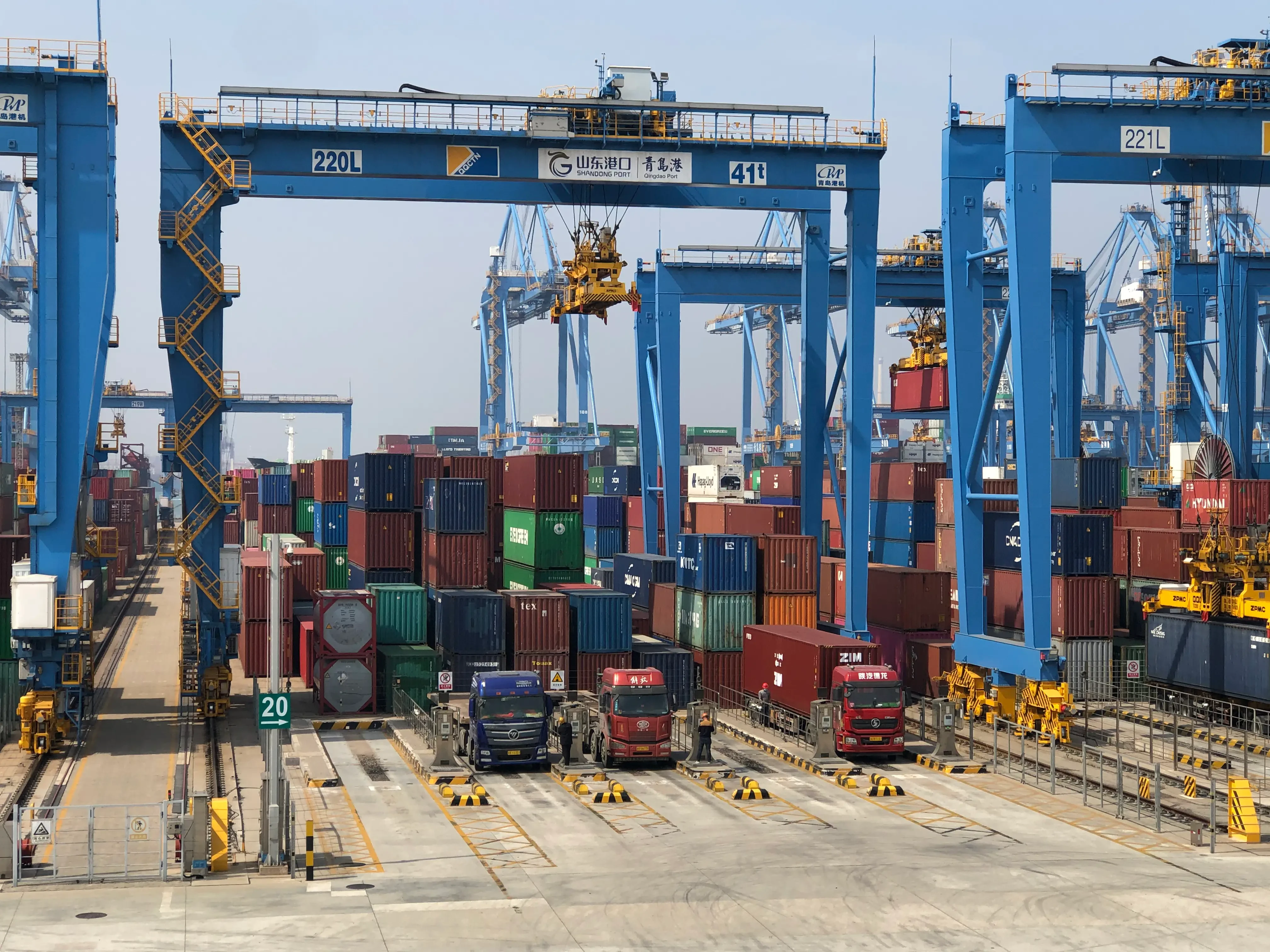
You make the terminal work better and keep up with others when you use portal crane dispatch rules for faster moves. Port operators often have these problems:
-
Cycle time slows down work
-
Safety can be a problem
-
Fewer containers move through
|
Purpose |
|
|---|---|
|
Put containers together by vessel and weight class |
Make things organized and find containers faster |
|
Group similar containers in real time |
Let many cranes load at the same time |
CEGC gives you advanced container handling equipment to help your work.
Key Takeaways
-
Use real-time crane coordination to watch crane movements and stop delays. This helps things work better and keeps everything going well.
-
Use move sequencing to stop cranes from getting in each other's way. This can make work faster by up to 40% and helps move containers quicker.
-
Use data-driven scheduling to use equipment better and plan jobs early. This stops delays and makes the port work better.
Portal crane dispatch rules for faster moves
Real-time crane coordination
You can make your port work better with real-time crane coordination. This way, you control crane movements as things happen. Real-time tracking shows where each crane and container is right now. This helps you stop delays and keeps everything running well. Real-time conflict alerts warn you if two cranes might get too close or if a container is in the wrong place. Crew members work together better because everyone knows their next job.
|
Optimization Method |
Description |
Impact |
|---|---|---|
|
Genetic Algorithms |
A model made to help quay crane operations and cut downtime. |
Cuts idle time and helps cranes work more, so the terminal moves more containers. |
|
Hybrid Genetic Algorithm (QCDC-DR-GA) |
Mixes quay crane dual-cycling with less dockyard rehandling. |
Cuts total work time by 15–20% for big vessels. |
You can use dispatch software to handle real-time scheduling and tracking. This software helps you find problems before they slow things down. Real-time coordination also lets many cranes work at the same time. This means less waiting and more work done. Studies show real-time crane coordination can boost throughput by up to 30%. With project-based dispatch, you can set up your system for your port’s needs. CEGC gives you container handling equipment with standard specs and anti-sway features for safe, fast moves.
Move sequencing and interference reduction
Move sequencing is a big part of portal crane dispatch rules for faster moves. You can plan the order of moves to stop cranes from getting in each other’s way and to cut cycle time. Scheduling tools let you set up rules so cranes do not block each other. Real-time conflict alerts help you see and fix problems before they cause delays.
|
Strategy Type |
Description |
|---|---|
|
Multi-objective ILP |
Tries to cut crane travel time and lower blocking containers. |
|
Energy-oriented scheduling |
Looks at how much energy crane moves use, balancing time and energy. |
|
Coordination of movements |
Shows why careful planning is needed to stop cranes from interfering. |
|
Non-interference constraints |
Makes rules to keep cranes from getting in each other’s way. |
Move sequencing can make port work up to 40% more productive. Scheduling that stops interference means faster container moves and less waiting. If you use automated guided vehicles (AGVs) with your cranes, you can cut idle time even more. Saving just one minute in changeover time can help a lot, especially for big ships. CEGC’s container gantry cranes have anti-sway and safety systems. These features cut load sway and lower the risk of crashes, making every move safer and faster.
Tip: Use real-time conflict alerts and scheduling software to stop cranes from blocking each other. This keeps your port running smoothly and efficiently.
Data-driven scheduling
Data-driven scheduling is another key part of portal crane dispatch rules for faster moves. You can use dispatch software to track equipment and plan moves. Real-time tracking gives you the latest info on every crane and container. This helps you make good choices and avoid delays. With data-driven scheduling, you can plan equipment jobs weeks ahead. You can also see which equipment is not used much and move it where it is needed.
-
Using software for real-time tracking and scheduling makes dispatching better.
-
Planning ahead helps you assign equipment jobs weeks early.
-
Watching underused equipment helps you use your fleet better and cut waiting.
-
Adding telematics gives you real-time data on how equipment works, so you can make better choices.
AI and machine learning make scheduling even smarter. These tools help improve key numbers for quay and yard. They cut rehandles and help equipment work better. When vessel arrival times change, AI agents can change job assignments right away. This keeps cranes working well and cuts waiting. You also save fuel and spend less money. CEGC’s dispatch software helps with automation and real-time tracking, so your port stays efficient and steady.
Operator skill gaps can slow down port work. You can fix this with special training and workforce scheduling. CEGC has operator-centered HMI and training programs to help your team do better. Anti-sway systems and real-time conflict alerts also make it easier for new operators to work safely and well.
Note: Data-driven scheduling and real-time tracking help you find problems early. This keeps your port working at top speed.
By using these portal crane dispatch rules for faster moves, you can make scheduling, coordination, and tracking better. You will see more efficiency, safer moves, and higher throughput in your port.
Advanced optimization and technical solutions
Anti-sway and safety systems
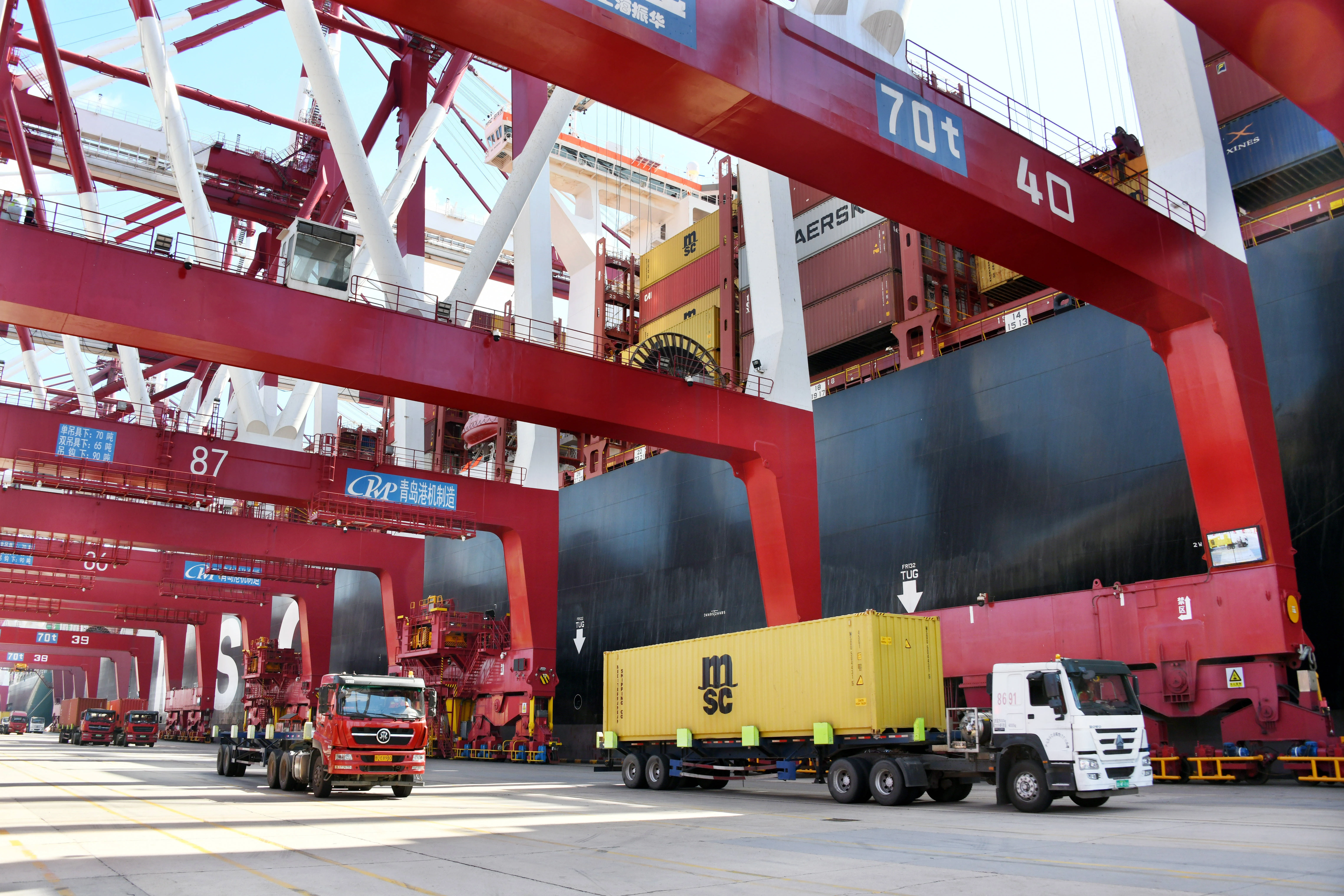
Anti-sway and safety systems help cranes work better and safer. These systems keep loads steady, so moves are faster and more accurate. Anti-sway control uses special technology to stop swinging. It works with the crane’s PLC and keeps things stable, even at top speed. This means less chance of cargo damage and fewer injuries. Crane operation becomes easier, so workers need less training. Anti-sway systems help cranes work faster and last longer. They also make every move safer and more exact. When you use these systems, the crane moves with more speed and accuracy, so cycle times are more even.
-
Makes cranes work faster.
-
Keeps workers and cargo safer.
-
Lowers risk of damage or injury.
-
Helps with automation.
-
Makes cranes last longer.
-
Makes cranes easier to use.
Predictive maintenance and energy efficiency
Predictive maintenance helps cranes run well and not break down. Sensors check for vibration, heat, and oil problems. AI looks at this data to find faults. IIoT lets you see data and watch cranes from far away. Digital twins copy crane actions to help plan repairs. Augmented reality shows workers how to fix things step by step. These tools help you find problems early, so cranes stop less and cost less to fix.
|
Technology Type |
Function |
|---|---|
|
Find strange shakes to stop crane failures. |
|
|
Temperature Sensors |
Watch for heat to spot friction or electric trouble. |
|
Acoustic Emission Sensors |
Listen for sounds that mean something is broken. |
|
Oil Debris Sensors |
Check oil for tiny bits that show wear inside. |
|
Artificial Intelligence (AI) |
Looks at data to find problems and help fix them. |
|
Industrial Internet of Things (IIoT) |
Gives real-time data and lets you watch cranes remotely. |
Marine durability and lifecycle protection
Marine-grade durability keeps cranes safe in tough places. Special coatings stop saltwater and chemicals from hurting the crane. Electrical parts stay dry and safe from wet air. Marine-grade cranes can work in ports by the sea and in bad weather. Lifecycle protection means cranes last longer and need less fixing, so you save money.
|
Feature |
Description |
|---|---|
|
Stops seawater and harsh weather from hurting the crane. |
|
|
Adaptability to Harsh Environments |
Lets cranes work in storms and keeps parts safe from wet air. |
|
Specialized Coatings and Materials |
Uses strong coatings to block saltwater and chemicals. |
CEGC lets you pick the right size, automation, and anti-corrosion level for your cranes. You can choose what your port needs most. New tech like remote control, AI, and machine learning help cranes move containers faster and safer. Automated dispatch and smart learning can make work quicker and help your port do more.
You make the terminal work better with real-time coordination, move sequencing, and data-driven scheduling. AI systems help make yard and gate work smoother. Automation helps use resources in a smarter way. Always trying to get better and using new technology brings good results in many areas.
|
Sector |
Intervention Type |
|
|---|---|---|
|
Agriculture |
Financial and direct support |
Positive impact |
|
Manufacturing |
Training and consulting |
Positive effect |
CEGC lets you set up projects to help your operations do their best.
FAQ
What makes CEGC portal cranes faster and safer?
You get anti-sway control, real-time tracking, and safety interlocks. These features let you move containers fast and help stop accidents.
How does data-driven scheduling improve crane dispatch?
You use real-time data to plan moves. This cuts down on waiting and helps you put cranes where they are needed most.
Can you customize CEGC container handling equipment?
|
Option |
Benefit |
|---|---|
|
Capacity |
Matches your cargo needs |
|
Automation Level |
Makes work faster |
|
Anti-corrosion |
Keeps cranes safe in ports |


