
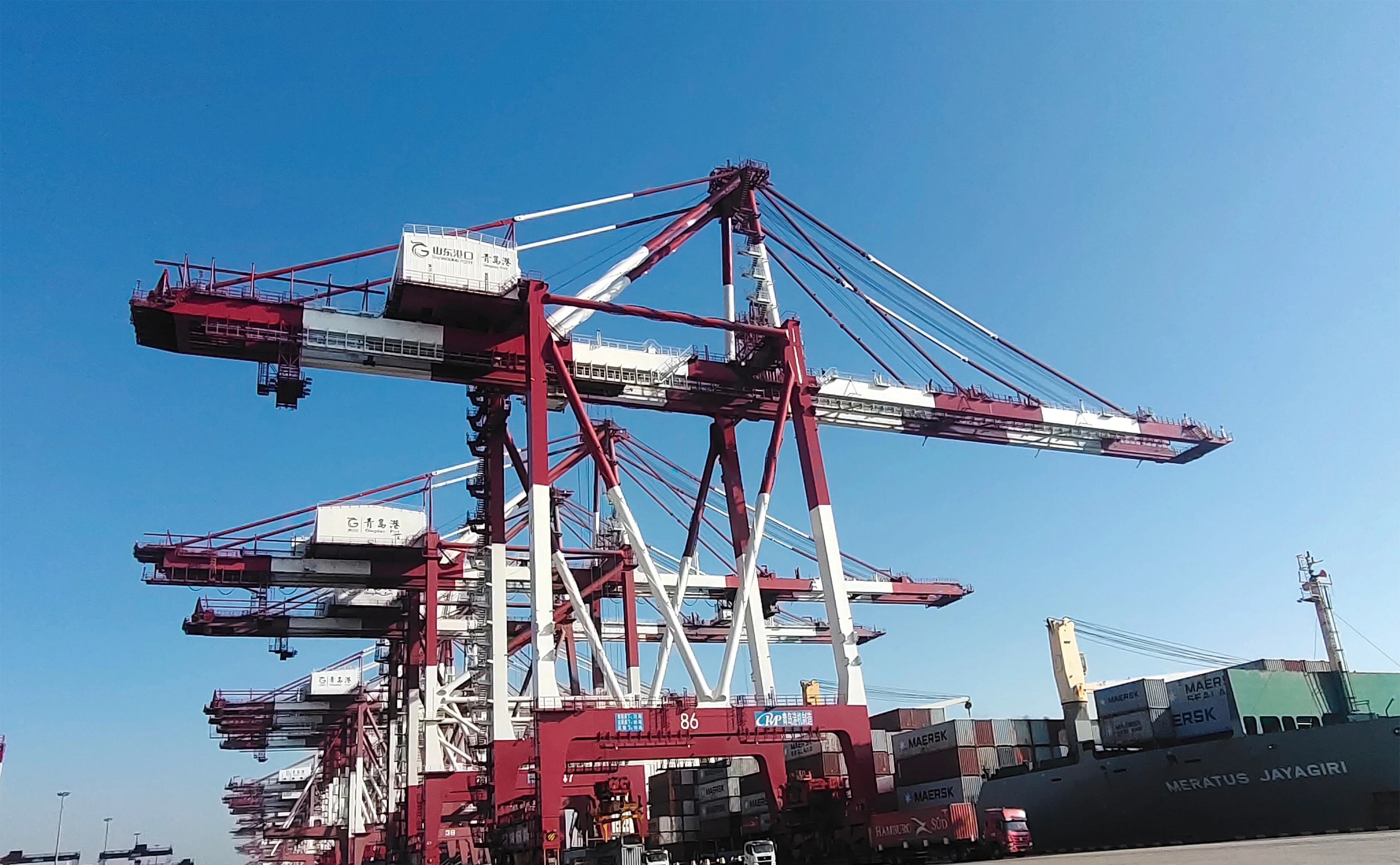
You notice that shipping bottlenecks make vessels take longer. This also makes costs go up. Ship loading systems that remove the bottleneck, like the ones from CEGC, help you solve problems. These problems include load sway and surprise maintenance. Advanced equipment that you can change helps your team work safer. It also makes port operations more efficient.
Key Takeaways
-
Find and fix common shipping problems like slow cycle times and maintenance troubles to make ports work better. - Use new ship loading systems with things like anti-sway technology and predictive maintenance to make things safer and cut down on waiting time. - Use automation and real-time tracking to make work easier, see data better, and help teams work together in port management.
Eliminating bottlenecks in port operations
Common shipping bottlenecks in port environments
Managing port operations is hard. Shipping bottlenecks slow your work and raise costs. The most common bottlenecks in ports are:
-
Cycle time delays. Each crane move takes time. If cycle time goes up, less cargo moves each hour.
-
Duty cycle problems. Cranes do not always work at full power. This lowers how well your port works.
-
Yard flows. Containers must move smoothly in the yard. Bad yard flows cause traffic jams and slow everything down.
-
Load sway. When containers swing, accidents can happen and work slows.
-
Maintenance issues. Unplanned repairs stop your machines and cause traffic in busy ports.
These bottlenecks make your port less efficient. It is hard to keep up with vessel schedules. Congestion builds fast when one step slows down. Ports need ship loading systems that remove the bottleneck to keep cargo moving and cut shipping bottlenecks.
CEGC ship loading systems that remove the bottleneck
CEGC ship loading systems that remove the bottleneck can fix these problems. CEGC has portal cranes, container cranes, reach stackers, and other equipment. These machines use advanced technology to solve congestion in port operations.
-
Anti-sway technology keeps loads steady. This lowers accident risk and helps place containers better. You see fewer delays from swinging loads.
-
Motion coordination helps cranes and handlers work together. This means less waiting and faster cargo movement. You avoid traffic jams in the yard and at the dock.
-
Predictive maintenance uses smart sensors to check equipment health. You get early warnings about problems. You can fix them before downtime happens. This keeps your port running and cuts shipping bottlenecks.
-
Safety interlocks and emergency stop systems protect your team. These features stop unsafe actions and help you avoid accidents during busy shifts.
You can customize CEGC ship loading systems that remove the bottleneck for your port. You pick the right capacity, span, and automation level for your needs. This flexibility helps you handle traffic jams and keep up with changing demands in port operations.
Technical solutions for safer, faster cargo handling
You want your port to be safe and efficient. CEGC ship loading systems that remove the bottleneck use several technology solutions to help you reach this goal.
-
Anti-sway control uses sensors and smart controls to stop loads from swinging. This makes cargo handling safer and faster. You see better placement and less drift, even when it is windy.
-
Motion coordination means cranes, trolleys, and handlers move together. This cuts idle time and keeps cargo moving. You avoid traffic jams and speed up vessel turnaround.
-
Predictive maintenance checks equipment health in real time. Smart monitoring systems spot problems early. This cuts unplanned downtime by up to 50%. You save money on repairs and keep your port open for business.
-
Safety interlocks and workflow integration protect your team and cargo. Emergency stop systems and lockouts cover all connected equipment. Automation makes sure containers only move to safe, planned spots. You lower accident risk and improve safety for everyone.
-
Marine durability features protect your equipment from salt, humidity, and dust. This means less rust and longer service life. You spend less on maintenance and keep your port running smoothly.
You see these technology solutions work every day. Ship loading systems that remove the bottleneck help you cut traffic jams, boost efficiency, and lower costs. You keep your port strong and ready for the future.
Optimizing port performance with advanced ship loading systems
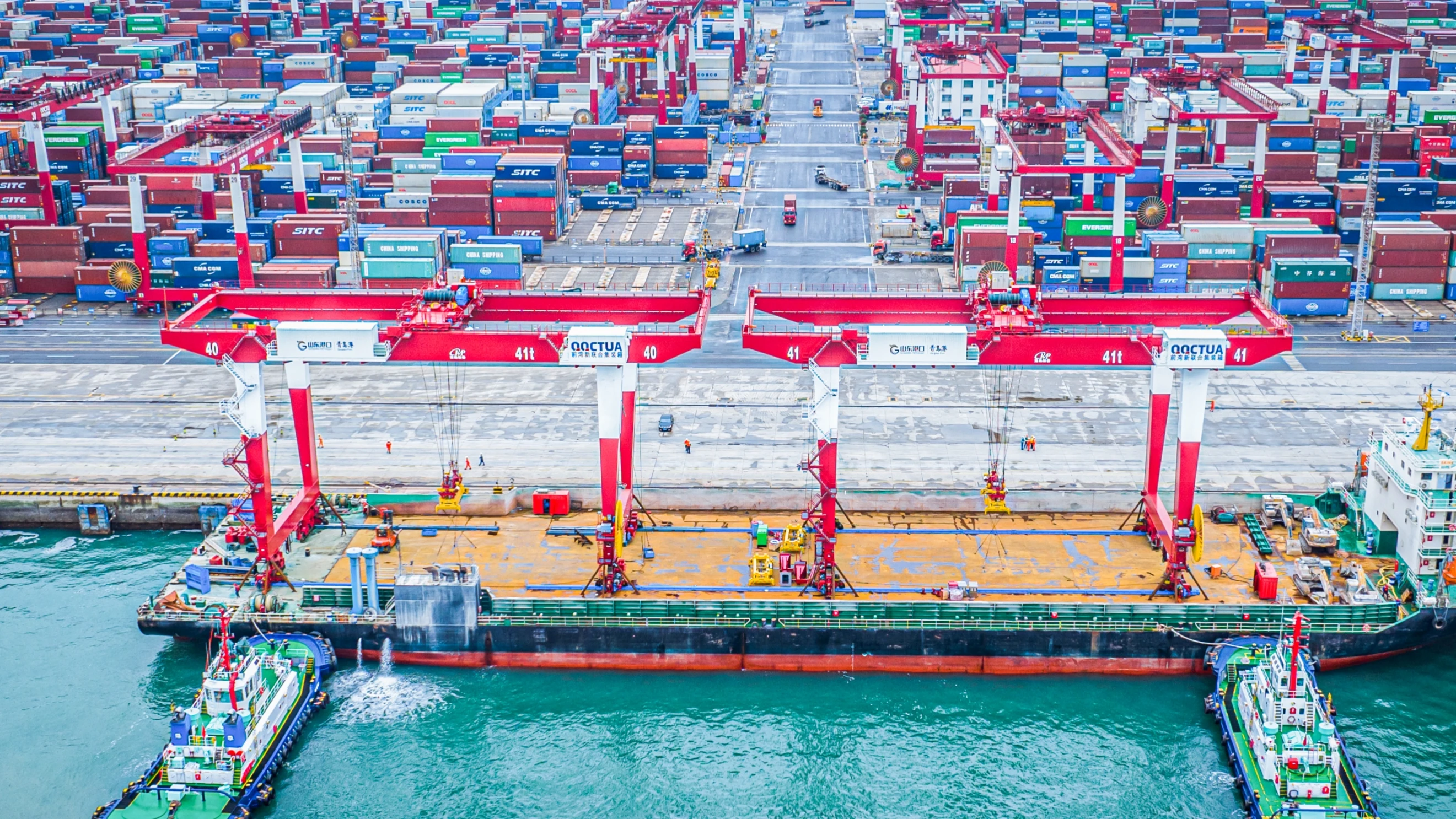
Automation and real-time tracking in port operations
Automation and real-time tracking help ports work better. Robotic cranes and automated guided vehicles move containers fast and safely. These machines help stop mistakes and make cargo move quicker. Automated gantry cranes keep people away from danger and lower accident chances. Automation lets you move more cargo with fewer slowdowns.
Real-time tracking shows where cargo is at all times. You can see each container’s location right away. This helps you fix problems fast and stop port traffic jams. Tracking systems help you make smart choices and keep things moving. When everyone sees the same information, teamwork gets easier and fights are less likely.
Integration with terminal workflows and vessel planning
Good infrastructure connects ship loading systems to terminal management. Terminal operating systems work with company platforms to share data. This helps track money and see how much you earn. You can use shared platforms to plan where cargo goes on ships. These tools use standard messages and update yard status right away.
|
Feature |
Description |
|---|---|
|
Collaborative Platforms |
Cloud-based tools for vessel planning and integration with ship systems |
|
Real-time Data Synchronization |
Yard updates help planners refine loading plans and reduce bay shifts |
|
Automation |
AI agents automate decisions for vessel planning and yard logistics |
End-to-end solutions make sharing data easy and help the supply chain run better. You can stop bottlenecks and late shipments by making data flow smoother and working together.
Case study: CEGC solutions reducing shipping bottlenecks
CEGC ship loading systems help real ports work better. Operators say dashboards help them watch ship loaders and cranes. This makes it easier to check machine health and plan repairs. Portal crane tactics from CEGC make ports safer and move cargo faster. Yard density management stops delays and keeps berths busy.
You can trust CEGC to build systems that cut down port traffic and help the supply chain. These solutions let you move more cargo, save money, and keep your port working well.
You can make your port work better and safer with CEGC ship loading systems. First, look at your main problems and try these ideas:
|
Recommendation |
Description |
|---|---|
|
Bring everyone together to talk and work better. |
|
|
Automate Documentation Processes |
Use online forms to make fewer mistakes and finish faster. |
|
Enhance Data Visibility |
Use dashboards so you can decide quickly. |
|
Ensure Data Security |
Keep your information safe with strong rules. |
Use automation, AI, and IoT to help your port stay ready for the future and stop bottlenecks.
FAQ
What is a portal crane and how does it help your port?
A portal crane lifts big cargo on and off ships. This machine helps you move containers quickly and safely.
How does anti-sway technology improve safety?
Anti-sway technology keeps loads from swinging. This lowers accidents and helps you put containers in the right spot, even when it is windy.
Can you customize CEGC ship loading systems for your port?
|
Option |
Benefit |
|---|---|
|
Capacity |
Fits the amount of cargo you have |
|
Automation |
Makes work faster and easier |
|
Durability |
Works well in tough weather |
You can pick what works best for your port.


