
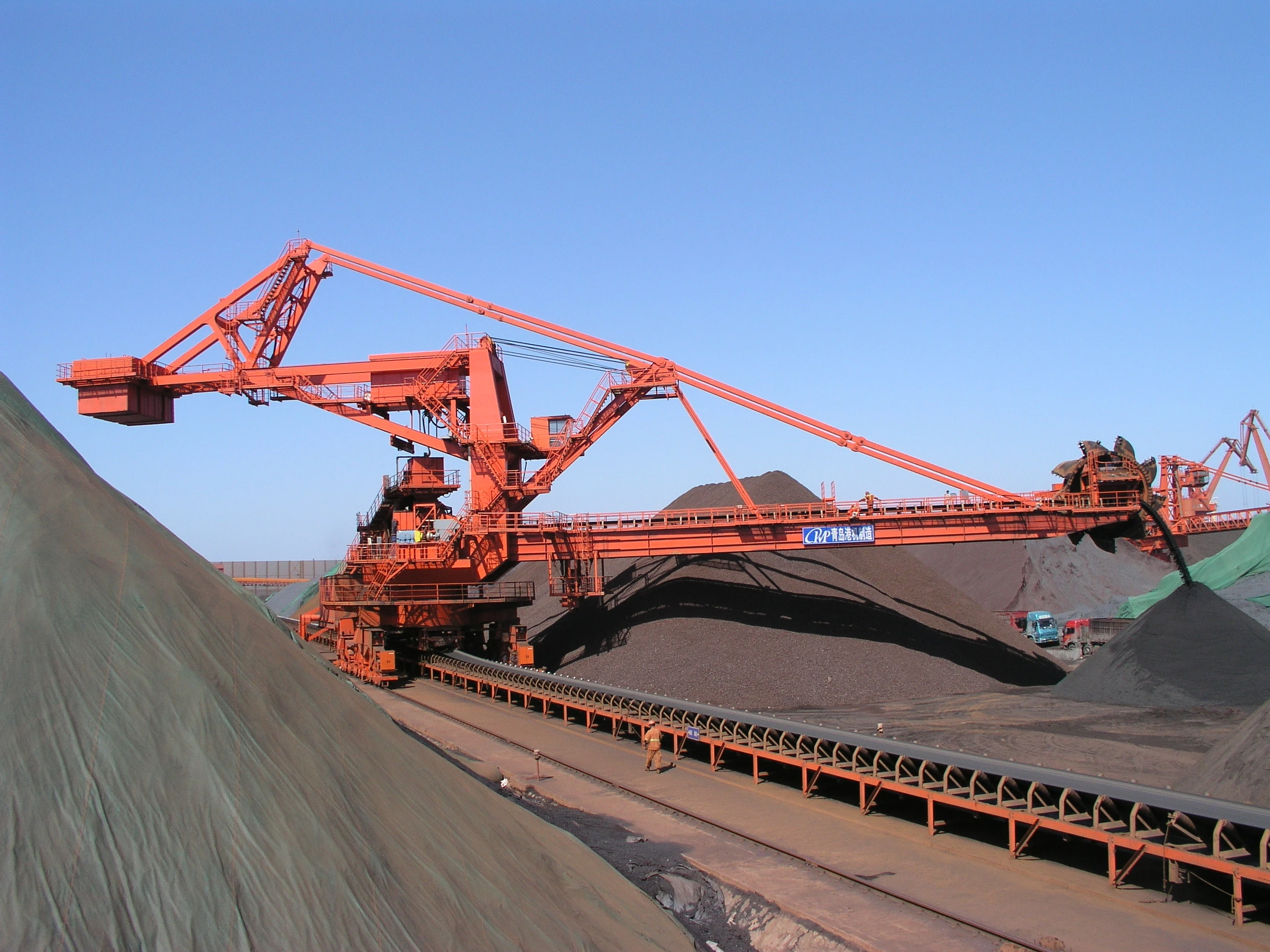
You can boost your port’s efficiency with portal crane hoist tuning: cut hook time waste. When you tune your equipment, you reduce load sway, speed up cycle time, and lower downtime. CEGC helps you avoid safety risks and handle cargo faster. You see measurable improvements right away.
Key Takeaways
-
Adjust your portal crane hoist to lower load sway and waiting time. This makes work faster and helps move cargo quickly.
-
Watch important numbers like cycle time and hook drift. Checking these numbers shows where you can do better.
-
Use anti-sway systems and do regular maintenance checks. These steps make things safer and help the crane last longer.
Portal crane hoist tuning: cut hook time waste
Common Hook Time Inefficiencies
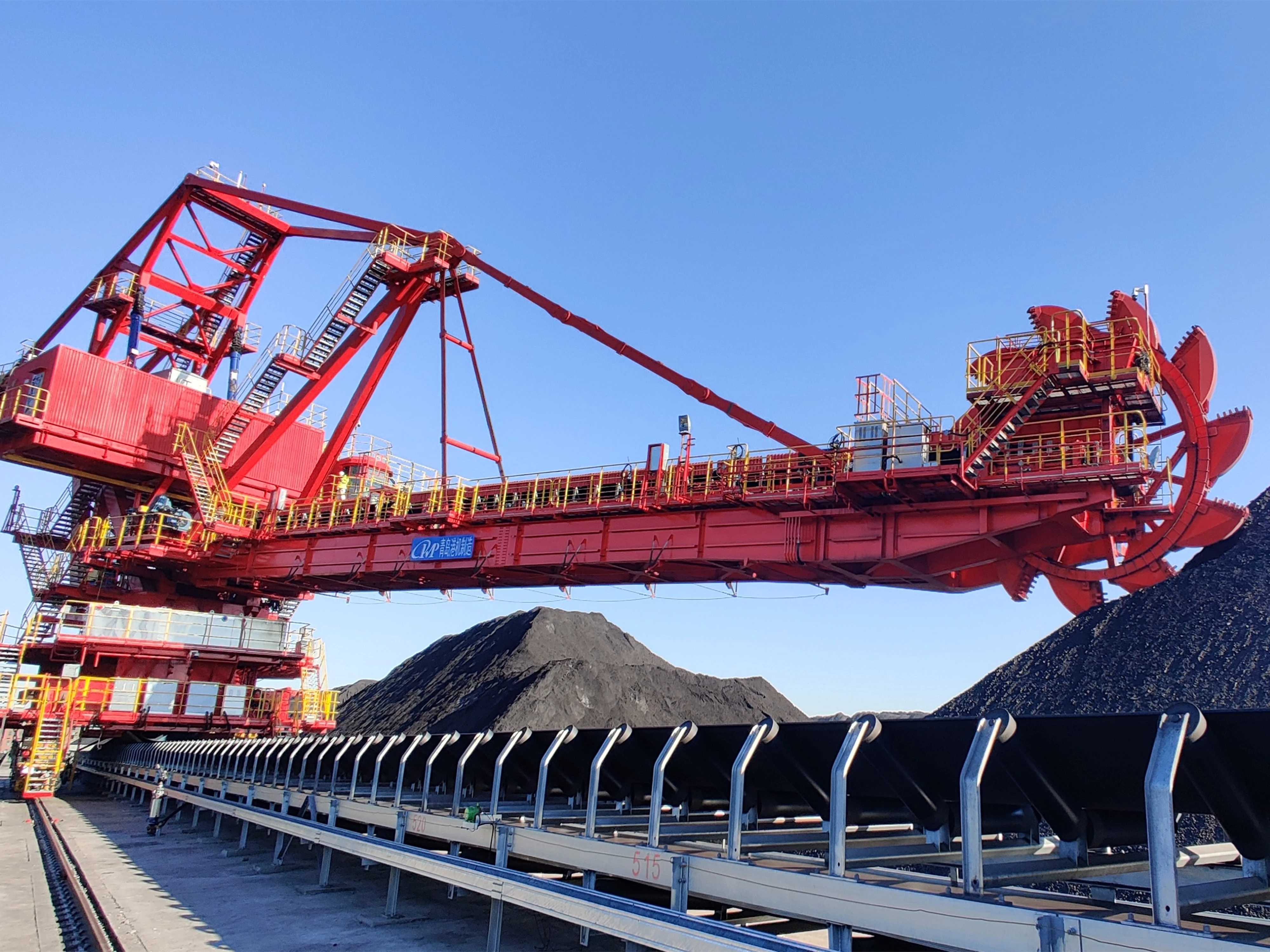
There are many problems when you try to make portal crane hoist tuning better and cut hook time waste. Some main problems are load sway, idle time, operator inconsistency, wind load, and collision risk. Load sway makes it tough to put containers in the right spot. Idle time is when the crane is not working between lifts. Operator inconsistency means some workers are faster than others. Wind load can move the hook away from its path. Collision risk goes up if the hook drifts or moves too fast.
CEGC and other top brands make container handling equipment to fix these issues. You get things like faster hoist speed, strong motors, smart controls, and anti-sway systems. These help you wait less and keep the load steady. Automation and safety features, like overload protection, limit switches, and emergency stops, keep your team and cargo safe.
|
Feature |
Benefit |
|---|---|
|
Faster hoist |
Cuts waiting time and makes things quicker. |
|
Strong motors and smart controls |
Lets you lift heavy containers fast. |
|
Anti-sway systems |
Makes loads safer by keeping them steady. |
|
Automation |
Lowers mistakes and cuts down on delays. |
|
Safety features |
Keeps workers safe and helps the terminal run better. |
Key Metrics to Track
You need to check the right numbers for portal crane hoist tuning: cut hook time waste. Cycle time shows how quickly you finish each lift. Idle time tells you how long the crane waits. Hook drift shows how far the hook moves off track. Watching these numbers helps you see what needs fixing.
|
Metric |
Description |
|---|---|
|
Cycle Time |
The crane works all the time, with no waiting, and starts the next job before the hook is all the way up. |
|
Idle Time |
You can get a 75% to 94% crane use rate by stopping waiting between jobs. |
|
Hook Drift |
Using anti-sway systems makes travel 15% faster and helps the crane last longer. |
|
Delays |
Delays from mill to yard can drop by 40%, so coils move on time. |
|
Truck Turnaround Time |
The time drops from 90 minutes to about 35 minutes. |
Portal crane hoist tuning: cut hook time waste helps you reach the best performance. CEGC gives custom solutions for every port. You get what fits your needs.
Hoist Adjustment and Optimization
Performance Assessment
You need to check how your crane works before making changes. This helps you know what is working well and what needs fixing. Use a checklist to help you look at everything:
|
Key Element |
Description |
|---|---|
|
Current Crane Capacity |
Check if the crane can handle the jobs you need. |
|
Lift Requirements |
Look at what you need to lift and see if changes are needed. |
|
Equipment Evaluation |
See if your equipment needs upgrades for better work. |
It is important to watch some key numbers. These are things like how often the crane works, how many trucks it moves, and how long trucks wait. You should also check the weather, track ships, ask operators for feedback, and look at the whole situation. These numbers show what your crane does well and where it needs help.
Hoist Speed Adjustment
You can make hook time better by changing hoist speed and how fast it starts and stops. Use smooth moves to keep parts from wearing out. Going faster with calm loads makes moving quicker. Anti-swing control helps stop loads from swinging and saves time. Using two or more speeds lets you pick the best speed for each job. Smart brakes last longer because they wear out less. Watching the crane’s condition helps you spot problems early. Moving only when needed saves time and energy.
|
Method |
Benefit |
|---|---|
|
Smooth motion profiles |
Parts last longer and need less fixing. |
|
Higher speed with load calming |
Moving is faster and hook time is shorter. |
|
Anti-swing control |
Loads swing less and are safer. |
|
Two-speed/multi-speed profiles |
You can pick the right speed for each lift. |
|
Smart brakes |
Brakes last longer and work better. |
|
Condition Monitoring |
You see problems early and fix them fast. |
|
Movement optimization |
You do not waste time or energy moving too much. |
Tip: If cranes are slow or stop working, you lose time and money. Fixing these problems can make your equipment work up to 15% better. If containers swing, they might hit things or cause damage. Putting containers in the right spot is very important, especially when space is tight. If a container swings, you have to wait for it to stop before moving again, which slows down the work.
Anti-Sway and Safety Controls
You should use anti-sway systems and safety controls for the best results. Real-time monitors tell you what the crane is doing right now. These work with anti-sway tech to keep loads steady and avoid crashes. The anti-sway system uses a PLC and math to guess how the load will move. It changes what the operator does to stop the load from swinging. This makes the crane faster and safer.
Load limiters and safety locks help stop hook time waste and keep people safe. Load limiters, like electronic scales, stop the crane from lifting too much. Safety locks make sure the crane does not move when people are working on it. These tools keep the crane from running when it is not safe, so there are fewer delays and accidents.
|
Evidence Description |
Contribution to Query |
|---|---|
|
Load-limiting devices, including electronic scales, overload limiters, and bearing seat overload limiters, are essential for ensuring safe crane operation in steel casting facilities. |
These devices stop the crane from lifting too much, which keeps it safe and cuts down on wasted time. |
|
Interlock protection devices are critical safety features on ladle overhead cranes, designed to prevent accidental operation of the crane during maintenance or when personnel are working near the crane. |
These locks stop the crane from moving when it is not safe, so there are fewer delays and accidents. |
You should always check the hoist load limiter and adjust it when you set up the crane. Make sure sensors are put in and tested the right way. Safety gear must be ready to use so the crane is safe and works well.
Preventive Maintenance
You need to keep your crane working well with regular checks. Look at the crane every day for broken wires or cracks. Have a pro check big parts every month or every few months. Once a year, do a full check as the rules say. Use the right oil to help the crane last longer. Teach workers how to read load charts and what to do in emergencies to stop accidents and damage.
|
Maintenance Practice |
Description |
|---|---|
|
Look at the crane at the start of each shift for problems. |
|
|
Monthly/Quarterly Professional Inspections |
Get big parts checked by a pro every month or few months. |
|
Annual Thorough Examination |
Do a full check every year to keep the crane safe. |
|
Proper Lubrication |
Use the right oil as the maker says to help the crane last. |
|
Safe Operating Practices |
Teach workers how to use the crane safely and what to do in emergencies. |
Predictive maintenance uses sensors and special checks to find problems before they happen. This helps you plan repairs and stops surprise breakdowns. Being proactive means you fix things before they break. AI and data help you know when to do repairs, so you can plan better. This saves money and keeps the crane safe and working longer.
|
Benefit |
Description |
|---|---|
|
Proactive Maintenance |
Fixes problems before they stop the crane from working. |
|
AI and Data Analytics |
Helps you know when to fix things by using smart data. |
|
Cost Reduction |
Saves money by planning repairs and stopping big problems. |
|
Enhanced Safety and Productivity |
Makes the crane safer and helps it work better for longer. |
You should follow the right times for checks. If you use the crane a lot, check it as OSHA says. If it sits for one to six months, check it before using again. If it sits for over six months, do a full check first. Standby cranes need checks at least twice a year.
|
Condition of Crane |
Recommended Inspection Interval |
|---|---|
|
Regular use |
Check as OSHA says for how much you use it and where. |
|
Idle for 1 month to less than 6 months |
Check before using again as OSHA says. |
|
Idle for over 6 months |
Do a full check before using again. |
|
Standby cranes |
Check at least twice a year. |
Integration, Customization, and Digital Monitoring
You can make your crane work better by using digital tools and linking your work steps. Systems like TRUCONNECT, LiftMaster, and StatusControl let you watch the crane in real time and plan repairs before things break. These systems use sensors to show how the crane is used and if it is safe. Automation and digital tools help you control the crane more exactly. Watching in real time helps you stop loads from swinging and avoid crashes.
You can pick different options to make your crane fit your needs. These include automation, anti-rust coatings, and ways to save energy. You can choose manual, electric, or fully automatic controls. Extra features like remote control, load checks, and alarms make things safer and faster. Special coatings protect the crane from rust and bad weather, which is important outside. Good controls help you pick up and put down loads in the right spot. Cranes made for tough places keep working even when things get hard.
Note: Always put in and adjust load limiters when setting up your crane. Test and install sensors the right way. These steps make sure your safety gear works as it should.
You can cut hook time waste by tuning your portal crane hoist. Track key metrics, adjust speed, use anti-sway controls, and follow a maintenance plan. CEGC solutions help you boost safety and efficiency. Start today. Review your results often to keep your port running at its best.
FAQ
How do you improve crane control during installation?
Follow the installation guide to help crane control. Use the correct tools for the job. Check each control system one by one. Test the control before you use the crane.
Why does control matter for crane installation?
Good control keeps crane installation safe. Control lets you move loads smoothly. You can avoid accidents with good control. Better control helps you finish the job faster.
What steps help you check control after installation?
Inspect every part of the control system. Test each control button to see if it works. Watch how the crane moves when you use the controls. Make sure the control responds quickly after installation.


