
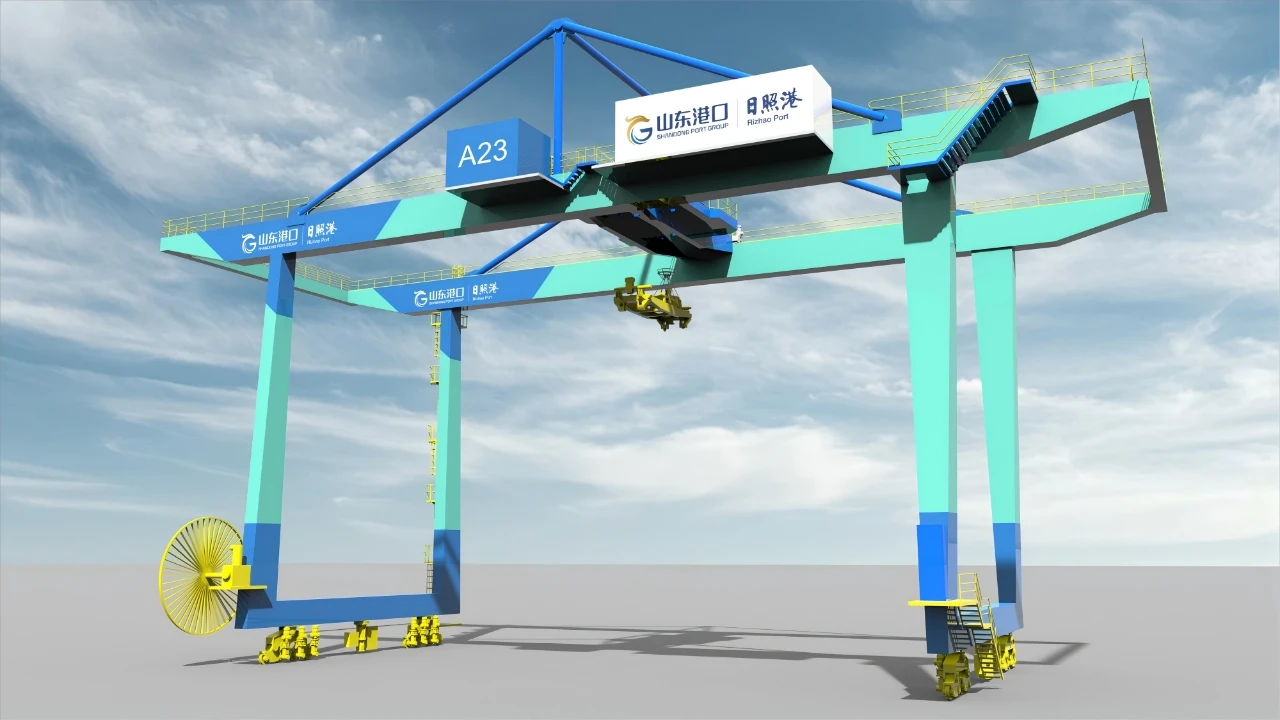
You can see how ship crane hoist speed directly impacts deck cycle time and your port’s overall efficiency. When you use a CEGC ship crane with optimized hoist speed, you can reduce deck cycle time and move more containers quickly.
-
CEGC ship cranes help vessels leave the dock faster by increasing throughput.
-
Higher ship crane hoist speed means more moves per hour, boosting productivity and minimizing waiting times.
-
With improved efficiency, you need fewer workers and create a safer terminal environment.
CEGC specializes in port machinery and lifting equipment, ensuring you achieve reliable results every time you operate a crane.
Key Takeaways
-
Making ship crane hoist speed better can cut deck cycle time. This lets ports move containers faster and boosts how much work gets done.
-
Using new speed control methods, like variable frequency drives, makes cranes work better. It also uses less energy and helps cranes last longer.
-
Doing regular maintenance and safety checks is very important. This keeps cranes safe and reliable. It also stops accidents and expensive repairs from happening.
Ship crane hoist speed and deck cycle time
Why hoist speed matters for productivity
You want your port to move containers fast and safe. Ship crane hoist speed helps reduce deck cycle time. This is a simple way to make your port work better. If your crane moves faster, you finish more cycles each hour. You can load and unload containers in less time. Some new cranes can go as fast as 30-40 MPH. These fast speeds help ships spend less time at the dock. This makes your port more productive. You also pay less in demurrage because ships do not wait as long. Studies show that better hoist speed can cut handling time by up to 20%. When your crane is faster, you get more cycles and better results.
Key factors affecting crane hoist speed
Many things can change how fast your crane works. Wind load, load weight, and operator skill all matter. The table below shows how wind changes things for different cranes:
|
Crane Type |
Wind Speed Limit (mph) |
Operational Considerations |
|---|---|---|
|
Mobile and telescopic boom |
20–25 |
Operations may need to stop for winds above this limit. |
|
Tower or luffing-jib |
38–45 |
Can operate at higher speeds but requires monitoring for safety. |
|
Crawler |
26–27 |
Similar considerations as mobile cranes, with specific limits based on site conditions. |
|
Floating or marine |
20 |
Lower thresholds due to platform movement; safety is important. |
Wind affects the sail area of loads more than their weight. You must change how you work when these things happen. Operator skill also changes crane speed and how well your port works. Good operators help you keep cycles steady and lose less time from mistakes.
Common pain points in port operations
You may have problems like load sway, wind load, and different operator skills. These problems can slow down your crane and make your port less productive. Anti-sway systems help keep loads steady and safe. Safety interlocks, like dual brake systems and backup controls, stop accidents and keep your machines working. Operator-centered HMI systems give you clear info and help right away. They make it easier to spot dangers fast. Automation and remote monitoring also make things safer and faster. With these tools, you can use ship crane hoist speed to reduce deck cycle time, work better, and keep your port running well.
Optimizing crane hoist performance for increased productivity
Crane hoist speed control methods
You can make your port work faster by using new crane hoist speed control methods. Variable frequency drives help the crane start and stop smoothly. This means there is less shaking and you can control the speed better. You can pick any speed you want, even a slow “creep” mode for careful lifts. AC variable frequency speed control keeps the motor at the right speed, no matter how heavy the load is. This gives you steady work and less shaking. You also use less energy and your crane lasts longer. With these systems, you finish jobs faster and make your port more efficient.
Tip: Using variable frequency drives helps your crane last longer and need less fixing.
Adjusting the speed of a crane hoist
You can change the speed of a crane hoist safely and easily by following some simple steps: 1. Find the gear or clutch system on your crane. 2. Pick the right gear ratio for your load. 3. Test the change to see if it works. 4. Use the VFD control panel if your crane has one. 5. Set the base frequency and voltage. 6. Change the speed setting to fit your needs. 7. Set how fast the crane starts and stops. 8. Test and adjust the settings for the best results. Always follow the maker’s instructions and wear the right safety gear. Check your equipment often and call a trained worker if you need help. Changing the speed helps you match the crane to different loads and jobs. This keeps your work safe and smooth. You can also use light aluminum spreader beams to set up faster. This can save you up to 20 minutes each lift, so you get more done every day.
Upgrades and technical solutions
You can make your crane better by upgrading it for more speed, safety, and reliability. Here are some ways to make ship crane hoist speed faster and reduce deck cycle time: - Upgrade motors and gear ratios for faster overhead crane speed. - Add speed control valves for smoother moves. - Use double trolleys to move more containers at once. - Adjust crane-grab combos and use better grabs for faster cycles. - Switch to light spreader beams to set up quicker. - Add anti-sway tech to stop delays from load sway. This can make you up to 15% more productive. - Update control systems for better speed and control. - Add wireless controls so operators can move around more. - Use smart monitoring to check for problems before they happen.
|
Benefit |
Description |
|---|---|
|
Enhances Operator Confidence |
Makes it easier for you to focus on moving loads, not fixing sway. |
|
Reduces Fatigue |
Automation does simple tasks, so you stay alert longer. |
|
Increases Lifting Accuracy |
The hook stays steady, so you can place things exactly right. |
|
Higher Safety Compliance |
Automation keeps lifting safe and lowers accident risks. |
|
Reduces Downtime and Liabilities |
Fewer problems mean lower costs and smoother work. |
|
Consistent Performance |
Smart controls give you the same good results every time. |
CEGC can make special port machines just for you, like portal cranes, container cranes, and ship cranes. You can pick the right size, work time, and automation for your job. CEGC’s anti-sway control, motion coordination, and load-based speed help you get the most from your crane. These upgrades help with automation and save energy, making your port safer and more productive.
Maintenance and safety best practices
You must keep your crane in good shape to stay safe and work well. Here are some best practices: 1. Check your crane before every shift. 2. Have trained workers do regular checks. 3. Follow a maintenance plan to find problems early. 4. Train and certify all operators and riggers. 5. Fix any problems right away. 6. Make sure everyone talks clearly during work. 7. Stop work in bad weather to keep people and machines safe. 8. Keep the work area safe from people who should not be there.
|
Maintenance Practice |
Description |
|---|---|
|
Frequent and Periodic Inspections |
Check important parts every day and month to meet OSHA rules. |
|
Maintenance |
Fix problems as soon as you find them to stop breakdowns. |
|
Operator Qualifications |
Make sure operators know the equipment and safety rules. |
|
Ongoing Training |
Keep learning about new safety ideas and technology. |
|
Load Handling |
Always follow load limits to stop accidents. |
|
Clear Communication |
Talk with your team to keep everyone safe. |
|
Environmental Conditions |
Stop work during storms or strong winds. |
|
Work Area Control |
Keep the area around the crane safe. |
Predictive maintenance helps you stop breakdowns by checking things like vibration, heat, and brake response. You can plan repairs before things get worse. This keeps your crane working longer and better. CEGC’s tough design and extra safety locks protect you in hard port conditions. By following these safety tips, you keep your team safe and your crane working its best.
Note: Regular checks and maintenance help you avoid big repairs and keep your crane ready for every full grab cycle.
By making your crane hoist work better, you can get more done, have a safer port, and make your crane last longer. You will see faster cycles, better overhead crane speed, and more reliable loading and unloading. CEGC helps you with advanced solutions for ship crane hoist speed, so you can reduce deck cycle time and get more out of your work.
You can make crane hoist speed better by planning lifts. Check your equipment often and set sensors right. Doing regular maintenance helps stop problems. Talking clearly with your team keeps things safe. When cranes move faster, you get more work done. You also have fewer accidents and spend less money.
|
Benefit |
Description |
|---|---|
|
Energy Efficiency |
Use less power and keep cranes working well |
|
Automation |
Move containers faster and do less manual work |
Ask CEGC for port machines made just for you.
FAQ
How does faster ship crane hoist speed help my port?
You move containers quicker. Ships spend less time at the dock. You boost your port’s productivity and lower your operating costs.
What safety features should I look for in a ship crane?
You should check for anti-sway systems, safety interlocks, and operator-centered HMI. These features help you keep your team safe and your equipment reliable.
Can CEGC customize a crane for my port’s needs?
Yes! You choose the capacity, span, duty cycle, and automation level. CEGC builds portal cranes, container cranes, and ship cranes to fit your project.


