
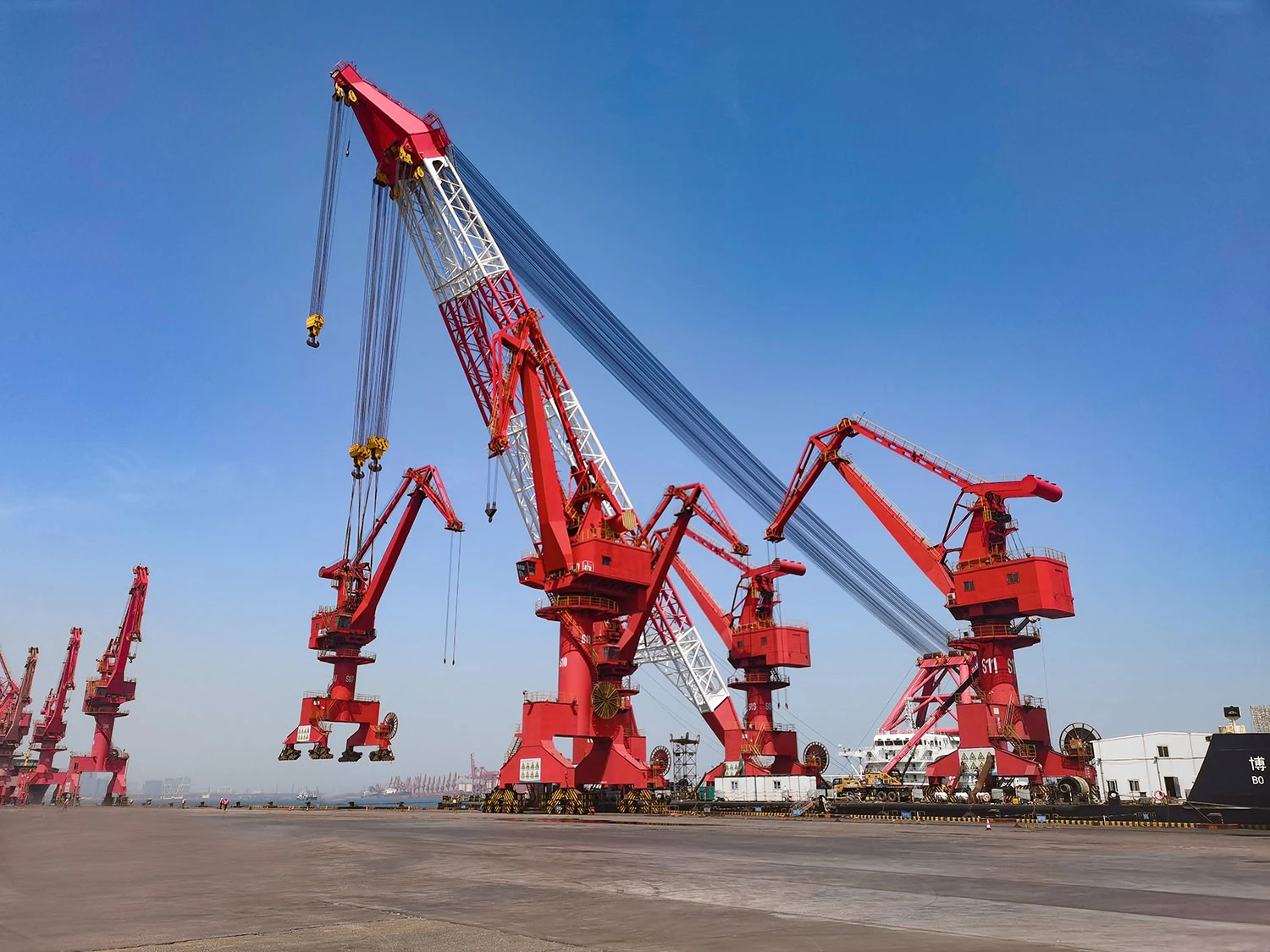
Port crane hoist upgrades that cut berth time help you move cargo faster and make moving cargo safer. CEGC provides solutions that enhance port operations, making them more reliable. Many ports experience long waits, leading to increased labor costs and delays in the supply chain.
|
Pain Point |
Description |
|---|---|
|
Increased waiting times |
Ports have long vessel waits, with ships staying up to 11.3 days, causing significant delays. |
|
Operational inefficiencies |
Crowded ports increase labor costs and reduce productivity. |
|
Logistical challenges |
Bottlenecks disrupt supply chains and create traffic jams. |
Key Takeaways
-
Upgrading port crane hoists helps move cargo faster. Quicker lifts and anti-sway systems make waiting times shorter. These upgrades also make the work safer.
-
Automation makes terminal work better. Real-time updates and smart software help things run smoothly. This cuts delays and helps workers do more.
-
Predictive maintenance saves money and keeps cranes working longer. Sensors watch how the crane works and find problems early. This helps fix things quickly and keeps downtime low.
How port crane hoist upgrades cut berth time
Boosting cargo handling efficiency
When you upgrade port crane hoists, cargo moves faster right away. These upgrades make lifting quicker and help stop loads from swaying. This means every lift is safer and takes less time. Anti-sway control uses smart sensors and computer programs to keep loads steady. This helps container cranes move things exactly where they need to go. You do not have to spend as much time fixing the load’s position, so you move more cargo.
-
Anti-sway algorithms make lifts safer and steadier.
-
Faster hoisting means less waiting and quicker work.
-
Motion control stops shaking, so accidents are less likely.
-
Automated anti-sway uses lasers and sensors to keep loads straight.
-
Special motors keep loads steady, making work faster.
You get better motion coordination. The hoist, trolley, and gantry all work together to save time and avoid extra moves. Upgrades help container equipment run smoothly, so there is less downtime. This means you can handle more cargo and ships leave sooner.
Automation and full automation benefits
Automation changes how cargo is handled. You get real-time updates and smart software that helps cranes work together. These tools help stop traffic jams and delays. When twistlock handling is automated, picking up and dropping off containers is faster. This makes the whole process quicker.
AI has helped ships leave ports about 10–12% faster in tests. Ports using AI for crane scheduling use their cranes up to 20% more.
Full automation lets you plan all terminal jobs together. You can handle busy times and crowded yards better. Closed-loop AI changes plans as things happen, keeping work balanced. Automated systems make sure cranes do the most important jobs first, so service is better.
|
Mechanism |
Description |
|---|---|
|
Makes picking up and dropping off containers faster. |
|
|
Software-driven optimization |
Helps cranes work together and cuts down on waiting. |
|
Real-time monitoring |
Keeps all jobs in sync, so things run smoother. |
|
Integrated planning |
Helps the port handle busy times and keeps things moving. |
|
Closed-loop AI |
Changes plans quickly to keep work balanced and smooth. |
You get better cargo handling and terminal work. New container cranes can move 25–40 containers each hour. Handling more than one container at a time means ships spend less time at the port.
Improving terminal efficiency
Upgrading port crane hoists makes the terminal work better. Cranes work faster, use less energy, and the yard is less crowded. New spreaders and gantry controls make lifts quicker and more exact. Electric units replace old RTGs, saving energy and lowering repair costs.
|
Improvement Type |
Description |
|---|---|
|
Crane Efficiency |
New spreaders and controls make lifts faster and more exact. |
|
Energy Efficiency |
Electric RTGs use less energy and need fewer repairs. |
|
Yard Congestion Mitigation |
Upgraded AGVs and movers drive shorter distances. |
|
Predictive Maintenance |
New cranes have sensors that warn about problems early. |
|
Reduced Dwell Time |
Automated systems give cranes the most important jobs first. |
You can load or unload two lanes at once, so cranes do twice as much work. Fewer moves inside the yard mean containers are not moved around as much. High stacking lets you use space better. Automation keeps everything moving without crashes or slowdowns.
Anti-sway systems and good planning make container handling faster and safer. Loads stay steady, so there are fewer accidents. Fast and careful handling means containers are moved with little delay. Smart controls automate jobs, so cycles are faster and more cargo gets moved.
Operator-friendly HMI systems help you work safely and well. Input-shaping controllers stop loads from swinging, so operators do better. You finish jobs faster and with less risk. The crane lift help system helps you see dangers and focus better. Real-time screens show you what is happening, so you make good choices.
Upgrading port crane hoists means more cargo moves through the port. Ships leave faster, cargo is handled better, and berth time is shorter.
Real-world results and key features
Case studies: reduced berth time
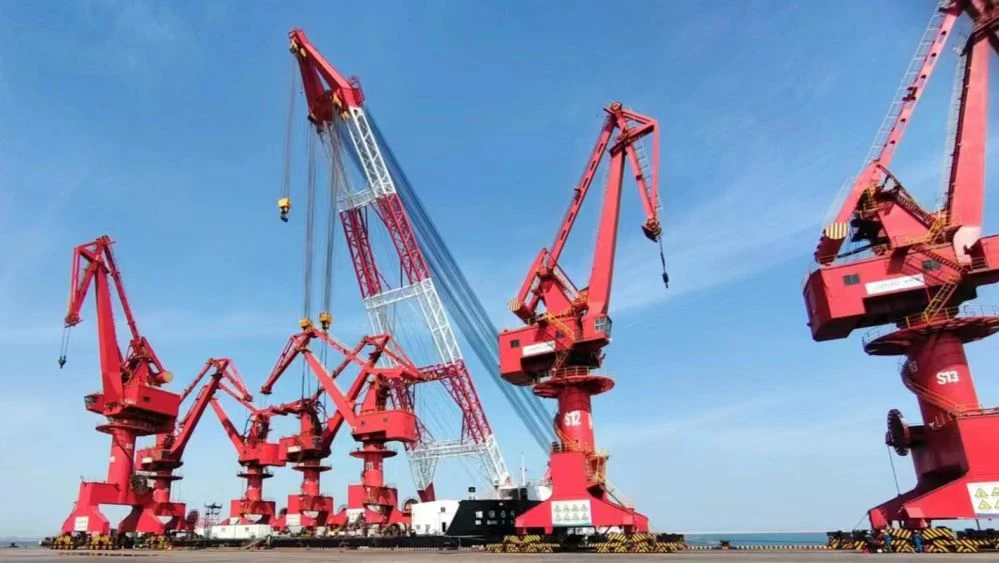
Ports work better after crane upgrades. At Antigua and Barbuda Port, a new crane could reach more containers. It went from nine to fourteen containers wide. This helped the port handle bigger ships with more lifting power. Many smart ports use automation and move many containers at once. These changes make loading and unloading faster. You can move more cargo in less time. Terminal productivity goes up. Modern terminals with advanced cargo systems see ships leave faster. Crane productivity also gets better.
Advanced features: predictive maintenance, energy efficiency
Predictive maintenance keeps cranes working well. Sensors check vibration, temperature, and power use. Real-time data helps you find problems early. This stops downtime and saves money on repairs. Throughput stays high. Energy-saving upgrades like variable-frequency drives and regenerative systems cut energy bills. The table below shows how these features help you save money and protect nature:
|
Upgrade Type |
Benefit |
|---|---|
|
Variable-frequency drives |
Use less energy and start smoothly |
|
Regenerative systems |
Save energy when braking |
|
Intelligent standby modes |
Use less power when not working |
Customization and marine durability
You can change cranes to fit your terminal. Choices include drive retrofitting, control system upgrades, and new HMIs. You can also change lift height and span. Marine cargo systems use special coatings and seals to stop rust. These features make equipment last longer and need less fixing. Marine-grade durability means cranes work well in salty air. Smart ports use these upgrades to keep cargo moving and costs low.
You can make ships leave the port faster with CEGC’s port crane hoist upgrades. These upgrades also help keep workers safe. Automation and predictive maintenance help you spend less money in the long run.
-
Many ports save as much as $600,000 every year by using predictive maintenance.
-
Smart sensors help cranes work more and stop working less, cutting downtime by 35%.
Think about using CEGC’s solutions that you can change to fit your needs for better terminal efficiency that lasts.
FAQ
How do CEGC hoist upgrades help you save time at your port?
You can move cargo faster and wait less. Upgrades like anti-sway systems and automation help you finish jobs quickly. This means ships spend less time at the port.
Can you use CEGC upgrades on old cranes?
Yes, you can add CEGC upgrades to most old cranes. This works for container cranes, cargo cranes, and container handling equipment. You do not need to buy new machines to get better performance.
What makes CEGC hoist upgrades safe for your team?
CEGC uses many safety systems together. You get overload protection, emergency stops, and clear alarms. These features help stop accidents and keep workers safe.


