
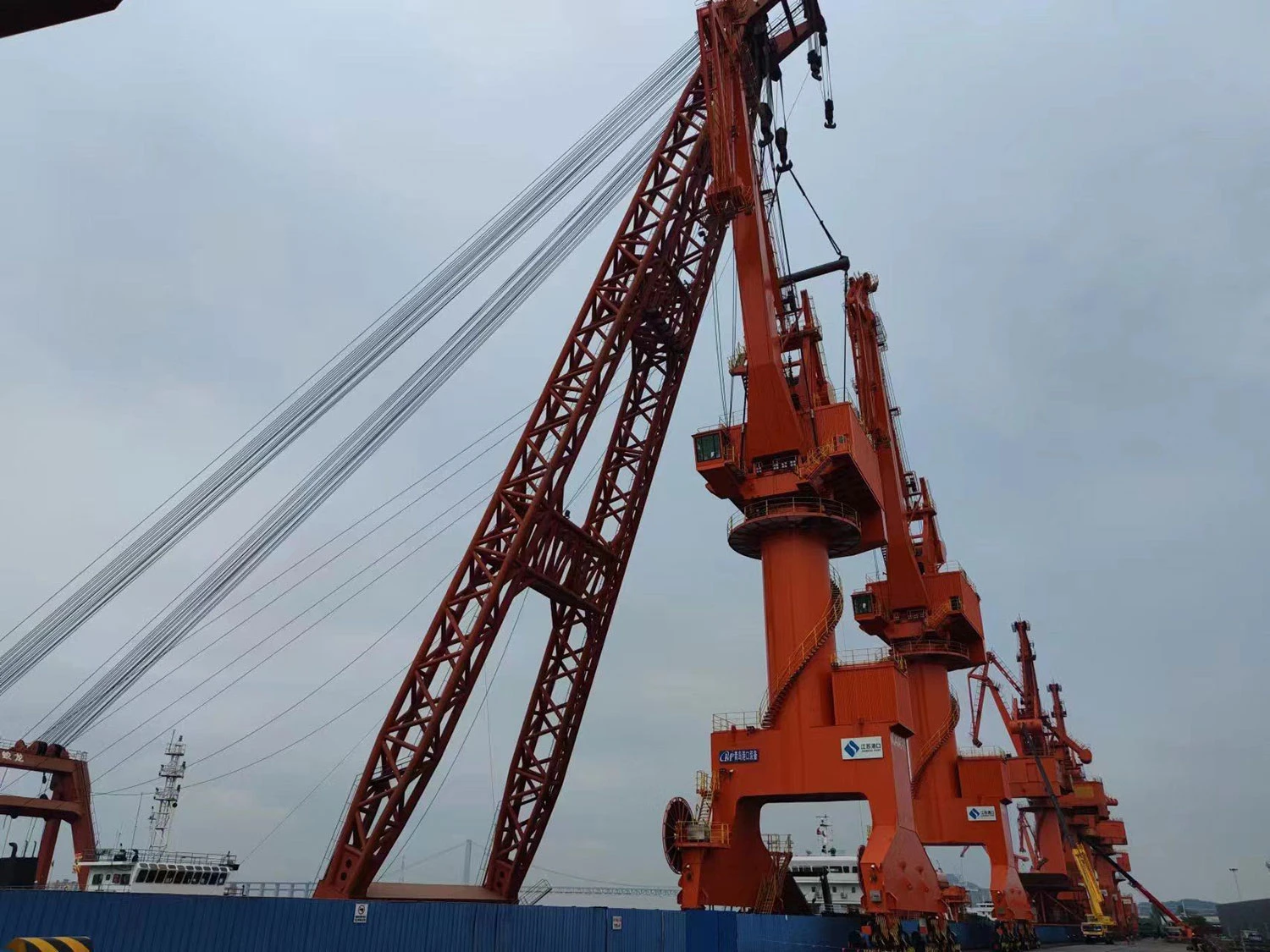
You face significant challenges in port operations, such as load sway, collision risks, and inefficiencies. CEGC’s portal crane: path planning reduces end-stop hits, enhancing crane maneuverability and minimizing accidents. Additionally, many ports encounter high upgrade costs, resistance to change from personnel, and concerns about the safety of new technology implementations.
Key Takeaways
-
Path planning models make cranes safer by stopping end-stop hits. This means there are fewer accidents and less damage to equipment.
-
Dynamic path planning lets cranes change their routes right away. This helps them work better and lowers the chance of crashes.
-
Using path planning technology can help save energy and cut down on costs. This makes port work faster and more efficient.
End-Stop Hits in Portal Cranes
What Are End-Stop Hits?
You may notice that a portal crane moves along a set path, usually on rails. When the crane reaches the end of its allowed travel, it can hit a physical barrier called an end-stop. This event is known as an "end-stop hit." The end-stop acts as a safety device, but frequent impacts can cause problems. You want to avoid these hits because they can damage both the crane and the end-stop.
Tip: Think of an end-stop like a bumper at the end of a bowling lane. If you hit it too often, it wears out and may break.
Why End-Stop Hits Matter
End-stop hits matter for several reasons:
-
Safety: Each hit increases the risk of accidents for your operators and ground staff.
-
Equipment Damage: Repeated impacts can bend rails, crack welds, or damage the crane’s wheels.
-
Downtime: Damaged equipment leads to unexpected stops and costly repairs.
-
Efficiency: When you avoid end-stop hits, you keep your container crane or cargo crane running smoothly.
You want to keep your portal crane in top shape. Reducing end-stop hits helps you achieve this goal.
Common Causes in Container Handling Equipment
Several factors can lead to end-stop hits in your container handling equipment:
-
Load Sway: If the load swings, it becomes harder to stop the crane precisely.
-
Operator Error: Inexperienced operators may misjudge stopping distances.
-
Cycle-Time Pressure: Rushing to finish tasks can cause overshooting.
-
Wind and Weather: Strong winds push the crane or load, making control difficult.
-
Mechanical Issues: Worn brakes or faulty sensors can prevent timely stops.
By understanding these causes, you can take steps to prevent end-stop hits and improve your port operations.
Portal Crane: Path Planning Reduces End-Stop Hits
Path Planning Model for Crane Operations
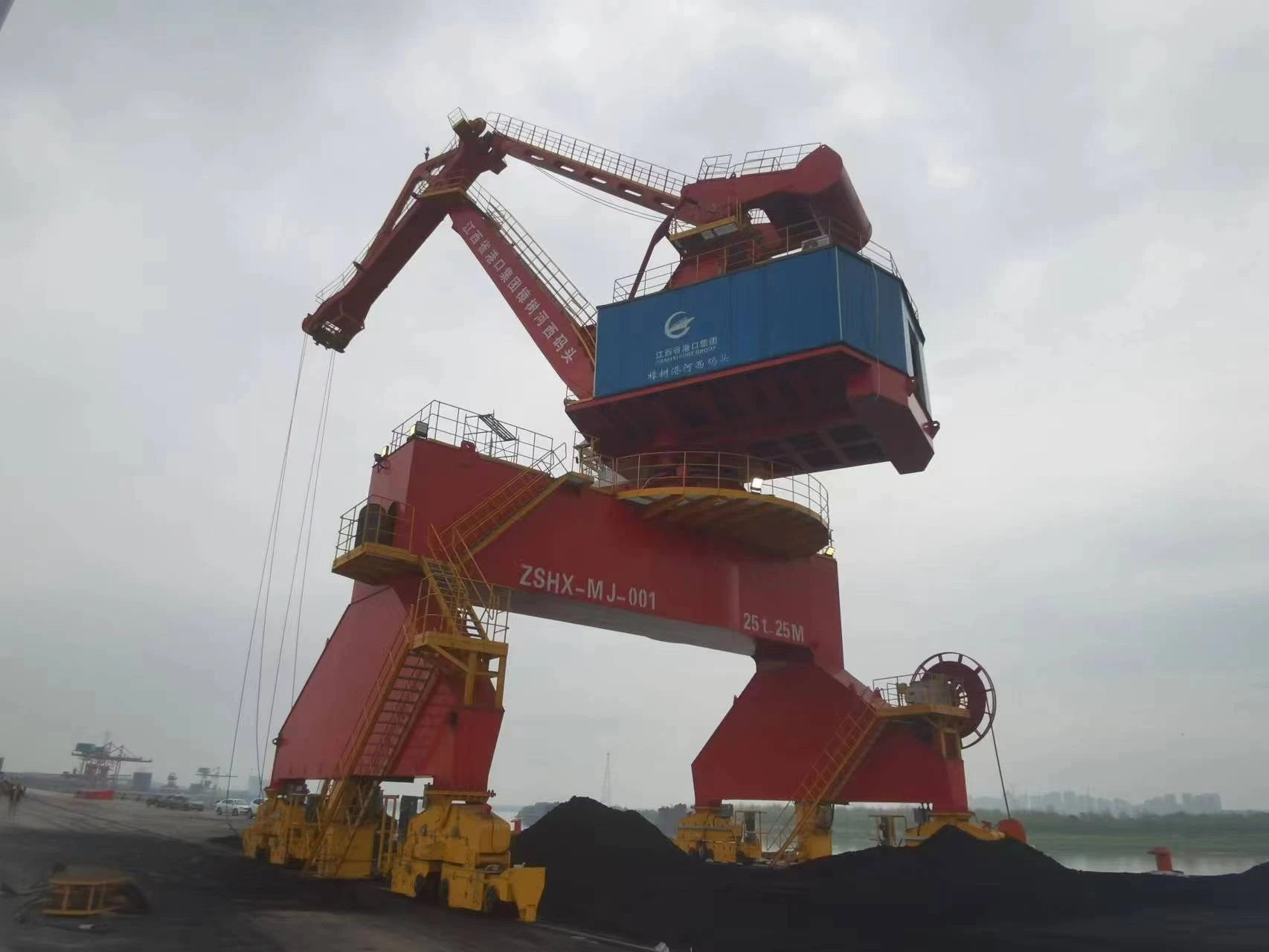
You want your portal crane to move safely and accurately. A path planning model helps by showing the best way for your crane to go. This model looks at where the crane is, how fast it moves, and where obstacles are. It uses smart computer programs to guide your container crane or cargo crane. The crane follows a safe and easy path. You avoid quick stops and lower safety risks. The path planning model also helps with different loads and weather. You can change the model to fit your port’s needs, like span, height, and how often you use the crane. This makes construction safer and keeps your work running well.
Dynamic Path Planning and Collision Avoidance
Dynamic path planning lets your crane change its route right away. You can react to things like moving trucks or shifting containers. This makes your crane safer and helps you work faster. The path planning model uses dynamic path planning to stop end-stop hits and avoid crashes. You get help from computer programs that always look for the best path.
Here is a table comparing common dynamic path planning algorithms:
|
Algorithm |
Path Length |
Avoidance Failures |
|---|---|---|
|
RRT |
High |
Many |
|
APF |
Short |
Moderate |
|
TC-DWA |
Longer |
None |
-
The TC-DWA algorithm always avoids obstacles. You get better safety checks and fewer risks.
-
RRT makes longer paths and has trouble in tricky places.
-
APF finds short paths but sometimes misses moving obstacles.
Dynamic path planning helps your portal crane avoid end-stop hits by changing for new dangers. You see fewer accidents and steady work. The path planning model works with your container handling equipment to keep things safe and smooth.
Real-Time Data and Motion Coordination
You need up-to-date path information to make good choices. The path planning model gathers and shares this data with your team and machines. You can see the crane’s spot, speed, and load at any time. This real-time path information helps with dynamic path planning and safety checks. You can find safety problems before they get worse.
Motion coordination is important for getting work done. The path planning model matches the hoist, trolley, and gantry. You do not waste moves and keep your work on time. Machines use real-time path information to change speeds and routes. You get smoother work and fewer slowdowns. This also helps with construction safety by lowering mistakes.
Practical Benefits: Safety, Efficiency, Maintenance
You want to make things safer and get more done. The portal crane: path planning reduces end-stop hits by using dynamic path planning and safety checks. You see fewer accidents and less damage to equipment. The path planning model helps you skip expensive repairs and stops.
-
Path planning technology makes work better. You get more done and finish jobs faster.
-
Machines help use resources well. You move more containers with less waiting.
-
You save energy and spend less money. One terminal used 20% less energy and moved 15% more containers.
-
Better schedules and rules cut costs by 12%.
Safety interlocks keep your crane safe from mistakes. They stop unsafe moves and hold the load still when needed. This gives you safe and steady work cycles.
You can change your portal crane, container gantry crane, or ship crane to meet market standards. You can add anti-sway controls, overload protection, and emergency stop logic. You also get safety checks and tools to spot problems early. These help you manage risks and keep your equipment working well.
CEGC Case Example: Reducing End-Stop Hits
You want to know if portal crane: path planning really reduces end-stop hits. CEGC worked with a busy deepsea container terminal. The team used a path planning model with dynamic path planning and safety checks. Operators saw fewer end-stop hits and less wear on equipment. The terminal finished jobs faster and worked better. Energy use went down, and repair costs dropped. You can get the same results with CEGC’s custom solutions for your container handling equipment.
The path planning model and dynamic path planning work together to make things safer and more productive. You get steady work, lower costs, and safer jobs. CEGC offers custom plans for size, automation, and anti-corrosion. You can count on CEGC to give you what your port needs.
You make your port safer and faster with CEGC’s portal crane path planning. Path planning models help machines avoid problems 3.11% better.
-
You have less time when machines are not working and pay less for repairs.
-
You get help from tools that predict problems and last longer in the sea.
|
Phase |
Description |
|---|---|
|
1 |
You control the crane from far away using cameras and joysticks. |
|
2 |
Some jobs use computers to help see and guide the crane. |
|
3 |
Computers do all the work and control the crane by themselves. |
You can pick CEGC’s special plans for your container handling and ship loading systems.
FAQ
What is an end-stop hit in a portal crane?
An end-stop hit happens when the crane bumps into the barrier at the track’s end. This can break parts and stop work.
How does path planning help reduce accidents?
Path planning shows the crane where to go safely. It helps the crane miss obstacles and not hit end-stops or other machines.
Can you customize CEGC’s portal crane solutions?
-
Yes, you can pick:
-
Capacity
-
Span and height
-
Duty cycle
-
Power solution
-
Automation level
-
Anti-corrosion grade
-


