
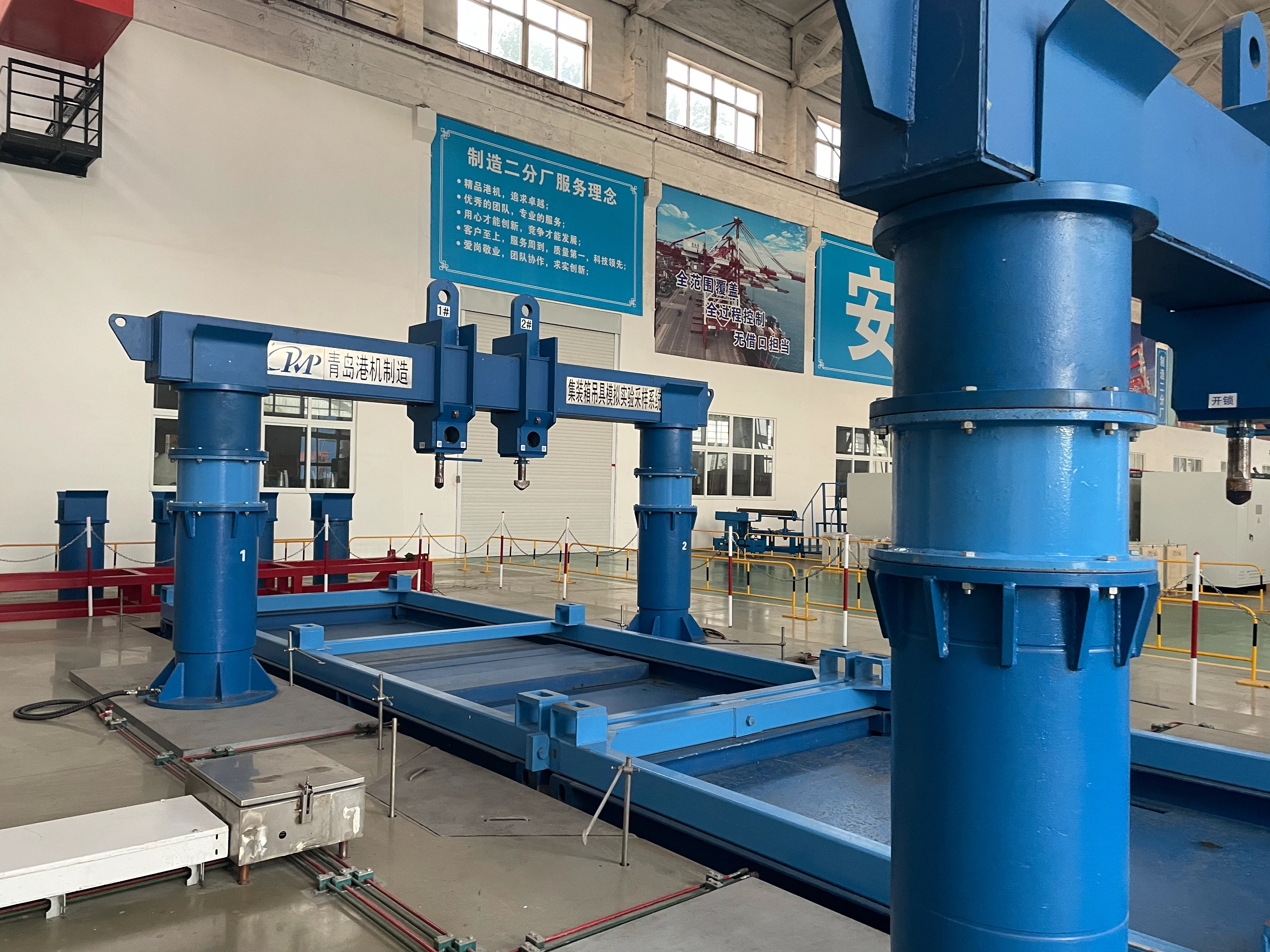
You face many problems with portal crane: position stability on long spans. Portal crane operators often see the load swing because of too much weight, strong wind, or pulling from the side. Portal crane: position stability on long spans also has trouble from broken parts and stress. Portal crane: position stability on long spans depends on hoisting machinery and CEGC engineering. Other things that make it unstable are distractions and unsafe places. The hoisting system gets more unstable when portal crane: position stability on long spans is not controlled. Portal crane: position stability on long spans needs clear answers. Portal crane: position stability on long spans changes your results. Portal crane: position stability on long spans needs your attention. Portal crane: position stability on long spans can get better with the right steps.
-
Miscommunication
-
Wrong sling choice
-
Broken parts
-
Bad rigging
-
Side pulling
-
Unsafe places
-
Strong wind
-
Bad lighting
-
Electromagnetic interference
-
Very hot or cold
-
Tiredness
-
Not enough experience
-
Stress
-
Distractions
Key Takeaways
-
Make sure your portal crane has a strong frame and a low center of gravity. This design keeps the crane steady and stops it from swaying when it works. - Use anti-sway technology and motion coordination systems. These features make the crane safer and help it work better. They stop the load from swinging and make wait times shorter. - Check the ground and rails often. The ground should be firm and flat. The rails must be straight and lined up right. This is important for safe and good crane use.
Structural stability in portal crane design
Rigid frame and low center of gravity
You want your portal crane to stay strong and not fall over, even when it covers a long distance. The rigid frame is like the skeleton of the portal crane. It stops the crane from twisting or bending when you lift heavy things. The legs, horizontal members, and cantilevers all help keep the portal crane steady. The legs hold up the weight and deal with the forces moving through the crane. The horizontal member can be a single or double girder. Double girders let you lift the hook higher, which is good for moving containers in busy ports.
A low center of gravity helps your portal crane stay balanced. It keeps the crane from tipping, even when you move loads across a wide area. This gives you better balance and less swaying. You can work faster and safer this way. CEGC makes each portal crane with a strong frame and a low center of gravity. You can pick normal specs or ask for special features to fit your workspace and project.
Here is a table that shows the main parts and how they help your portal crane stay steady:
|
Structural Feature |
Contribution to Stability |
|---|---|
|
Legs |
Bear weight and withstand dynamic forces |
|
Horizontal Member |
Can be single or double girder; double girder allows higher hook heights |
|
Cantilevers |
Extend reach but introduce structural stress that must be managed for stability |
You can also choose stronger structures, smart control systems, and tough materials. CEGC gives special coatings to protect against salty air and bad weather. This keeps your portal crane strong for a long time. You can trust your portal crane to last and work well in any workspace.
Span reinforcement and load capacity
When you use a portal crane for long spans, you need to make the span stronger. Making the span stronger means adding support to the beams or columns. This lets your portal crane carry more weight and work in bigger spaces. You can use steel plates, extra columns, or even new beams. These changes help your portal crane last longer and not get tired out.
You want your portal crane to lift the right amount for your job. Making the span stronger lets you lift heavier things safely. Your portal crane can also handle lifting many times without breaking. This is important in busy ports where you need to move lots of cargo and work in different spaces.
Here is a table that shows how making the span stronger helps your portal crane:
|
Method |
Benefit |
|---|---|
|
Strengthening beams/supports |
|
|
Steel plate reinforcement |
Improves structural integrity and fatigue resistance |
|
Additional columns |
Supports long spans and allows closer crane operation |
|
Full beam replacement |
Long-term solution for operational efficiency and longevity |
You also need to check the ground under your portal crane. The ground should be flat and strong for safe work. Always look at the ground before you start. This keeps your portal crane steady and stops accidents, even if your workspace changes.
Here is a quick guide for ground stability:
|
Recommendation |
Description |
|---|---|
|
Essential for all types of portal cranes |
|
|
Understanding ground conditions |
Critical for safe crane operations on variable terrain |
CEGC lets you pick many options for your portal crane. You can choose stronger frames, smart features like remote control, and coatings for salty places. You can also pick the best control system for your workspace. These choices help your portal crane work better and safer.
Tip: Always make sure your portal crane’s span strength and load limit match your workspace and the cargo you move. This keeps your work safe and smooth.
Position control and safe lifting systems
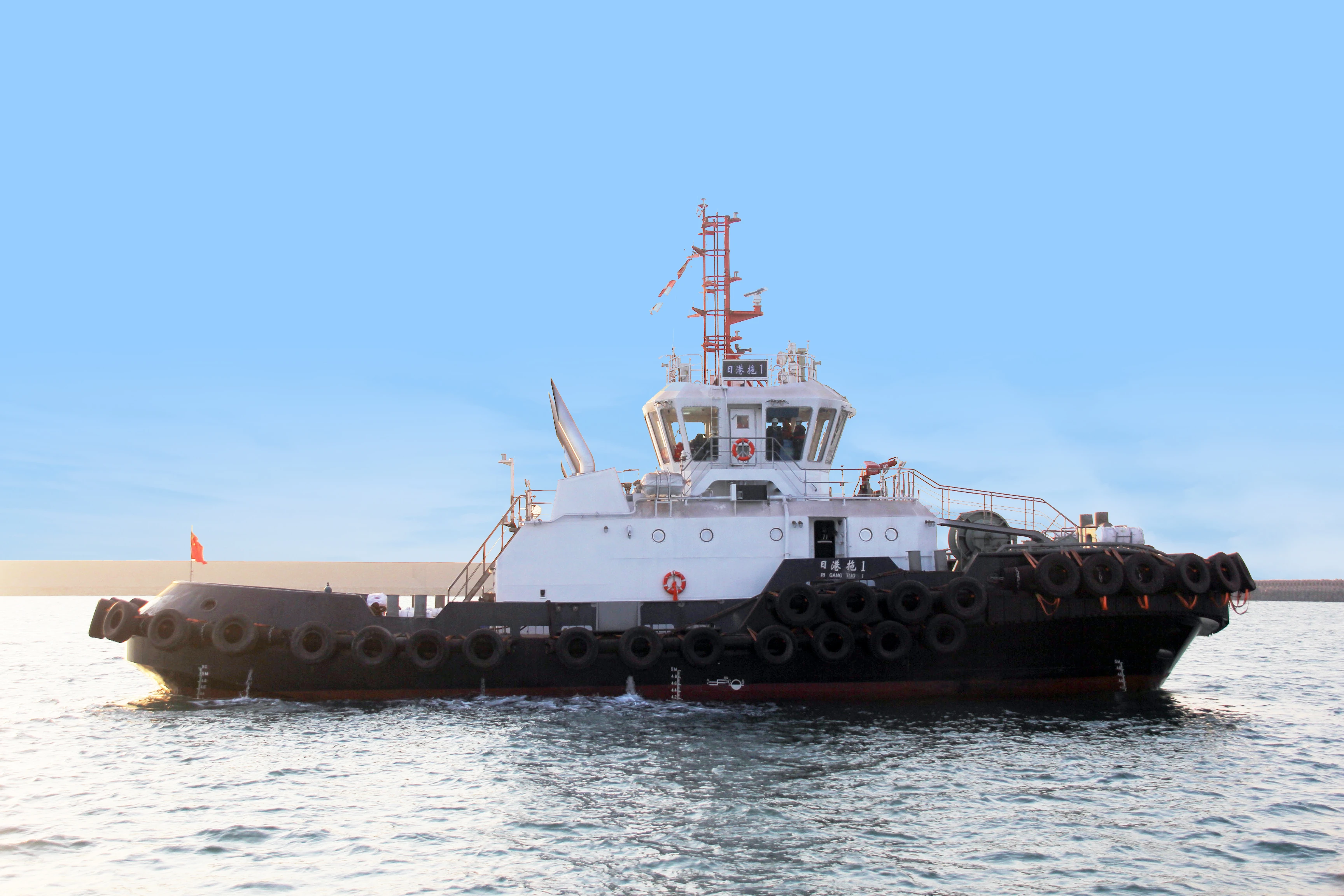
Anti-sway and motion coordination
You want your portal crane to move loads safely. Anti-sway technology helps you do this. It uses sensors to check the rope angle. The system makes quick changes to keep the load steady. This stops the load from swinging or hitting things. You can finish your work faster and safer.
Anti-sway and motion coordination systems help you in many ways:
-
Improved safety: These systems stop the load from swinging. You lower the risk of accidents and crashes.
-
Enhanced efficiency: You spend less time waiting for the load to stop. Your portal crane works faster and moves more cargo each time.
-
Less wear and tear: The portal crane shakes less. The parts last longer, and you save money on repairs.
Variable frequency drives (VFDs) help your portal crane too. VFDs let you control the speed and force. You can start and stop smoothly. This keeps the load steady and stops sudden moves. You can use the keypad to check and change settings. This makes your portal crane easy to use and keeps your work smooth.
You can trust CEGC’s control systems to help you. They use safety interlocks with many layers. These interlocks stop unsafe actions and protect everyone near the portal crane. The HMI shows clear warnings and guides you step by step. You can learn fast and work with confidence.
Tip: Use anti-sway and motion coordination features. This keeps your portal crane safe and efficient every time you work.
Precision rail alignment in hoisting machinery
You need your portal crane to move straight and smooth. Precision rail alignment is important for safe work. If the rails are not lined up, your portal crane can shake or get stuck. Good rail alignment helps your hoisting machinery last longer. It keeps your work on track.
Here is a table that shows why rail alignment matters:
|
Factor |
Importance for Portal Crane Operation |
|---|---|
|
Proper rail and wheel alignment |
Makes the portal crane move safely and easily |
|
Good runway condition |
Helps the crane last longer and work better |
Industry standards set rules for rail alignment. You should check these numbers when you set up or fix your portal crane:
|
Metric Description |
Tolerance |
|---|---|
|
Elevation of rails |
±3/8” above or below |
|
Maximum rate of elevation change |
¼” in 20’-0” |
|
Rail to rail elevation |
±¼” within nominal span |
|
Maximum rate of change of rail to rail elevation |
¼” in 20’-0” |
|
Straightness of rail |
±3/8” on either side |
|
Maximum rate of change of rail straightness |
¼” in 20’-0” |
|
Variation in crane span |
±¼” difference |
|
Maximum rate of change of variation in crane span |
¼” in 20’-0” |
|
Centering of crane rails on runway girders |
Max eccentricity: 3/8” |
You should check your rails often. This keeps your portal crane running well. It helps you finish your work without delays.
Automated load monitoring
You want to know what your portal crane is lifting all the time. Automated load monitoring systems use sensors to check weight, motor temperature, and part wear. These systems give you real-time data. You can see if your portal crane is working safely and within its limits.
Here is a table that shows what automated load monitoring can do for you:
|
Feature |
Description |
|---|---|
|
Real-Time Monitoring |
Sensors check load weight, motor temperature, and part wear. |
|
Predictive Analytics |
AI tools find problems early. You can fix things before they break. |
|
Enhanced Safety Systems |
These systems help stop accidents and keep your team safe. |
|
Operator Assistance |
Features like sway control and smart load checks help you avoid mistakes. |
CEGC’s control systems include predictive maintenance. Sensors watch the portal crane’s health. They check temperature, vibration, and electrical levels. You get early alerts if something is wrong. This helps you fix problems before your portal crane stops. Predictive maintenance can cut downtime by 15–20%. You keep your portal crane working every time.
Note: Automated load monitoring and predictive maintenance help you keep your portal crane safe, efficient, and ready for every job.
You can rely on CEGC’s portal crane solutions for strong position control, safe lifting, and smart control systems. These features help you handle every job with confidence, no matter how tough it is.
Environmental adaptation and maintenance
Wind and weather compensation
You face many challenges when you use a portal crane outdoors. Wind, rain, and temperature changes can affect how your portal crane works. High winds can make the portal crane sway or stop it from working safely. You need real-time wind monitoring to keep your portal crane safe. Systems like WINDCRANE™ give you live data on wind speed and direction. You get alerts when the wind is too strong. This helps you decide when to stop or start your portal crane. You keep your team safe and avoid accidents.
Weather can also cause rust and damage. Salt, rain, and snow can wear down your portal crane. You need special coatings and regular checks to protect your portal crane from corrosion. CEGC offers marine-grade anti-corrosion systems. These systems keep your portal crane strong, even in tough weather. You also need to check the ground under your portal crane. Firm, level ground keeps your portal crane steady and safe.
Here is a table that shows how the environment can affect your portal crane:
|
Environmental Factor |
Impact on Stability and Maintenance Requirements |
|---|---|
|
Temperature Extremes |
High heat can damage parts. Cold can make metal shrink and oil thick. |
|
Wind Speed |
Strong wind needs a strong portal crane frame and smart design. |
|
Exposure to Corrosive Substances |
Rain and salt cause rust. You need coatings and checks to keep your portal crane working. |
|
Operational Environment |
Each place needs special portal crane features for safety and reliability. |
Real-time stability sensors
You want your portal crane to stay safe and work well every day. Real-time stability sensors help you do this. These sensors check the portal crane’s balance, load, and movement all the time. If something is wrong, you get an alert right away. You can stop the portal crane and fix the problem before it gets worse.
Remote diagnostics support from CEGC lets you check your portal crane from anywhere. You can find problems early and fix them fast. This means less downtime and lower costs. You do not need to send a service team every time. You get help from experts when you need it.
You also save energy with your portal crane. CEGC uses smart drives and standby modes. These features help your portal crane use less power. You spend less money and help the environment.
Here are some benefits of remote diagnostics for your portal crane:
-
You reduce downtime because you find problems early.
-
You keep your portal crane safe with constant checks.
-
You plan maintenance before something breaks.
-
You spend less on repairs.
-
You make better choices with good data.
Tip: Use real-time sensors and remote support to keep your portal crane safe, strong, and ready for any job.
You make your portal crane more stable by using strong frames. Advanced controls and smart sensors help too. Anti-sway features stop the load from swinging. Predictive maintenance finds problems early. This saves money and time. You need to pick the right load capacity for your job. Check this table to help you choose your portal crane:
|
Key Area |
What to Check |
|---|---|
|
Load capacity |
Match your cargo and safety margin |
|
Control systems |
Look for anti-sway and automation |
|
Customization |
Pick specs for your site and workflow |
-
Real-time monitoring keeps your portal crane safe.
-
Choosing the right load capacity makes your work faster.
-
CEGC’s options help you get better results.
FAQ
What is the main benefit of using a portal crane for container handling?
You get fast, stable lifting and precise movement. A portal crane helps you handle heavy loads safely in busy ports or large workspaces.
How do you keep a portal crane stable during strong winds?
You use real-time wind sensors and smart control systems. These features help you stop or adjust the portal crane when wind speeds rise.
Can you customize a portal crane for special projects?
Yes. You can choose frame strength, anti-corrosion coatings, and control options. This lets you match your portal crane to your site needs.


