
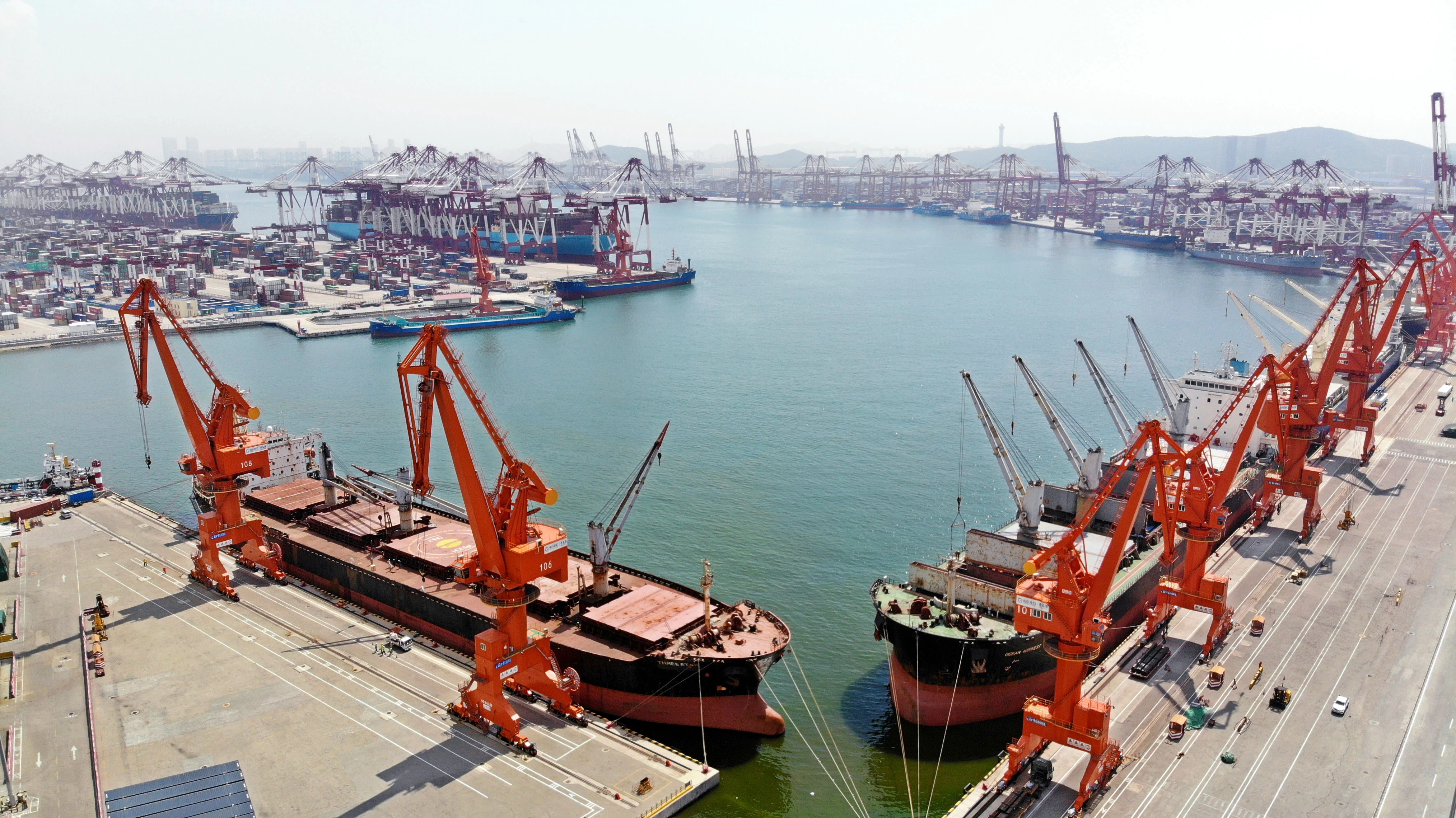
You can see how CEGC uses smart controls and automation. These help you move containers quickly and correctly. Anti-sway systems keep cargo steady. This stops accidents and lets you move more containers each hour. Cargo crane: precision without slowing throughput is possible with these smart tools.
Key Takeaways
-
Automation in cargo cranes makes work faster and cuts down mistakes. This lets workers spend more time making choices.
-
Anti-sway systems make things safer and help work go smoother. They stop loads from swinging too much. This means cargo can be moved faster and more correctly.
-
Real-time tracking and workflow integration help terminals work better. They cut down on waiting and help people talk to each other more easily.
Key Technologies for Cargo Handling Efficiency
Advanced Automation in Container Cranes
Automation is changing how container cranes work at ports. It means people do not have to control everything by hand. This makes things go faster and there are fewer mistakes. Automated systems help workers do less and make fewer errors. Cranes become safer and work better. Artificial intelligence gives operators easy-to-read graphics and safety warnings. Workers spend less time doing things by hand. They can focus on making smart choices. Automation keeps the cranes working smoothly and cuts down on stops. You can pick how much automation you want. You can also choose which sensors and safety tools you need. At the Port of Singapore, automated cranes work 30% better and use 20% less energy. There are also fewer accidents and cranes can work all day and night, even when it is hard to see.
Anti-Sway and Safe Lifting Control
Load sway and lifting safety are problems you face every day. Anti-sway systems help fix these problems. These systems stop loads from swinging. This saves time and helps move cargo better. New electrical controls and computer programs make crane moves smooth and steady. Anti-sway systems cut swinging by at least 95%. The sway angle stays under 0.2 degrees. This means you can put cargo in the right spot and lift it safely. Ports using these systems work 14% to 22% better. Equipment lasts longer and costs drop by up to 18%. Anti-swing controls make cranes safer. They protect cargo and keep workers safe. You can pick between assisted and active anti-sway systems. Assisted systems watch hooks and loads and help workers react fast. Active force control uses sensors to control sway, even if things change. You move loads faster and more accurately. You can pick sensors, safety zones, and backup systems to fit your terminal.
-
Anti-sway systems stop loads from swinging and save time.
-
They make handling cargo safer and more efficient.
-
New electrical controls help fix crane load swing problems.
-
Programmable controllers and speed controls make work faster.
-
Anti-sway systems cut swinging by at least 95% and keep sway small.
-
Automatic controls make placing cargo more accurate.
-
Ports using anti-sway systems work 14% to 22% better than manual ones.
-
Equipment lasts longer and costs go down by up to 18%.
-
Anti-swing controls make crane work much safer.
-
There is less risk of cargo damage and worker injury.
|
Technology Type |
Features |
Effectiveness |
|---|---|---|
|
Assisted (AI Anti-Sway) |
Watches hooks and loads, helps workers react fast, uses smart brakes |
Stops accidents, keeps loads steady, helps workers feel confident |
|
Active (Active Force Control) |
Uses sensors for exact control |
Controls sway well, works even when things change |
Motion Coordination and Workflow Integration
You want your terminal to work well. Motion coordination helps you reach this goal. Crane systems move hoists, trolleys, and gantries together. This cuts wasted trips and stops. You get faster cycles and steady cargo movement. Workflow integration links crane work with other terminal jobs. You can track containers live and manage trucks and slots to stop traffic jams. Digital tools let you share cargo updates with airlines, customs, and forwarders. There are fewer delays and rules are followed better. Real-time portals show what is happening and help you decide fast. You can run exports and imports all day and night, keeping things moving.
|
Feature |
Benefit |
|---|---|
|
Makes talking to airlines, customs, and forwarders easier |
|
|
Slot and Truck Management |
Moves trucks better and cuts down on waiting |
|
Online Visibility Portal |
Lets you track things live and make quick choices |
|
24/7 Export and Import Operations |
Keeps things going all the time for global needs |
-
Accuracy and rule-following get better.
-
Real-time tracking and updates help everyone.
-
There are fewer delays and mix-ups in the supply chain.
Safety interlocks keep cranes safe from too much weight and crashes. Limit switches, emergency stops, and zone safety keep equipment safe. Operator screens show clear alarms and updates. Workers learn faster and work better. Automation and help systems make work less tiring. Workers can focus on watching alerts and managing them. Training helps workers know when to step in and take control. Safety and terminal work get better when you train your team.
You can pick crane features for your project. Choose sensors, automation, and safety backups to fit your needs. You get good performance and can change things as you need.
Optimizing Throughput and Lifecycle Performance
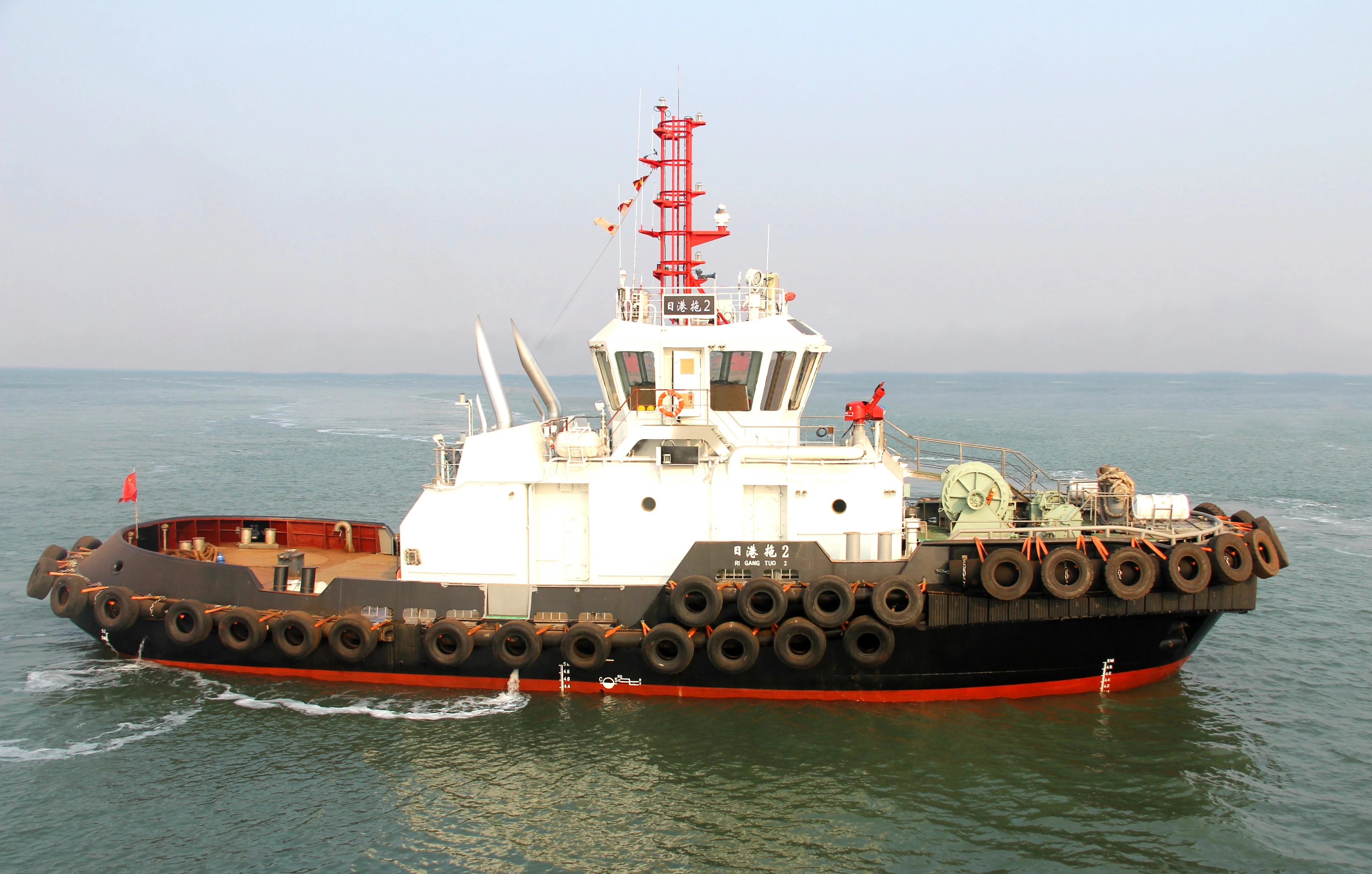
High-Throughput Motion and Cycle-Time Optimization
You want your terminal to be fast and smooth. If throughput is not steady, cargo handling slows down and costs go up. Busy ports like the Panama Canal get crowded. This causes delays and makes terminals less productive. When trucks do not arrive in order, containers get moved around more. This makes trucks wait longer to leave. Not having enough skilled workers makes it hard to use advanced crane systems.
You can make loading and unloading faster with high-throughput motion plans. CEGC cranes use smart control systems. These systems help hoists, trolleys, and gantries move together. This means fewer wasted trips and quicker cycles. Parallel processing lets you move many containers at once. Each crane can load or unload 25 to 40 containers every hour. Ships do not have to wait as long at the dock. This gives you better productivity and faster work.
|
Strategy |
Impact on Throughput |
|---|---|
|
Loading/unloading rates |
25–40 containers per hour per crane |
|
Vessel berthing times |
Reduced, allowing more ship calls |
|
Parallel processing operations |
Multiple containers handled simultaneously |
|
Overall vessel turnaround |
Reduced from days to hours |
Automated planning and scheduling help match crane speed to cargo flow. Speed profiles based on load help stop swings and keep cycles short. If a container swings, the trolley must stop and wait for it to steady. Fast changes in crane speed make swings worse and slow things down. Using the right speed profiles stops these problems and helps work go better.
|
Evidence Description |
Impact on Cycle Time and Throughput |
|---|---|
|
If a container is swinging, the trolley must pause and wait for the load to stabilize before lowering. |
This directly reduces handling efficiency and extends cycle time, negatively affecting overall throughput. |
|
Abrupt changes in trolley speed are the most common cause of swing. |
Rapid starts or stops introduce horizontal forces that set the load into oscillation, leading to inefficiencies. |
|
Improper Speed Profiles can amplify swing. |
Fixed-speed or poorly tuned variable-speed systems can exacerbate load swing, particularly when not coordinated with hoisting height. |
Smart container recognition and automated positioning help put containers in the right spot. Real-time data helps you track cargo and manage work. CEGC cranes let you pick duty cycles, speed levels, and interface needs. You get better crane performance and more efficient cargo crane: precision without slowing throughput.
Marine Durability and Predictive Maintenance
Saltwater and moisture can make cranes rust. Rust makes metal parts weak and can cause them to break. You need strong protection for your equipment. CEGC cranes use special coatings, stainless steel parts, and sealed joints. Cathodic protection stops rust in open spots. Regular maintenance keeps coatings fresh and parts strong.
|
Solution Type |
Description |
|---|---|
|
Protects cranes from salt, humidity, and rust, ensuring reliability in harsh port conditions. |
|
|
Predictive maintenance |
Utilizes data analytics to identify potential issues before they occur, reducing unexpected downtime. |
|
Smart monitoring systems |
Provides early warnings about damage and wear, allowing for timely repairs and maintenance. |
Rust can hurt how well cranes work. Special coatings and sealed joints keep cranes strong and working well. You can pick the right anti-rust level and maintenance plan for your port. Custom plans match what your cranes really need. Planning for upgrades in the middle of a crane’s life cuts down on lost time. Checking cranes often helps you know their condition. Adding new features to old cranes makes them work better and follow rules.
Predictive maintenance uses smart systems to check crane health. Condition monitoring watches temperature, shaking, and electrical parts. You get alerts right away if something is wrong. Technicians can check problems from far away. Predictive maintenance means less downtime and saves money. Studies show you can cut maintenance costs by up to 30%. AI can save another 10% each year. You avoid surprise repairs and keep cargo moving.
|
Evidence Description |
Key Insight |
|---|---|
|
Intelligent fault detection and predictive maintenance of terminal equipment can help reduce unplanned maintenance activities. |
Predictive maintenance provides real-time knowledge of equipment health, preventing unnecessary maintenance and unexpected failures. |
|
An efficient prediction of faults in SCs will help to enhance their performance and reduce the downtime of machines. |
By predicting faults, maintenance can be scheduled proactively, thus minimizing downtime. |
|
The foundation of the proposed predictive maintenance approach integrates IoT technologies, big data, and machine learning models. |
This integration addresses technical challenges and enhances operational efficiency in port machinery. |
|
Customization Option |
Description |
|---|---|
|
Protective Coatings |
Epoxy-based marine-grade coatings shield against salt and moisture. |
|
Stainless Steel Components |
Stainless steel parts reduce rust-related failures. |
|
Cathodic Protection |
Sacrificial anodes or ICCP systems prevent corrosion in exposed areas. |
|
Regular Maintenance Cycles |
Easy access to inspection points encourages timely maintenance and reapplication of coatings. |
Energy Efficiency and Remote Diagnostics
You want cranes to use less energy and help the planet. Electrification cuts down on pollution and noise. Hybrid systems and energy-saving tech use less power. Smart transport systems, like driverless trucks and Automated Guided Vehicles, make work smoother and cut traffic. AI helps manage charging and energy use. Using solar, wind, and batteries keeps costs steady and helps the environment.
-
Electrification lowers greenhouse gas emissions.
-
Advanced energy transmission systems support sustainability goals.
-
Cold ironing lets ships connect to shore power, cutting emissions while docked.
-
Hybrid systems reduce emissions with minimal infrastructure changes.
-
Hydrogen fuel cells are tested for high loads and long cycles.
Remote diagnostics give you alerts if crane conditions are not safe. Technicians can find problems without being there. Maintenance systems make work orders by themselves. Data is always collected to watch stress, motor heat, oil, shaking, and power use. Software checks for problems and sends alerts before things break. You can fix things during planned maintenance.
-
Lower labor costs come from efficient maintenance scheduling.
-
Reduced spare parts inventory means you predict failures accurately.
-
Extended equipment lifespan results from replacing parts only when needed.
-
Predictive maintenance and remote diagnostics can save up to 40% compared to reactive maintenance.
-
Remote operation capabilities minimize travel expenses and improve crane performance.
You can pick what to monitor, alarm levels, power options, and remote access for your site. CEGC cranes help you get precision without slowing throughput with energy-saving designs and smart checks. You get good efficiency, accuracy, and strong container handling. Automated systems and smart container recognition help you reach your green goals. You get loading and unloading speeds that fit your needs and keep your terminal working well.
Tip: Pick CEGC cranes for cargo crane: precision without slowing throughput. You get faster cycles, strong performance, and save money for a long time.
You get more from CEGC cargo cranes because they use smart tools, safety parts, and special choices. These cranes help you fix big problems like load sway, slow work, and rust.
-
Real-time checks and smart data tools keep your cranes running.
-
Custom plans fit your port’s needs better than regular ones.
Pick cranes that make work faster, use automation, and help you reach green goals.
FAQ
How do CEGC anti-sway systems help you move cargo safely?
Anti-sway systems keep loads from swinging. You can put containers in the right spot. This helps stop accidents and keeps workers safe.
Can you customize CEGC cranes for your port’s needs?
Yes!
-
You can pick how much automation you want
-
You can choose which safety features you need
-
You can select coatings for tough weather
What makes CEGC cranes easy to maintain?
|
Feature |
Benefit |
|---|---|
|
Smart monitoring |
Gives you early warnings about problems |
|
Easy access |
Lets you fix things quickly |
|
Remote checks |
Means less time when cranes are not working |


