
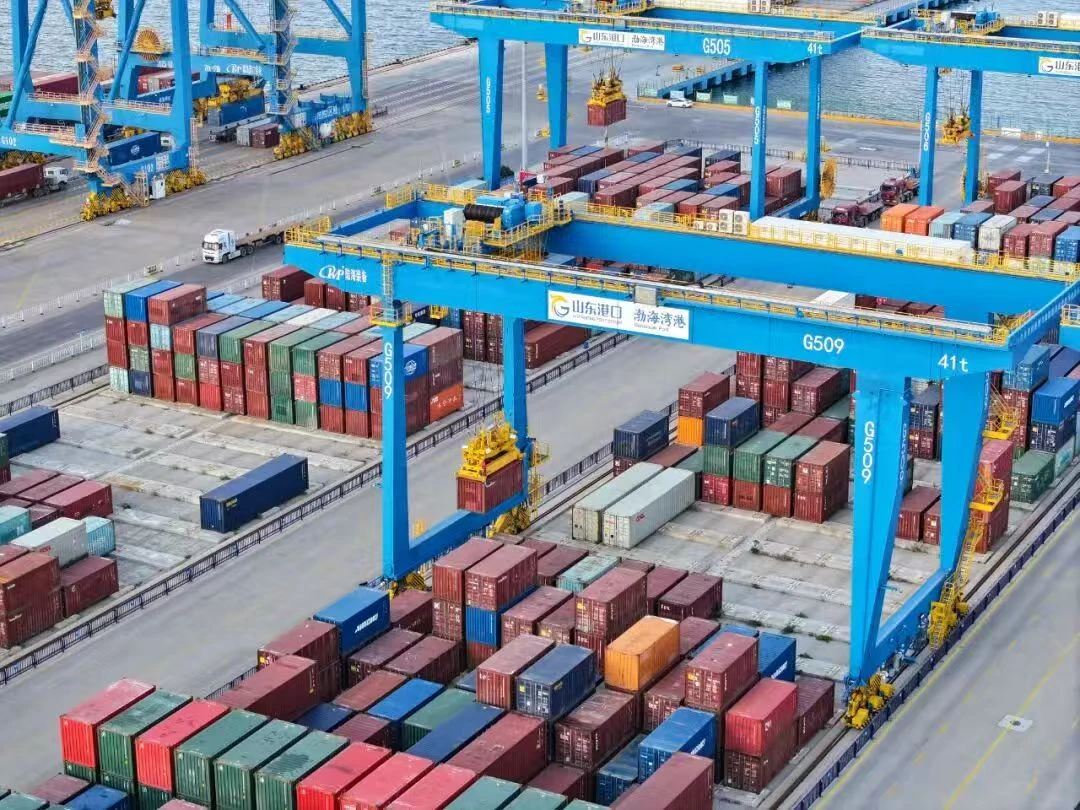
When operating a portal crane, sway suppression in poor visibility is essential for maintaining safety and productivity at your port. CEGC’s advanced portal crane solutions are designed to address these challenges, especially when visibility is compromised. With smart anti-sway controls and integrated safety systems, CEGC ensures your operations remain secure and efficient, even in difficult conditions. Our portal crane: sway suppression in poor visibility technology meets market-standard specifications and can be customized to fit your unique safety and operational needs.
-
Enhanced safety features reduce the risk of accidents.
-
Improved efficiency allows you to maximize throughput.
|
Feature |
Description |
|---|---|
|
Anti-sway |
Intelligent control systems minimize load swing, enabling precise lifting even in low visibility. |
|
Safety Systems |
Includes overload limiters, anti-collision technology, travel limit switches, and emergency stop functions. |
Key Takeaways
-
Portal cranes with anti-sway technology make work safer. They help stop the load from swinging. This is very helpful when you cannot see well.
-
Smart safety systems help you work better. They let you finish jobs up to 40% faster.
-
Check your portal crane's anti-sway and safety features often. Change them to fit your port's needs. This helps your crane work its best.
Portal crane: sway suppression in poor visibility
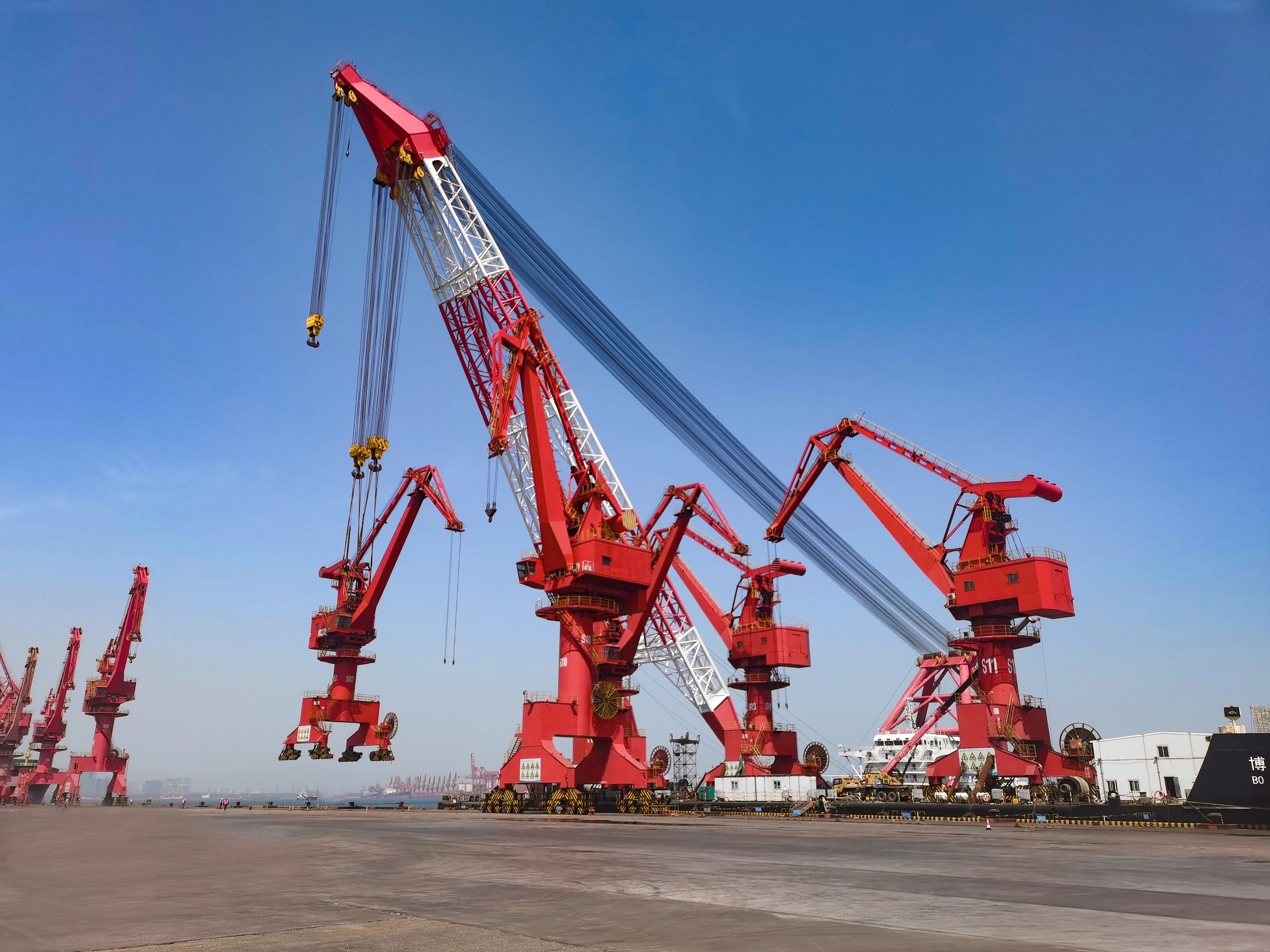
Sway risks in low visibility
There are many dangers when using a portal crane in bad weather. Portal crane: sway suppression in poor visibility is very important when fog, rain, or darkness make it hard to see. The load can start to swing more because you cannot see it well. It is tough to know where the hook or container is. Wind or quick stops can make the portal crane sway even more. You must move the load carefully to keep people safe. Portal crane: sway suppression in poor visibility helps lower these dangers. The anti-sway system keeps the load steady for you. This system works even if you cannot see everything. These safety features help protect your team and your cargo.
Collision and efficiency challenges
You also need to worry about crashes and wasting time. Portal crane: sway suppression in poor visibility helps stop accidents with other machines or containers. If you cannot see well, you might move slower. This makes the whole job take longer. You want your portal crane to be quick and safe. The safety systems warn you if something is in the way. The operator hears alarms and sees signals. This helps the work go smoothly. Portal crane: sway suppression in poor visibility also helps with wind and different skill levels. You get more steady times for each job. You finish work faster and safer. Your portal crane can do a great job in any weather.
Tip: Always check your portal crane’s anti-sway and safety systems before you start working when you cannot see well.
Anti-sway technology and operator solutions
Sensor-based anti-sway systems
You need good technology to keep your portal crane steady when you cannot see well. Sensor-based anti-sway systems help stop the load from swinging too much. These systems use sensors to check the weight, angle, and wind around your portal crane. The sensors send live data to the control system. This data helps the crane move better and keep the load steady.
|
Sensor Type |
Function |
Applications |
|---|---|---|
|
Load measurement sensors |
Track how heavy the load is |
Compression and tension load cells, load pins, pressure transducers |
|
Position and motion sensors |
Watch the boom angle and crane movement |
Boom angle sensors, radius indicators, height limiters, slew monitors |
|
Environmental sensors |
Check wind conditions that affect work |
Wind speed sensors, level indicators, anti-collision systems |
Load sensors tell you how heavy the cargo is. Angle sensors show where the boom is. Wind sensors warn you about strong gusts that can make the load swing. When you use all these sensors together, your portal crane is safer and more stable.
Input shaping controllers are important for sway suppression. They use special moves to stop the load from swinging. Many studies show how these controllers help:
|
Study |
Contribution |
|---|---|
|
Singer et al. |
Made a fixed-period shaper to cut down on swinging |
|
Singhose et al. |
Compared input shapers to fast commands for gantry cranes |
|
Hong et al. |
Improved command shaper for less swinging |
|
Sorensen et al. |
Used input shaper for better positioning and less swing |
|
Stergiopoulos and Tzes |
Made an adaptive input shaper for swinging loads |
|
Garrido et al. |
Used inclinometer to measure swing and help anti-sway control |
Sensor-based anti-sway systems give you faster feedback and better control than old ways. You get steadier movement and less danger. These systems also make your job more interesting and help you pay attention.
Operator aids and HMI
You need the right tools to use a portal crane safely when you cannot see well. Operator aids like good lights and spotters help you see dangers. These tools make your job easier and safer.
A human-machine interface (HMI) shows you what is happening with your portal crane. HMIs display live data and alarms on a screen. You can see the load’s position, wind speed, and warnings. This helps you make quick choices and avoid mistakes.
-
You get live data that helps you work better.
-
Overhead cameras show you the load and area around it.
-
Visual signals and alarms warn you about problems.
You can trust the HMI to help you with each step. The system gives you alarms and signals if something is wrong. Electronic load capacity systems stop the crane if you try to lift too much. Automated lockouts and alarms stop you from moving the crane into unsafe spots. These features help you follow safety rules and stop accidents.
|
Evidence Type |
Description |
|---|---|
|
Electronic Load Capacity Systems |
Stop cranes from working past safe limits, lowering overload risks |
|
Automated Lockouts and Alarms |
Block crane movement when limits are passed, making work safer |
|
Monitoring Capabilities |
Give operators better control when moving loads, lowering risks |
You also get help from warning lights, horns, and limit switches. These devices keep you and your team safe every day.
Real-time monitoring and automation
Real-time monitoring lets your portal crane change right away. The system uses sensors and smart controls to watch every move. If the load starts to swing, the crane changes speed or path fast. This keeps the load steady and lowers accident risks.
The anti-sway system works when lifting, moving, and placing. It uses live data to make quick changes. You get a steady load and a safer work area. Real-time monitoring also helps you find problems before they get worse.
Portal cranes now have different automation levels. You can pick manual, semi-automatic, or full automation. Each level gives you more control and safety.
|
Operation Mode |
Features |
|---|---|
|
Manual |
Operator moves the crane directly. |
|
Semi-Automatic |
Operator helps with some automation for better work. |
|
Fully Automated |
Full automation with smart anti-sway control. |
|
Intelligent Systems |
Has features like positioning, path tracking, and safety steps. |
|
Anti-Sway Algorithm |
Changes crane tip speed to cut sway by 10%-15%. |
CEGC can make anti-sway systems and safety locks just for your port machines. You can ask for special features to fit your needs. Smart anti-sway technology helps your portal crane move smoothly and safely. This can make your jobs 30% faster or more. You get better work and higher safety every time. CEGC also has automation-ready options, so you can upgrade your portal crane later.
Note: Pick the right automation level for your portal crane to match your work and safety needs.
Safety and efficiency benefits
Enhanced safety and collision prevention
You want your portal crane to keep people and cargo safe. Anti-sway and monitoring systems help you do this. These systems lower accident risks by keeping the load steady. They stop the load from swinging suddenly. When you use a portal crane with smart safety features, you see fewer crashes. There is less damage to containers and equipment. At Rotterdam Port, semi-autonomous cranes cut accidents by more than 40%. You also get a better safety record. This brings more clients and helps you save on insurance. The table below shows some big improvements:
|
Safety Improvement |
Impact |
|---|---|
|
Improved project delivery reliability |
Predictable portal crane availability and fewer delays |
|
Enhanced safety reputation |
Attracts premium clients and projects |
|
Reduced insurance premiums |
Saves $35,000+ per fleet each year |
|
Increased operational efficiency |
Streamlined safety steps boost productivity |
|
Better regulatory standing |
Keeps your portal crane in compliance |
|
ROI Analysis |
$275,000+ saved yearly from fewer accidents and better productivity |
|
Strategic Safety Imperative |
92% accident prevention and 75% liability reduction |
Improved cycle time and throughput
A portal crane with anti-sway technology helps you finish jobs faster. Steady loads let you move containers quickly. You do not waste time waiting for the load to stop swinging. This means your operator can work with more confidence and less stress. Smoother moves also protect your portal crane from wear and tear. This lowers repair costs. Studies show anti-sway systems can boost productivity by up to 30%. Cycle times drop because you spend less time stopping sway. Sometimes, this saves up to 30% of each move. Advanced anti-sway features let you pick manual, semi-automatic, or full automation modes. This helps you match your portal crane to your work. You can also add options like soft landing, intelligent rectification, and dynamic deceleration. These upgrades keep your safety high and your work smooth.
Tip: Customizing your portal crane with the right anti-sway and safety features helps you meet market standards and improve your port’s performance.
You can count on a portal crane to help keep your port safe and working well. CEGC models use smart anti-sway systems and tools for operators to control sway when you cannot see well. The table below shows how CEGC portal crane features are better than others:
|
Feature |
CEGC Models |
Competitors |
|---|---|---|
|
Algorithm Performance |
High |
Moderate |
|
System Integration |
Broad |
Limited |
|
Global Service Network |
Strong |
Variable |
|
Turnkey Upgrade Programs |
Yes |
No |
A portal crane with these systems cuts down on swinging, helps you finish jobs faster, and makes the crane last longer. You get better results if you pick a portal crane with special options. Many projects prove that a portal crane with anti-sway makes things safer and more exact. You can trust a portal crane to do hard work, even when it is hard to see.
-
Makes things safer for people and machines
-
Helps you finish jobs 40% faster
-
Makes it easier to put loads in the right spot
-
Lowers the time needed to train operators
A portal crane with the best features lets your team work quickly and safely. You can ask for special solutions to fit your port’s needs. Pick a portal crane that gives you great results every day.
FAQ
How does anti-sway technology help in poor visibility?
The load stays steady and there are fewer accidents. Sensors and smart controls help keep your portal crane safe. These systems also make your work more efficient.
Can you customize CEGC portal cranes for special port needs?
Yes, you can choose custom anti-sway, safety, or automation features. CEGC makes sure your portal crane fits your port’s needs and project plans.
What maintenance does a portal crane anti-sway system need?
You need to check sensors, alarms, and control panels often. Regular checks help your anti-sway system work well. This keeps your team safe.


