
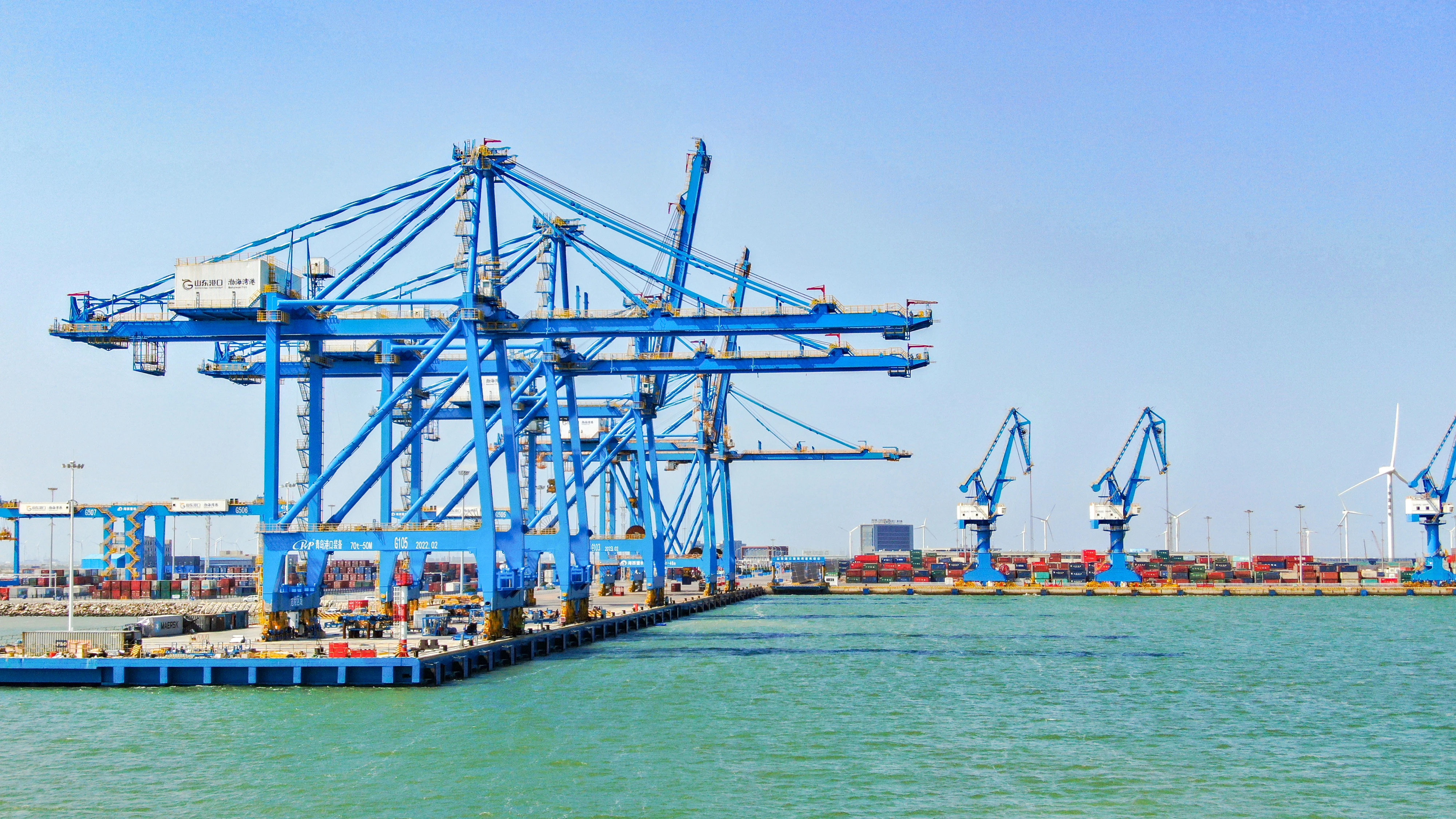
Yes, anti-sway automation is a good idea for ship loading systems: anti-sway automation worth it? Load sway and crashes can be very dangerous. These problems can hurt people and damage equipment. In the last twenty years, maritime accidents increased by 74%. CEGC sells portal cranes, container cranes, and other tools that help mitigate these dangers and are recognized as the best in the market.
|
Region |
|
|---|---|
|
North America |
Remote and semi-automated systems for safety and efficiency |
|
Europe |
Low-emission, fully electric cranes with advanced automation |
|
Asia-Pacific |
Mix of advanced automation and traditional manned operations |
Key Takeaways
-
Anti-sway automation makes things safer. It lowers load sway and collision risks. This helps keep workers and equipment safe.
-
Using anti-sway systems can make work faster. Crane cycle times go down by 12% to 18%. Load positioning mistakes can drop by up to 60%.
-
Buying anti-sway technology can save money in three years. It cuts repair costs and helps ports work better.
Enhanced Safety with Anti-Swing Control
Reducing Load Sway and Collision Risk
Moving heavy loads on ships or at ports can be risky. Loads can swing and make it hard to put cargo in the right spot. This can cause accidents, damage, or hurt people. Anti-swing control systems help keep loads steady, even if there is wind or a sudden stop. These systems lower load sway and help you place things more accurately.
Research shows anti-swing control systems really help. The table below shows how different ways can cut down on sway and make things safer:
|
Study |
Methodology |
Findings |
|---|---|---|
|
Kim et al., 2004 |
Inclinometer as a sway sensor |
Cheap and strong sway control, works as well as vision systems. |
|
Serkan et al., 2021 |
Motor torque control |
Main formula links pulling force to how much the load swings, made to stop swinging. |
|
Ngo & Hong, 2014 |
Sensor-driven control logic |
Gets containers lined up right and stops swinging by using feedback. |
|
Anatolii Shestaka and Lubov Melnikova, 2018 |
Variable frequency drives |
Motor power changes with trolley and cargo weight, helps control sway. |
Using anti-swing control lowers the chance of the load hitting the ship or dock. It also helps you put cargo in the right place, which is important for all kinds of loads. Anti-swing lets you work faster because you do not have to wait for the load to stop moving. You also get less tired since the system helps you control the load, making your job easier and safer.
CEGC’s anti-swing control uses smart motion control technology. This tech cuts down on sway and shaking, so accidents are less likely. The anti-swing algorithm acts fast and stops sway 10% to 15% quicker than old systems. You can add more safety tools like overload protection, limit switches, and emergency stops. These tools help you stay safe and avoid danger.
Operator Consistency and Safe Lifting
Every lift should be safe, no matter who runs the crane. Some operators are better than others, but anti-swing control helps everyone do a good job. The system has a simple screen, so you always know what is happening. Alarms and lights help you act fast if there is a problem.
CEGC’s anti-swing control has many safety locks. These locks use overload protection, emergency stops, and zones to stop crashes. This means you get safe results, even when things get busy or stressful.
Here are some technical features of CEGC’s anti-swing control:
-
Anti-swing systems keep loads steady and make lifts safer.
-
Motion control tech cuts down on sway and shaking, lowering accident risk.
-
The anti-swing algorithm reacts faster, stopping sway 10%-15% quicker.
-
Extra safety options like overload protection, limit switches, and emergency stops.
Anti-swing control systems help you follow world safety rules. These rules come from groups like FEM, DIN, IEC, AWS, and GB. By stopping load sway, you lower the chance of accidents and injuries. You also work better and protect people and equipment.
CEGC gives you standard anti-swing and safety features. You can pick different sensors, anti-crash zones, and safety levels. This way, you get the best system for your port, ship loader, or crane. With better safety and steady anti-swing control, you can count on your equipment every day.
Efficiency and Cycle-Time Optimization
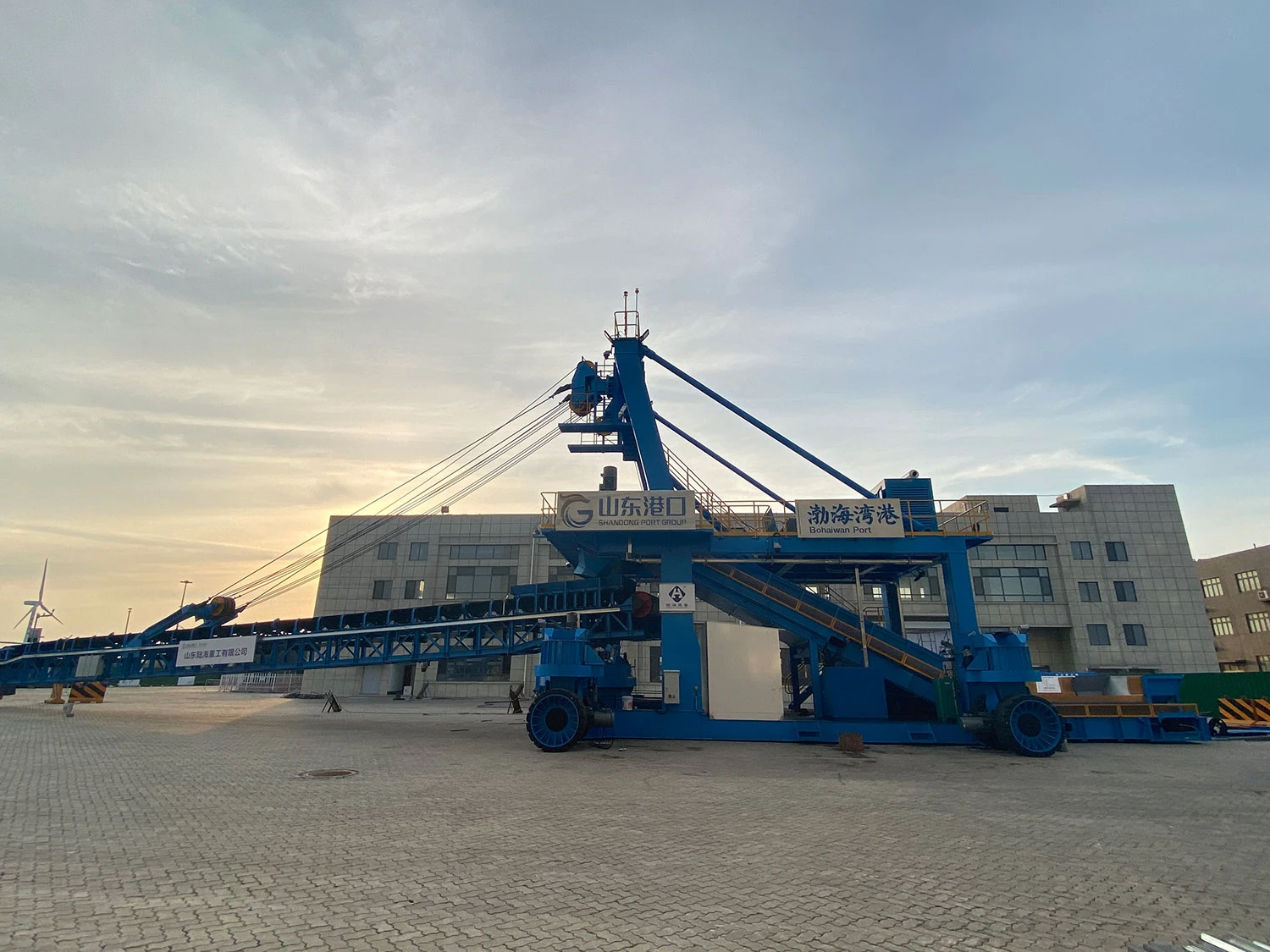
Faster Throughput with Anti-Sway Automation
You want your port to move cargo fast and safe. Anti-swing and anti-sway systems help you do this job. When you use anti-swing, you cut down on sway. This makes every lift faster. These systems use swing control and stabilization to keep loads steady. You do not need to wait for the load to stop moving. This means you finish more cycles in less time.
Look at the table below to see how anti-sway automation helps your ship loading systems: anti-sway automation worth it?
|
Metric |
Improvement |
|---|---|
|
Average crane cycle time |
|
|
Load positioning errors |
Up to 60% reduction |
|
Payback period |
18 to 36 months |
Anti-swing and anti-sway systems use real-time feedback and swing control. This keeps cranes stable. You get better stabilization and less downtime. This helps your port work better and faster.
Integration with Ship Loading Systems
You can use anti-swing and anti-sway systems with many cranes. Container gantry cranes, ship loaders, and reach stackers all work better with these systems. Automation and swing control make crane work easier. You do not need to be an expert to get good results.
-
Automation and anti-swing effect lower human mistakes.
-
Anti-sway hoist rope reeving cuts load wobble.
-
Stabilization systems speed up cycle rates and make things safer.
-
Modern cranes use closed-loop swing control and sensors for better stabilization.
Anti-swing and anti-sway systems help you save money on vessel and yard waiting costs. You boost how well your port works and make your ship loading systems: anti-sway automation worth it? You also get more from your cranes and port equipment. With better stabilization, you keep your ship, port, and crane jobs running smoothly.
|
Impact of Anti-Sway Systems |
Effect on Crane Operators |
|---|---|
|
Reduces manual sway control |
Lowers skill needed for focus and intuition |
|
Decreases operator stress |
Helps operators pay attention to surroundings |
|
Makes work safer and more efficient |
|
|
Increases crane throughput |
Lets you work faster and get more done |
Addressing Concerns & ROI
Cost vs. Value of Anti-Swing Systems
You want to know if anti-sway systems are worth the money. These systems help you keep your port safe and efficient. When you use anti-sway systems, you lower the risk of accidents and damage. This means you spend less on repairs and downtime. You also get more work done in less time. The value of anti-sway systems comes from better safety, faster cycles, and fewer mistakes.
You do not need to worry about high costs over time. Anti-sway systems often pay for themselves in less than three years. You save money because you avoid accidents and keep your equipment running longer. Many ports see lower vessel waiting costs and better use of their cranes. You get a safer workplace and higher profits.
Maintenance, Reliability, and Customization
You may wonder about keeping anti-sway systems working well. These systems use sensors and smart controls. You need to check and update them sometimes. Regular maintenance keeps the systems safe and reliable. CEGC helps you with this by offering support and training.
Some challenges can come up when you add anti-sway systems to your cranes:
-
Wind, heat, and vibration can affect how sensors work.
-
You need to check sensors and update software.
-
Operators must learn how to use the new systems.
CEGC gives you choices for your project. You can pick features like marine-grade durability and special safety interlocks. CEGC helps you keep crane drift low and loads steady. You get help with regular checks and operator training. This makes sure your anti-sway systems work well in your port.
You can trust CEGC for market-standard and custom solutions. These systems protect your equipment and people. You get better safety, less downtime, and more value from your port machinery.
Anti-sway automation helps make ship loading safer and faster. It also makes the work more reliable. You will have less downtime and spend less money.
-
Advanced motion control stops sway fast and keeps cargo safe.
-
You work better and do not need as many repairs.
|
Aspect |
With Anti-Sway |
Without Anti-Sway |
|---|---|---|
|
Lower |
Higher |
|
|
Safety |
Enhanced |
Riskier |
Pick CEGC if you want trusted and custom solutions. Think about what you need and make your port work better.
FAQ
What is anti-sway automation in ship loading systems?
Anti-sway automation uses sensors and smart controls. This helps keep loads steady and lifts safer. CEGC gives anti-sway features for portal cranes and container equipment.
How does anti-sway automation improve safety?
-
It lowers load sway and crash risk.
-
You get quicker emergency stops and overload protection.
-
CEGC’s anti-swing control system helps you meet world safety rules.
Can you customize anti-sway systems for your port?
Yes. CEGC lets you pick sensor sets, safety levels, and strong marine parts. You can match the system to your port’s needs and crane types.


