
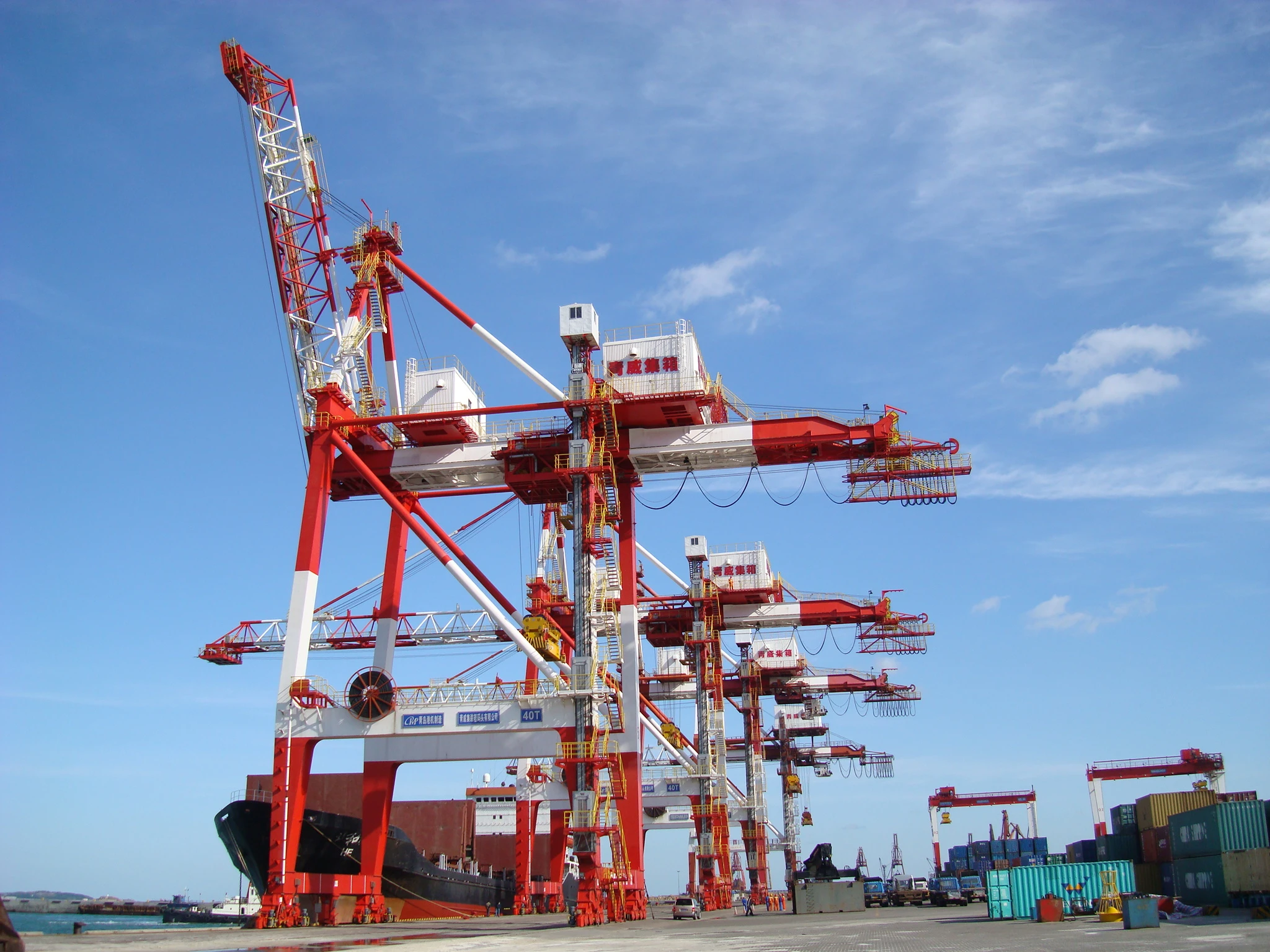
You make reach stacker forklift: winter traction safety better by checking if the equipment is ready, taking care of surfaces, and keeping operators safe. Winter makes the ground slippery for forklifts, so you need to look at the tires and check fluid levels. CEGC makes reach stacker forklift: winter traction safety features for tough winter weather. You help keep things safe by planning where to drive and wearing warm clothes. Reach stacker forklift: winter traction safety needs you to pay close attention during winter work.
Key Takeaways
-
Inspect your reach stacker forklift before winter jobs. Check the tires, batteries, and fluids to make sure they are good.
-
Put on the right winter clothes to stay warm and safe. Wear thick jackets and bright colors so people can see you and you feel comfortable.
-
Think about your routes before you start. Stay away from icy places and things in the way to keep work safe and smooth in winter.
Winter weather risks for forklifts
Slippery surfaces and reduced traction
Operating forklifts in winter can be dangerous. Ice and snow cover the ground and make it slippery. When you drive a reach stacker forklift, you might lose traction. This can make the forklift skid or tip over. Many accidents happen in winter because forklifts slip on ice. Sometimes, ice hides under snow and makes things worse. Snow piles and ice patches block your way and make the ground uneven. Moving heavy loads is harder and can cause them to sway or crash. CEGC’s anti-sway and safety controls help keep loads steady when traction is not good.
Cold impact on reach stacker forklift systems
Cold weather changes how your forklift works. Hydraulic fluids get thick when it is cold, so the forklift moves slower. The mast may feel heavy and the lift may not go up fast. Batteries lose power in the cold and may not last long or charge quickly. Sometimes, battery power drops a lot in freezing weather. Oil and hydraulic fluids also get thick, making it hard for the forklift to start and run well. Ice and snow can lower tire pressure and make tires stiff, so traction gets worse.
Operator visibility and alertness
Winter brings more dangers for operators. Snow and ice can block your view. Fog and blowing snow make it hard to see. Bad visibility can cause accidents or dropped loads. You need to keep windows clear and use mirrors or spotters if you cannot see well. Cold weather can slow your reflexes and make you tired. Fatigue from time changes or long shifts can make you less alert. Loose winter clothes may get caught in the forklift, so you must dress safely. Staying alert and watching for hazards helps you avoid mistakes and keeps forklift work safe in winter.
Forklift safety in winter: technical solutions
Equipment preparation and daily checks
You make forklifts safer in winter by getting them ready before each shift. You check batteries, tires, and fluids so they do not break down. You look at wires and connectors to see if they are brittle. You keep chargers in warm places to help batteries last longer. You use winter lubricants and test block heaters. You check cab heaters and seals to keep operators comfortable. You give insulated clothes and nonslip shoes for safety.
You do checks before each shift to find problems early. You look for wet spots, rust, or broken connectors on batteries. You check tire pressure and look for worn or bald spots on tires. You check paths for ice, slush, and places where ice might form again. You use tire chains to get better grip and stability. You pick pneumatic tires for more grip on slippery ground. You stay away from worn tires because they do not grip well and can cause accidents.
|
Description |
|
|---|---|
|
Battery Maintenance |
Make sure batteries are charged and kept warm. Look for wet spots, rust, or damage. |
|
Tire Checks |
Check tire pressure and look for worn or bald spots. |
|
Travel Path Inspections |
Look at paths for ice, slush, and places where ice can form again. |
Forklift snow tires are made with special materials and treads. They help forklifts grip slippery ground better. This lowers the chance of accidents and keeps work going even when the weather is bad.
-
Pneumatic tires grip better because they bend and touch the ground more.
-
Worn tires do not grip well and can cause accidents.
Anti-sway and safe lifting controls
You use anti-sway devices and safe lifting controls to keep loads steady. You use CEGC’s anti-sway system, which uses motion and brakes to lower sway. You get safety interlocks, overload protection, limit switches, and emergency stop logic. You use operator HMI for clear alarms and easy operation.
-
Anti-sway devices like control hitches or stabilizer bars help keep loads steady when towing.
-
Sway bars keep trailers stable and stop them from moving side to side.
-
Bad weather like rain, ice, and snow makes driving harder and can cause trailer sway.
You follow rules for changing speed and stopping distance. You warm up forklifts before using them. You watch the weather to stop accidents. You use maintenance systems to check data and fix things before they break. You save time and money by staying ahead.
Surface management and route planning
You take care of surfaces and plan routes to avoid dangers. You check paths for ice, snow piles, and places where ice can form again. You clear snow and put sand or salt down to help tires grip. You mark safe routes and stay away from steep hills or sharp turns. You check for obstacles and slippery spots before each shift.
You slow down and leave more space to stop on icy roads. You do not turn or stop quickly. You talk to other operators about route changes. You use workflow systems to match speed and limits to load and wind. You plan moves to cut down on waiting and traffic jams.
Operator safety and winter clothing
You keep safe by wearing the right winter clothes and gear. You pick insulated workwear, hooded jackets, freezer mitts, and pac boots to stay warm. You wear eye protection, hard hats, gloves, hearing protection, and seatbelts. You choose jackets and overalls made for very cold weather. You use Iron-Tuff® and PolarForce® gear for full-body warmth.
-
Good winter clothes and warm underwear are needed for outdoor forklift work.
-
Workwear includes a winter jacket, shorts, T-shirts, and long underwear.
-
Being seen is important; you wear bright clothes in ports and construction sites.
-
Your clothes keep you warm and do not get in the way of forklift work.
You follow training to learn safe ways to work. You finish hands-on operator certification and train-the-trainer programs. You use training online, in classrooms, and at work sites. You practice checks before shifts and follow safety steps every day.
|
Training Program |
Description |
|---|---|
|
Hands-on Operator Certification |
Training helps operators use forklifts safely in winter. |
|
Train-the-Trainer Programs |
Trainers learn how to teach others to work safely in cold weather. |
You stay alert and follow steps to stop accidents. You use CEGC’s technical solutions for forklift safety in winter. You keep forklifts ready, take care of surfaces, and wear the right safety gear. You use training to get better and protect yourself and others.
You make winter forklift work safer by getting forklifts ready. You use special tools and stay careful. Special batteries help forklifts work in cold weather. Teams meet every day to talk about safety. Heated cabs keep drivers warm. Regular checks help forklifts work well. Keeping drivers safe means using forklifts the right way in winter. You make sure forklifts are always ready for winter jobs.
FAQ
What should you check on your reach stacker forklift before winter work?
You should check tires, battery, fluids, and safety systems. You must also inspect the cab heater and make sure all controls work.
How do CEGC anti-sway systems help in winter?
You use CEGC anti-sway systems to keep loads steady. These systems reduce sway and help you avoid accidents on slippery surfaces.
What clothing keeps you safe during winter forklift operation?
You wear insulated jackets, gloves, and boots. Bright colors help you stay visible. Choose gear that keeps you warm but does not restrict movement.


