
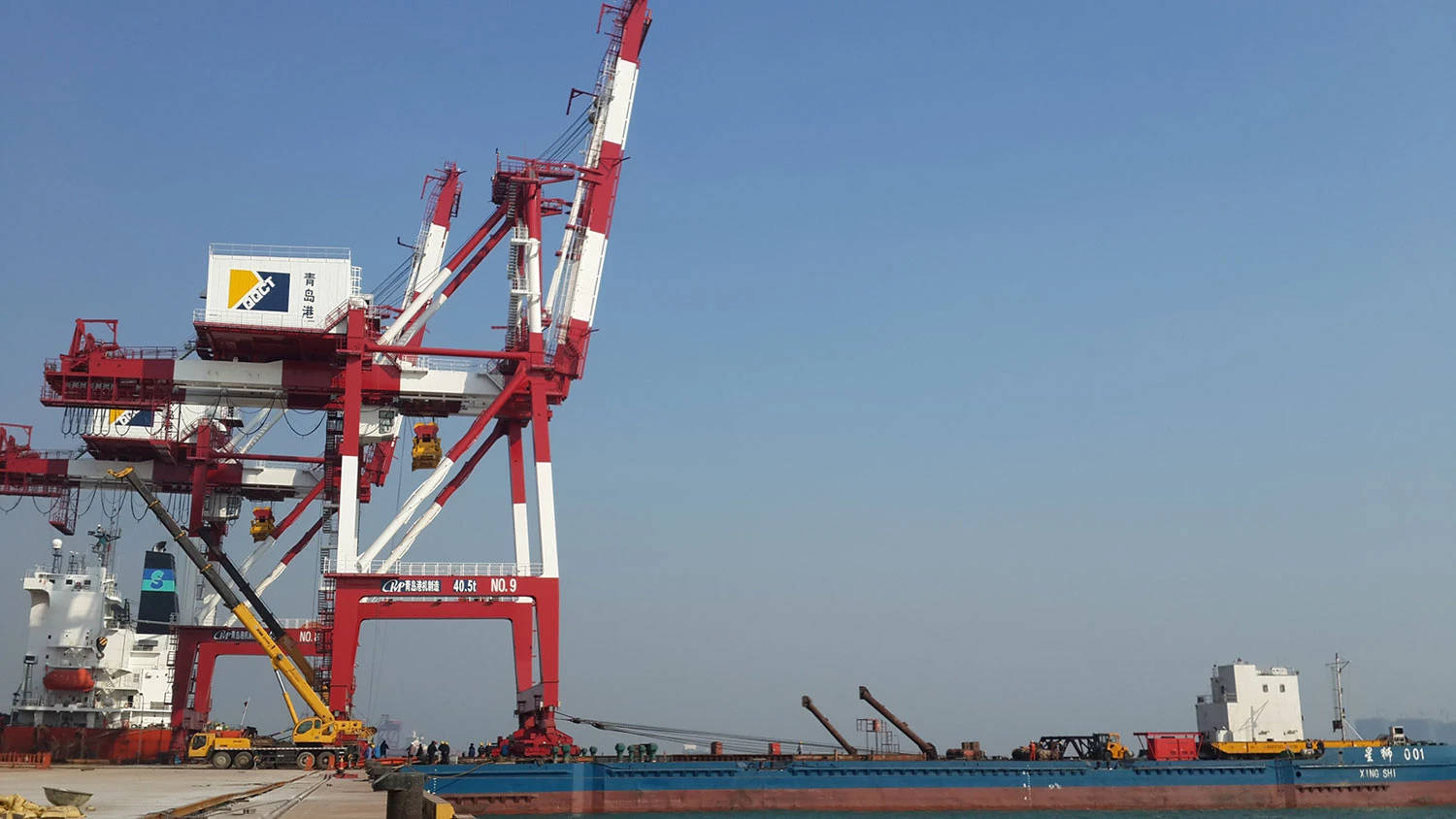
Every day, safety is essential when operating heavy port machinery. Reach Stacker limit protection prevents tip events, ensuring you stay within safety guidelines.
-
Automation with collision avoidance and anti-sway systems keeps you protected and supports regulatory compliance.
-
CEGC delivers safety and compliance that align with market standards, meeting rigorous requirements for every operation.
Key Takeaways
-
Reach stacker limit protection is very important for safety. It stops tip events by setting clear lift limits. This helps keep people safe and follows the rules.
-
Operator training is very important too. It shows how to handle things safely and check equipment. It also teaches how to talk with others at work. This means there are fewer accidents.
-
Advanced safety features help a lot. Anti-sway and real-time monitoring make things more stable. They also lower risks when using the machine.
How tip events happen with reach stackers
Common causes of tipping
When you use reach stackers, there are many risks. Most tip events happen because of how you use the machine and the load. The table below lists the main reasons why reach stackers tip over in ports:
|
Cause of Tip-Over |
Description |
|---|---|
|
Improper Load Handling and Overloading |
If you do not handle loads right, the forklift can lose balance. This is worse if it is too heavy or not placed well. |
|
Accelerating or Braking Too Quickly |
If you speed up or stop too fast, the center of gravity can move. This makes tipping more likely. |
|
Excessive Speed |
Going too fast can make the machine unstable and cause tip-overs. |
|
Turning Too Quickly |
Sharp turns at high speeds can make the weight shift and cause tipping. |
|
Operating on a Slope |
Working on slopes can move the center of gravity out of the safe zone, which leads to tipping. |
You should always follow the rules for load handling and capacity. If you do not, you can put yourself and others in danger. Reach stackers need careful handling to stay balanced, especially with heavy containers.
Risks from load sway and wind
Wind and load sway make things harder for you. These can make reach stackers less stable, especially in busy ports. Here are some risks you need to know:
-
Wind can push the load to the side, making it hard to keep the reach stacker steady.
-
Load sway is when the load moves back and forth. This can happen if you move too fast or if the wind is strong.
-
When many reach stackers work close together, accidents can happen more often because of load sway and wind.
You can lower these risks by using anti-sway technology. Anti-sway systems help you control the load and keep the reach stacker steady. Wind speed monitors can warn you if it is too risky to work.
Operator skill and safety practices
Your skills as an operator are very important for safety. If you know how to use reach stackers safely, you can stop many accidents. Training teaches you how to handle loads, use anti-sway systems, and react to alarms. When everyone follows the same safety steps, your team works better.
CEGC helps you with operator-centered HMI and advanced anti-sway control. These tools guide you to work safely and help you act fast when things change. With good training and the right tools, you can keep reach stackers safe and working well every day.
Reach stacker limit protection prevents tip events
Limit protection system overview
Strong systems are needed to keep reach stackers safe. Reach stacker limit protection stops tip events by setting clear limits for each lift. Sensors and smart controls watch the load and how the machine moves. These systems help you avoid dangerous situations when you use reach stackers. They stop you from lifting too much or reaching too far. This makes your work safer and reduces accidents.
Reach stacker limit protection uses advanced technology to prevent tip events. You see the benefits every time you use the machine. CEGC designs limit protection systems that meet market standards. You can change these systems to fit your port or terminal. You pick the capacity, span, duty cycle, and automation level. You get solutions that match what you need.
Here is a table showing the main features of reach stacker limit protection systems:
|
Feature |
Description |
|---|---|
|
Overload Protection |
Electronic systems check the load and stop lifting if it is too heavy, usually at 100-110%. |
|
Anti-Sway |
Automatic systems reduce load sway during lifts to keep things stable. |
|
Interlocks |
Safety interlocks make sure certain rules are followed before you start. |
|
Emergency Stop |
Emergency stop buttons in the cab and outside can stop all functions right away. |
|
Collision Avoidance |
Proximity sensors use special technology to find obstacles near the spreader and cab. |
Each feature works together to keep you safe. Reach stacker limit protection stops tip events by making sure you stay within safe limits. You get overload protection, anti-sway, interlocks, emergency stop, and collision avoidance. These features help you avoid tipping and protect your team.
Real-time monitoring and automatic intervention
Real-time monitoring is important for reach stacker safety. Reach stacker limit protection stops tip events by watching every move. Automation checks the load, speed, and reach. You get alerts if something is wrong. The system can step in and stop dangerous actions before accidents happen.
-
Automation keeps an eye on operations and finds problems quickly.
-
Immediate action stops accidents before they happen.
-
Automated systems lower the chance of mistakes causing safety issues.
Reach stacker limit protection acts fast to prevent tip events. Systems like Linde Load Assist figure out safe lifting limits in real-time. Linde Safety Pilot checks the load center and lift height. If the machine is unstable, the system steps in. You get safer lifts and fewer tip events.
CEGC gives you real-time monitoring and automatic help for reach stackers. You can change sensor sets for load, angle, and wind. You get market-standard specs and solutions for your project. Your port stays safe and works well.
Multi-layer safety features and operator alerts
You need more than one safety layer. Reach stacker limit protection stops tip events by using many safety features. You get alerts and help at every step. Driver monitoring systems give you quick visual and sound alerts. If you make a risky move, the system warns you. You can fix your actions before an accident happens.
-
Driver monitoring systems give quick alerts when risks are found.
-
AI-powered systems spot dangerous actions and send alerts to help you fix them.
-
Advanced driver assistance systems create a safety net for drivers and road conditions.
-
In-cab coaching from AI cameras gives feedback right when you need it.
Reach stacker limit protection keeps you informed to prevent tip events. Collision avoidance uses ultrasonic sensors to find obstacles. You get alerts before collisions happen. This stops damage to inventory and equipment. You feel safer while working. You see fewer accidents and lower insurance risks. Worker safety gets better in shared spaces.
Ultrasonic sensors are easy to use and need little care. You get affordable protection for your reach stackers. CEGC offers safety solutions you can change for your port machines. You pick the features that fit your operation. You get market-standard specs and reliable performance.
Reach stacker limit protection stops tip events by combining overload protection, anti-sway, interlocks, emergency stop, collision avoidance, and operator alerts. Your team stays safe and your port works smoothly. You see the value of advanced safety features and anti-tip devices every day.
Reach stacker training and operational safety
Importance of operator training
You need reach stacker training to stay safe at work. Training shows you how to use the controls and move loads. You learn to check the equipment before you use it. You also learn to look for problems and fix them. Training teaches you how to keep loads from moving around. You find out how much weight you can lift safely. You learn ways to stop accidents from happening. You must wear safety gear like bright vests and strong shoes. Communication is important for safety. Training shows you how to use signs and talk to your team. Operator training helps you stop tip events and keep everyone safe.
-
You learn to check and take care of the equipment.
-
You follow safety rules and wear safety gear.
-
Communication and signs are part of your training.
Consistent safety outcomes across teams
Reach stacker training helps your team work safely every day. When everyone gets the same training, there are fewer accidents. Teams work better and get more done. Training helps you know the limits of the machine. You learn the safety steps and how to check the equipment. Training helps everyone learn and stay safe. Teams with training have fewer tip events and do better work.
|
Study Description |
Outcome |
Statistical Significance |
|---|---|---|
|
TeamSTEPPS training in ICUs |
Fewer infections |
Significant for 7 of 8 months |
|
Veterans Affairs’ MTT program |
Lower morbidity rate |
P = 0.01 |
|
Surgical safety checklist |
8.9% vs. 23.6% |
Training gives you steady safety results. You see fewer mistakes and better teamwork.
Integration with advanced safety systems
Training works best with advanced safety systems. You learn to use anti-sway, overload protection, and collision avoidance. Training keeps your skills sharp and helps you use safety features. You learn to watch your work and make safe choices. You get feedback from the systems and get better at your job. Training lowers accidents and helps you work faster. CEGC helps with training and safety tools. You can get certified to show your skills. Training gets you ready to work safely with big machines and cranes.
-
Training teaches you about advanced safety systems.
-
You get regular training to remember safety steps.
-
Training helps you do better and lowers risks.
When you use reach stacker limit protection, safety gets better. Adding advanced safety features and operator training helps even more. CEGC gives you choices that fit market rules or your own needs. Look at the table below to see the benefits:
|
Outcome |
Description |
|---|---|
|
Operators act more carefully, so work is safer for everyone. |
|
|
Proactive Accident Prevention |
These features help find and stop risks before accidents happen. |
|
Culture of Safety |
A strong safety culture makes everyone follow the best safety steps. |
Pick good safety systems and training for your port machines.
FAQ
What does reach stacker limit protection do?
Limit protection keeps you safe. It stops you from lifting too much or reaching too far. You avoid tip events and protect your team.
How does anti-sway help you?
-
Anti-sway keeps the load steady.
-
You get better control.
-
You work faster and safer.
Can you customize CEGC safety systems?
|
Option |
Customizable? |
|---|---|
|
Capacity |
Yes |
|
Automation |
Yes |
|
Sensor Set |
Yes |
You choose what fits your port best.


