
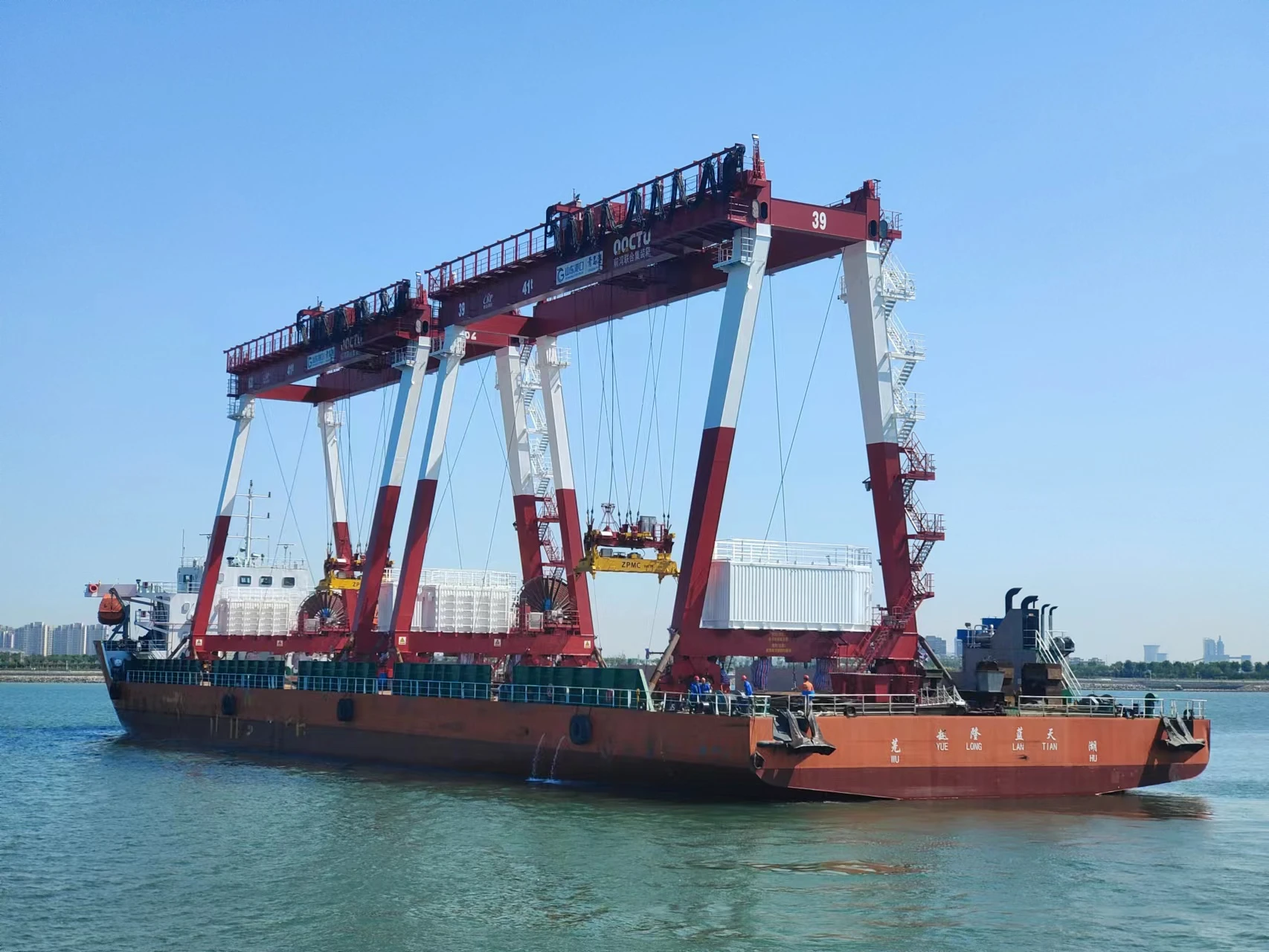
You can see that ship crane: precision for deck loading in swell uses advanced control systems. Anti-sway technology and active heave compensation help you move loads safely. Waves can make the ship move, but these systems help. CEGC gives you easy-to-use operator controls. This makes crane work smoother. Studies show these systems help with accuracy. They also lower risks.
Key Takeaways
-
Advanced control systems, such as anti-sway technology, help keep things safe and accurate when loading on the deck in rough seas.
-
Operators need regular training and maintenance checks to lower risks and make sure the crane works well.
-
Heave compensation technology keeps loads steady, so lifting is safer and works better, even when conditions are tough.
Ship crane: precision for deck loading in swell
Swell challenges for deck loading
Operating a ship crane: precision for deck loading in swell is hard when the sea is rough. Waves and moving decks make the ship shift in ways you cannot guess. This movement can make the load swing or drop if you do not use the right system. Sometimes, you must wait for calm weather or change your plan to keep people safe. The sea brings more problems. You deal with strong winds, saltwater, and wet air. These things can harm deck cranes and affect how controls work. Saltwater causes metal to break down, and wet air can make rust. Very hot or cold weather can change how the system works. You need to check and protect your equipment often to keep it working well.
Load sway and collision risks
Load sway is a big danger when you use ship crane: precision for deck loading in swell. Wind, waves, and the swinging of loads cause sway. When the load sways, you cannot control where it goes. This makes it more likely to hit something or someone on deck. Here are some risks you face:
-
Loads can move in ways you do not expect if you skip safety steps.
-
People near the crane can get hurt if the load swings or drops.
-
If you lift the load at the wrong angle, you break safety rules and raise the risk of crashes.
You must watch out for these risks every time you use the system. How well the operator uses the controls matters too. Some operators are better than others. This means safety can change from shift to shift. The sea makes it even harder to keep the load steady and safe.
CEGC anti-sway and safety systems
The right technology can fix many of these problems. CEGC gives you smart solutions for ship crane: precision for deck loading in swell. The anti-sway system stops load sway 10%-15% faster than old systems. This helps keep the load steady and lowers the chance of accidents. Sensors and a smart control system change the crane’s movement as needed. You get safer lifts and better cargo handling.
CEGC also gives you many safety features. These include overload protection, limit switches, emergency stop logic, and ways to stop crashes in certain zones. If waves pull hard on the cable, alarms warn you. The system can slow or stop the crane to keep you safe. You also get an operator-centered HMI. This screen shows clear alarms and updates. It helps you learn fast and work the same way each time.
Industry rules for ship crane: precision for deck loading in swell include ways to handle heave and roll. Advanced deck cranes use sensors to change boom angles and keep the load steady, even when the deck moves. Some ships use gyro-stabilized hulls to cut rolling. These features make your work safer and easier. CEGC can change the system for your project, including sensor sets, safety zones, and certification needs. You get a solution that fits your deck and how you work.
Tip: Training and regular checks help you use your ship crane: precision for deck loading in swell better. Always check your system before you lift.
Precision technologies and active heave compensation
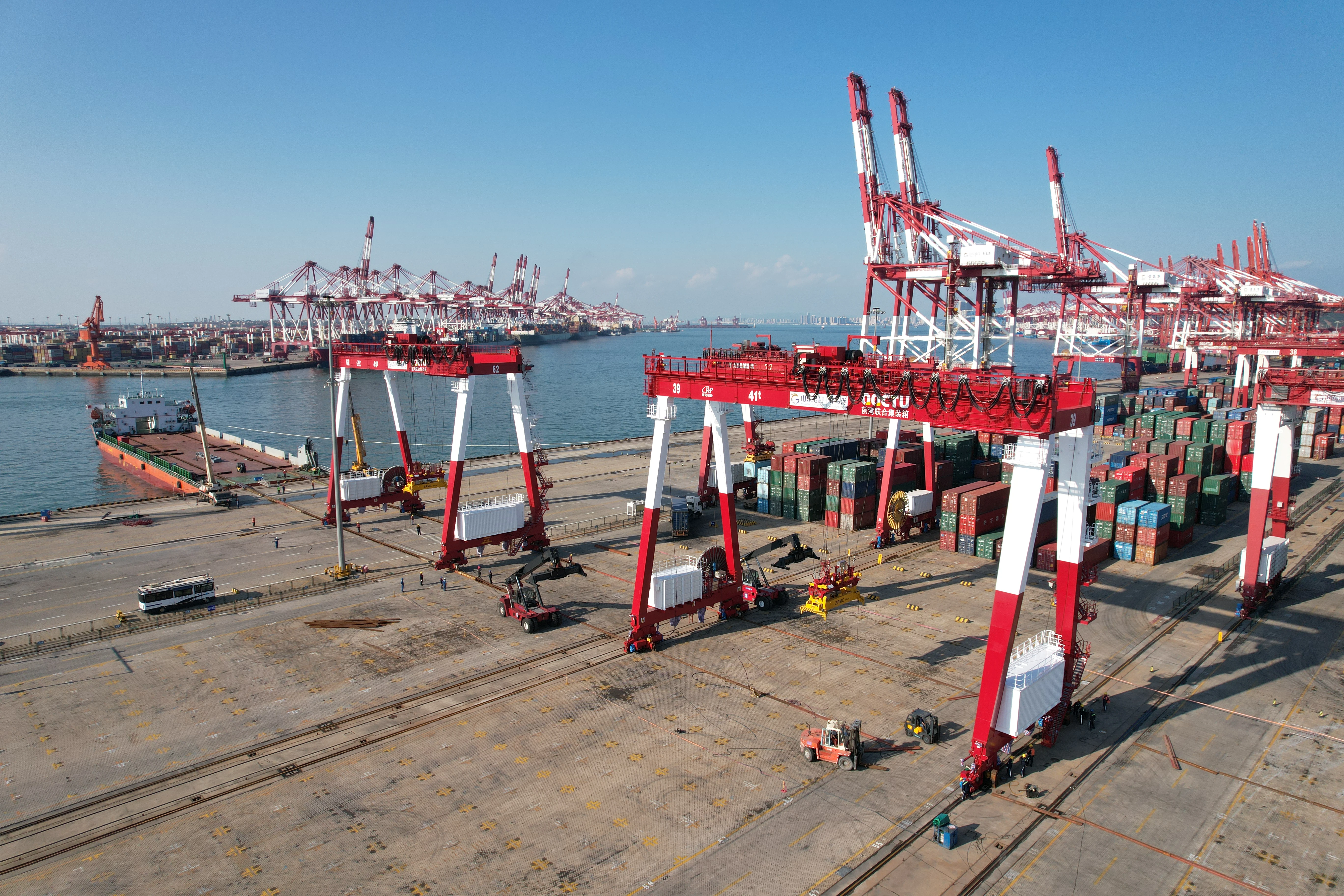
Heave compensated crane systems
Loading cargo at sea is not easy. The deck goes up and down with the waves. A heave compensated crane helps you keep things steady. This system uses special technology to balance the load. It keeps the cargo from moving too much, even when the ship rocks. You can see the main parts of a heave compensated crane in the table below:
|
Component Type |
Description |
|---|---|
|
Active Heave Compensation (AHC) |
A technology that counteracts vertical motion caused by waves, ensuring stable load handling. |
|
Passive Heave Compensation (PHC) |
Utilizes passive systems to absorb wave motion, providing simplicity and reliability in operations. |
|
Heave Compensated Winches |
Specialized winches designed to work in conjunction with AHC or PHC systems to stabilize loads. |
|
Heave Compensated Gangways |
Structures that adjust to vessel movements, ensuring safe access during loading operations. |
A heave compensated crane uses both active and passive heave compensation. The active system has sensors and motors that react fast. The passive system uses springs or air to soak up movement. You can use a heave compensated winch to keep the load from swinging. A heave compensated gangway lets people walk safely between the ship and dock. You can also use a heave compensated platform or davit for special lifts. These tools help you work with high precision and keep your load safe.
Active heave compensation in ship cranes
Active heave compensation gives you more control over the load. This system uses sensors to check how the ship moves. The crane then moves the other way to keep the load still. This keeps the cargo in one place, even if the deck moves. You can use active heave compensation for heavy lifts and jobs that need accuracy. The system works with a heave compensated winch and gangway. You can also use a heave compensated platform for work far from shore.
Active heave compensation helps you handle loads when the sea is rough. The system can adjust for three directions of movement. This means you can use a three-axis motion-compensated crane for hard jobs. The system also works with passive heave compensation for the best results. You can trust this system to keep your load steady and safe.
Advanced sensors and real-time monitoring
You need good data to keep your crane safe. Advanced sensors measure how the ship rolls, tilts, and moves up and down. The system uses this data to change how the crane moves. Real-time monitoring lets you see what is happening right away. The system uses strong IMUs and smart computer programs. This gives you good accuracy and smooth movement.
You can use a heave compensated winch with these sensors. The system can also control a heave compensated gangway or platform. Motion compensated equipment helps you keep the load from swinging. The system can use both active and passive heave compensation. You get better safety and work done faster.
Operator training and workflow integration
You must learn how to use the system the right way. Training helps you know the controls and safety steps. Good training can cut mistakes by half. You need to learn both the rules and how to do the job. Digital tools show you what the crane is doing. You can use remote-control options to see better.
Automation helps you make fewer mistakes. The system uses real-time monitoring to keep you safe. You can use a heave compensated gangway or davit for special jobs. The system works with other port systems. This means you can connect the crane to other machines. You get better safety and work faster.
Note: CEGC gives you many choices. You can pick a portal crane, container crane, or ship crane. You can add features like anti-sway, safety locks, and strong parts for the sea. CEGC can change the system to fit your project. You get the right lifting power, heave compensation, and tools for your needs.
Safety, maintenance, and real-world applications
Multi-layer safety and anti-collision
You must have a strong safety system for ship cranes in swell. The system gives alarms if the drum is almost at the last turns. An emergency stop can quickly cut the power. This keeps you and your team safe. The system uses zones to stop the crane from hitting things. It will stop if it gets too close to another object. Safety interlocks work with the compensation system to keep loads steady. This helps stop accidents. You get clear warnings and quick actions. This makes deck loading safer every time.
Predictive maintenance and energy efficiency
A good maintenance system helps you stop breakdowns. Predictive maintenance checks your crane’s health all the time. The system looks at both mechanical and electrical parts. You get real-time checks and better load use. Using electric or hybrid power systems saves energy and money. Variable Frequency Drives change energy use based on the load. The system can also save and reuse energy. You can plan work to avoid busy energy times. Predictive maintenance can lower downtime by up to 70%. Your crane lasts longer and works better. The table below shows more benefits:
|
Benefit |
Description |
|---|---|
|
Extending Asset Lifetimes |
Predictive maintenance helps your equipment last longer and delays big costs. |
|
Reducing Downtime |
Fewer surprise stops mean you work faster and better. |
|
Optimizing Maintenance Process |
Good schedules help your team fix problems before they grow. |
Case studies: CEGC ship crane solutions
You can find CEGC ship cranes working at busy ports. One port used a CEGC system with active compensation and anti-sway. The system kept loads steady during big waves. Operators had fewer accidents and smoother work. Another terminal switched to a hybrid power system with predictive maintenance. The compensation and safety systems worked together. The port had less downtime and lower energy bills. You can pick a CEGC system that fits your needs. The right tools help you load cargo with care, even when the sea is rough.
Ship cranes use special technology to help with deck loading in swell.
-
Sensors check how the ship moves and send signals to fix it.
-
Anti-sway systems help stop loads from swinging and keep people safe.
-
These systems make crane work easier and lower the chance of accidents.
-
You can trust the compensation to make lifting safer and quicker.
FAQ
How does heave compensation technology improve load stability during offshore activities?
Heave compensation technology helps keep the load from moving. The system changes to match the deck going up and down. This makes work safer and more exact when you are offshore.
What is the role of a heave compensated winch in deck cranes?
A heave compensated winch lets you lift things with more control. It keeps the load steady on the deck. Using motion compensated equipment helps you work safer and faster.
Can you customize the control system for different load capacity and efficiency needs?
Yes, you can change the control system to fit your needs. You pick the features for how much you want to lift, how fast, and how safe. CEGC gives choices for deck cranes and offshore platforms.


