
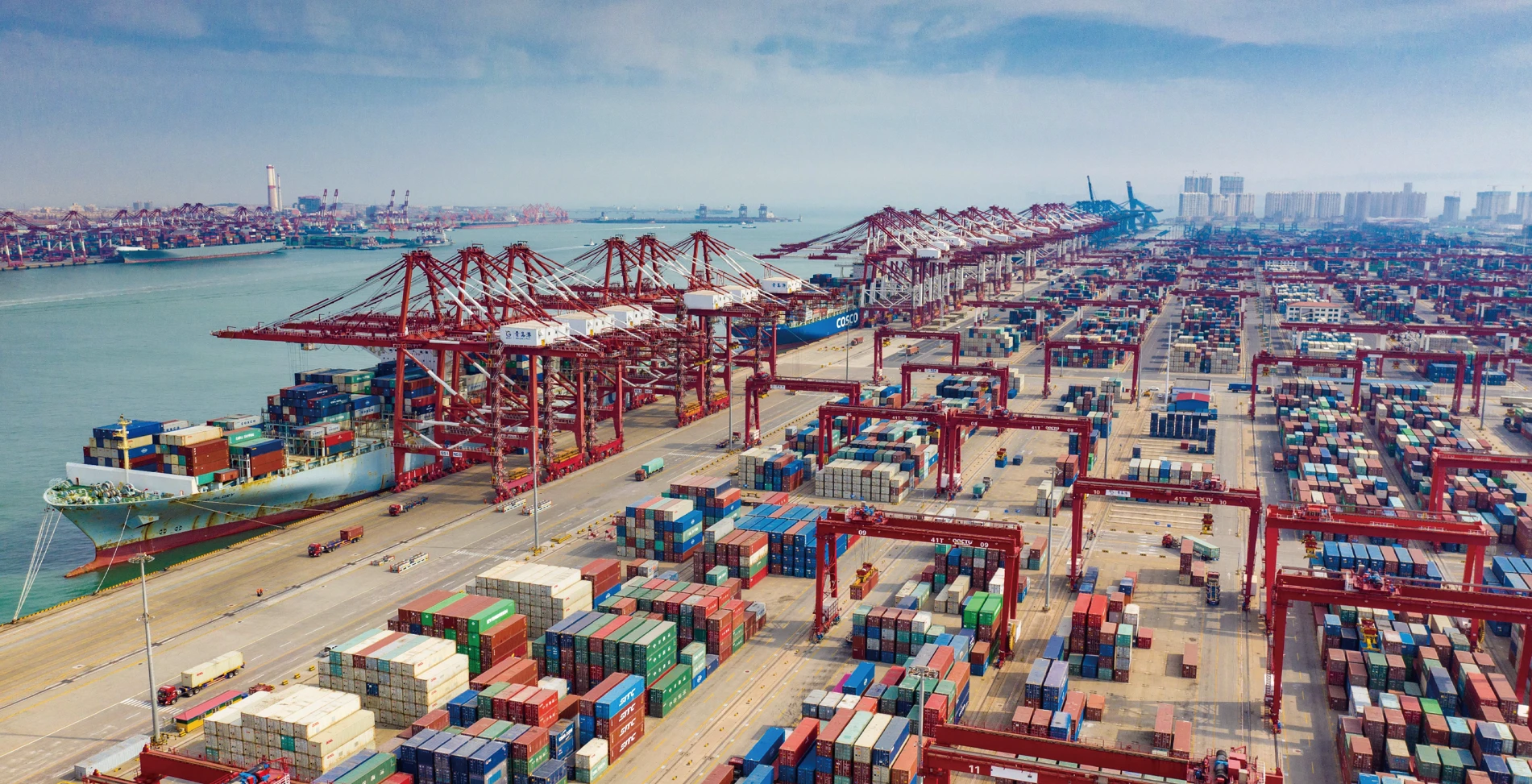
You can achieve a ship loader fast turnaround with less spillage by utilizing advanced port machines and smart loading systems from CEGC. Efficient bulk cargo handling is crucial for port operations. Common challenges include load sway, cycle time, corrosion, and unexpected downtime. The table below illustrates how various ports have enhanced their turnaround times.
|
Port |
Improvement (%) |
Turnaround Time (Days) |
Previous Turnaround Time (Days) |
|---|---|---|---|
|
Durban, South Africa |
2.97 |
3.44 |
Key Takeaways
-
Use automation and anti-sway technology to load ships faster. This helps stop accidents from happening. It makes ship loading quicker and safer for everyone.
-
Add safety interlocks and collision prevention systems to keep your crew safe. These features help protect equipment from damage. They can lower the number of accidents and cut repair costs.
-
Use dust suppression methods to help the environment. This keeps the work area clean. It also helps follow the rules and makes the port look better.
Ship loader fast turnaround with less spillage solutions
Automation and Anti-Sway Control
You can make ship loading faster and cleaner with new technology. CEGC’s portal cranes, ship loaders, and container handlers use anti-sway technology. This keeps loads steady when moving bulk cargo. The technology stops swinging, so accidents are less likely. It also helps put things in the right spot. Motion coordination systems help containers move safely and smoothly. These systems make the work go faster, so you can move more cargo in less time.
Anti-sway systems are important for working well. They cut down on load sway, which makes moves more accurate. This also means each move takes less time. Sway can take up to 30% of move time. If you reduce sway, you get more done and ships leave sooner. Fewer accidents happen, so your crew and machines stay safe. These systems help you move lots of cargo and keep things running well, even if workers have different skill levels.
You can pick standard options or ask for custom features. CEGC lets you choose things like capacity, span, duty cycle, and how much is automated. This way, you get machines that work best for your port.
Tip: Train your crew often on automated systems. This helps you use your machines well and follow best practices.
Safety Interlocks and Collision Prevention
Safety interlocks and collision prevention are very important for fast, clean ship loading. These features keep your team and machines safe when moving bulk cargo. CEGC’s machines have many safety interlocks, like overload protection, limit switches, and emergency stop logic. These systems help stop mistakes and keep things safe.
Industry rules say you must test safety interlocks often, following the maker’s instructions. All used machines should have the right safety features. The table below shows important facts about safety interlocks in port machines:
|
Issue |
Description |
|---|---|
|
Testing of Safety Interlocks |
The survey asked about testing safety interlocks. |
|
Manufacturer's Directions |
The survey looked at how often to test safety interlocks as the maker says. |
|
Used Equipment Safety |
It checked if used machines need safety interlock tests. |
|
Alternative Procedures |
The survey talked about using other ways instead of lockout/tagout. |
|
Expectation of Safety Equipment |
People shared what safety features they expect on used machines. |
|
Interlock Failures |
The survey asked how interlock failures affect injuries. |
Collision prevention systems help stop accidents and save time. With better collision prevention, you can have 10–20% fewer accidents. Terminals that add these systems to cranes have lower repair costs and less downtime. Smart decision support can cut collision and grounding events by up to 25%. These features help you work safely and keep things running well.
Dust Suppression and Spillage Reduction
Dust and spillage are big problems when moving bulk cargo. You can control these problems with new dust suppression technology. CEGC’s ship loaders and portal cranes have telescopic loading chutes, dust hoods, and bag filter dust collectors. These tools catch dust and keep your work area clean. Inline dust control also helps you follow strict environmental rules.
You can use water sprays, fog cannons, and dust collectors to lower dust in the air. Enclosed conveyors and transfer points stop dust and spillage when moving materials. Spill containment, like berms and trays, helps with accidental spills. Cleaning up often keeps storage and work areas safe and tidy.
Standard ship loaders can move 200 to 12,000 tons per hour. They work with ships from 3,000 to 150,000 DWT. They use vector variable frequency speed control and have dust suppression, strong wind alarms, and safety scanning. You can change your machines for capacity, boom length, material type, port layout, and site needs. This helps you get the best loading and less spillage for your port.
Note: Picking the right dust and spillage control systems helps the environment and makes your port look good.
When you use automation, safety interlocks, collision prevention, and dust suppression together, you get fast, clean ship loading. These solutions help you move bulk cargo safely and well, so your port can do better than others.
Bulk cargo handling and unloading efficiency
High-Throughput Motion Coordination
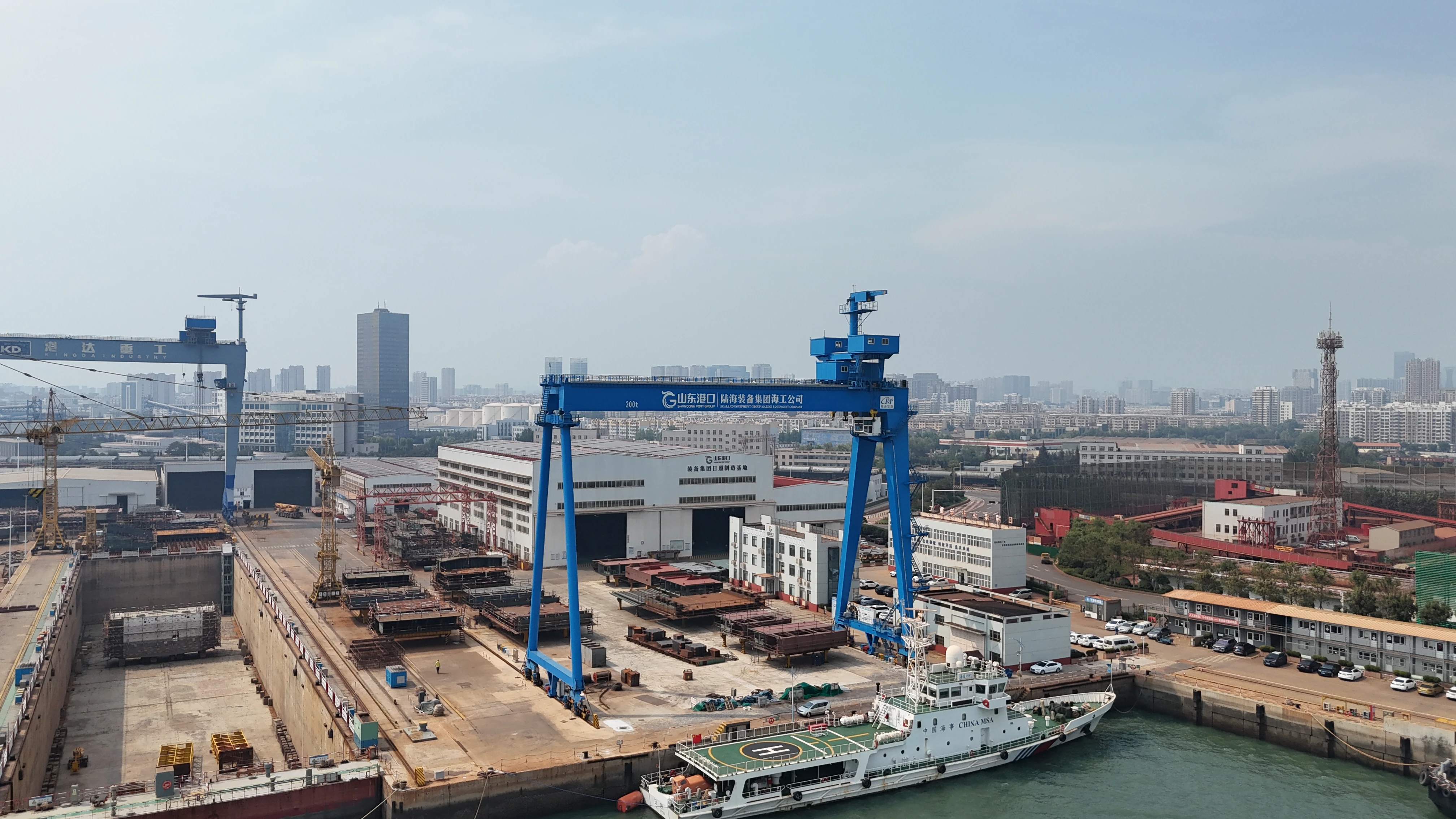
You can make unloading faster with CEGC’s motion coordination systems. These systems help you move bulk cargo with fewer delays. Machines work together, so container ships unload faster. Good planning and real-time teamwork keep things steady. Load consolidation helps you use shipments better. These methods make the work smoother and more stable. The table below shows how these systems handle problems and keep things running well.
|
Evidence Description |
Findings |
|---|---|
|
Perturbations increase local instability and muscle coactivation during postural tracking. |
Shows strong motor control when things go wrong. |
|
Increased system instability and tracking performance deterioration in perturbed conditions. |
Systems must adjust to keep working well. |
|
External mechanical perturbations increase sensorimotor integration demand. |
Systems get stronger against problems. |
Cycle-time optimization lets you unload ships faster. You wait less and get more work done. This means you earn more money and work better for longer. You can use stowage planning and yard clash-aware models to cut down on moves and delays.
Predictive Maintenance and Energy Optimization
You can make unloading better with predictive maintenance. IoT sensors watch equipment and check for problems. They track vibrations, temperatures, and pressures. Machine learning looks at this data to find issues early. You stop breakdowns and avoid fixing things when you don’t need to. Smart fault detection tells you how your machines are doing. You fix things when it is not busy, so unloading keeps going.
Energy optimization saves money and cuts pollution. Automation lowers labor costs and emissions. Energy-saving designs use less fuel and help you follow rules. Modular equipment makes it easier to change and helps the environment.
|
Key Trend |
Impact on Operational Costs |
Environmental Impact |
|---|---|---|
|
Advanced Automation |
Cuts labor costs |
Lowers emissions |
|
Energy-Efficient Designs |
Uses less fuel |
Helps follow rules |
|
Modular Equipment |
Makes changes easier |
Supports green goals |
Marine Durability and Lifecycle Protection
You keep your port machines safe from rust and make them last longer. Salt, wet air, and heat can cause rust. CEGC uses special protection, thick paint, and regular checks to keep machines safe. This stops failures and keeps unloading working well. Taking care of machines also helps the environment. You get ahead by using smart ways to keep machines working.
Tip: Connect your ship loader systems with terminal workflows. This gives you better data and helps unload container ships faster.
You can make ship loaders work faster and spill less by using automation. These systems also help lower emissions and collect harmful vapors. You should switch to zero-emission rules to keep the air clean. This also helps control dangerous vapors.
-
Automation and digital tools make work safer and faster.
-
Green port plans help ports stay clean and safe.
|
Aspect |
Description |
|---|---|
|
Safety and Reliability |
Automation tools make work safer and easier to see, so workers make fewer mistakes. |
|
Operational Efficiency |
Making work smoother helps move more cargo and cuts down on waiting. |
FAQ
What is the main benefit of using CEGC ship loaders?
You can load ships faster and spill less cargo. The work is also safer for everyone. CEGC ship loaders use automation and anti-sway systems. These features help you get better results.
How do anti-sway systems help with bulk cargo handling?
Anti-sway systems keep loads from swinging. This means you can move cargo safely and more accurately. Fewer accidents happen, and you save time when loading and unloading.
Can you customize CEGC port machinery for your terminal?
-
Yes, you can pick the capacity, span, duty cycle, and how much is automated. CEGC lets you change machines to fit your port’s needs.


