
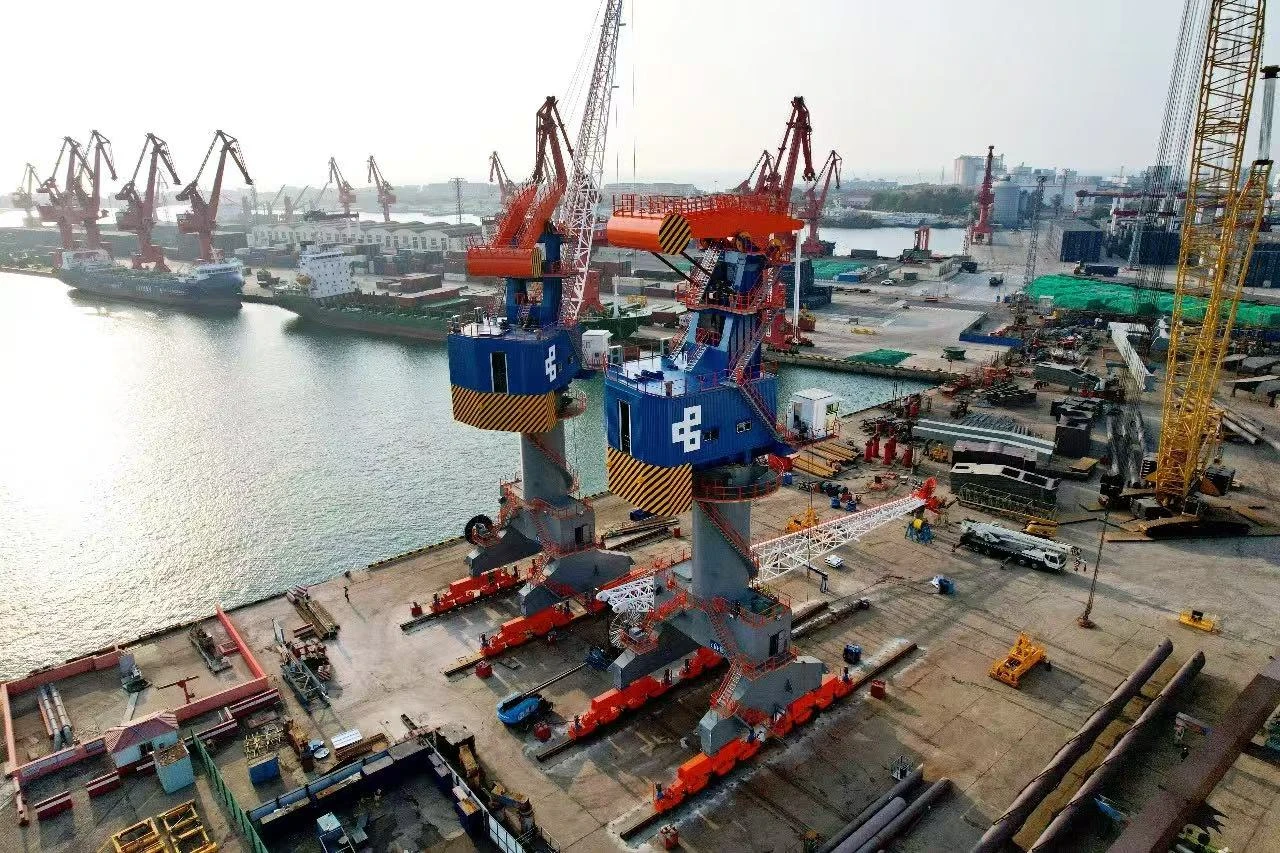
You want to know what "fast" means for your port. The 2026 Port crane speed test: what’s “fast” in your port shows what is considered fast. It uses benchmarks like lifting 20–60 meters per minute and evaluates 30 or more container moves each hour.
|
Metric |
Traditional Port Operations |
Automated / Semi-Automated Port Operations |
|---|---|---|
|
about 25 |
about 45 or more |
|
|
Annual TEU Throughput |
about 2–3 million |
about 14 million or more |
-
Fast port crane speed helps ships leave your port faster.
-
You make things safer and have fewer mistakes.
-
CEGC equipment choice enhances your port's operational efficiency.
Key Takeaways
-
Fast port cranes can move 30 containers each hour. This helps the port work better and ships wait less time.
-
Anti-sway systems make cranes safer and faster. They stop loads from swinging and help operators feel less stressed.
-
Check crane performance often with important measurements. This helps find problems and set goals to get better.
Port crane speed test: what’s “fast” in your port
2026 Speed Benchmarks
You need clear numbers to know what is fast. The port crane speed test: what’s “fast” in your port sets the rules for today’s ports. In 2026, cranes lift between 20 and 60 meters each minute. Advanced equipment should move at least 30 containers every hour. These numbers help you see how your port compares to the best in the world.
You also have to think about wind speed limits. Wind can change the port crane speed test: what’s “fast” in your port and safety. Crane-mounted anemometers check wind at the working height. They set off alarms when wind gets too strong, usually around 20 mph. You stop or pause work if wind is too high. Each crane type has its own safe wind limit.
|
Description |
|
|---|---|
|
Normal |
Up to 15–18 mph |
|
Caution |
15–20 mph (or 15–25 mph, depending on conditions) |
|
Stop Work |
Maximum wind speed specified by the manufacturer |
You see new anti-sway technology in ports. Active anti-sway control systems use sensors and smart programs to find and fix sway right away. This new tech makes cargo handling safer and faster. The anti-sway control market is growing fast because ports want safer and quicker lifts.
Global Leaders and Comparison
You want your port to be as good as the top ports. The port crane speed test: what’s “fast” in your port shows top ports do over 45 crane moves each hour. They handle millions of TEUs every year. These ports use new ideas to get faster and safer.
CEGC matches its equipment with what the market needs. You can pick portal crane, container crane, and reach stacker options for your project. You choose the right span, height, duty cycle, and automation for your port.
You face technical problems that affect the port crane speed test: what’s “fast” in your port. These problems include:
-
Load sway from sudden moves and different operator skills.
-
Wind makes loads unstable and slows down cycles.
-
Mechanical problems like motor or sensor failures slow work.
You fix these problems with new ideas. Anti-sway systems cut down on swinging and stop crashes. They let you lift faster and move more containers. Operators feel less stress and make fewer mistakes because the system helps them. These systems also stop sudden moves, so ropes and chains last longer. Brakes and motors wear out less. The structure gets less damage.
Anti-sway systems help keep things steady when it’s windy. You can put containers in the right spot even in bad weather. You train operators with simulators. Trainees practice smooth moves and learn to be safe. They get better at using the equipment. This training makes port work safer and faster.
You see new ideas making the port crane speed test: what’s “fast” in your port better. You check your port against the best in the world. You use new tech and training to beat tough problems. You pick CEGC solutions to meet market needs and fit your port.
Improving Movable Port Crane Performance
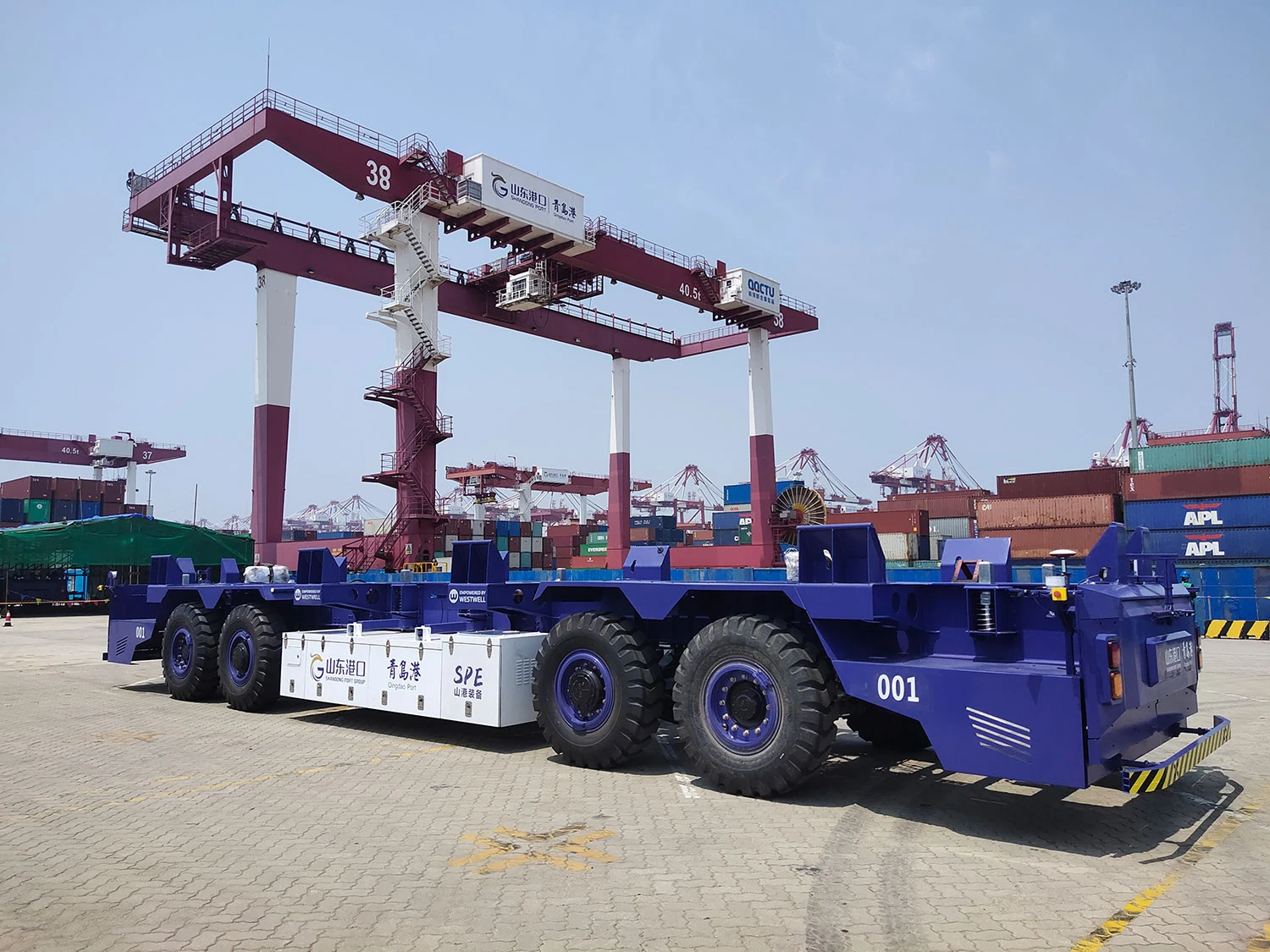
Measuring Your Crane Speed
You must check how each movable port crane works. Start by counting crane moves every hour. This shows how many containers a crane handles in one hour. Look at moves by shift, vessel, and crane type. You can find cranes that do not work well. Fix planning problems when you spot them. Set goals for cranes, berths, and yards. If one crane is slow, it can cause delays in your port.
Tip: Use digital control systems to get real-time data. This lets you compare how cranes work and make fast choices.
|
KPI Type |
Definition |
|---|---|
|
Total moves divided by total time from first move to last move (includes all delays). |
|
|
Net moves per hour (NMPH) |
Total moves divided by crane operating time (does not count big stoppages like meal breaks or shift changes). |
|
Productive moves per hour (PMPH) |
Total moves divided by time when crane is moving containers (does not count delays, restows, or waiting). |
|
Crane availability (%) |
(Scheduled time minus Downtime) divided by Scheduled time times 100 |
Key Factors: Technology, Safety, and Maintenance
You make cranes work better by using new technology. Automation and smart control systems help cranes run smoother. Sensors and AI models tell you when cranes need fixing. This means less downtime and more reliable cranes. Check cranes often and use remote diagnostics to spot problems early. Contractors who focus on maintenance have fewer delays. Safety features like anti-sway systems and safety locks keep workers and cargo safe.
Note: Marine durability is important. Cranes must handle saltwater, rain, and wind. Weatherproof coatings and strong materials help cranes last longer.
Solutions for Movable Port Crane Efficiency
You fix common problems with modern solutions. Anti-sway systems stop loads from swinging and lower crash risks. They let cranes work faster and move more containers. Terminal management systems help cranes be more accurate. Predictive maintenance uses sensors to plan repairs before things break. This lowers accidents and keeps cranes ready when busy. CEGC gives you choices for portal crane, container crane, and reach stacker. You pick capacity, power, automation, and more. These choices help you make your port safer, faster, and cheaper to run.
|
Crane Type |
Customization Options |
|---|---|
|
Reach Stacker |
Capacity, power solution, automation level, and more. |
|
Container Crane |
Special equipment for unique needs. |
|
Portal Crane |
Built for specific jobs in your port. |
You say a port crane is fast if it moves quickly, lasts long, and has smart improvements. Look at this table to see how your port is doing:
|
Factor |
Why It Matters |
|---|---|
|
Speed |
Makes port work faster |
|
Maintenance |
Stops cranes from breaking often |
Keep checking your port to see how it compares. Look at crane speed, find what needs fixing, and make plans to upgrade. This helps your port get better in the future.
FAQ
What makes a port crane “fast” in your port?
You measure speed by how many containers you move each hour. A fast port crane helps your port handle more ships and cargo every day.
How do you improve port crane speed in your port?
You use anti-sway systems and smart controls. These tools help your port cranes move containers quickly and safely in your port.
Why does port crane speed matter for your port?
You want your port to work well. Fast port cranes reduce waiting time for ships. Your port becomes more competitive and attracts more business.


