
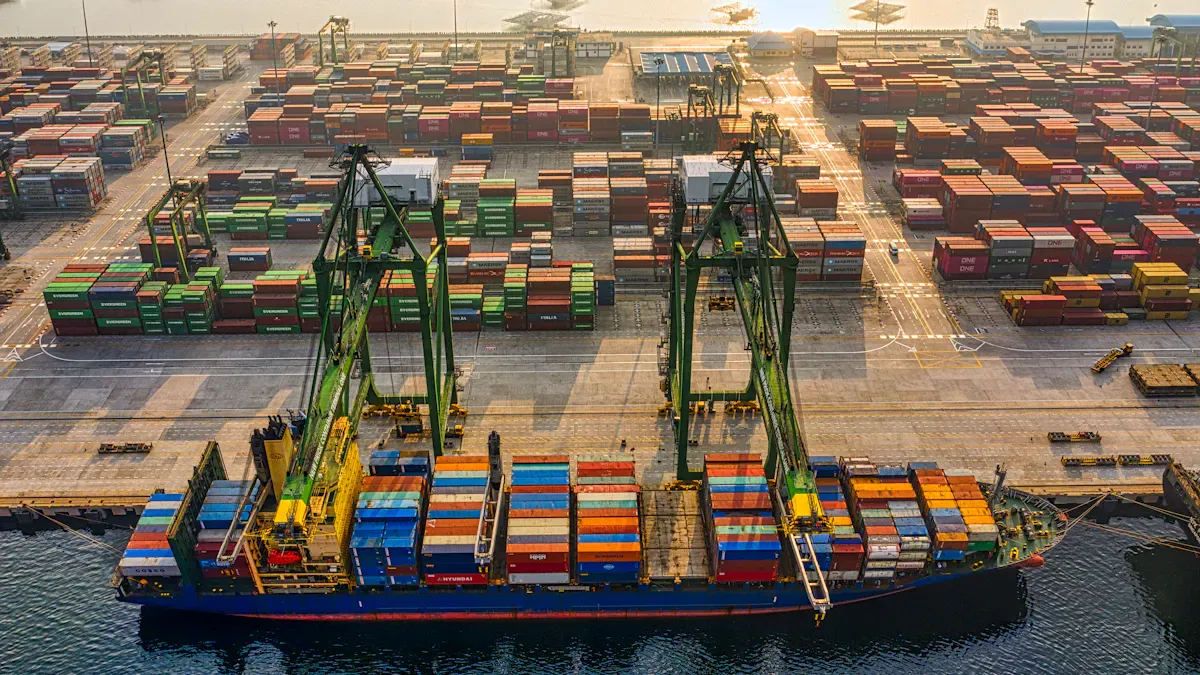
Using ship loader path planning keeps trim on schedule and prevents costly issues. Poor planning can lead to ship instability, safety hazards, and operational delays. Many shipping companies report that up to 80% of ships experience waiting times at ports, primarily due to congestion. CEGC offers proven solutions to enhance your operations:
|
Strategy |
Description |
|---|---|
|
Computational Fluid Dynamics (CFD) |
Demonstrates fluid movement to optimize trim operations. |
|
Predictive Analytics |
Analyzes data to determine the optimal trim for each voyage. |
|
Dynamic Trim Adjustment |
Instantly adjusts trim using sensors installed on the ship. |
Key Takeaways
-
Good ship loader path planning stops expensive delays and helps keep the vessel steady by making sure cargo is spread out evenly.
-
Using anti-sway systems and smart technology can make loading faster and make operations safer.
-
Using predictive analytics and changing trim as needed can save fuel and lower costs.
Ship loader path planning keeps trim on schedule
Trim optimization and vessel stability
Cargo must be balanced on a vessel to keep it safe. If cargo is not balanced, the ship can become unstable. Ship loader path planning helps keep trim on schedule by putting cargo in the right spots. Careful planning means cargo is spread out evenly on the ship. This stops blocked paths and means you do not have to move cargo again. The vessel stays steady and does not tilt dangerously.
There are strict rules from groups like the International Maritime Organization. These rules keep people, ships, and nature safe. Ship loader path planning helps you follow these rules:
-
SOLAS sets safety rules for how ships are built and used.
-
MARPOL stops ships from polluting the sea.
-
ISM Code makes sure ships have safe management systems.
-
Ballast Water Management stops harmful species from spreading.
CEGC’s port machines, like ship loaders and cranes, help spread cargo evenly. These machines have safety features to protect workers and cargo. You can trust CEGC’s equipment to keep work safe and smooth. Automation and precise moves help you load cargo fast and right. Bulk cargo systems can load thousands of tons every hour, making your job easier.
Tip: Use smart technology to save money on labor and move more cargo. Environmental controls help you use less energy and keep your port working well.
Schedule efficiency and operational flow
You want to keep your loading schedule on time. Ship loader path planning helps by cutting delays and speeding up work. Good loader movement means faster cycles and keeps containers moving. Anti-sway control and motion coordination stop loads from swinging and hitting things. These systems make crane moves safer and smoother.
CEGC’s ship loader path planning uses AI to control movement. This tech guesses where the hook will go and changes crane moves. You see fewer accidents and work is more reliable. Anti-sway algorithms keep loads steady and help place them right. You do not wait long for loads to stop swinging, so you finish loading faster.
Here is how anti-sway control helps your work:
|
Impact of Anti-Sway Control |
Description |
|---|---|
|
Reduced Positioning Time |
Anti-sway systems cut the time needed to place containers, so cycles are faster. |
|
Increased Throughput |
Faster cycles mean more containers moved, so cranes work better. |
If you do not control sway, loading takes longer. Workers must wait for loads to stop swinging before placing cargo, which slows everything down.
CEGC’s container equipment, gantry cranes, and ship loaders use smart tech to keep containers moving. Automation turns your terminal into a smart hub. You can do over 30 moves each hour with anti-sway tech. Bulk cargo systems can load up to 8000 tons every hour. Smart tech cuts labor costs by 60% and moves more cargo by 40%. Environmental controls help you use up to 30% less energy.
You can trust ship loader path planning to help you avoid costly delays and keep your port safe and running well.
Best practices and solutions for port machinery
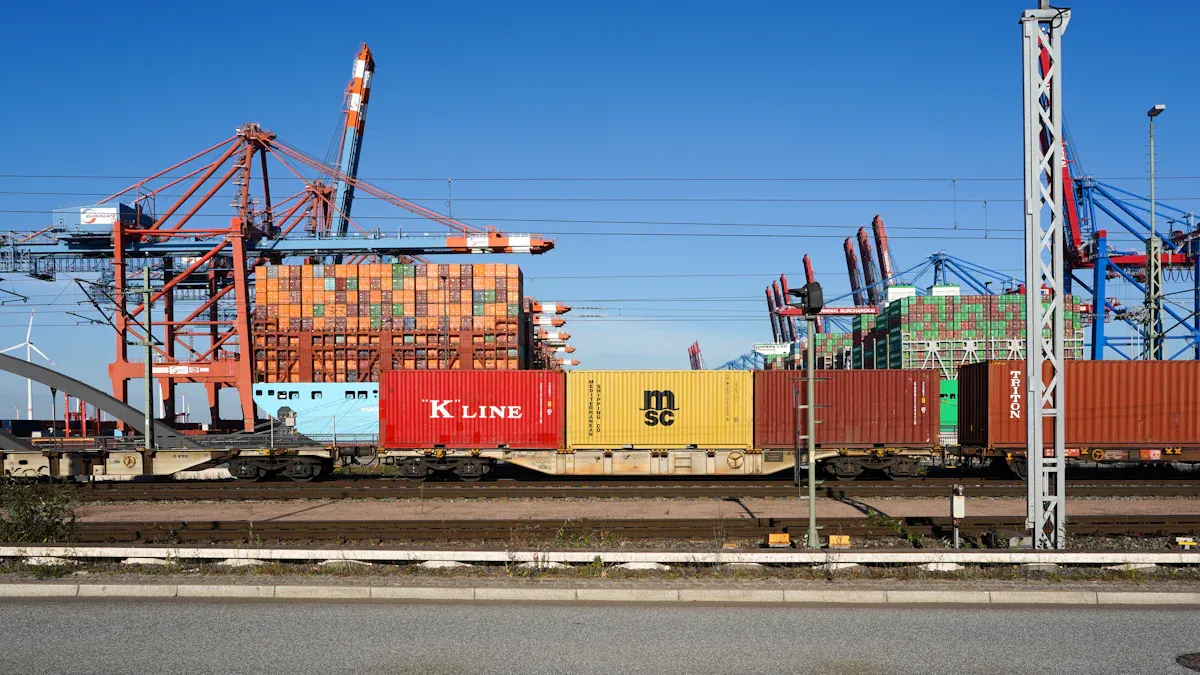
Actionable strategies for path planning
You can make ship loader path planning better by using simple steps. Anti-sway systems help keep loads steady when cranes move them. This lowers the chance of accidents and helps put cargo in the right place. Safety interlocks stop overloads and crashes, so work goes smoother and faster. Operator-centered controls give clear alarms and are easy to use. You can train your team fast and keep their work steady.
Tip: Use container handling equipment like container gantry cranes and reach stackers to be more flexible. Reach stackers can lift, move, and stack containers. This makes it easier to handle changes and keeps your terminal working well.
CEGC lets you pick how much automation you want for ship loader path planning. You can choose from help with tasks to full remote control. Wireless controls and safety upgrades make work safer. Advanced automation cuts waiting times and helps move containers faster. Custom lifting power makes sure your crane fits your cargo.
Overcoming common challenges
You may face problems like strong wind, not enough operator skill, and fixing machines. Marine-grade durability features help your equipment last in tough places. The table below lists important features:
|
Feature |
Description |
|---|---|
|
IP68-rated enclosures |
Keeps out dust and water, which is important for saltwater. |
|
Saltwater corrosion protection |
Makes equipment last longer and need less fixing. |
|
Extreme temperature performance |
Helps machines work in any weather. |
|
CCS approval |
Shows the equipment meets top quality and safety rules. |
You can stop rust by washing often, checking coatings, and oiling parts. Electrical checks and watching hydraulics keep things working well. Powder coating and nano-ceramic coatings protect the outside. Cathodic protection guards areas that get hit by salt. Predictive monitoring uses sensors to watch for humidity and salt, so you can fix problems early.
Ship loader path planning keeps trim on schedule by using these smart steps and tools. You can make your port safer, faster, and more reliable.
You can keep your port safe and working well by matching vessel trim and loading times. The table below shows how smart planning saves fuel, cuts costs, and keeps schedules on track.
|
Benefit |
Description |
|---|---|
|
Fuel Efficiency |
Algorithms that help with speed can save 8–12% on fuel for most trips. |
|
Operational Cost Reduction |
Dynamic routing and planning help avoid delays and waiting, so costs go down. |
|
Improved Scheduling Reliability |
Strong load forecasting keeps things on schedule and stops surprise changes, making timing better. |
To make your work better, try these steps:
-
Use anti-sway systems and motion control for steady, quick loading.
-
Keep all scheduling in one place and watch it live.
-
Get teams ready and check equipment to stop delays.
-
Watch important numbers and make small fixes to keep improving.
FAQ
How does ship loader path planning improve safety?
Anti-sway systems help stop loads from swinging. Safety interlocks help prevent crashes. These features keep workers and cargo safe while loading.
What equipment can help optimize loading schedules?
|
Equipment |
Benefit |
|---|---|
|
Moves containers faster |
|
|
Stacks containers easily |
|
|
Ship loader |
Loads bulk cargo well |
Can CEGC customize port machinery for my project?
You can pick the size, automation, and protection from rust. CEGC can change machines to fit what your port needs.


