
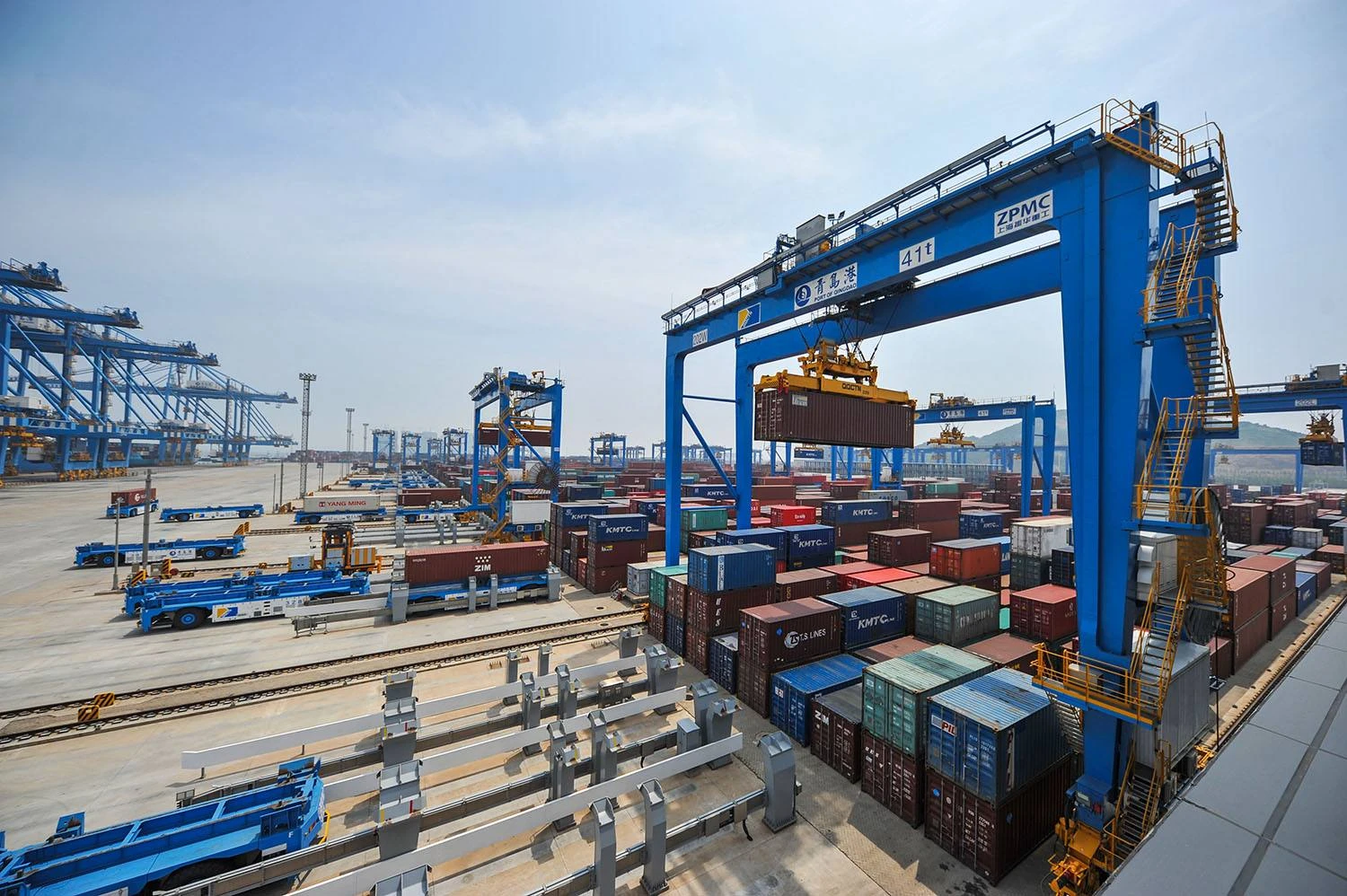
When operating ship loading systems, the importance of automation for consistent trim becomes clear. Ship loading systems: automation for consistent trim ensures vessels remain safe, stable, and efficient during operations. Poor trim can lead to grounding, capsizing, or steering difficulties. By integrating automation for consistent trim, ship loading systems minimize errors, improve precision, and reduce operational costs. CEGC provides advanced solutions that address these challenges effectively.
Key Takeaways
-
Automation in ship loading systems keeps trim steady. This makes operations safer and more efficient.
-
Real-time monitoring and control systems watch cargo weight and balance. They let workers change things fast to keep the ship stable.
-
Anti-sway technology stops loads from moving too much. This makes things safer and helps move cargo faster.
Consistent Trim in Ship Loading Systems
What Is Trim and Why It Matters
Trim is the difference in draft at the front and back of a ship. It is like the ship’s balance from front to back. Good trim means the center of gravity lines up with buoyancy. This helps keep the ship steady and safe when loading or unloading. If you do not manage trim, the ship could run aground, tip over, or be hard to steer.
A ship with good trim moves through water more easily. This helps save fuel and lets the ship go faster. For example, automatic trim changes can help use less fuel and save money. Studies show that keeping trim steady can save up to 2.6% in fuel for big ships. This can save hundreds of thousands of dollars each year.
Tip: Managing trim well keeps your ship safe and helps you move cargo faster.
Safety and Efficiency Impacts
Moving cargo comes with many problems. Load sway makes it hard to put cargo in the right spot. This can cause crashes and slow down work. Wind and sudden moves can make things worse. Different operator skills also change how safe and fast the work goes. New operators may not know what to do in emergencies, which can cause mistakes.
CEGC’s port machines, like portal cranes, container cranes, and ship loaders, help control trim at every step. These machines use smart systems to stop load sway and help place cargo better. With the right tools, you can keep your work safe, fast, and steady.
Automated Loading Systems and Ship Automation
Real-Time Monitoring and Control
You need good information to keep your ship safe. Automated loading systems use sensors and software to get real-time data. They check your vessel’s trim, cargo weight, and balance. These systems help you make quick choices. You can change loading operations right away. Ship automation lets you react fast to sea changes and cargo shifts.
Many ship loading systems: automation for consistent trim solutions use advanced software. For example, ShipLoad Loading Computer and K-Load Loading Computers help manage cargo, ballast, and stability. These programs give real-time monitoring, emergency response, and trim optimization. You can see all tank levels and cargo positions. You can even test damage scenarios. The table below shows some main features:
|
Software Solution |
Key Features |
|---|---|
|
ShipLoad Loading Computer |
Advanced cargo control, stability management, automation in loading operations, and emergency response. |
|
K-Load Loading Computers |
Full geometric model, compliance with regulations, real-time monitoring, and optional modules for optimization. |
With ship automation, you get fast response times. You can make quick changes. The system uses real-time data from sensors and GPS. This keeps your vessel stable. You can trust these tools to keep trim good and improve performance every loading cycle.
Anti-Sway and Safety Solutions
Safety is very important when you use ship loading systems: automation for consistent trim. Load sway can cause accidents and slow down work. It can damage cargo or equipment. Automated systems use anti-sway technology to keep loads steady. Sensors, PLCs, and actuators work together. They detect and stop swinging in real time.
-
Active anti-sway systems figure out load movements and wind effects before trouble starts.
-
The system moves automatically to stop swinging and keeps the load stable.
-
You can place containers faster and with less risk of crashing.
-
Anti-sway systems help you get more work done and keep things safer.
Ship automation also has safety interlocks and operator-centered HMI (Human-Machine Interface). Interlocks and alarms do different jobs. Interlocks can set off alarms, but each has its own screen on the HMI. This clear setup helps you avoid mistakes and lowers human error. You get faster work and better safety every shift.
CEGC’s portal cranes, container cranes, and ship loaders use these safety features. You can count on these machines to work well and protect your team.
Predictive Maintenance and Energy Efficiency
You want your ship loading systems: automation for consistent trim to work well and save money. Predictive maintenance helps you find problems before they stop your work. Automated systems check temperature, vibration, and electrical status. You get alerts when something needs fixing, so you can repair it before it breaks.
Ship automation also helps you use less energy. The system changes power use in real time. It matches speed and acceleration to the load and wind. This lowers fuel use and cuts emissions. The table below shows how energy optimization helps your work:
|
Evidence Description |
Impact on Operations |
|---|---|
|
Energy optimization enhances energy efficiency, reducing fuel consumption. |
Lower operational costs and supports environmental sustainability through reduced emissions. |
|
Automation technologies allow for real-time monitoring and adjustments. |
Improved energy use efficiency, further lowering costs and minimizing environmental impact. |
|
Innovative energy efficiency measures have been implemented by numerous firms. |
Significant reductions in power consumption and emissions, aiding sustainability. |
You can connect your automated loading systems to terminal workflows. Modern integration methods help you do this. Terminal Operating Systems (TOS), ERP systems, and IoT sensors all share real-time data. This helps you manage cargo, customs, and schedules better.
With ship loading systems: automation for consistent trim, you get predictive maintenance, energy savings, and smooth workflow integration. Ship automation gives you tools to keep your operations safe, efficient, and ready for the future.
Benefits and Challenges of Automation
Key Benefits for Ports and Terminals
When you use automated loading systems, you get many benefits. These systems make ports safer and help save fuel. They also lower pollution and make ships load faster. You spend less money and work more efficiently every day. Automated loading systems let you move cargo with fewer workers. Loading dock automation makes jobs quicker and safer. Automation helps people stay apart and talk better.
|
Benefit Type |
Description |
|---|---|
|
Automation needs fewer skilled workers, so labor costs go down. |
|
|
Improved Operational Efficiency |
Gate automation makes work smoother and saves workers. |
|
Enhanced Safety |
Automation keeps people apart, which makes things safer. |
|
Improved Communication |
Paperless port systems help people share information faster. |
The electronic queue system cuts CO2 by 16-24 percent each trip. Ships can go slower and use less fuel because they do not have to hurry to get in line.
|
Metric |
Baseline (DSM Port, est.) |
Target (12 months) |
Notes |
|---|---|---|---|
|
28–36 (avg ~32) |
18–22 (avg ~20) |
Better scheduling and crane automation make this possible |
Automated loading systems also cut labor costs, waste less material, and use equipment better. You see your costs drop by up to half and work speed up by 30 percent. Loading dock automation boosts how much you get done by 20 percent and lowers labor costs by 15 percent.
Overcoming Implementation Challenges
You will have some problems when you start using automated loading systems. It costs a lot at first and you need the right buildings and tools. You must plan well and teach your team new things. Loading dock automation means workers need to learn new skills. You set up many training classes so everyone feels ready. Classes teach safe use, fixing machines, and programming. Learning in person helps your team understand faster.
You also need to think about computer safety, rules, and working with others. Automated loading systems must follow new safety and law rules. CEGC gives you custom projects and standard features. You can change automation to fit your port, like how much it can hold, how often it works, and how well it fights rust.
You can see that automation helps ships stay safe and balanced. CEGC’s solutions let you load ships quickly and carefully. Smart systems watch ship trim and make ships work better. In the future, there will be more ship automation. Ships will use greener equipment and digital tools for all operators.
|
CEGC Solution |
How It Helps Your Ship Operations |
|---|---|
|
Makes ship cargo handling faster and safer |
|
|
Ship loader turnaround |
Uses real-time data for smarter ship loading and better ship schedules |
FAQ
How do automated truck loading systems improve safety?
Automated truck loading systems use sensors and controls to keep people safe. These systems help stop accidents. They keep workers away from dangerous spots.
Can automated truck loading systems speed up cargo handling?
Automated truck loading systems move cargo faster. They help lower waiting times. You can finish loading jobs more quickly.
What maintenance do automated truck loading systems need?
You need to check sensors and motors often. The system tells you when something needs fixing. Regular checks help your equipment work well.
Note: Automated truck loading systems help you save money and stop delays. You get better performance every day.
|
System Feature |
Benefit for You |
|---|---|
|
Real-time monitoring |
Find problems faster |
|
Automated controls |
Do not need as much manual work |
|
Predictive maintenance alerts |
Fewer surprise breakdowns |


