
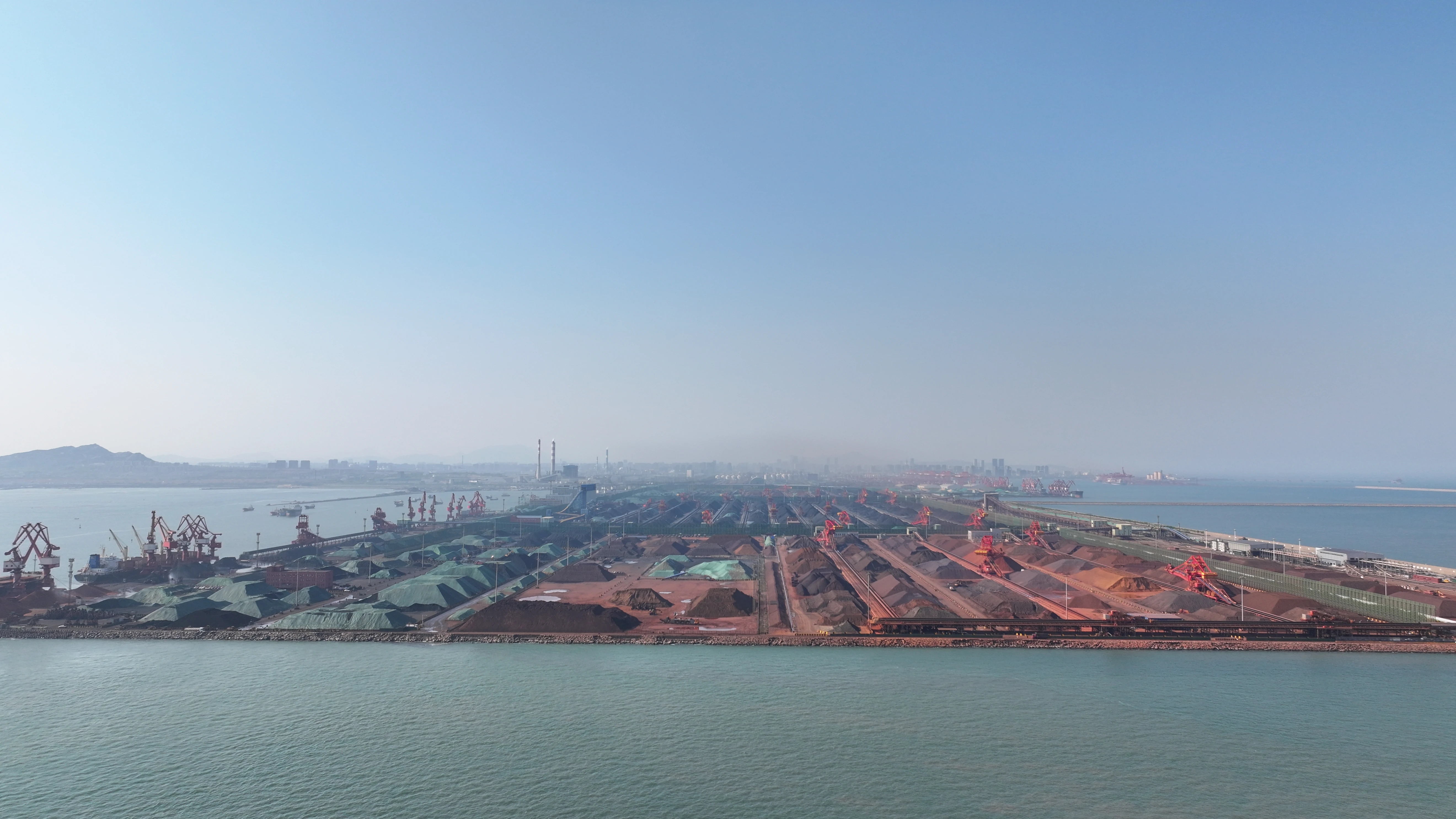
Ship loading systems: reduce empty shuttle movements by leveraging advanced automation and real-time coordination. With CEGC’s integrated solutions, including portal cranes, container handlers, and ship loaders, ports benefit from seamless data-driven operations. This synergy enables cranes to operate at higher speeds and allows for more flexible berth scheduling, making it easy to accommodate a wide range of vessel sizes.
By implementing CEGC ship loading systems: reduce empty shuttle movements, ports experience significant improvements across key operational factors:
|
Factor |
Impact on Port Operations |
|---|---|
|
Vessel turnaround time |
Ships spend less time waiting, resulting in fewer empty shuttle movements |
|
Yard dwell time |
Containers are processed faster, reducing the need for shuttle repositioning |
|
Terminal productivity |
Enhanced efficiency means shuttles are utilized more effectively |
|
Port congestion |
Smoother flow reduces crowding and minimizes empty shuttle trips |
|
Freight rate fluctuations |
Stable operations help maintain steady rates, impacting shuttle movement needs |
With CEGC’s ship loading systems: reduce empty shuttle movements, ports achieve higher productivity, lower congestion, and optimized shuttle usage for all vessel types.
Key Takeaways
-
Using advanced ship loading systems can cut down empty shuttle trips. This makes loading faster and helps ports work better.
-
Real-time coordination and automation help make operations better. They lower costs and keep workers and equipment safer.
-
Data-driven optimization helps plan and route smarter. This saves money and reduces harm to the environment.
Empty shuttle movements in port operations
What are empty shuttle movements?
Empty shuttle movements happen when vehicles move containers with nothing inside. In ports, trucks, cranes, or handlers often move empty containers around. These trips do not help load ships. They waste time, space, and resources.
-
About 20% of container port work is moving empty containers.
-
Trade imbalances cause many empty trips to happen.
-
Around 2.5 million TEUs of empty containers are stored worldwide.
When loading ships, every trip should matter. Empty shuttle movements slow down ship loading and make things less efficient. They also use up space that could hold containers ready for loading.
Why are they inefficient?
Empty shuttle movements cause problems for port efficiency and loading. First, they make more trips needed to finish loading. Trucks and cranes spend extra time moving empties instead of loading full containers. This makes the process slower and less efficient.
Note: Moving empty containers costs the shipping industry over $10 billion each year.
Here are some reasons why empty shuttle movements hurt your port’s efficiency:
-
Extra Cost: Moving empty containers uses fuel, labor, and equipment but does not earn money from cargo. This lowers your profit.
-
Resource Utilization: Empty containers take up space on vehicles that could carry cargo, which makes operations less efficient.
-
Economic Impact: If your port has too many empty moves, it can lower your revenue and make loading less profitable.
Cutting down on empty shuttle movements helps you load faster, work better, and use your equipment wisely.
Ship loading systems: reduce empty shuttle movements
Real-time coordination and automation
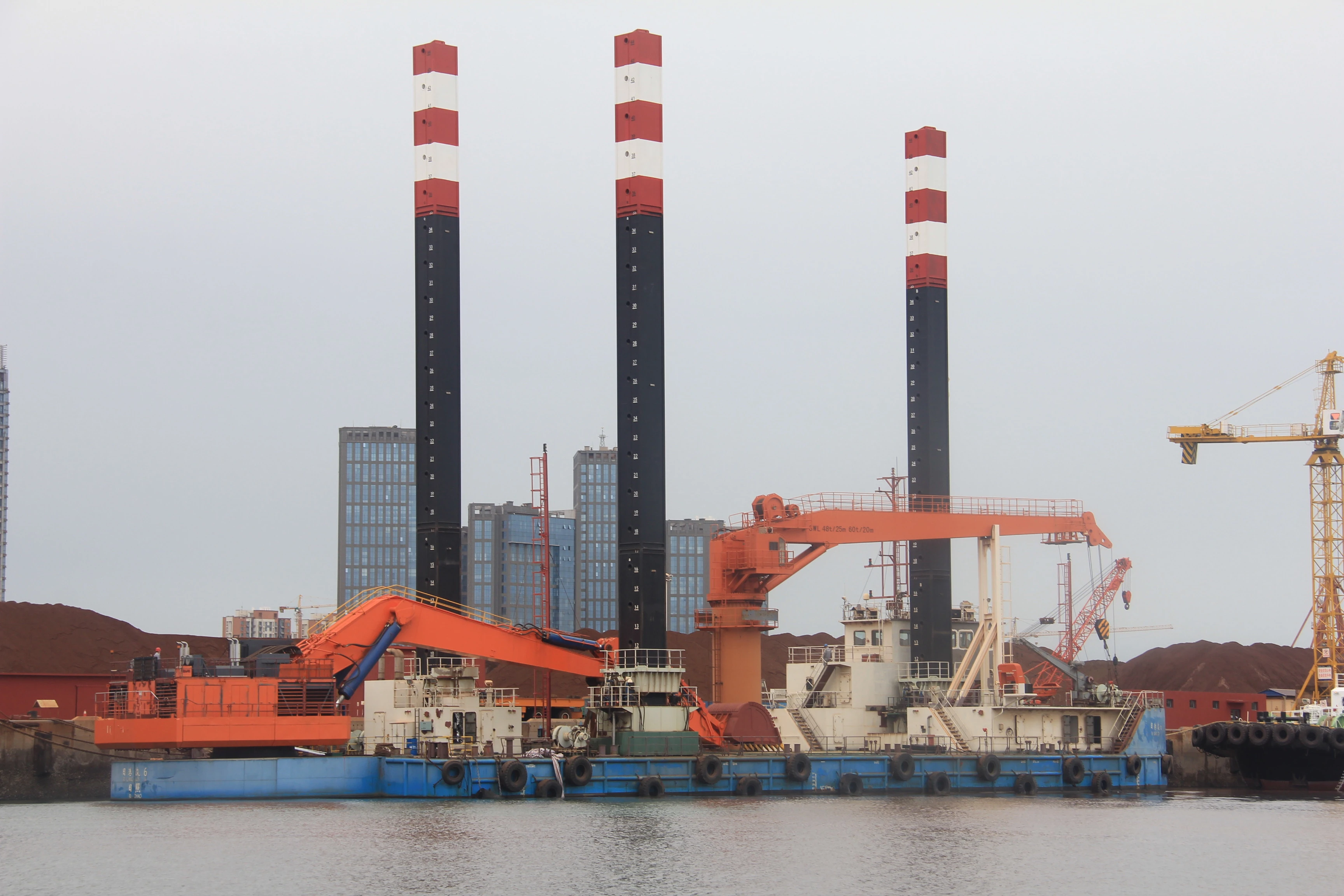
You can make your port work better with ship loading systems: reduce empty shuttle movements by using real-time coordination and automation. These systems help portal cranes, container handlers, and ship loaders work together as a team. When you use automation, you have fewer empty shuttle trips and every move matters.
Modern ship loading systems: reduce empty shuttle movements by using smart machines like robotic unloaders, articulated arm loaders, automated guided vehicles (AGVs), and automated truck loading systems (ATLS). These machines load and unload materials with little help from people. This means you get more work done and make fewer mistakes.
Here is how real-time coordination helps your port:
|
Evidence Description |
Key Points |
|---|---|
|
Modern container shipping software optimizes load planning. |
Reduces guesswork, improves space utilization, speeds up loading, and minimizes damage. |
|
Visibility among warehouse teams and partners enhances planning. |
Enables proactive adjustments, reduces idle time, and improves delivery speed. |
|
Automation in ports is transforming container handling. |
Speeds up loading/unloading, reduces labor costs, and minimizes human error. |
|
Cloud platforms facilitate real-time coordination across the supply chain. |
Enhances visibility, optimizes container space, and automates compliance with regulations. |
You can see that ship loading systems: reduce empty shuttle movements by making all equipment work together. You get faster loading, less waiting, and better use of your machines.
Data-driven optimization and predictive analytics
You can use data-driven optimization and predictive analytics to make your ship loading systems: reduce empty shuttle movements even better. Artificial intelligence helps you plan the best shuttle routes and schedules. It looks at lots of data and gives you smart ideas for loading and unloading.
AI can:
-
Look at data to help you plan and use resources.
-
Watch equipment health in real time and warn you about problems.
-
Make cargo movement smoother and cut down loading times.
With predictive route optimization, you can change shuttle routes when things change. This helps you avoid delays and keep loading smooth. Real-time visibility lets you find problems fast, so you can fix them before they cause empty shuttle trips. Logistics performance monitoring helps you check delivery speed, order accuracy, and service quality.
|
Evidence Type |
Description |
|---|---|
|
Predictive Route Optimization |
Enables dynamic route adjustments based on real-time conditions, improving delivery reliability. |
|
Real-Time Visibility |
Helps detect issues faster, minimizing delays and reducing losses during transportation. |
|
Logistics Performance Monitoring |
Evaluates delivery speed, order accuracy, and service reliability, allowing for continuous improvements. |
When you use ship loading systems: reduce empty shuttle movements, you get smarter planning and routing. You can also use these systems for ship unloading and continuous pneumatic ship unloader operations.
Key features: anti-sway, safety, and integration
You need safe and reliable loading. Ship loading systems: reduce empty shuttle movements by using special features like anti-sway technology, safety interlocks, and smooth integration. Anti-sway systems stop loads from swinging, which keeps workers safe and protects equipment.
-
Anti-sway technology stops loads from swinging and keeps people safe.
-
It makes moving loads faster because you spend less time fixing swings.
-
Accurate load positioning helps you move more containers each hour.
-
The anti-sway system figures out how loads and wind will move. It makes automatic changes to keep loads steady.
-
This gives you better control and makes material handling easier.
-
The system works in many places, so you can trust it in your port.
The Soft Touch Down feature helps you lower containers gently. It lets you keep high speed until the system slows down, so you move more containers and keep your port safe.
Advanced ship loading systems: reduce empty shuttle movements with features like autonomous shuttles, dynamic storage, real-time data management, and flexible movement. These solutions help you organize orders, routes, and priorities. You can also use mobile conveyors and self-unloading vessels to make loading and unloading easier. This means you need less extra equipment and have fewer empty shuttle trips.
When you pick CEGC solutions, you get custom options for your portal crane, container crane, container handler, ship crane, cargo crane, and container handling equipment. You can choose the right automation level, anti-corrosion grade, and safety features for your needs. This gives you high efficiency and safe operations for every loading and material handling job.
Benefits and real-world impact
Cost savings and efficiency
When you cut empty shuttle movements, you save a lot of money. You use your trucks and workers in a smarter way. You do not waste money moving empty containers around the port. This helps lower your fuel and labor bills. Here are some main benefits:
-
Loading and unloading go faster, so more cargo moves through the port.
-
You spend less money on moving empty containers to new spots.
-
You can save millions each year by making container moves more efficient.
-
Using fewer containers and less fuel helps the environment.
Safety and environmental benefits
Using advanced ship loading systems makes your port safer. These systems help stop accidents and keep workers safe. They also help the planet by lowering emissions and saving energy. The table below shows how technology makes ports safer:
|
Metric |
Value |
|---|---|
|
Mapping Errors |
< 6.1 cm |
|
Collision Prediction Accuracy |
91.2% |
|
False Alarm Rate |
< 5% |
|
Average Response Time |
≤ 1.4 s |
Cutting empty shuttle trips can lower carbon emissions by up to 40%. You also use containers better, so you need fewer of them. This helps your port reach its green goals.
Case studies and CEGC solutions
You can check how well your port is doing by looking at key numbers. These include how long it takes to load, how fast ships leave, and how much fuel you use. The table below lists some important KPIs:
|
KPI |
Description |
|---|---|
|
Average time to load |
Tells you how quickly you finish loading and unloading. |
|
Vessel turnaround time |
Shows how fast ships unload and leave the port. |
|
Fuel consumption |
Measures how much fuel you use during loading and unloading. |
|
Emissions monitoring |
Checks if you are meeting your green targets. |
Ports using CEGC portal cranes and container handlers see better work speed and safer loading. They also use dashboards to watch equipment from far away. This helps them plan repairs and make unloading faster.
You can fix empty shuttle movement problems with CEGC ship loading systems. These systems help you load ships faster and work more safely. They also help you spend less money.
-
You can pick special features for your port, like anti-sway systems and strong parts for the sea.
-
Smart machines and data tools help you do your job better each day.
|
Benefit |
Description |
|---|---|
|
Increased Efficiency |
You can work faster to keep up with world trade. |
|
Improved Safety |
There are fewer dangers because of safety tools. |
You can talk to CEGC for custom projects and expert help.
FAQ
How do ship loading systems help reduce empty shuttle movements?
Automation and real-time data help you plan better. These tools let you make fewer empty trips. You save time when you use them.
What equipment can you integrate with CEGC ship loading systems?
You can link portal cranes, container handlers, ship loaders, and reach stackers. When you connect these machines, your port works faster and smoother.
Can you customize ship loading systems for your port?
|
Option |
Available? |
|---|---|
|
Capacity |
✅ |
|
Span/Height |
✅ |
|
Automation |
✅ |
|
Anti-corrosion |
✅ |
You pick the features that match what your port needs.


