
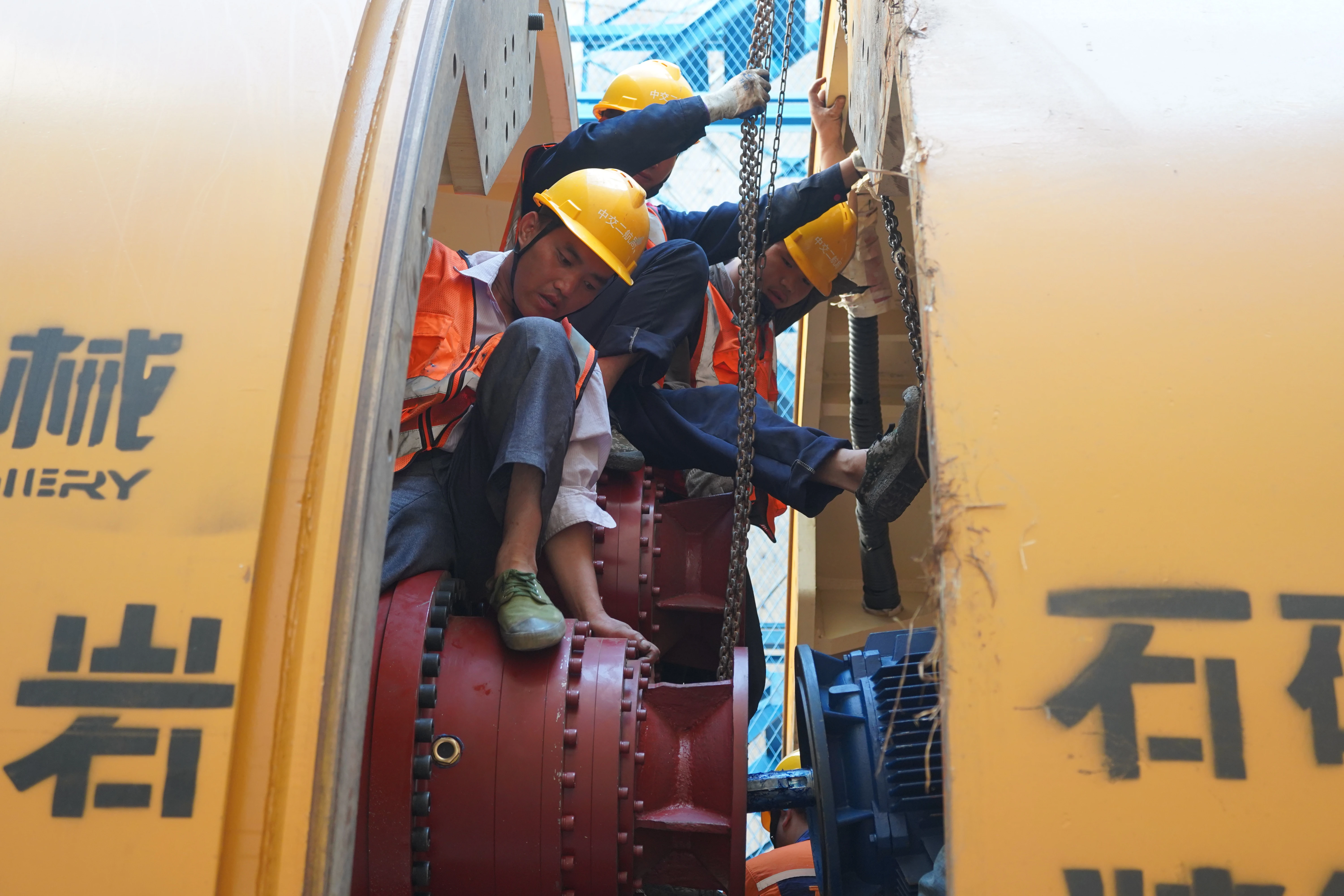
You notice that TBM tunnel advance improves when soil won’t cling. When TBM tunnel boring machines operate in ground with low soil sticking, they perform more efficiently. Soil that clings can lead to increased breaks, cutterhead damage, and slower muck removal. CEGC provides tunnel boring machine method solutions that enhance digging, tunneling, and ground work for every tunnel project.
Key Takeaways
-
Soil sticking slows down TBM work. Less sticking means muck is removed faster and there is less waiting time.
-
Knowing about soil, like how wet or sticky it is, helps you pick the best TBM. Picking the right one makes work faster and there are fewer repairs.
-
Using CEGC's new systems can make TBM work better. These tools help control ground pressure and keep the cutterhead clean.
Soil cling and TBM tunnel advance
What is soil cling in tunnel boring machines
Soil cling happens when sticky ground sticks to the tbm cutterhead. This can change how tunnel digging works. If you use a tbm, soil cling can make digging slower. It also makes it harder to get muck out. Experts in geotechnical engineering use lab tests to see how much soil sticks to the machine. These tests help you guess how different ground types affect tbm work. Researchers use special machines to copy drilling and see how fast soil blocks the cutterhead. They check the overconsolidation ratio and undrained shear strength to learn how soil affects tunneling. You should know these geotechnical properties before starting a tunnel project.
How soil cling slows TBM tunnel advance
Soil cling can really change how well a tbm works. When sticky ground builds up on the cutterhead, you must stop the machine more. This makes tunnel digging slower. You may notice more cutterhead wear, so maintenance goes up. Soil cling can cause higher costs and less efficiency in tunneling. Sometimes, ground conditions change as you dig, making things worse. You can handle these risks by using CEGC’s closed-mode face support and soil conditioning systems. These tools help control ground pressure and make muck removal easier. They also keep the digging face stable, which helps tbm performance. If you use the right geotechnical tools and methods, you can lower the impact of soil cling and keep your tunnel project moving.
Key soil properties affecting TBM performance
Moisture, plasticity, and fines content
It is important to know how moisture, plasticity, and fines content affect tbm work. If soft soil has a lot of water, the ground can become unstable. This can cause more clogging when you dig tunnels. When the plasticity index is over 20%, clogging is most likely. Fines content matters a lot too. Too many fines make tunneling slower and less effective. You should always check these things before you start a tunnel job. The table below shows how each property changes tbm tunnel advance rates:
|
Factor |
Impact on TBM Tunnel Advance Rates |
|---|---|
|
Moisture Content |
More free water means more clogging in soft soil. |
|
Plasticity Index |
High plasticity causes more clogging and slower digging. |
|
Fines Content |
Too many fines make tunneling less efficient and slower. |
Grain size, cohesion, and stickiness
Grain size, cohesion, and stickiness change how your tbm works in different soils. Big grains in soft soil help muck move out easily. Small grains and sticky soil can slow down the tunnel work. Cohesion in soft soil can make the ground stick to the cutterhead. You should test grain size and stickiness before picking your tbm. SPT N-value tells you how strong and packed the ground is. This helps you know how your tbm will work in different soils. The table below shows what happens with each property:
|
Parameter |
Description |
|---|---|
|
Changes clogging and tunneling speed in soft soil. |
|
|
Cohesion and Stickiness |
High values slow digging and lower tunnel performance. |
|
Soil Strength (SPT N-value) |
Shows how well the ground supports tunneling and tbm work. |
Abrasiveness and cutterhead wear
Abrasive ground in soft soil can wear out your tbm cutterhead quickly. You need to look for hard pieces in the ground before you dig. If the ground is very abrasive, you will need more repairs and spare parts. Cutterhead wear can stop your tunnel job if you do not plan ahead. You should use CEGC’s wear management system to lower these problems. Checking often and using the right cutterhead design keeps your tbm working well. You can also change your tbm or Microtunnelling Machine for your soil. Mixed shield machines let you switch modes for different soft soils. Always match your machine to the ground for the best results.
Tip: Use geotechnical tests to learn about your ground. This helps you pick the right tbm and avoid problems when digging tunnels.
TBM tunnel advance improves when soil won’t cling
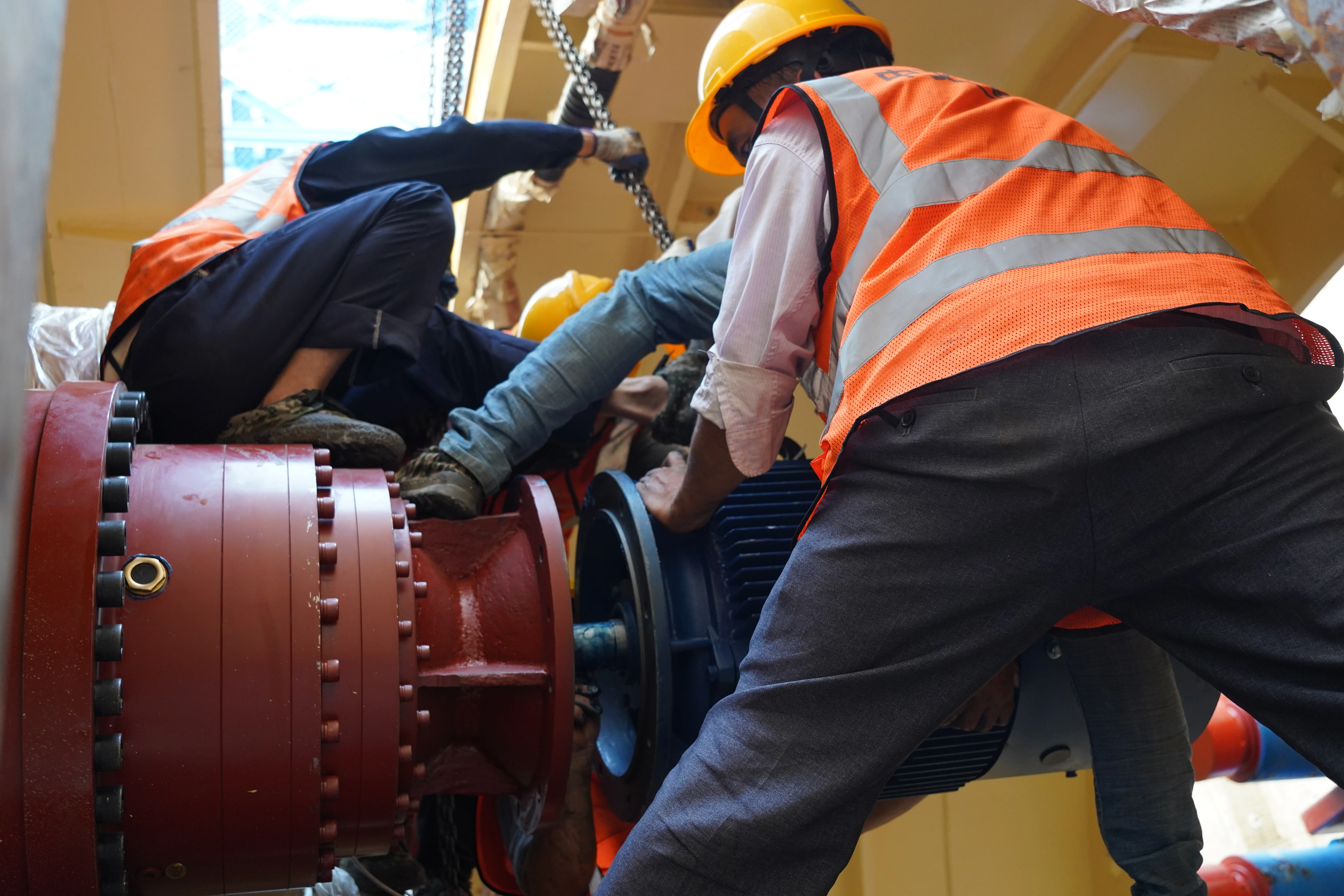
Reduced downtime and faster muck removal
When soil does not stick, tbm tunnel advance gets better. Sticky soil slows down the work and causes delays. If soil does not cling to the cutterhead, you spend less time cleaning. You get to dig more and stop less. The machine moves muck out faster, so the advance rate goes up. Blockages in the cutterhead and spiral conveyors happen less often. This means you can keep digging without stopping all the time.
Some materials, like those with lots of plastic clay, stick to metal and cause clogging. Clay particles sticking to parts is the main reason for this. When shield machines dig tunnels in clay, clogging can get very bad. This makes it hard to dig and can block the cutter head, disks, chamber, and spiral conveyors. It can also stop the shield from moving because of friction. If you do not stop the clogging, the machine slows down. You will need more time to clean, and the tunnel will not move forward as fast.
When soil does not cling, tbm tunnel advance gets better. Muck comes out faster, and you do not have as much downtime. This helps you work faster and finish on time. CEGC’s tunnel boring machine solutions help you keep high advance rates and steady digging.
Lower maintenance and improved efficiency
You do not need as much maintenance when soil does not cling. The cutterhead stays cleaner, so you do not stop for repairs as much. You save money on spare parts and labor. The machine keeps moving because there are fewer stops. Every part of tunneling gets more efficient.
CEGC’s cutting system helps you dig in tough ground and keep up performance. The modular design lets you check and change parts quickly. Guidance systems help you keep the tunnel straight and at the right level. These features help you dig faster and work better. You get steady progress and reliable digging.
When soil does not cling, tunneling gets easier. You do not have to clean as much, and the cutterhead lasts longer. The machine moves faster, so you finish the tunnel sooner. CEGC’s tbm and Microtunnelling Machine work well in all ground types.
Real-world examples and CEGC project solutions
You see real results when soil does not cling to the tbm. City and utility projects move faster and work better. CEGC’s projects teach important lessons:
-
Powerful machines are needed for mixed soil conditions.
-
You should do ground checks, like boreholes and surveys, before starting.
-
Real-time monitoring helps you find problems early and stay safe.
-
Ground conditions change how tbms work and can affect tunnel face and settlement.
-
EPB tbms work best in sticky soils, while STBMs are good for loose, wet soils.
-
New tbm designs and chemical additives help, but you must check the ground first.
-
The ground affects how well the tbm works and what risks you face.
-
Pick your tbm by knowing the soil to work safely and efficiently.
You learn that tbm tunnel advance is better when soil does not cling. You dig faster and get better results. CEGC’s machines help you handle the ground and work more efficiently. You can change your tbm or Microtunnelling Machine for each job. You get steady digging, fast progress, and strong results every time.
Tip: Always check the soil before you start digging a tunnel. Picking the right tbm for your ground helps you dig faster and work better.
Soil cling makes tbm tunnel advance slower. It also lowers tunneling performance. CEGC’s tunnel machines help dig better by using torque tuning, real-time monitoring, and machine learning. You can make tunneling work better with grouting, foaming agents, and polymers. Always check the ground before you dig a tunnel. This keeps tunneling safe and efficient.
-
CEGC’s microtunnelling torque tuning matches cutterhead power to the ground. This lowers soil sticking.
-
Real-time monitoring and machine learning help tbm work well in all ground types.
-
Grouting and foaming agents make the ground stable and tunneling more efficient.
-
Pre-excavation grouting and face pressure management keep tunnel digging safe and steady.
You should always check the ground and pick the right tools for your tunnel project. This helps tbm work well and makes tunneling successful in any ground.
FAQ
What makes tbm tunnel advance faster in certain ground?
Tunnel advance is faster when soil does not stick. The muck comes out clean, so tunneling is easier. This helps the machine work better and faster.
How do you predict tunneling performance in mixed ground?
You use special tools to guess how tunneling will go. These tools look at soil tests and machine data. They help you pick the right tbm for the ground.
Why does maintenance drop when soil does not cling to the tbm?
You do not have to clean the cutterhead as much. The tbm can keep working without stopping a lot. This means the tunnel moves forward faster. Tunneling is also safer. Good ground helps you keep up good work.
Tip: Always check the ground before you dig a tunnel. This helps you get better results and work faster.
|
Factor |
Impact on TBM and Tunneling Performance |
|---|---|
|
Clean Ground |
Faster tunnel advance, less downtime |
|
Sticky Ground |
Slower tunneling, more maintenance |


