
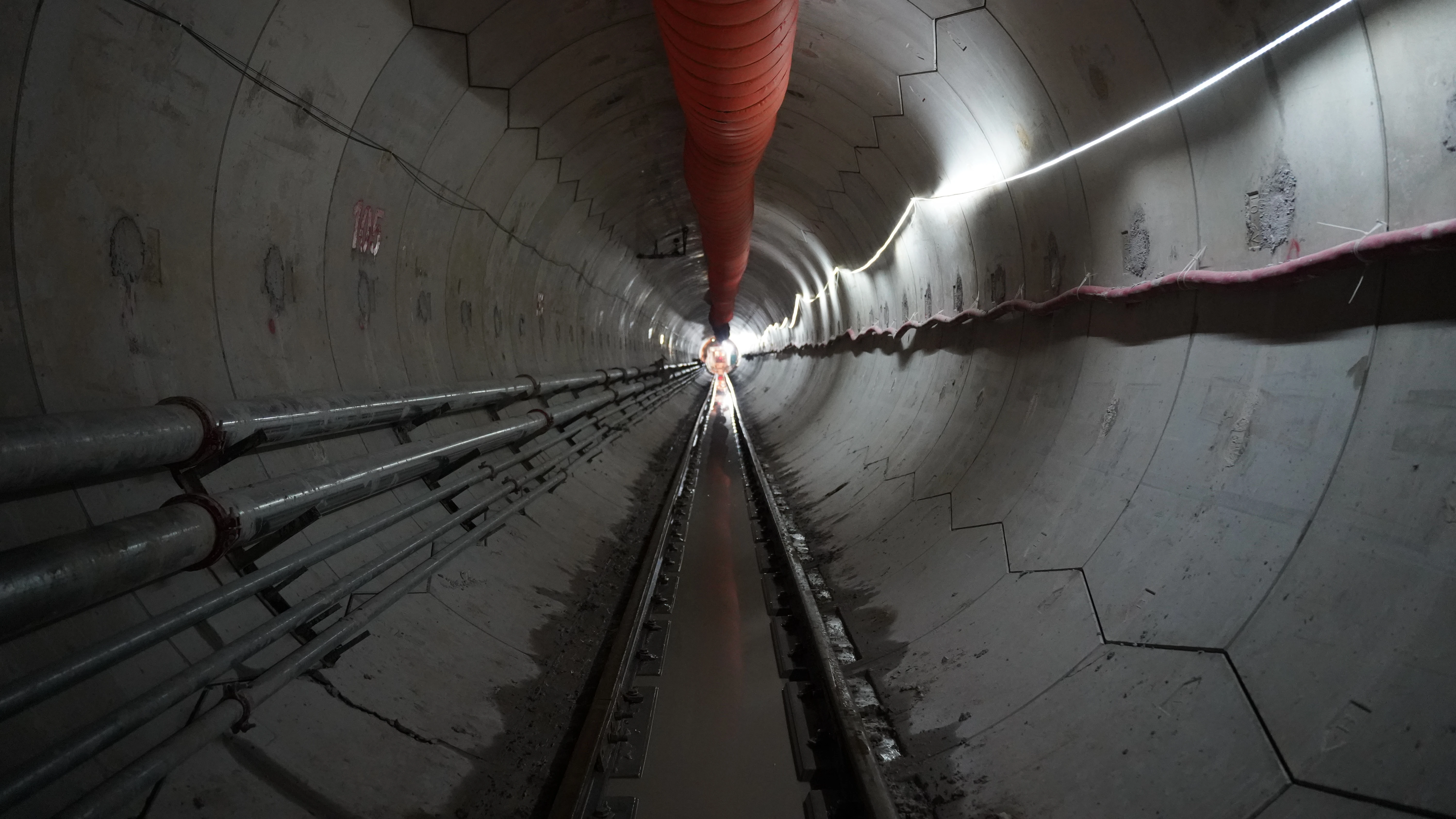
You might face costly issues when TBM tunnel overload events can trigger delay claims in construction projects. These challenges often arise due to changing ground conditions or equipment malfunctions. If you’re in the construction industry, you understand the importance of effective risk management. CEGC provides tunnel solutions to ensure your project stays on track. TBM tunnel overload events can trigger delay claims in building projects, making it crucial to have reliable support. With CEGC, you can minimize the impact of TBM tunnel overload events that can trigger delay claims and keep your operations running smoothly.
Key Takeaways
-
Learn about TBM tunnel overload events to stop expensive delays. Watch the ground and how the machine works very closely.
-
Use real-time monitoring systems to find problems early. This lets you fix things fast and keep your project on time.
-
Write down all delays and why they happened. Good notes help with claims and make it easier to handle risks later.
TBM tunnel overload events can trigger delay claims in construction
What are TBM tunnel overload events?
TBM tunnel overload events happen when the tunnel boring machine faces too much resistance or stress. This can occur because the ground changes suddenly, the machine is not used correctly, or there are maintenance problems. When you use a tunnel machine, you should watch for these problems:
-
Sudden changes in the ground can slow digging, cause stops, or jam the TBM tunnel boring machine.
-
Bad discontinuity orientation can make blocks slide toward the cutterhead. This affects loading and makes the tunnel surface uneven.
-
Lower strength-stress ratios can make plastic zones form. This causes big face extrusion.
These problems can cause delays in construction and lead to claims. You need to know about these risks to keep your project on time and avoid extra costs.
Impact on construction delays
TBM tunnel overload events can cause big delays in construction. When your machine is overloaded, progress slows down, stoppages happen more often, and costs go up. These problems often lead to claims for more time or money. Delays are worse in cities, where strict settlement limits and safety rules are important.
Face instability during TBM operations makes tunneling harder and slows down the advance rate. This leads to claims for delays because you cannot finish on time.
You also need to think about ground settlement, face instability, and water coming in. These issues can stop your project and cause more claims. The table below shows how ground settlement affects city construction projects:
|
Evidence Type |
Description |
|---|---|
|
Volume Loss |
A volume loss of 1% is usually not passed in stiff cohesive materials using EPBMs. |
|
Twin Tunnels |
The first tunnel digging caused a surface volume loss of 0.8%. The second tunnel raised it to 1.4%, showing bigger ground settlement effects. |
|
Model Used |
Gaussian models and the ‘ribbon sink’ model are used to figure out ground movements. |
You need good solutions to handle these risks. CEGC’s TBM and Microtunnelling Machine products have advanced features for face pressure control, ground protection, and stability. These features help lower the risk of delays and claims. The table below shows important features of CEGC’s solutions:
|
Feature |
Benefit |
|---|---|
|
Watches important factors to find and fix problems before stoppages happen. |
|
|
Closed-mode face support |
Keeps things stable in soft or wet ground, stopping disruptions. |
|
Formation-targeted cutterhead |
Matches the cutter head to the ground, making work more efficient. |
|
Protects the ground and keeps projects safe and on time. |
|
|
Quick action on force monitoring |
Stops bigger problems by letting you react fast to thrust spikes. |
|
Project-based customization |
Helps solve problems faster for each project’s needs. |
You can use these features to keep your construction project moving. By using CEGC’s tunnel machine solutions, you can cut down delays, reduce claims, and control costs. You will also make things safer and meet the strict rules for city construction.
Delay claims process and mitigation steps
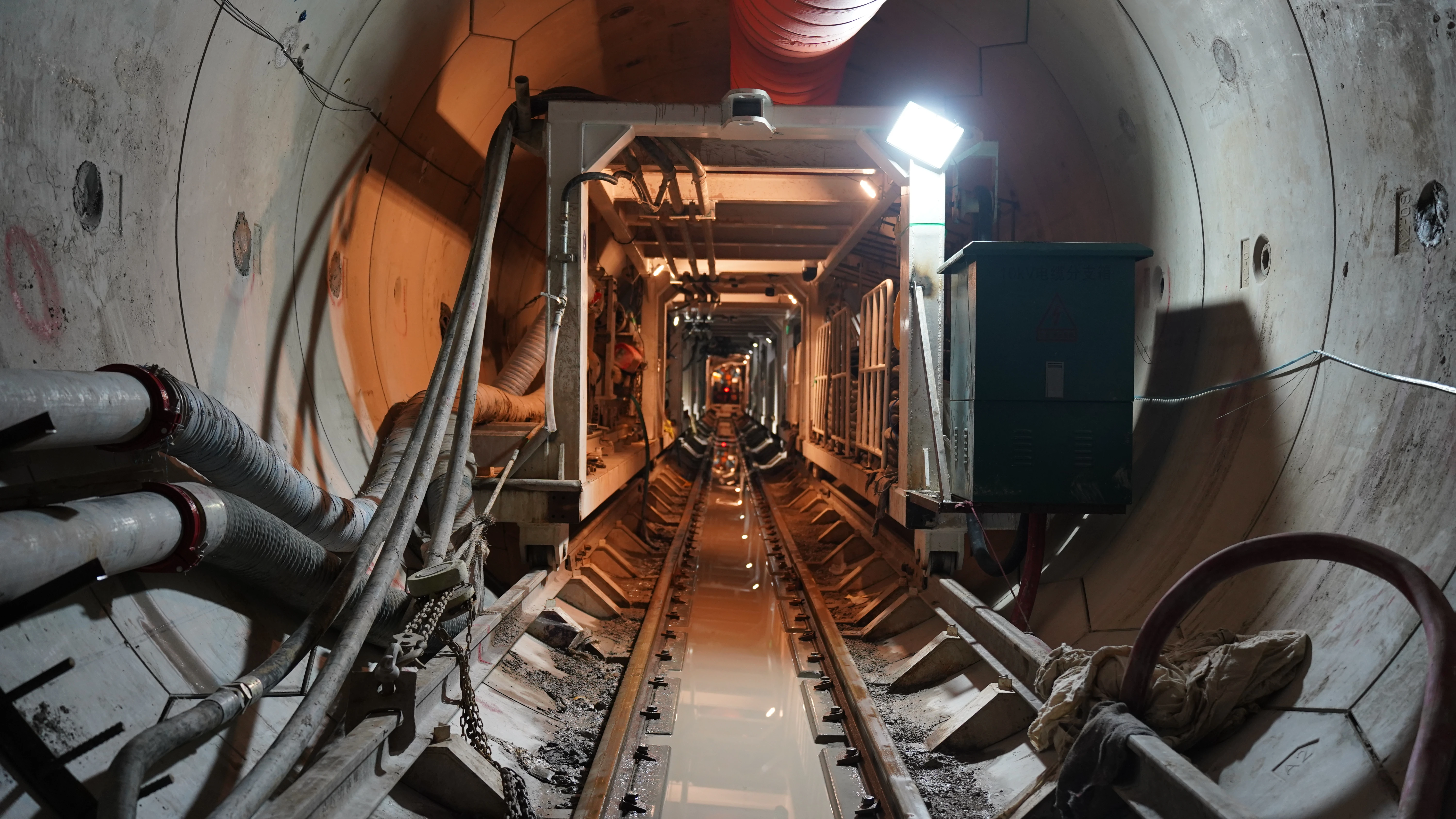
Analyzing and documenting construction delays
You need to know how to handle claims in construction. Delay analysis starts with keeping good records. Write down every event that changes the project schedule. Contractors look at risks like geology, machine problems, mistakes, money, and legal issues. There are five main things to check during delay analysis:
-
How likely the event is
-
If costs go up
-
If the project is finished late
-
If resources are lost
-
If work quality goes down
TBM tunnel jobs can have many types of delays. These include stops in digging, cutterhead damage, going off track, and hard logistics. The table below shows common delays and ways to fix them:
|
Stage |
Possible Delays |
Mitigation Strategies |
|---|---|---|
|
Mobilization |
Authority permits, TBM delivery |
Early coordination, advance procurement |
|
Shaft Construction |
Groundwater ingress, wall delays |
Geotechnical checks, ground improvement |
|
TBM Assembly & Launch |
Mechanical issues, late parts |
Early inspection, trial runs |
|
TBM Production |
Unexpected geology, cutter wear |
Real-time monitoring, spare parts readiness |
|
Urban Constraints |
Settlement risks, utility crossings |
Monitoring systems, controlled advance rate |
|
Breakthrough & Retrieval |
Alignment deviations, shaft readiness |
Survey monitoring, early preparation |
You must write down each delay and why it happened. This helps you prove claims and manage time delays.
Mitigating overload-related risks
You can stop delays by finding overload events early. Real-time monitoring systems help you see ground changes before stoppages happen. Sensors check pressure, movement, and machine performance. You can act fast to keep the TBM tunnel boring machine working.
Cutterhead damage slows work and causes more claims. When cutters break, the machine needs more force and energy. Repairs take longer and cause more delays. Going off track also causes delays. If the TBM moves away from the path, you must fix it. This takes time and resources.
You should use CEGC’s tunnel machine features for better risk control. These features include:
-
Quick feedback from monitoring systems for ground support
-
Custom alert levels for fast operator action
-
Formation-targeted cutterhead for efficient cutting
-
Guidance and steering systems for correct alignment
By using these steps, you can make delay analysis better, cut down delays, and protect your project schedule from surprise claims.
You can have delays and claims when TBM tunnel overload events happen. Good planning and risk management help stop construction delays. CEGC’s tunnel machine solutions use monitoring, accuracy, and regular checks to lower claims. Try these steps:
-
Watch thrust values and settlement zones.
-
Teach operators to act fast.
-
Write down all delays and claims.
|
Recommendation |
Description |
|---|---|
|
TBM Monitoring System |
Put in and keep systems for good data and early warning of delays. |
|
Ongoing Maintenance |
Plan regular checks to stop overload events and claims. |
|
Documentation |
Save all project data to help with claims and avoid delays. |
FAQ
What causes TBM tunnel overload events?
Overload events can happen if the ground changes fast. They can also happen if the machine is not used right or if it is not fixed when needed.
Tip: Check the ground and how the machine works to stop overload.
How do you reduce delay claims in TBM projects?
You should write down every delay. Use real-time monitoring to watch the machine. Make a plan to fix the machine often.
-
Keep records
-
Watch the machine
-
Plan for repairs
What features does CEGC offer for overload risk management?
|
Feature |
Benefit |
|---|---|
|
Face pressure control |
Keeps digging safe |
|
Customization |
Fits what your project needs |
|
Real-time monitoring |
Finds problems early |


