
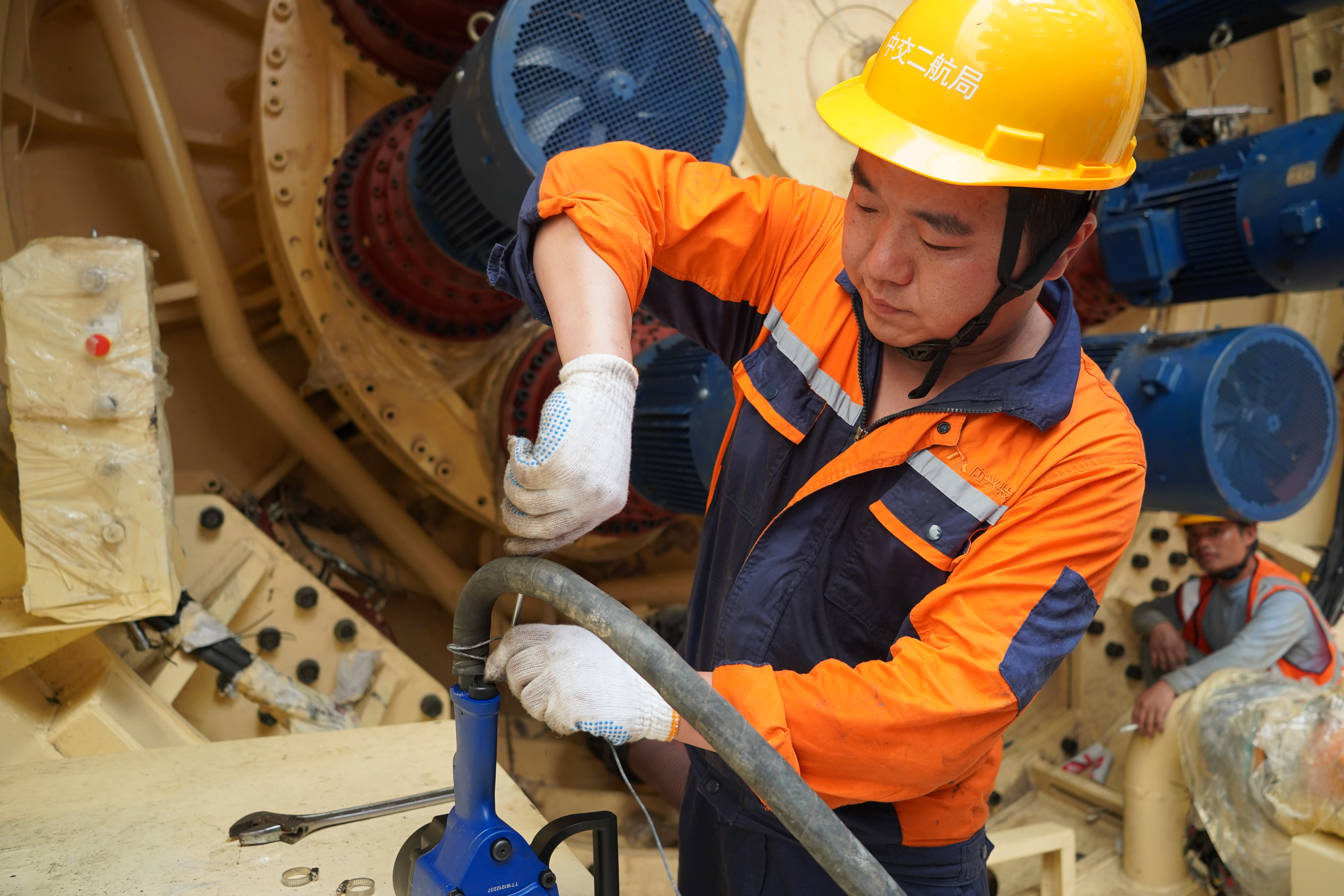
You see how under-sized separation kills micro tunneling productivity every day on site. Under-sized separation kills micro tunneling productivity when muck removal slows down and face pressure drops. Under-sized separation kills micro tunneling productivity by causing more downtime and increasing risk. Under-sized separation kills micro tunneling productivity for your team, your project, and your schedule. Even with CEGC’s advanced tunnel machine, under-sized separation kills micro tunneling productivity by lowering efficiency, making microtunneling less effective, and yielding poorer results. Under-sized separation kills micro tunneling productivity because microtunneling requires consistent performance. If you want high microtunneling productivity and strong results, under-sized separation kills micro tunneling productivity. Therefore, you must safeguard your microtunneling productivity, your overall productivity, and your project’s success.
Key Takeaways
-
Make sure your separation plant can handle what your tunnel machine produces. This stops work from slowing down and helps your project finish on time.
-
Look for signs that your separation plant is too small, like more tanker trips and bad slurry quality. Fixing problems early saves money and stops bigger issues.
-
Do regular maintenance and train operators well. This keeps things running smoothly and lowers the chance of expensive delays.
Undersized Separation Plants: The Productivity Bottleneck
Microtunneling Productivity Equation
You want your microtunneling job to go well. How fast you remove muck and keep the face safe affects productivity. CEGC’s microtunnelling machine works well, but you need enough separation capacity. If your separation plant is too small, muck removal slows down. When separation drops, your tunnel boring machine cannot handle all the spoil. This can cause the ground to settle. The face can become unstable. Water can leak into your site. The cutterhead can wear out faster. The tunnel can go off track. Moving materials gets harder. Separation capacity is not just a number. It is the most important part of microtunneling productivity.
How Separation Capacity Limits Tunnel Machine Output
Separation capacity helps your tunnel machine work fast. If your plant cannot handle all the slurry, you lose time. Your tunnel boring machine stops more often. You get more downtime. You spend extra money. You might miss your deadlines. Even if separation is 20% less, productivity can drop by 30-40%. The table below shows this effect:
|
Capacity Shortfall |
Productivity Reduction |
|---|---|
|
20% |
30-40% |
You need to match separation capacity to your tunnel machine’s output. If you do not, you get delays. Spoil piles up. You lose control of face pressure. Your tunnel boring machine cannot move forward. The ground can move and water can leak in. You must keep separation capacity right to protect your project.
Impact on Slurry Management and Quality
You need clean slurry for your microtunneling job. Separation capacity changes how good your slurry is. If your plant is too small, slurry gets worse. You lose control of face pressure. The excavation can become unsafe. Your tunnel boring machine wears out faster. You pay more for repairs. You need more tanker trips. Project costs go up. CEGC’s microtunnelling machine needs the right separation capacity for safe muck movement and face support. You must size your separation plant to fit your tunnel machine. If you do not, bottlenecks can hurt your microtunneling productivity.
Tip: Always check your separation capacity before you start a microtunneling job. The right size stops downtime and keeps your tunnel machine safe.
Recognizing, Quantifying, and Solving Undersized Separation Issues
Symptoms of Undersized Separation Plants
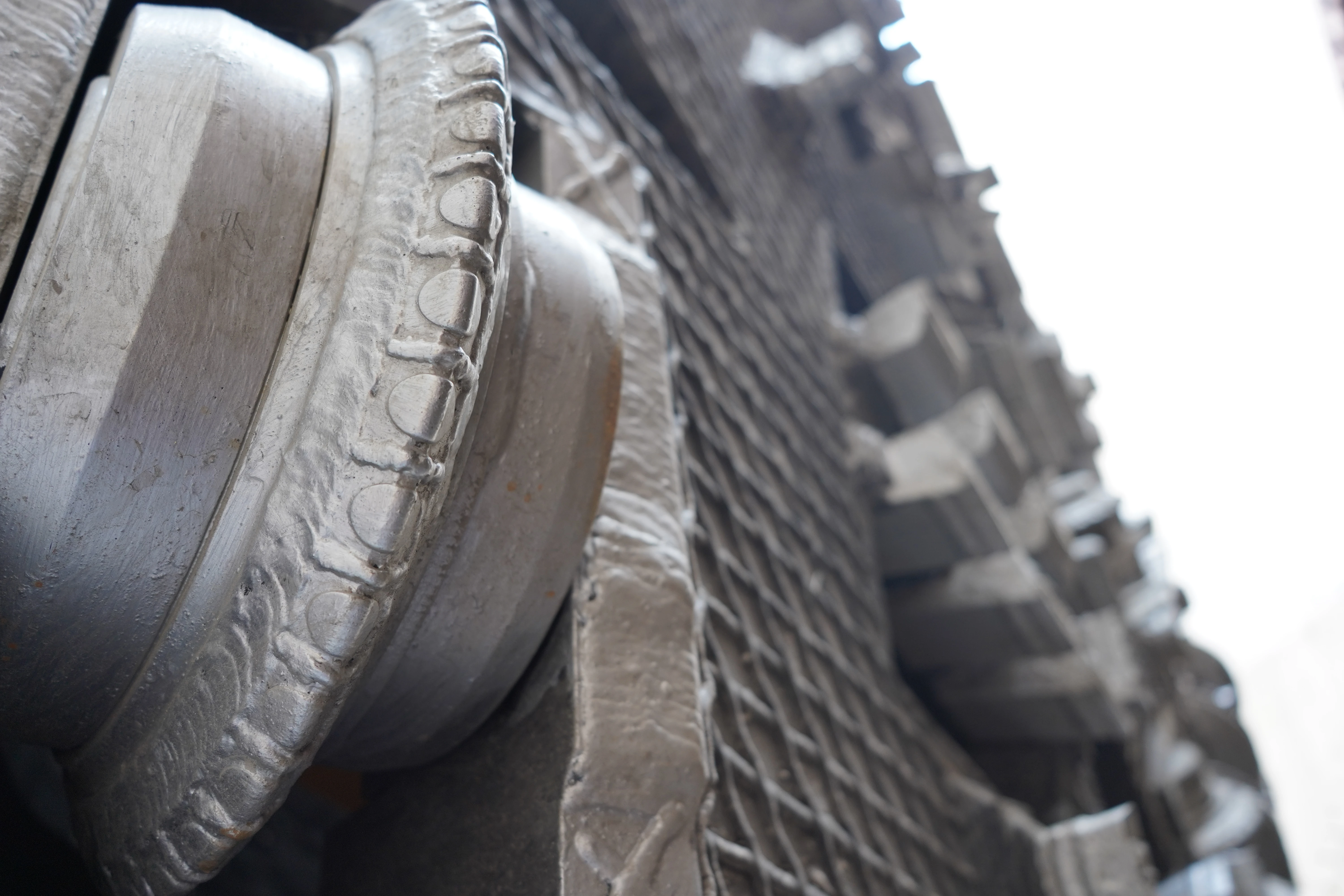
You can notice signs of an undersized separation plant early. If the plant is too small, you need more tanker trips to take away slurry. The slurry gets worse, with more solids in it. Your tunnel machine might stop a lot, and you wait longer for clean slurry. Sometimes, water leaks into the tunnel or the ground above sinks. These problems make costs go up and cause more downtime.
Common symptoms are:
-
More tanker trips to get rid of slurry
-
Slurry has too much sediment or is low quality
-
Tunnel machine stops more often
-
Cutterhead wears out faster and needs repairs
-
Higher chance of ground settling or water leaking in
-
Project costs rise and work gets delayed
Tip: Look for these warning signs. Acting early helps you stop bigger problems and keeps your microtunneling project on track.
Real Costs and Downtime Risks
Undersized separation plants make you lose productivity. You pay more for extra tanker trips and repairs. Your team spends more time fixing things instead of working. Downtime increases, and you might miss important deadlines. Bad slurry can hurt your tunnel boring machine and slow the job. If you ignore these risks, you pay more and clients get upset.
Safety is also at risk. If the plant cannot keep up, you lose control of face pressure. This can make the ground move or let water leak in. Your team must work harder to fix these issues, which adds stress and risk on site.
Proper Sizing for Microtunneling Projects
You can stop these problems by sizing your separation plant right. Match the plant’s capacity to your tunnel machine’s output. Make sure the plant can handle all the spoil and send clean slurry back to the cutting head. Always check if the system can balance soil and groundwater pressures. Add a slurry bypass unit to help control flow and isolation when needed. Keep sediment levels safe for good microtunneling.
Here are some main guidelines for proper sizing:
-
Use a separation process that fits your slurry system.
-
Design the plant to send clean slurry back for reuse.
-
Pick the right separation process for your project.
-
Balance soil and groundwater pressures with your spoil system.
-
Add a slurry bypass unit for better control.
-
Keep sediment levels safe.
You can use technical solutions to help performance. CEGC gives advanced features for microtunneling projects. Closed-mode face support keeps the tunnel face safe in soft or wet ground. Soil conditioning helps the cutterhead move muck better. Guidance systems help you avoid mistakes and reduce overcutting.
|
Solution Type |
Description |
|---|---|
|
Closed-mode face support |
Controls face pressure and protects the ground, helping you tunnel safely and efficiently. |
|
Soil conditioning |
Stabilizes spoil behavior, which keeps your tunneling efficient and steady. |
|
Guidance systems |
Prevents alignment errors and reduces overcutting, improving your project’s final results. |
Modular design and good maintenance also help you avoid downtime. A modular separation plant lets you change parts fast and upgrade equipment as needed. This design keeps your plant working longer and saves money over time.
|
Evidence Description |
Impact on Performance and Scalability |
|---|---|
|
Modular design allows easy maintenance and component replacement |
Ensures maximum uptime and productivity |
|
Modular systems enable rapid configuration changes and equipment upgrades |
Provides long-term flexibility and cost savings |
Regular maintenance is important. Check each part’s capacity to stop bottlenecks:
|
Component |
Common Bottleneck |
|
|---|---|---|
|
Feed Pumps |
Flow rate vs. cyclone requirements |
Undersized pumps reduce cyclone efficiency |
|
Hydrocyclones |
Total throughput vs. excavation rate |
Too few or worn units |
|
Vibrating Screens |
Surface area vs. solids volume |
Blinding reduces effective capacity |
|
Slurry Tanks |
Volume vs. surge capacity |
Too small to buffer flow variations |
Operator training is also important. Well-trained operators use equipment better and spot problems early. Training teaches how to check advance rates, look at hydraulic systems, and care for cutting tools. Your team learns to keep spare parts ready and handle tunneling problems with confidence.
Note: CEGC offers custom separation plants for each project. You can pick the right size and features for your microtunneling job. This helps you avoid losing productivity and keeps your project moving.
You can notice that undersized separation plants slow down microtunneling. When this happens, slurry gets thicker and the machine moves slower. This makes the job cost more money. CEGC has technical solutions to help with these problems. Torque tuning and slurry balance pipe jacking are two examples.
|
Indicator |
Description |
|---|---|
|
Keeps density and viscosity steady |
|
|
Bentonite Consumption |
Adding the right amount helps performance |
You should always check separation capacity. Pick the right size for your project.
FAQ
What is the main risk of using an undersized separation plant?
You might lose productivity and have more downtime. This can make trenchless construction slower. Your tunnel machine could have more problems.
How does proper separation plant sizing help trenchless construction?
Your tunnel boring machine can work without stopping a lot. This helps trenchless construction go better. It also keeps urban utility work safer.
Can you use the same separation plant for every construction method?
You need to pick a separation plant that fits your method. Every project has its own needs and spoil rates.


