
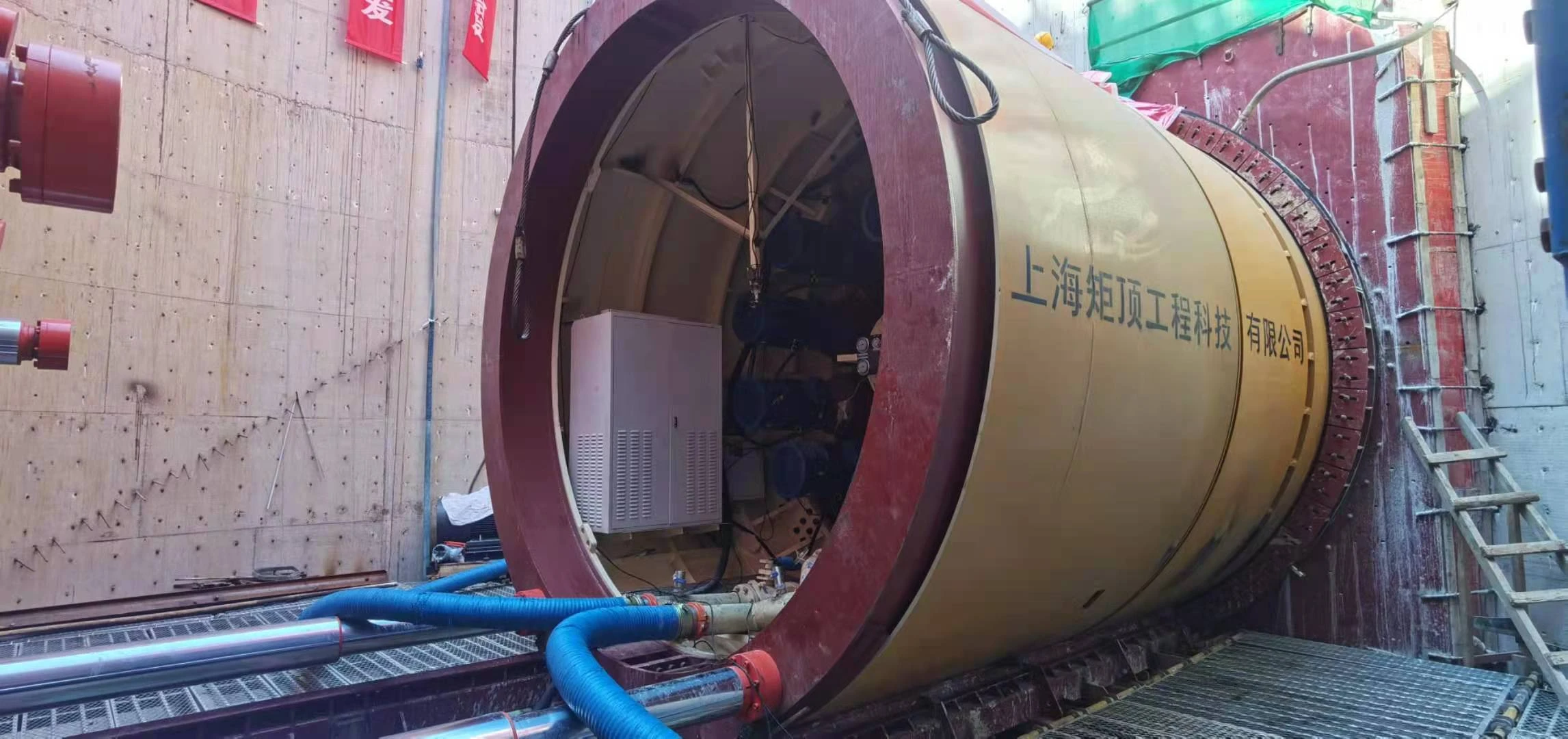
You face real dangers when a TBM machine jams, especially when discharge slows down. This issue is even more critical in city projects with weak ground conditions. CEGC provides advanced solutions to help you control face pressure and maintain optimal performance of your tunnel machine. With CEGC’s technology, your TBM machine operates smoothly, even in challenging environments. The table below highlights how CEGC’s features address the risks associated with a TBM machine jam when discharge slows down, ensuring reliable operation for your tunnel boring machine.
|
Description |
Effectiveness |
|
|---|---|---|
|
Sensors (Thrust, Torque, Vibration) |
Installed on TBM machines to monitor ground conditions and discharge rates. |
Provides real-time data to quickly identify and resolve issues when discharge slows down. |
|
Stacking Ensemble-Learning Model |
Utilizes thrust, torque, and vibration data from tunnel boring machines to classify rock mass and predict jams. |
Enhances prediction accuracy and operational stability for CEGC tunnel machines. |
Key Takeaways
-
Watch discharge rates carefully to stop TBM jamming. Sensors help find problems early and keep things running smoothly.
-
Use CEGC’s closed-mode face support system to keep the tunnel face steady in tough ground. This stops pressure changes and keeps your project moving forward.
-
Check your TBM often for maintenance. Use a checklist to make sure all parts work well and fix any problems fast.
Why a TBM machine jams when discharge slows down
Tunnel boring machine discharge mechanics
When you use a tunnel boring machine, the ground can be tough. The way the discharge works is very important. If discharge slows down, it gets hard to remove muck. The tunnel boring machine pushes against the ground and faces more resistance. Spoil starts to pile up behind the cutterhead. This can make the tunnel boring machine jam. You might notice the muck transport system having trouble. The earth pressure balance can change. The tunnel boring machine cannot dig as fast as before. The cutterhead torque goes up. Thrust force also gets higher. The tunnel boring machine may stop working. You need to watch discharge rates to stop the tunnel boring machine from jamming.
Tip: Put sensors on your tunnel boring machine to check thrust, torque, and vibration. These sensors help you find discharge problems early. This way, you can stop the tunnel boring machine from jamming when discharge slows down.
Ground instability and pressure swings
Ground instability is a problem in tunnel boring machine work. Pressure swings make things even harder. The tunnel boring machine must keep the tunnel face steady. If pressure changes a lot, the ground gets more unstable. The tunnel boring machine can face sudden soil movement. Water might rush into the tunnel. The tunnel boring machine can stop working. The risk of a tunnel boring machine jam goes up when discharge slows down. The earth pressure balance system must act fast. Pressure swings can make the ground and tunnel face unstable. You need to keep face pressure steady to stop the tunnel boring machine from jamming.
-
Pressure swings can make the ground unstable. This can jam or trap the tunnel boring machine.
-
Fast pressure changes can make soil or rock fall in. Water can rush in and stop the tunnel boring machine.
-
Fault zones or high water pressure can shift the ground. This can make the tunnel boring machine stop quickly.
-
The Uma Oya Multipurpose Development Project was delayed for nine years because of unstable ground and water pressure. This caused over 700 million USD lost in power, 110 million USD lost in irrigation, and 12.7 million USD lost in water supply.
You should use CEGC’s closed-mode face support system. This system keeps the tunnel face stable in soft or wet ground. It holds the right pressure to stop the tunnel boring machine from jamming when discharge slows down. The system blocks water from coming in and keeps your work safe. Soil conditioning solutions help too. They change the soil so the tunnel face stays steady. Foam and polymers make the soil easier to work with and move. These solutions lower cutterhead torque and save energy. They also cut down on wear and maintenance costs. Foam injections stop water from getting in and keep the ground stable.
Time-dependent jamming and squeezing loads
Time can also cause problems for tunnel boring machines. If you wait too long to dig, the risk of jamming goes up when discharge slows down. Squeezing loads build up as the tunnel boring machine moves through weak ground. The squeezing index gets higher with more overburden. Delays make the tunnel boring machine push against more resistance. The earth pressure balance system must change quickly. You need to watch things like cutterhead torque, thrust force, and penetration rate. These numbers change when the tunnel boring machine faces unstable ground.
|
Evidence Description |
Key Findings |
|---|---|
|
Squeezing Index Definition |
Shows how thrust force, time, and tunnel length change during tunnel boring machine work in weak ground. |
|
Impact of Overburden |
The squeezing index goes up as overburden increases. This means there is a higher risk of tunnel boring machine jamming. |
|
Role of Delays |
Waiting to dig or stopping the tunnel boring machine makes jamming more likely in squeezing ground. |
|
Operational Parameter |
Effect on tunnel boring machine Operations |
|---|---|
|
Cutterhead Torque |
Shows how the tunnel boring machine interacts with rock. |
|
Thrust Force |
Tells you about resistance and jamming risk. |
|
Penetration Rate |
Changes how stable and efficient tunneling is. |
-
Operational parameters can change.
-
Cutterhead torque and thrust force go up and down.
-
Tunneling can get unstable.
-
Thrust and torque can fight each other.
-
Tunneling can stop if resistance gets too high.
-
Jamming can happen.
You need to keep digging at a steady speed. Try not to have delays. Keep the earth pressure balanced. Use CEGC’s soil conditioning and closed-mode face support to stop the tunnel boring machine from jamming when discharge slows down. These solutions help you handle ground instability, pressure swings, and squeezing loads. You keep your tunnel boring machine safe and working well. You protect your project from big delays and problems. You use new technology to make your tunnel boring machine work better and lower the risk of jamming.
Solutions for pressure swings and preventing TBM jamming
Preventing pressure swings in tunnel boring machine operations
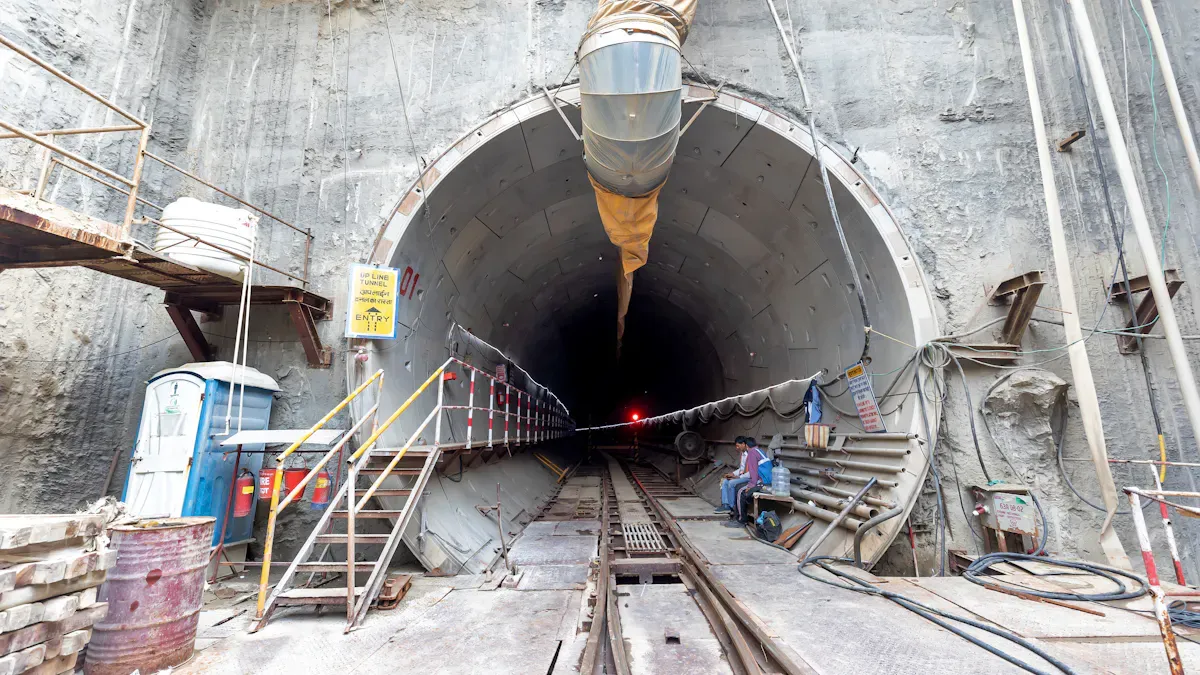
You need to control pressure swings to keep your tunnel boring machine safe. Pressure swings can make the ground unstable and cause TBM jamming. You can stop these problems by following some important steps.
-
Pick a tunnel boring machine that fits the ground. This helps you deal with the soil and water pressure when digging.
-
Keep the face support pressure steady. This stops sudden changes that can make the ground unstable.
-
Check the face support pressure often. Make sure it stays safe for your tunnel boring machine.
-
Use real-time monitoring systems. These systems have sensors that watch the pressure in your tunnel boring machine. They help you find pressure swings early and fix them fast.
-
If you find problems early, you can fix them before your tunnel boring machine stops. This keeps your project moving and saves money.
When you use these steps, your tunnel boring machine works better. You lower the risk of ground problems and keep your work safe. The Uma Oya Multipurpose Development Project showed that pressure swings can cause long delays and cost a lot. You can stop these problems by preventing pressure swings.
Technical solutions for ground instability
Ground instability is a big problem when digging tunnels. You need strong solutions to handle pressure swings and ground instability. The right tools help your tunnel boring machine keep moving and stay safe.
|
Solution Type |
Description |
|---|---|
|
Makes the soil better for digging and safer for workers. |
|
|
Slurry TBMs |
Use water and other things to keep the tunnel face stable. |
|
Advanced Grouting Systems |
Help you quickly make the ground stronger when you find problems. |
|
Emergency Grouting Support |
You can set up these grout plants fast to keep your work on time. |
|
Probe Drilling |
Lets you see and control water in tough ground. |
|
Closed-Mode Face Support |
Keeps the tunnel face steady in soft or wet ground. |
You can also use new technology to fight ground instability:
|
Advancement |
Description |
|---|---|
|
Steel Reinforcement Array |
Supports broken rock from inside and stops muck from building up. |
|
Advanced Shotcrete Application |
Uses stronger shotcrete to seal and support broken areas. |
|
Self-Drilling Rock Bolts |
Hold loose ground in place and stop it from falling. |
You should use CEGC’s closed-mode face support and soil conditioning systems. These tools help you control earth pressure and keep your tunnel boring machine safe. CEGC’s design lets you add grouting or probe drilling tools when you need them. This helps you handle ground instability and pressure swings on any job.
Maintenance and troubleshooting for TBM machine discharge
Regular maintenance and checks are important to keep your tunnel boring machine working well. You need a good plan to stop TBM jamming and keep digging.
-
Always wear the right safety gear and follow safety rules.
-
Use Lockout/Tagout (LOTO) steps to keep everyone safe during work.
-
Get all your tools and parts ready before you start.
-
Use pictures or diagrams to help with hard steps.
-
Check that things like belt tension or cutterhead torque are correct.
-
Write down what you see and measure after each job.
A good tunnel boring machine program uses the best tools and listens to team ideas. You should always look for ways to make your maintenance plan better. Do not just follow a set schedule. Change your plan if you learn something new from each job.
Multi-speed cutterhead drives give you more control. You can pick high speed and low torque for hard rock. You can pick low speed and high torque for tough ground. This helps you keep the discharge rate steady and stop cutterhead jamming.
You can also use these tips to keep your tunnel boring machine safe:
-
Make the ground better before you start digging. This lowers the risk of ground problems.
-
Use slurry flushing to clear muck and keep the discharge system open.
-
Use special ways to get rid of stuck material if you see a blockage.
-
Change your cutterhead speed and torque to fit the ground.
-
Use CEGC’s guidance systems to keep your tunnel boring machine on the right path.
CEGC’s design makes maintenance easy. You can reach important parts fast and fix problems before they stop your work. The modular design helps you move and put together your tunnel boring machine in small spaces. This keeps your work safe and efficient.
You can stop TBM jamming by following these steps. You protect your tunnel boring machine from ground problems, pressure swings, and other risks. You keep your project on time and avoid big delays.
You can stop TBM jamming with smart planning and good pressure control. CEGC’s tunnel boring machine features help you work in cities and tough places. Doing regular maintenance keeps your TBM machine working well and saves time. Smart sensors and prediction tools make your tunnel safer and help keep it straight.
FAQ
What causes a tbm to jam during tunneling?
You see jams when muck removal slows down. The tbm faces rising resistance. Spoil builds up behind the cutterhead. Pressure swings and unstable ground increase jamming risk.
How can you prevent tbm jamming in urban projects?
You monitor discharge rates. You keep face pressure steady. You use soil conditioning and closed-mode face support. These steps help your tbm work safely in city tunnels.
What maintenance steps help avoid tbm discharge problems?
You check sensors often. You inspect cutterhead torque and thrust force. You follow a maintenance checklist. You fix issues early to keep your tbm running smoothly.


