
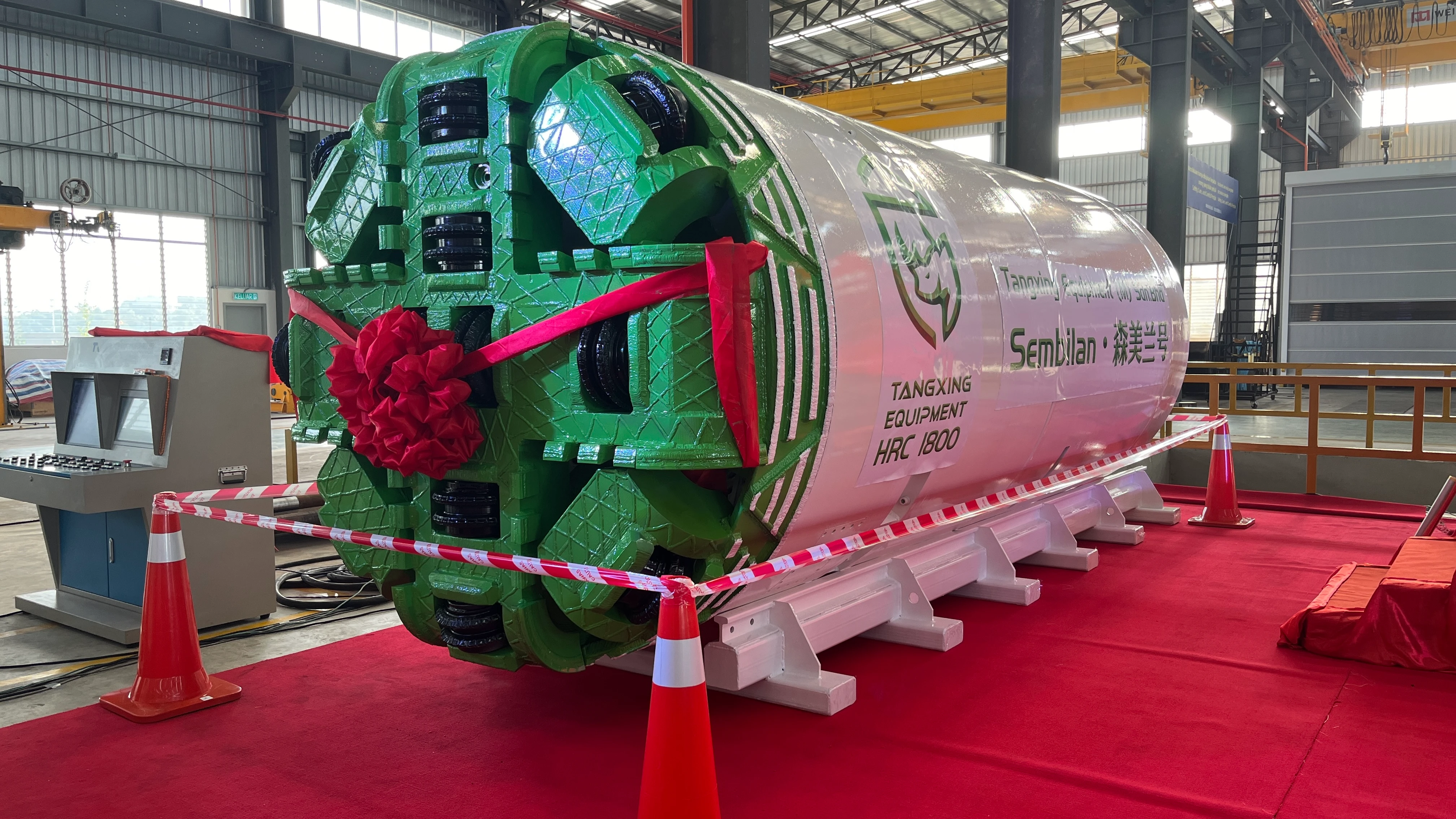
Micro tunneling needs steady discharge to avoid blockage. Without it, you risk ground settlement, face instability, and water ingress. Pipeline clogging can halt your project. CEGC manufactures tunnel machines designed to help you maintain control and prevent these issues. Our reliable machines ensure that steady discharge keeps your project timeline intact and protects your budget.
Key Takeaways
-
Steady discharge is very important in microtunneling. It stops blockages, ground sinking, and equipment breaking. Keep the flow steady to finish your project on time.
-
Always check your slurry and spoil removal systems. Look at gauges and sensors often to find problems early. This helps you avoid expensive delays.
-
Use best methods like closed-mode face support and soil conditioning. These ways help keep the flow steady and lower the chance of pipeline clogging.
Steady Discharge in Microtunneling
What Is Steady Discharge?
It is important to know what steady discharge means in microtunneling. Steady discharge is when the flow of slurry or spoil stays the same. This helps keep the pressure balanced at the tunnel face. If the flow changes quickly, it can cause problems. Micro tunneling needs steady discharge to avoid blockage because stopping or surging can make the ground unstable or hurt equipment. You need to keep everything working well to protect your project and money.
Why Microtunneling Needs Consistent Flow
Micro tunneling needs steady discharge to avoid blockage at all times. If steady separation stops, the ground can settle and the tunnel face can become unstable. These issues might make the tunnel move or even fall in. Water can also get in and flood the area. CEGC’s tunnel boring machine has features that help keep the flow steady. The machines use special face pressure control and ground protection systems. These systems keep the tunnel face safe and stop sudden drops in pressure. Steady separation helps your project stay on schedule and saves you from expensive delays.
Tip: Always check your slurry and spoil removal systems. Micro tunneling needs steady discharge to avoid blockage, so look at your gauges and sensors often.
Role in Preventing Pipeline Clogging
Pipeline clogging is a big problem in microtunneling. Micro tunneling needs steady discharge to avoid blockage because even small stops can let debris build up. Steady separation makes sure all the dug-up material leaves the tunnel without getting stuck. If the flow is not steady, you might notice slow spoil removal or higher pressure. You can stop these problems by using good equipment and following the right steps.
Here is a table that lists common sources of debris and problems that can cause pipeline clogging in microtunneling:
|
Source of Fines |
Description |
|---|---|
|
Faulty cutter head design |
Poor structure or components |
|
Seal failure at shield tail |
Loss of sealing system integrity |
|
Excessive cutter head torque |
Too much force on cutter heads |
|
Improper face pressure |
Wrong pressure on tunnel face |
|
Inappropriate TBM and cutter types |
Wrong tools for the ground |
|
Blockage in conveyor belt |
Debris trapped in system |
|
Insufficient conveyor belt capacity |
Not enough material handling |
|
Misalignment/off-route |
Tunnel goes off course |
|
Insufficient backfill grout |
Not enough grout behind lining |
|
Uncontrollable muck transportation |
Hard to manage excavated material |
You can see that micro tunneling needs steady discharge to avoid blockage from many different things. CEGC’s microtunnelling machine uses a closed-mode face support design and a strong soil conditioning system. These features help keep steady separation and constant flow, even when the ground is hard to work with. Using our TBM tunnel boring machine lowers the chance of clogging and keeps your project moving.
Risks of Unsteady Discharge and Blockage
How Blockages Form in Microtunneling
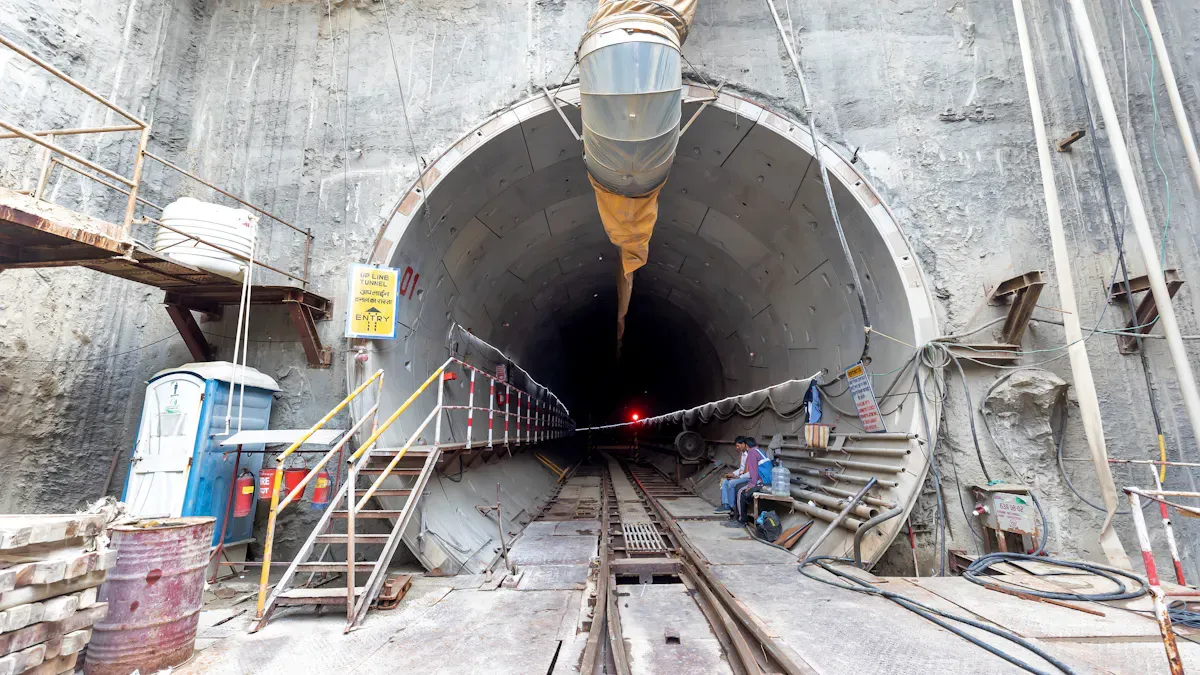
There are big risks if steady separation stops working. In microtunneling, blockages can start when the flow is not even. If fines pile up, the slurry gets thick and can block the tunnel machine. Sometimes, sticky materials from digging slow things down. When steady separation does not work, equipment can get clogged or spoil removal can stop. These problems can happen fast, especially in cities where the ground changes a lot.
Consequences for Project Performance
Blockages in microtunneling can slow down work and cost more money. You might have to stop and clean the pipeline or fix the tunnel boring machine. The table below shows how fines buildup can hurt your project:
|
Impact of Fines Buildup on Slurry Quality |
Description |
|---|---|
|
Clogging of Equipment |
Fines buildup can cause clogging. This makes tunnel boring machines work worse and cleaning takes longer. |
|
Stickiness of Excavated Materials |
Fines make the dug-up material sticky. This makes digging harder. |
|
Operational Challenges |
Fines in the slurry can slow jacking speeds and make cleaning take more time. |
You could also face safety problems. The ground can settle, the tunnel face can become unstable, and water can leak in. These things can put your project and the area around it in danger. The table below lists some important micro tunneling risks:
|
Safety Risk |
Description |
|---|---|
|
Not enough slurry pressure or bad soil control can make holes or cause the ground to sink. |
|
|
Dependency on soil data |
You need good soil tests. If you do not know about hidden things or wrong soil, work can be delayed. |
Common Causes and Warning Signs
Watch out for the main causes of unsteady discharge in microtunneling:
-
Water coming in from nearby places
-
Shaft collapse
-
The ground sinking because of soil problems
If you see spoil removal getting slower, pressure going up, or slurry changing, act fast. These signs mean steady separation could fail. If you pay attention, you can stop costly micro tunneling risks and keep your project moving.
Technical Solutions to Prevent Pipeline Clogging
Best Practices for Steady Discharge
Steady separation is needed to keep microtunneling safe. It also helps the tunnel face stay strong and the ground not move. You can stop pipeline clogging by using these best steps:
-
Closed-mode face support helps control pressure at the tunnel face.
-
Soil conditioning makes spoil move easier.
-
Modular tunnel machines are simple to set up and fix.
-
Spare pumps at important places help stop delays.
-
Check pumps and the slurry system often.
Here is a table with some top ways to keep steady separation in microtunneling:
|
Solution |
Description |
|---|---|
|
Staging Spare Pumps |
Spare pumps at key spots keep slurry moving and stop pipeline clogging. |
|
Control Systems |
Automatic controls switch pumps to keep steady separation. |
|
Regular Maintenance |
Checking often helps you find problems early and keeps microtunneling going. |
Monitoring, Training, and Maintenance
You need to watch your tunnel machine and slurry system all the time. Sensors help you see flow and pressure changes. Train your team to notice warning signs and fix things fast. Plan regular checks to keep steady separation and stop sudden stops. Good training and checking help you stop pipeline clogging and keep your microtunneling project safe.
Tip: Make a checklist for daily checks. This helps you find small problems before they get big.
CEGC’s Custom Solutions for Microtunneling
CEGC gives you tunnel boring machine choices that meet market needs. You can pick features that fit your project best. Here are some custom choices:
|
Customizable Feature |
Description |
|---|---|
|
Interchangeable cutting heads |
Work in many ground types |
|
Adjustable jacking frames |
Fit different pipe sizes |
|
Integrated lubrication/grouting |
Helps in tough conditions |
|
Specialized sensors |
Work in harsh places |
You get steady separation with strong pump systems and smart design. CEGC helps you with custom options, so your microtunneling job stays safe and smooth.
Keeping steady discharge helps your microtunneling project stay safe and work well. The table below shows how steady separation helps with face pressure, ground strength, and smooth work:
|
Aspect |
Influence |
|---|---|
|
Face Pressure |
Steady separation keeps slurry pressure even and protects the face. |
|
Ground Stability |
A steady flow makes the ground stronger and stops sinking. |
|
Operational Smoothness |
Good discharge keeps machines safe and working well. |
You can also stop blockages by having trained workers, checking the site, and making strong plans:
|
Evidence Type |
Description |
|---|---|
|
Workers can change what they do to keep things running. |
|
|
Thorough Site Investigations |
Site checks find soil problems before they get worse. |
|
Planning Stage |
Good plans help you spot and fix risks early. |
CEGC helps you with smart tunnel machines and custom project choices. You can count on CEGC to help you have safe, steady, and money-saving microtunneling.
FAQ
What happens if you lose steady discharge during microtunneling?
You could get a blockage. The ground might sink. Your equipment can break. You need to fix the flow quickly. This keeps your tunnel machine safe.
How does CEGC’s tunnel boring machine help prevent pipeline clogging?
-
You have closed-mode face support.
-
You use soil conditioning.
-
You get strong pump systems.
Why should you monitor slurry flow in microtunneling?
|
Reason |
Benefit |
|---|---|
|
Early detection |
Stops blockages quickly |
|
Safety |
Keeps the tunnel safe |
|
Efficiency |
Saves time and money |


