
Empty travel is a common occurrence when operating cargo cranes, and addressing it is crucial for maintaining safety. With CEGC, you benefit from advanced solutions that prioritize both efficiency and protection. Load sway and collision risk are significant concerns, especially during high-traffic operations. The table below highlights the primary challenges you encounter:
|
Pain Point |
Description |
|---|---|
|
Load sway |
Makes precise load placement difficult, raising safety concerns |
|
Collision risk |
Increases the likelihood of accidents during peak activity |
|
Overloading |
Poses risks to both personnel and machinery |
Cargo crane: lower empty travel improves safety too by reducing these hazards. CEGC delivers intelligent cargo crane solutions designed to minimize empty travel, enhance operational safety, and boost overall productivity for your team and equipment.
Key Takeaways
-
Reducing empty travel lowers the chance of crashes. When cranes move less, there are fewer chances for accidents. This makes your port a safer place.
-
Smart scheduling and automation make work better. These tools help plan crane moves. They save time and energy. They also help people get more work done.
-
Regular operator training makes things safer. Skilled operators make fewer mistakes. This helps cranes work better and keeps the workplace safe.
Understanding empty travel in cargo cranes
What is empty travel?
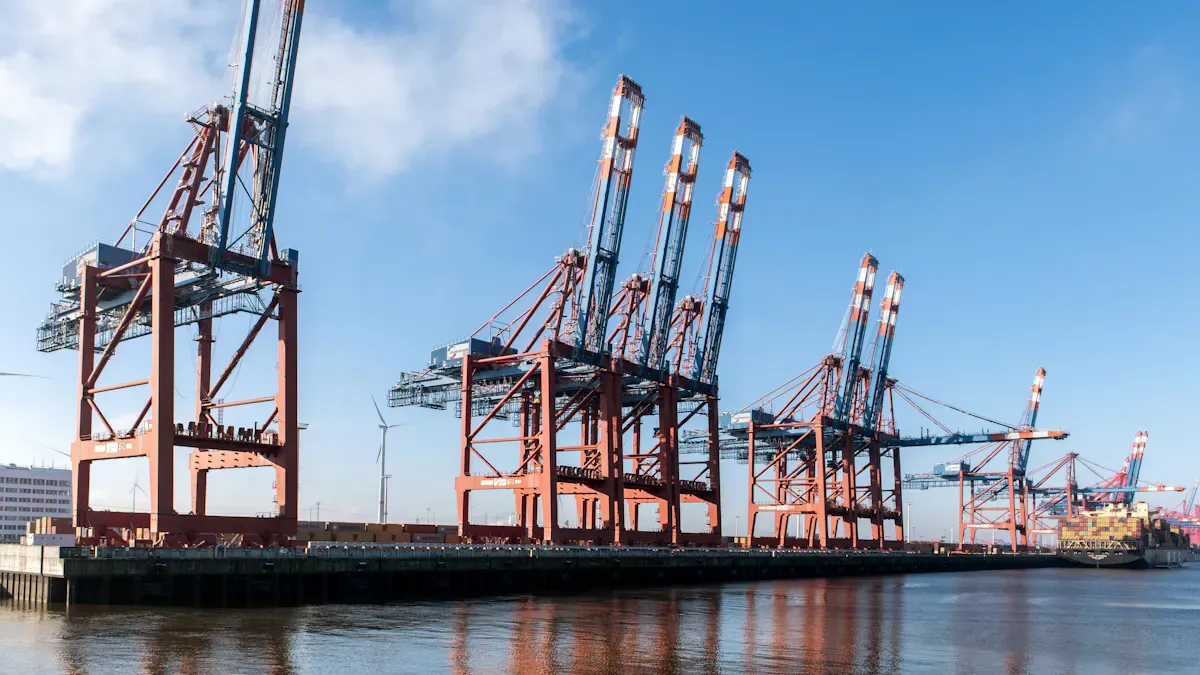
Empty travel happens when a crane moves without a load. This is common in many port machines like portal cranes and ship cranes. The crane goes from one place to another. It often returns to pick up another container or gets ready for the next job. Empty travel does not help your operation. It takes time and energy but does not move cargo. If you cut down empty travel, your team can do more useful work.
Why does empty travel occur?
Empty travel happens for different reasons. Sometimes, the crane moves after dropping off a container. Other times, it waits for the next job or moves to avoid busy spots. Empty travel also happens when the workflow is not planned well. Each extra move makes accidents and tiredness more likely. This can make your operation less safe and slower.
You can make things safer and faster by picking the right equipment. CEGC gives you custom solutions for all main crane types. The table below shows how CEGC’s equipment helps you lower empty travel and work better:
|
Equipment Type |
Key Features |
|---|---|
|
Shortens gate lines, speeds up truck work, lowers crowding, makes terminals run better. |
|
|
Cuts yard wait time, makes handling easier, boosts efficiency, lowers costs. |
|
|
Faster lifting, moves cargo quicker, cuts delays, improves safety with automation. |
|
|
Makes cycles faster, boosts safety, uses real-time data for smooth port work. |
CEGC gives you solutions that fit your port’s needs. You can pick the right size, span, and automation for your crane. This helps you lower empty travel and keep your operation safe and steady.
Cargo crane: lower empty travel improves safety and efficiency
Fewer movements, less collision risk
You can make your port safer by moving cranes less. When a crane moves without carrying anything, accidents can happen more easily. If you stop empty travel, you lower the chance of crashes. This helps your team do their main jobs better. Here are some ways to keep cranes from crashing:
-
Use smart object detection systems. These systems look for things in the way and warn you before a crash.
-
Train your operators well. Good training helps them move cranes safely and avoid mistakes.
-
Take care of your equipment. Keeping cranes in good shape stops accidents and keeps them working well.
These safety steps protect your workers and your machines. They also help your port work better.
Lower operator fatigue and error
When you cut down on empty travel, operators stay more awake and focused. Moving cranes with no load for a long time makes people tired. Tired workers make more mistakes. Less empty travel means your team has more energy for important jobs. This means fewer mistakes and a safer place to work. Your team can also pay attention to small details and do better work.
Reduced wear, better reliability
Every time a crane moves, its parts wear out a little. If you move cranes less, they last longer and break less often. You can use energy-saving drive systems and Variable Frequency Drives (VFDs) to make crane moves smoother. These tools help stop sudden stops and starts that can hurt the crane. Smart monitoring systems help you find problems early and fix them before they get worse. You save money by only fixing what needs fixing.
-
Energy-saving drive systems help parts last longer.
-
VFDs make crane moves smooth and protect parts.
-
Smart monitoring warns you about problems early.
-
Modular rail systems let you fix only broken parts, saving time and money.
-
Strong materials help cranes last longer and need less fixing.
Faster handling, higher throughput
If you lower empty travel, you can move cargo faster. This lets you move more containers in less time. Your port can handle more ships and keep customers happy. The table below shows how faster handling helps you:
|
Metric |
Improvement |
|---|---|
|
10% |
|
|
Increase in throughput |
8% |
|
Total improvement in P&L |
£1.2m ($1.6m / €1.4m) |
You might also handle one more ship each year and save money. Using smart scheduling and automation makes every crane move count. This helps your port do more work and grow your business.
Energy savings and cost control
Cutting empty travel saves energy and money. Every extra crane move uses power and costs more. Using things like anti-sway control, overload limiters, and safety locks makes crane moves safer and better. IoT controllers let you watch crane use as it happens. This helps you find problems early and plan repairs before something breaks. You spend less on fixing things and energy, and your cranes last longer.
Tip: Use safety tools like anti-collision systems and real-time monitoring to keep cranes safe and working well.
You can trust CEGC to give you the right solutions for your port. With custom projects, you get cranes that fit your needs and help you reach your goals. Remember, cargo crane: lower empty travel improves safety too. When you focus on safety and smart work, you make your port safer and more productive.
Practical steps for safer, efficient crane operations
Smart scheduling and automation
Smart scheduling and automation help lower empty travel. These tools let you plan each crane move carefully. When you use real-time data, you send cranes to the right place at the right time. This cuts down wasted moves and keeps your yard neat. Here are ways to make your operation better:
-
Make yard flows smoother to save time.
-
Use dispatch systems that pick jobs by location and importance.
-
Guess when trucks will arrive to get cranes ready early.
-
Work together with quay cranes, yard cranes, and trucks as one team.
Automation gives many good results. The table below shows how automation helps your port:
|
Impact Type |
Description |
|---|---|
|
Automated cranes move cargo faster and more often. |
|
|
Reduction in Human Error |
Automation stops mistakes like picking up the wrong thing. |
|
Enhanced Safety and Monitoring |
Safety sensors and remote controls keep people safe. |
|
Data-Driven Decision Making |
Automation gives you data to track work and plan repairs. |
Operator training and HMI support
You need skilled operators to use cranes well. Training teaches your team safe and smooth moves. Operator-centered HMI gives clear alarms and easy status updates. This helps operators avoid mistakes and fix problems fast. Good training and HMI support make crane work safer and more reliable.
Predictive maintenance and lifecycle protection
Predictive maintenance keeps your crane working longer. You check the crane often and look for trouble signs. Early checks let you fix small issues before they grow. Predictive maintenance helps you follow safety rules and keeps your port running. CEGC gives anti-corrosion solutions to protect cranes from salt, humidity, and chemicals. These solutions help cranes last longer and reduce downtime. You can also get service plans and spare parts to keep cranes in top shape.
Tip: Ask CEGC about custom projects and technical help. You can pick features for your port, like anti-corrosion or automation.
You make ports safer and faster by lowering empty travel. Big ports like Los Angeles and Oakland use smart crane systems. These systems help cranes work with less delay and better results.
-
Central scheduling and real-time tracking help cranes move with a clear plan.
-
Predictive maintenance and automation keep cranes ready and safe.
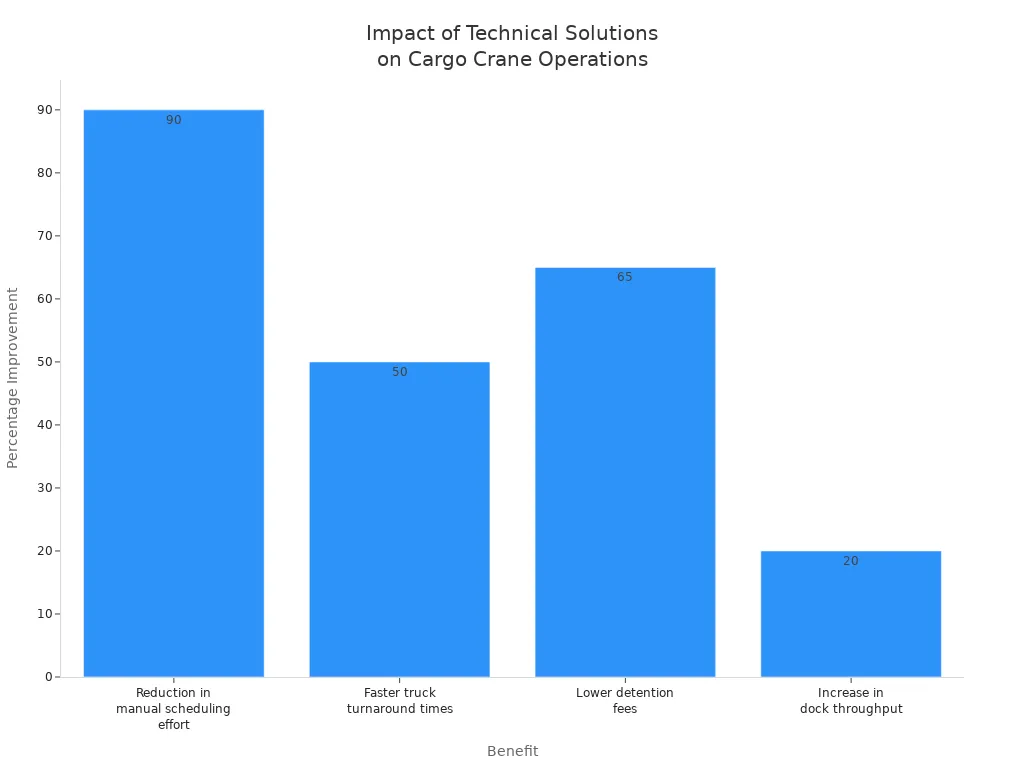
You should check your crane steps and think about custom projects. CEGC gives advanced crane solutions to help you reach your goals. New crane technology, like anti-sway systems, makes crane moves safer and more reliable.
-
In the future, more automation, AI, and electric cranes will help ports be safer and cost less.
FAQ
How does lowering empty travel improve safety?
When you move the crane less, accidents happen less often. Fewer moves mean fewer chances for mistakes or crashes in your port.
What technical features help reduce empty travel?
You can use smart scheduling, anti-sway systems, and automation. These tools help your crane work better and safer with less empty movement.
Can you customize a crane for my port’s needs?
Yes, you can pick the size, span, and automation. CEGC lets you change cranes to fit your port’s special needs.


