
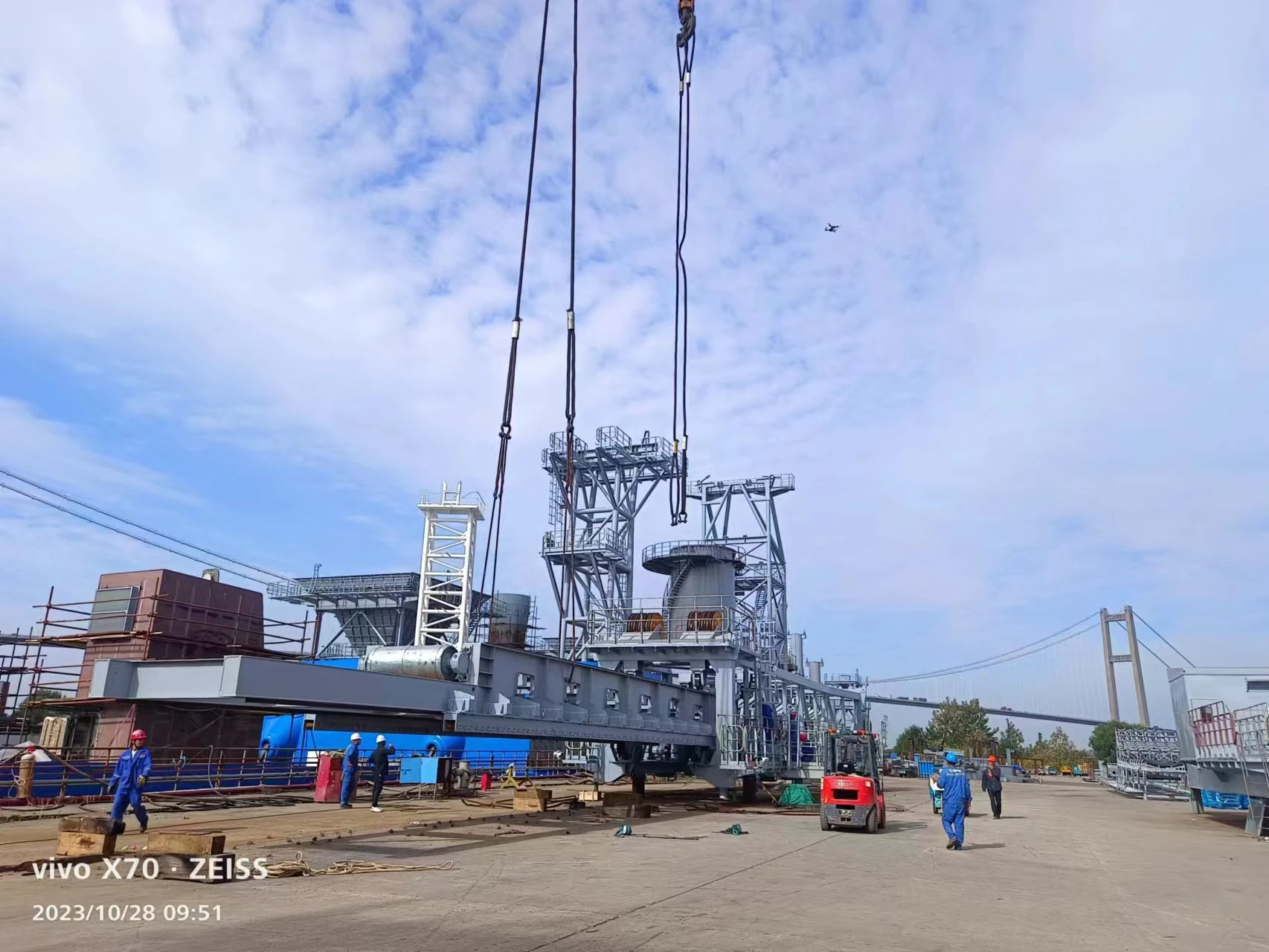
When operating a cargo crane, especially in challenging conditions, safety is a top priority. One of the most critical concerns is to stop load swing in crosswind, as uncontrolled movement can lead to collisions, tipping, or injury. CEGC addresses these risks by providing advanced port machinery and lifting equipment designed to enhance safety and performance.
|
Feature |
CEGC's Offering |
Industry Standard Comparison |
|---|---|---|
|
Cargo crane: stop load swing in crosswind |
Integrated anti-sway systems for precise load control |
Varies by competitor |
|
Customized Equipment |
Changes by competitor |
|
|
Training Programs |
Comprehensive operator training |
Changes a lot |
Key Takeaways
-
Use 'Soft Start' and 'Soft Stop' to lift loads slowly. Lower loads slowly too. This lowers the chance of swinging. It makes things safer.
-
Always check wind speed before using the crane. If winds are strong, stop working. This helps prevent accidents.
-
Use anti-sway devices and taglines to keep loads steady. These tools help control swinging. They make everything safer.
Cargo crane: stop load swing in crosswind
Immediate steps to prevent crane swing
When you use a cargo crane, stopping load swing in crosswind is very important. Strong winds can push the load and make it hard to control. There are some quick things you can do to keep the crane steady and safe:
-
Learn how to use 'Soft Start' and 'Soft Stop.' These help you lift and lower loads slowly. This makes swinging overhead cranes less likely.
-
Use a tagline to help guide the load. This helps you stop crane swing and keeps the load steady.
-
Try anti-sway devices. These tools sense when the load moves and help the crane adjust to stop swinging.
-
Always watch the wind. If it gets too strong, stop working to avoid crane swing.
-
Use your training and good judgment. Planning and skill help you stop swinging crane load problems.
Check the wind speed before you start. If the wind is too strong for the crane, wait until it is safe. This easy step can stop accidents and keep people and equipment safe.
Using taglines and load balancing
Taglines are ropes tied to the load. You use them to guide and control the cargo crane: stop load swing in crosswind. When you hold the tagline, you can stop crane swing and keep the load from moving sideways. This works well for swinging overhead cranes in open places where wind changes fast.
Balancing the load is also very important. You need to spread the weight evenly on the hoist ropes. If you do not balance the load, overhead crane load sway is more likely. Always check the load before lifting. Make sure it is centered and tight. This helps you stop crane swing and avoid sudden moves.
CEGC’s anti-sway systems help you with motion sensors and smart programs. These systems notice when the load moves and change the crane’s actions. The anti-sway program can stop sway up to 15% faster than people can. You can use anti-sway devices to make things safer and work better.
Here is a quick look at CEGC’s anti-sway and safety control features:
|
Feature |
Description |
|---|---|
|
Motor Voltage and Current Monitoring |
Watches the motor and finds problems early for repairs. |
|
Motor Temperature Monitoring |
Warns you if the motor gets too hot to stop damage. |
|
Hoist Motor Vibration Analysis |
Tells you when repairs are needed because of wear. |
|
Crane Operation Usage Monitoring |
Checks how much you use the crane and how well it works. |
|
Load and Overload Monitoring |
Makes sure you handle loads safely. |
|
Motor Brake Fault Monitoring |
Finds safety problems if the brakes do not work. |
|
SCADA, VFD, and PLC Integration |
Gives you info about control settings and system status. |
|
Real-Time Monitoring |
Shows updates on crane performance all the time. |
|
Enhanced Safety |
Watches important safety points to lower risks. |
|
Mobile Integration |
Lets you see crane data on your phone or tablet. |
|
Data-Driven Insights |
Gives you helpful info for making choices. |
You can count on these features to help you stop crane swing and keep your work going well.
Operator skills for preventing overhead crane swinging
Good training for overhead crane operators is very important to stop overhead crane swinging. You must know how to use the crane in all kinds of weather, especially with crosswinds. Training teaches you how to use taglines, check load balance, and know your equipment’s limits.
Always check the wind speed before you lift. If the wind is too strong, wait until it is safe. This habit helps you stop swinging overhead cranes and keeps everyone safe.
You also need to know how to control swing on overhead cranes. CEGC’s systems have inverter-driven trolley and bridge controls. These slowly start and stop the crane, which lowers the swinging and helps you balance the load. The swing lock stops the load from turning by accident, so you can place it right. The swing brake keeps the crane still, even in strong wind.
If you follow these steps and use the right tools, you can stop crane swing and lower the chance of accidents. Doing these things and having good training keeps people and equipment safe. You are important in stopping crane swinging and making cargo handling safe and smooth.
Tip: Always plan your lift, check your equipment, and use anti-sway devices. These habits help you control cargo crane: stop load swing in crosswind and keep your team safe.
Anti-sway technology and safe lifting
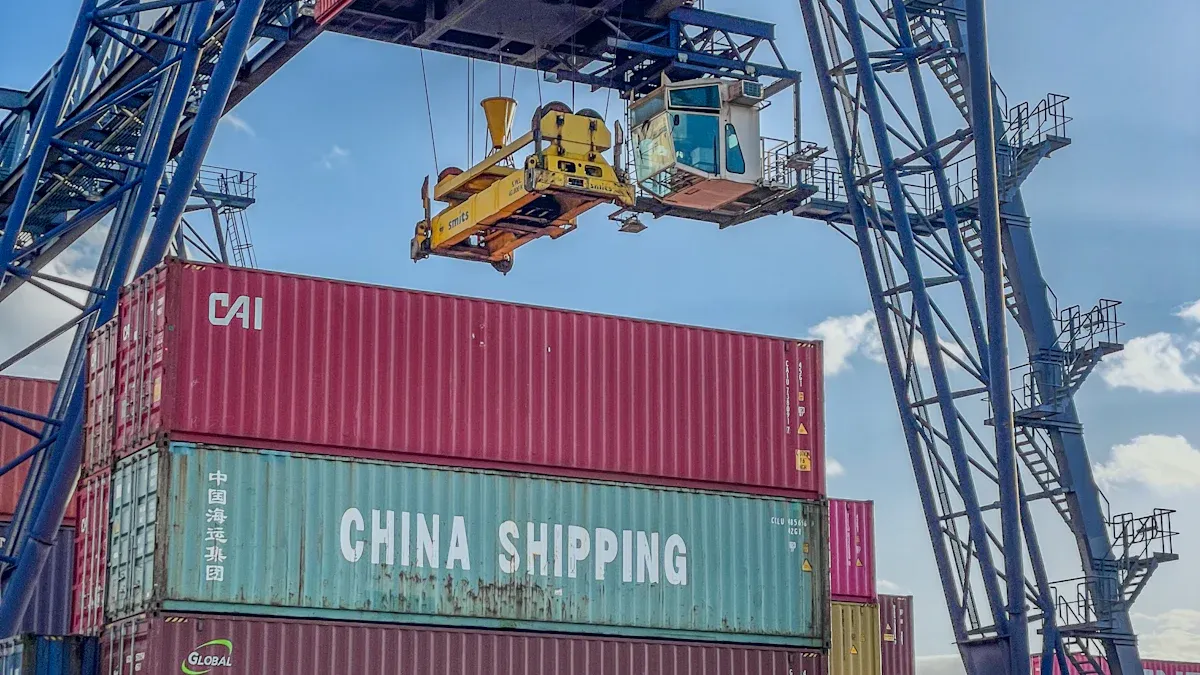
Anti-sway systems for cargo cranes
Anti-sway crane systems help stop overhead crane swinging. These systems keep the load steady and make things safer. Smart algorithms in anti-sway systems lower load sway. You can move cargo faster and place it better. Electrical anti-sway systems make crane work more dependable. They help stop unbalanced loads and protect your things. Anti-sway technology also means fewer starts and stops. This lowers wear and saves on repairs. Using anti-sway keeps people safe and helps your crane last longer.
-
Load sway control algorithms help stop overhead crane swinging.
-
New electrical anti-sway systems make crane moves smoother.
-
Crane swing control unit lets you place loads more exactly.
Monitoring wind and environmental conditions
Watching wind speed is key for safe lifting. You must check the wind before every lift. Wind sensors on the crane lock it if wind is too strong. Smart alarms use lights and sounds to warn you if wind is unsafe. Following these warnings keeps people and equipment safe.
|
Condition |
Wind Speed (mph) |
Operational Status |
|---|---|---|
|
Very Calm |
Below 4.47 |
Normal operations |
|
Calm |
4.48-11.16 |
Standard precautions |
|
Low |
11.17-22.36 |
Enhanced monitoring |
A study found many crane accidents happen at 15-25 mph wind. You must always watch the wind to stop overhead crane swinging.
Multi-layer safety and protecting human life
You need many safety steps to keep people safe and stop swinging. Safety interlocks block unsafe moves. Predictive maintenance finds problems early. You must check cranes not in use and test new ones. Digital twin technology shows load paths and finds dangers. Real-time stability checks the crane’s balance and stops tipping. Anti-sway systems find and cut down on load movement. You can set up anti-sway for your port. Pick passive, semi-active, or active anti-sway for your needs. Custom anti-sway helps with heavy loads and changing weather.
Tip: Use anti-sway and crane swing control unit to keep people safe and protect your cargo crane.
You can help stop accidents by using less throttle pressure. You should also try to stop swing and use control units. Anti-sway systems make things safer and help you work better. Operator training teaches you how to stay safe. It helps everyone think about safety first. CEGC gives you ways to lower the dangers of overhead crane swinging. Their solutions help keep port operations safe.
A safety-first culture means fewer dangers, fewer accidents, and lower costs. Ask CEGC for special cargo crane solutions.
|
Benefit Type |
Description |
|---|---|
|
Stops accidents and keeps crane work safe. |
|
|
Operational Efficiency |
Cuts down on lost time and dangers from accidents. |
-
Good training helps stop dangers and accidents.
-
Working together lowers dangers and helps everyone do better.
FAQ
What should you do if the wind suddenly gets stronger during crane operation?
Stop the crane right away. Check wind speed. Wait until conditions improve. Safety comes first for you and your team.
How does CEGC’s anti-sway system help you?
-
You get faster load control.
-
You see fewer accidents.
-
You work more efficiently.
Can you use taglines with all cargo cranes?
|
Crane Type |
Tagline Use |
|---|---|
|
Yes |
|
|
Yes |
|
|
No |


