
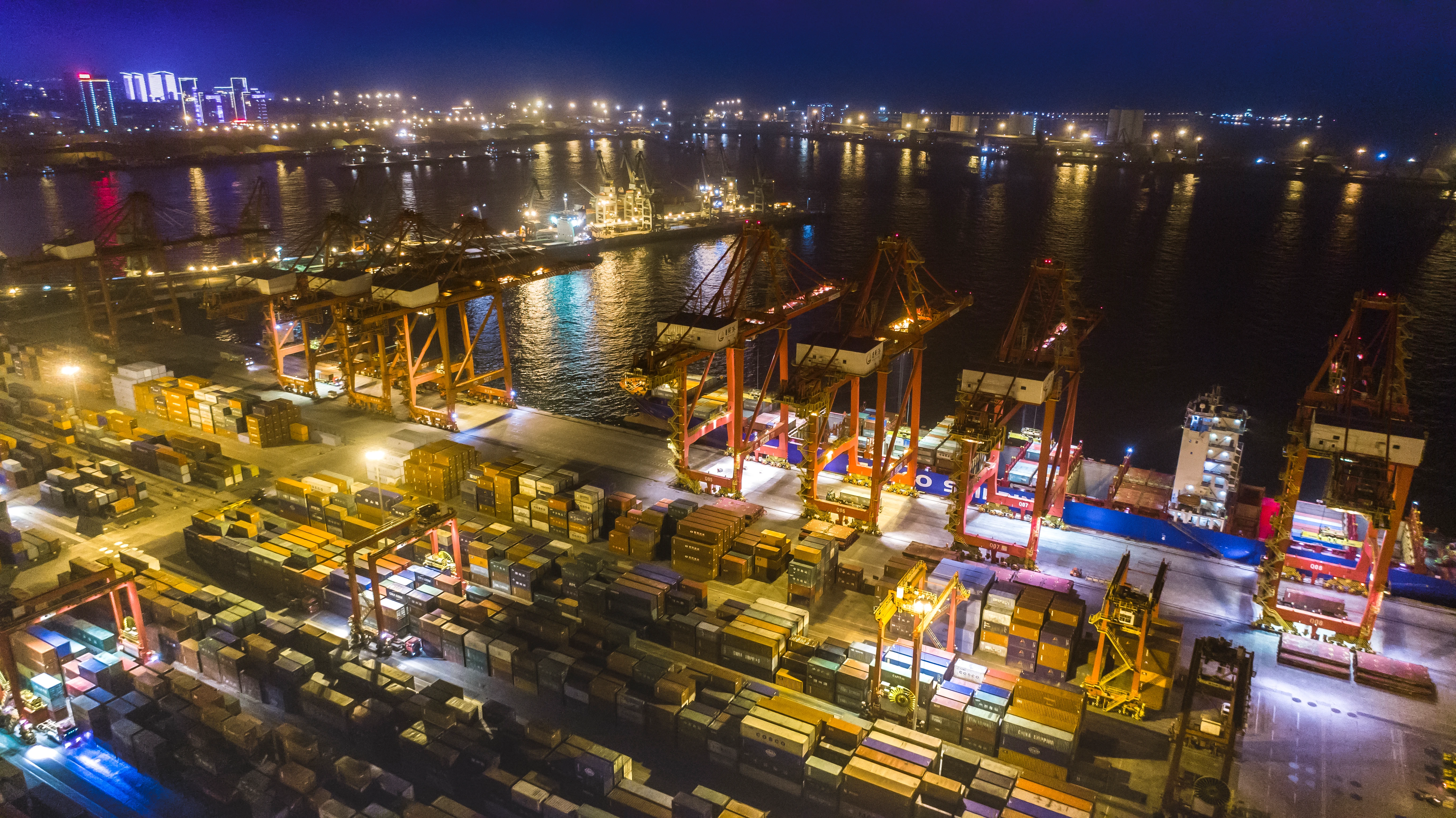
You have big problems when load sway happens during portal crane work. Portal crane sway suppression for faster landing makes container handling safer and faster. With CEGC, you get anti-sway systems that are used everywhere and special solutions that help your team in every port.
Key Takeaways
-
Anti-sway systems help stop loads from swinging. They make crane work safer.
-
Operators should learn to move the crane smoothly. They must follow safety rules to control swaying.
-
Watch things like wind speed to keep crane work safe. This helps stop accidents from happening.
Portal crane sway suppression for faster landing
Preventing load sway with anti-sway systems
You face many challenges when handling containers with a portal crane. Load sway can slow down your work and make landings less safe. Portal crane sway suppression for faster landing helps you move containers quickly and safely. You need to focus on preventing load sway before it starts. Anti-sway systems play a key role in this process.
You can choose from different types of anti-sway systems. Each system works in a special way to control swaying of loads. The table below shows the main types and how they help you with portal crane sway suppression for faster landing:
|
Type of Anti-Sway System |
Description |
Effectiveness |
Use Case |
|---|---|---|---|
|
Hydraulic Systems |
Use hydraulic circuits to reduce swaying movement. |
Good at reducing sway but does not stop it from starting. |
Used in outdoor container handling. |
|
Electronic Systems |
Use smart controls and sensors to prevent swaying of loads. |
Very good at preventing load sway in controlled places. |
Best for indoor cranes. |
|
Hybrid Systems |
Mix hydraulic and electronic features for better control. |
Can prevent swaying of loads and help with fine load placement. |
Works well both indoors and outdoors. |
When you use advanced anti-sway systems, you see big improvements. For example, some systems can reduce load swing by up to 95%. This means you can land containers faster and with more accuracy. CEGC’s anti-sway crane systems stop sway 10% to 15% faster than other brands. This gives you safer lifts and better cargo handling.
Active anti-sway control uses smart motion profiles and braking to keep the load steady. Electrical anti-sway systems can dampen sway within three seconds. These systems also help you with load stabilisation, so you can place containers exactly where you want them. When you make use of anti-sway devices, you reduce the risk of accidents and damage.
Operator techniques to control swaying
You play a big part in controlling swaying of loads. Even with the best technology, your skills matter. You need to use smooth and steady movements when operating a portal crane. Quick or jerky moves can make the load sway more.
Here are some tips to help you control swaying:
-
Start and stop the crane slowly to prevent swaying movement.
-
Watch the load closely and adjust your speed if you see swaying of loads.
-
Use the operator-centered HMI to get clear alarms and status updates.
-
Follow guided steps for safe lifting and landing.
Training helps you learn how to control swaying and prevent crane swinging. With practice, you can reduce overhead crane load sway and improve your speed. Some advanced systems, like those from CEGC, give you guided support. This makes it easier for you to control swaying and land containers quickly.
Environmental factors affecting load sway
You must also think about the environment when working with a portal crane. Wind is one of the biggest reasons for swaying of loads. The table below shows how wind speed affects your operations:
|
Wind Speed (mph) |
Operational Status |
Considerations |
|---|---|---|
|
0–12 |
Safe |
Normal lifting conditions |
|
13–31 |
Caution |
Check load weight, surface area, and boom height |
|
32+ |
Stop operations |
High risk of swaying of loads and damage |
Other factors that affect load sway include:
-
Load surface area: Bigger loads catch more wind and sway more.
-
Lift height: Higher lifts face stronger winds, which can increase swaying of loads.
-
Crane type and setup: Some cranes handle wind better than others.
-
Local wind patterns: Each port has its own weather risks.
To prevent swaying during bad weather, you should:
-
Use anti-sway technology to control swaying of loads.
-
Set up safety interlocks to stop unsafe moves.
-
Train your team to move loads smoothly.
-
Check the load and use smart systems to monitor for drift.
You can also design your cranes with strong materials and smart layouts to resist wind. Calculate wind loads and make sure your portal crane can handle tough conditions. By focusing on portal crane sway suppression for faster landing, you keep your team safe and your operations running smoothly.
When you combine anti-sway systems, skilled operators, and smart planning, you get the best results. You reduce swaying of loads, improve placement accuracy, and lower the risk of collisions. This leads to higher throughput and better performance for your port or terminal.
Reducing load sway for efficient landings
Load balancing and secure rigging
You can make sway less by using good load balancing and secure rigging. First, know the weight and center of gravity for each load. Pick the right rigging equipment and sling hitch for your job. Always check that no people are in the area before you lift. You can use tag lines to help control the load better. Lift slowly and steadily to keep the load balanced and stop sway. If you do not balance or secure the load, it might swing or fall. This can put everyone in danger. Mistakes with rigging can cause delays and traffic in busy ports.
Tip: Always lift from the center of gravity and do not move too fast to keep the load steady.
Motion coordination and cycle-time optimization
You can control swing better by using smart motion coordination. The table below shows some good ways to do this:
|
Strategy |
Description |
|---|---|
|
Advanced Control Methodologies |
Use real-time control to change with new conditions. |
|
Variable Frequency Drives |
Make starts and stops smooth, so there is less sudden sway. |
|
Coordinated Motion Control |
Change speed based on load and height for better swing control. |
|
Closed-Loop Anti-Sway Control |
Use sensors for quick changes and faster, more exact landings. |
Automated motion profiles help you make fewer mistakes and work better. Real-time data lets you see what is happening right away. This makes your work safer and more efficient.
Safety and maintenance considerations
You need to do predictive maintenance to keep your portal crane working well. Real-time monitoring helps you find problems before they cause sway. Regular maintenance stops parts from breaking and keeps your anti-sway system strong. This also helps you follow safety rules. Less sway means less stress on crane parts, so they last longer and need fewer repairs. Marine durability features, like materials that do not rust, help your equipment last longer in tough ports. When you use workflow integration and advanced anti-sway technology, you make your work safer and more productive for all your container handling equipment.
You can make lifting safer by using good sway suppression methods. The table below lists the best ways:
|
Strategy |
Description |
|---|---|
|
Change controls to lower frame shaking and swinging. |
|
|
Structural Design |
Make crane legs deeper and stronger for more stability. |
You get help from CEGC’s real-time checks, motion sensors, and smart software. If you upgrade to better anti-sway systems, you save money fast in busy ports.
FAQ
What is the main benefit of using anti-sway systems on a portal crane?
You can land loads faster and safer. Anti-sway systems cut down on load swing. They also help you place things more accurately.
How do you keep your portal crane safe in strong wind?
You need to watch the wind speed. Use safety interlocks to stop unsafe moves. If the wind is too strong, stop working. Always check your crane before you lift anything.
Can you customize CEGC portal cranes for special port needs?
Yes, you can add special features if you need them. You might want load sensors or anti-collision zones. You can also get marine-grade protection for your equipment.


