
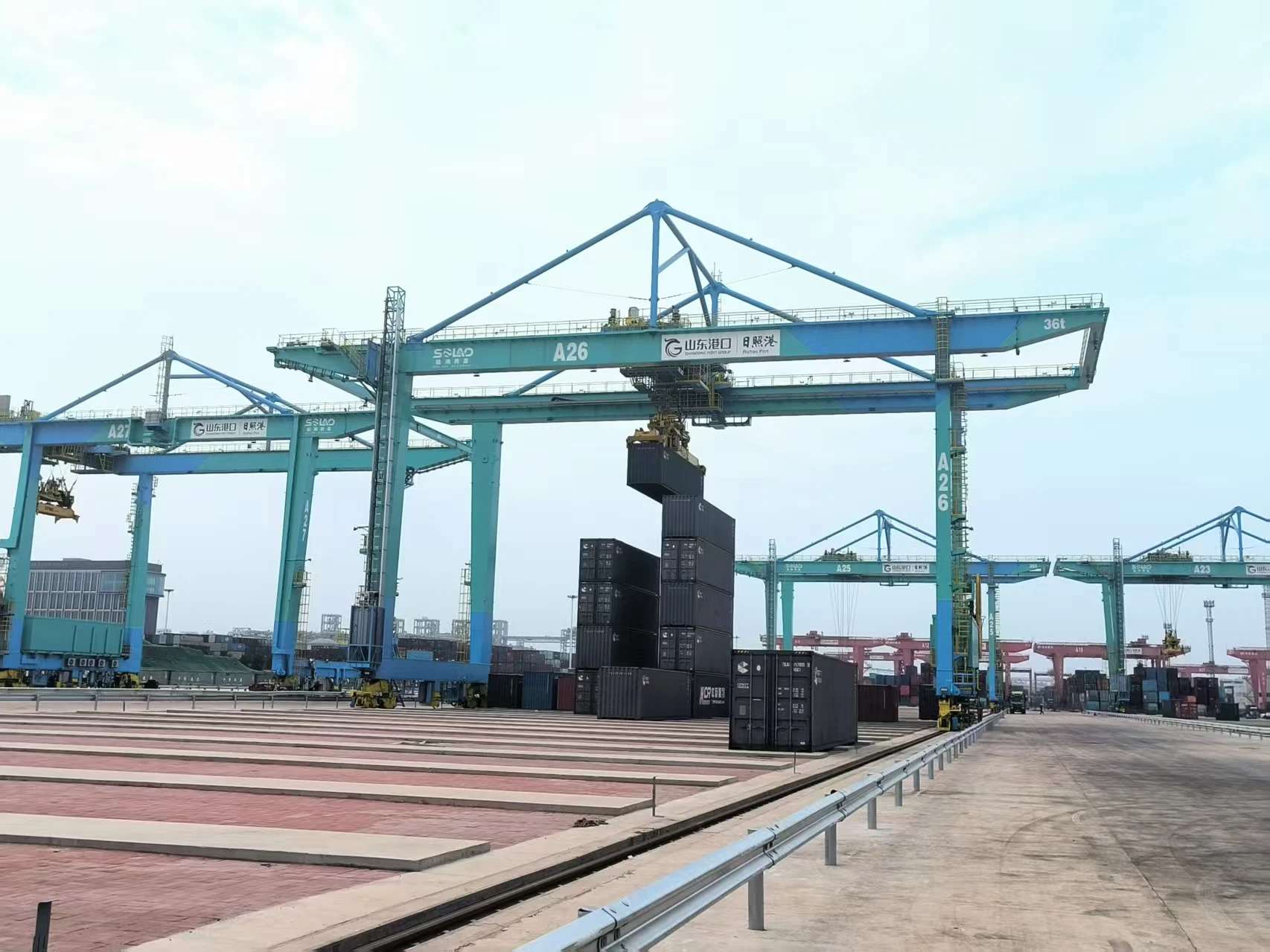
When you use a ship crane, waves can make loads swing. This is dangerous. Ship crane anti-sway matters in swell conditions because steady cargo movement keeps people safe. CEGC makes cranes with anti-sway systems. These systems lower risks. Ship crane anti-sway matters in swell conditions for stopping crashes. It helps with handling cargo better. It also keeps operators safe.
|
Improvement Type |
Percentage Improvement |
|---|---|
|
Load swing reduction |
|
|
Novice operator productivity |
40 to 50% |
Ship crane anti-sway matters in swell conditions for putting cargo in the right place. Ship crane anti-sway matters in swell conditions for smooth work and fewer accidents.
Key Takeaways
-
Anti-sway systems help stop loads from swinging a lot. This makes crane work safer and faster when the sea is rough.
-
Good planning and training for operators are very important. They help lower risks from big waves and make cargo handling safer and more steady.
-
New technology, like sensors and automatic controls, makes cranes work better. It also helps stop accidents when working at sea is hard.
Swell Impact on Ship Crane Performance
Resonance and Load Sway Mechanics
Operating cranes on ships during rough seas is hard. Swell conditions mean waves change a lot. This affects how well ship cranes work. If the waves match the crane’s natural movement, resonance happens. Resonance makes the crane and its load move much more. Forces on the crane and cargo get much stronger.
Here is a table that shows how resonance changes ship crane performance:
|
Aspect |
Details |
|---|---|
|
Resonance Occurrence |
When the crane’s natural periods and the environment match, movements get bigger. |
|
Consequences |
Loads move faster, forces increase, control is lost, and loads might hit things. |
|
Example |
If a ship rolls for 12-17 seconds and the crane’s hoisting system is 10-14 seconds, movements can get worse. |
|
Mitigation Strategies |
Check the environment, pick safe lifting times, and use skilled operators to stop resonance. |
When you use equipment like a CEGC portal crane, container crane, ship crane, or cargo crane, you must watch for these effects. Ship stability changes with pitch and roll from waves. If the wave period matches the crane’s natural frequency, movement gets bigger. Ship crane performance can become unsafe and hard to predict.
Simulation studies help model wave forces. These tests show how cranes react in different weather. You learn how your crane will work before lifting. This helps you plan safe lifting times and avoid resonance.
Ship Movement and Crane Anti-Sway Response
Ship movement affects more than just the crane. It also changes how anti-sway systems work. When the ship moves up or down, or side to side, the load can swing in new ways. Ship crane performance gets harder to control. Loads may move faster or farther than you think. This can cause accidents or delays.
Modern anti-sway systems, like those on CEGC container handling equipment, help you keep control. Sensors and smart controls reduce load movement. They help you place cargo more accurately, even when the ship moves. Still, you must watch for times when ship movement matches the crane’s rhythm. Even the best anti-sway system can have trouble then.
You can make ship crane performance better by using cranes with advanced anti-sway features. Automation helps, but you must pay attention to ship motion. If you use a CEGC container crane or ship crane, you get tools to handle cargo safely and quickly. You lower the risk of collisions and work more efficiently.
Tip: Always check weather and wave forecasts before lifting. Plan your work to avoid times when swell could cause resonance.
When you know how ship movement and anti-sway systems work together, you make better choices. You keep your team, cargo, and equipment safe. You also keep ship crane performance strong, even in rough conditions.
Safety Risks and Anti-Sway Solutions
Collision and Handling Efficiency
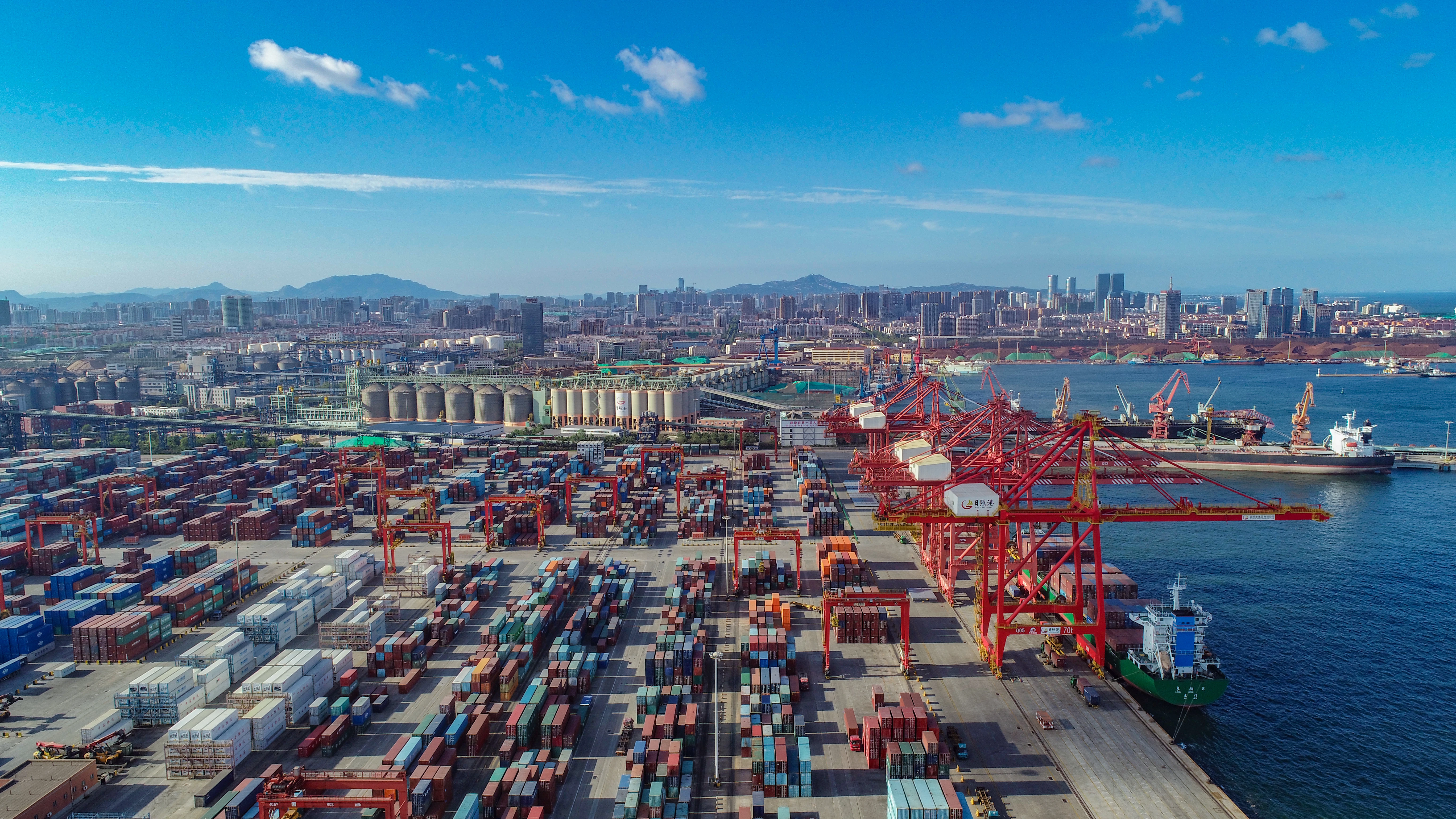
When you use ship cranes in swell conditions, there are many risks. Loads can swing and hit the ship or other equipment. Cargo can tip over or fall, which is dangerous and can ruin goods. Changes in cycle time make port work slower and cost more money. Swell conditions make average throughput drop by 8%. Reliability goes down, so your work is harder to predict. You can make things better by using technical barriers and flexible schedules.
-
Loads sway more, so collisions happen more often.
-
Cargo tipping and dropping are bigger problems.
-
Cycle-time changes mean less throughput and higher costs.
-
Managed interventions help bring back reliability and efficiency.
Note: You can lower these risks by using cranes with advanced anti-sway systems and planning your lifts well.
Anti-Sway Control System Features
CEGC ship cranes have assisted and active anti-sway control systems. These systems measure rope angles and stop load sway automatically. This makes operations safer, cycle times shorter, and crane parts last longer. Sway Control keeps loads steady when the trolley and bridge move. You can pay attention to your surroundings instead of worrying about the load. Cranes with Sway Control work up to 60% faster than regular cranes.
|
Feature |
Description |
|---|---|
|
Automatic Compensation |
Figures out how loads and wind move, then changes crane actions to stop swinging. |
|
Teach-in Enhancement |
Lets you set loading and unloading spots for faster and more accurate cargo handling. |
|
Safety and Precision |
Keeps loads from swaying and uses fixed movement ranges for safer, mistake-free operation. |
You can change anti-sway systems for your port. Choices include sensor sets, anti-collision zones, and closed loop systems. These upgrades help you use space better, make things safer, and get more work done. CEGC cranes meet market-standard specs and can be customized for your project needs.
Practical Steps for Mitigating Load Sway
Environmental and Operational Planning
You can make ship crane work safer by planning for weather. First, check the wind speed and which way it blows. Wind monitors on cranes tell you if it gets too windy. Make sure the ground is flat and packed before setting up the crane. If the ground is bumpy, the crane can shake and sway more. Use vertical cell guides to help keep loads steady when moving them. Advanced signal processing helps sensors work better by blocking out extra noise. This way, you can spot impacts more easily. Always look at the weather before each shift. This helps you avoid sudden changes that could make the crane less stable. CEGC lets you pick sensor sets and anti-collision zones that fit your port. Marine durability features keep cranes safe from salt, wet air, and rust.
Tip: Get your site and equipment ready for changing weather. This helps stop load sway and keeps everyone safe.
Operator Training and Technology Integration
You need trained operators to help stop load sway. Teach your team about how loads move and swing. Practice slow and careful moves with test loads first. Use clear ways to talk, like hand signals or radios, to share news fast. Simulation tools show operators how loads act in different cases. New technology, like anti-collision systems and blind spot radar, makes things safer. Sensors find objects nearby and warn operators or stop the crane if needed. CEGC cranes with anti-sway control move containers faster and help stop accidents. These steps mean fewer containers get damaged and work goes faster.
|
Outcome |
Measurable Impact |
|---|---|
|
Container Damage Incidents |
15% reduction reported at Port of Antwerp |
|
Productivity Increase |
20-30% improvement in handling efficiency |
|
Labor Efficiency |
Reduced manual checks free skilled staff |
You make ports safer and work better when you know about swell conditions. CEGC’s advanced anti-sway systems help you move cargo exactly where you want.
-
Automated controls use heave compensation and anti-sway together for safer work.
-
Real-time data helps you plan and avoid problems.
|
Key Aspect |
Description |
|---|---|
|
Safety Enhancement |
You can move heavy loads without getting hurt. |
|
Efficiency Improvement |
You move cargo quicker and put it in the right spot. |
FAQ
What makes anti-sway systems important for marine crane operations?
Anti-sway systems help keep loads from swinging. They make work safer and faster on ships. Even when waves move the ship, these systems help a lot.
How do floating cranes handle load sway in rough seas?
Floating cranes use sensors and smart controls. These tools help stop loads from swinging too much. They keep cargo safe when the sea is rough.
Can operator training improve crane safety in swell conditions?
Training helps operators work better and safer. Practice lets them react quickly to changes. They also learn to use crane features the right way.


