
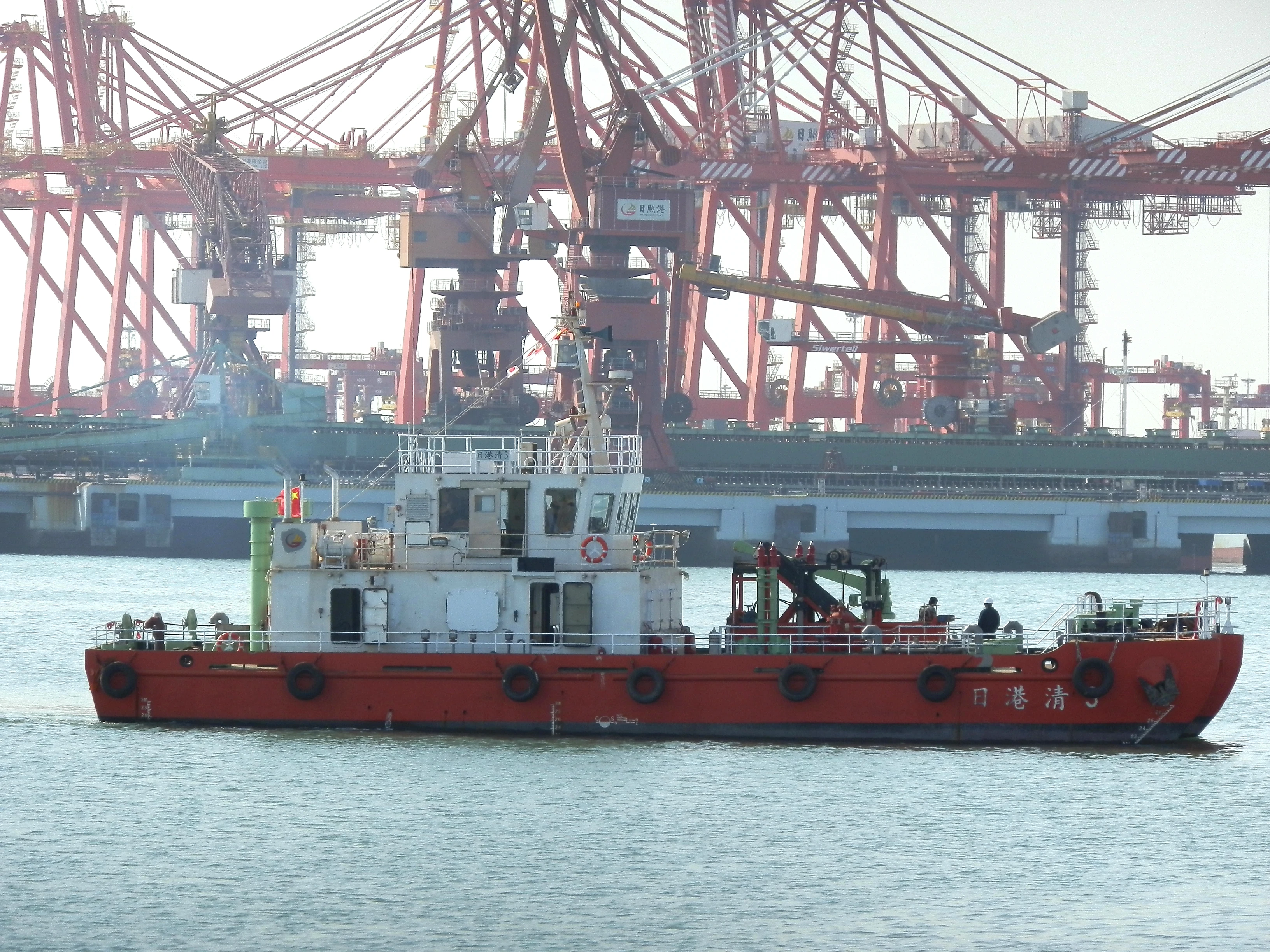
You need to watch the right key performance indicators. This helps you keep up with today’s port work. Clients like port authorities and terminal operators care about Container crane cycle time KPI your client will ask. They want to work faster and spend less money. The most asked-for KPIs are:
-
Cycle time, which shows the whole crane job
-
Idle time, which shows when cranes are not working
-
Hook time, which shows the move from pick to place
-
Load transfer time, which shows the move from crane to where it goes
|
KPI |
Description |
|---|---|
|
How much time cranes are ready for planned jobs |
|
|
Crane Moves Per Hour |
Counts all moves to see how well cranes work |
|
Reasons for Stoppages |
Why cranes stop, like broken parts, workers, ship not ready, or bad weather |
When you know these numbers, you can make machines work better. You can also make things safer. You can meet CEGC market-standard rules.
Key Takeaways
-
Watch important numbers like cycle time and idle time. This helps make cranes work better and saves money.
-
Use tools like predictive maintenance and anti-sway technology. These tools make things safer and stop cranes from stopping too much. This helps everything work better.
-
Plan how trucks and cranes work together. This lowers idle time and makes things move faster. It helps things get delivered on time and keeps clients happy.
Key Performance Indicators for Container Crane Cycle Time
Cycle Time and Moves Per Hour
You need to know about cycle time to make your port better. Cycle time is how long it takes for a crane to finish one full job. The crane picks up a container and puts it in a new spot. This time depends on how heavy the load is, how often the crane works, and how far it moves. If you watch cycle time, you can see where things slow down. Then you can find ways to make the work faster.
Gross crane moves per hour is another important kpi. This number tells you how many containers a crane moves in one hour. More moves per hour means your cranes work well and fast. If you make cycle time shorter, you will get more moves each hour. For example, a Kaizen event at a big terminal made cycle time better by 10-15% for trained workers. This change helped the terminal do more work and made it more productive. Small changes can make a big difference.
|
Metric |
Impact on Terminal Efficiency |
|---|---|
|
Moves per hour |
Shows how well the terminal works and how much it gets done. |
|
Cycle time |
Helps you reach goals and keeps the yard from getting crowded. |
|
UTR shortages |
Makes moves per hour go down and cycle time go up, which hurts how well the terminal works. |
You can use CEGC’s portal crane, container crane, and container handler to reach kpi goals. These machines let you see how well you are doing right away. They also help you keep the yard from getting too full. When you use the right machines, you can hit your port operation kpi targets.
Idle Time and Hook Time
Idle time shows when your crane is not being used. If idle time is high, your crane sits still and you waste money. Hook time is the time from when the crane picks up a container to when it puts it down. Both kpis matter for ship schedules and keeping costs low. If idle time or hook time goes up, you might have delays and spend more money.
You can make idle time lower by making sure trucks come when cranes are ready. This keeps your cranes busy and helps everything run better. Good planning makes trucks and cranes work together and cuts down on waiting. When you watch these kpis, your terminal works well and you avoid problems.
Load Transfer Time and Dwell Time
Load transfer time is how long it takes to move a container from the crane to its next spot, like a truck or stack. Dwell time is how long a container stays in the yard before it leaves. Both kpis are important for how much work your terminal can do.
If you keep dwell time short, you use your yard space better and move more containers. Some ports, like Rotterdam, keep containers for less than 48 hours. If you make load transfer time shorter, you move cargo faster between trucks, trains, or ships. This helps your terminal do more work and keeps customers happy.
Dwell time is very important for how well a port works. If you keep dwell time low, you use your yard better and can handle more containers. Load transfer time shows how fast you move cargo, which helps your terminal do more work. When you watch these kpis, you make your port better and stay ahead of others.
Truck Turnaround and Port Operations KPIs
Truck turnaround time is how long trucks spend in the yard, from coming in to leaving. This kpi includes waiting, loading, and moving inside the yard. In many ports, 30–40% of truck time is spent waiting or moving around. You can make this time shorter by matching truck times with crane and gate work. Working together can cut travel time inside the yard by 20–30%.
When you make truck turnaround time better, your clients are happier and you save money. On-time delivery kpis matter for how much money you make. Customers who get their containers on time will want to use your port again. Good delivery makes people trust you and come back.
The on-time delivery KPI affects how much money you make. It also changes what customers do after they get their order. If customers get their order on time, they will buy from you again. Good delivery makes people trust your company and want to buy again.
CEGC’s container handling machines, like container gantry cranes and reach stackers, help you track all your kpis. You can see how you are doing right away and use scorecards to match your work with your money goals and customer needs. You can check crane moves per hour, berth use, and yard dwell time to make sure you meet industry rules.
A scorecard with different jobs, like crane moves per hour, berth use, and yard dwell time, lets you see how everything works together. This helps you make smart choices. When you use CEGC’s tools, you can meet kpi goals and give good service to your clients.
Measuring and Improving Container Crane Cycle Time KPI Your Client Will Ask
KPI Measurement Methods and Data Sources
You need good data to make container crane cycle time kpi your client will ask better. First, watch cycle time, hook time, and load transfer time for each move. Check how much time cranes spend working versus not working. Gather crane performance data, sort it, and look at it closely. Use the six big losses method to study OEE. Try to find the main causes of slowdowns with a Fishbone diagram. Use the 5 why analysis to suggest ways to fix problems. These steps help you see why delays happen.
There are many ways to get kpi data. TOS systems give you vessel schedules, moves, gate records, and yard inventory. Equipment IoT and telematics show crane cycles, idle time, and status. Maintenance CMMS tracks downtime and work orders. EDI or API feeds give you manifests, customs releases, and appointments. CCTV and sensors help spot lines and check safety rules. When you look at digital cycle time data, you can find patterns that show slow spots.
Getting good kpi data is not always easy. Collecting data by hand takes a lot of time and can have mistakes. Automated systems like OCR might stop working or have trouble in bad weather. Broken hardware can stop work and cost more money. You need strong systems to keep your data correct and helpful.
|
Challenge |
Description |
|---|---|
|
Takes a long time and people can make mistakes, so kpi data may be wrong. |
|
|
Reliability of Automated Systems |
OCR can stop working or have problems if the weather is bad. |
|
Hardware Malfunctions |
Broken hardware can stop work and cause delays, making costs go up. |
Technical Solutions for Cycle Time Optimization
You can make container crane cycle time kpi your client will ask better with new technology. Anti-sway systems help stop loads from swinging, making work safer and more steady. Motion coordination helps cranes move smoothly and more exactly. Predictive maintenance checks crane health and warns you early about problems. IoT sensors give live data on crane health and load, making work safer and faster.
|
Solution Type |
Description |
Benefits |
|---|---|---|
|
Anti-sway systems |
These systems stop loads from swinging during moves. |
Fewer accidents and better reliability. |
|
Motion coordination |
Smart controls help cranes move smoothly. |
More exact moves and less drift. |
|
Predictive maintenance |
Systems watch for problems and warn you early. |
More crane time and less downtime. |
|
IoT sensors |
Live data on crane health and load. |
Work is safer and more efficient. |
Workflow integration and predictive maintenance also help make cycle time and throughput better. Predictive maintenance checks things like motor current, vibration, and oil. This helps you know when something might break and plan repairs. Condition monitoring like vibration checks and heat cameras help you find problems before they get worse. AI and automation help cranes plan paths and sense loads, so there are fewer wasted moves and more work gets done.
You can also save energy to help with kpis. Scheduling helps quay cranes, automated guided vehicles, and yard cranes use less energy. Energy-aware scheduling plans heavy lifts when there is more green energy. Hybrid renewable energy systems power electric machines and give shore power to ships, cutting pollution. Smart energy management matches supply, storage, and use to lower costs and balance energy needs. Digital twins watch port equipment and gate work to help manage energy and work better.
-
Shorter vessel waits mean less fuel used and faster work.
-
Working together helps use resources better and saves energy.
-
Smart systems do simple jobs, so people can plan better.
Safety, Anti-Sway, and Predictive Maintenance
Safety is very important for container crane cycle time kpi your client will ask. Anti-sway systems stop containers from moving out of control, so accidents are less likely. These systems also help put containers in the right place faster, so cycle times are shorter and more containers move. Operators can focus on bigger choices instead of always fixing sway. Smoother crane moves mean less wear on parts, so repairs are needed less often and cranes last longer.
Predictive maintenance helps cut downtime and make kpis better. If you find wear or problems in cranes, stackers, and conveyors early, you can fix them when work is slow. This means less repair cost, less waste, longer life for machines, and better work. For example, predictive maintenance can cut downtime from 120 hours to 25 hours, saving $1.4 million. If you spend $45,000 on sensors and $12,000 a year on software, you can get your money back in four months.
Customization lets you meet special project needs and make kpis better. You can change capacity, automation, anti-corrosion, and other features to fit your work. Customizing your equipment can make work 15–20% faster, about 25% more efficient, and cut turnaround time a lot. Better crane order and yard planning help you avoid slow spots and make everything work better.
You can use CEGC’s portal crane, container crane, container handler, and reach stacker forklift to track work in real time and meet all your automation kpis. These tools match market-standard rules and let you change things like capacity, span, duty cycle, power, and anti-corrosion. By watching the right numbers, you can make crane moves per hour, crane availability, crane time, and vessel turnaround time better. This helps you work better, have less downtime, and reach your container terminal goals.
When you watch and improve container crane cycle time KPIs, your port works better and is safer. CEGC’s smart tools and special choices help you reach your goals. Check your KPIs often to get the best results:
|
KPI Name |
Review Frequency |
|---|---|
|
Every day |
|
|
Berth Occupancy Rate |
Every week |
Buy new machines and team up with good partners to keep getting better.
FAQ
What is the most important KPI for container crane operations?
You should pay attention to cycle time. This KPI tells you how quickly your crane finishes each job. If the cycle time is shorter, your crane works better.
How can you reduce crane idle time?
You can plan when trucks and cranes work together. This helps your cranes stay busy and not wait around. Use live data from CEGC machines to make better plans.
Why does anti-sway technology matter for port operations?
Anti-sway systems help you move containers safely and fast. You have fewer accidents and put containers in the right place. This makes your port work better.


