
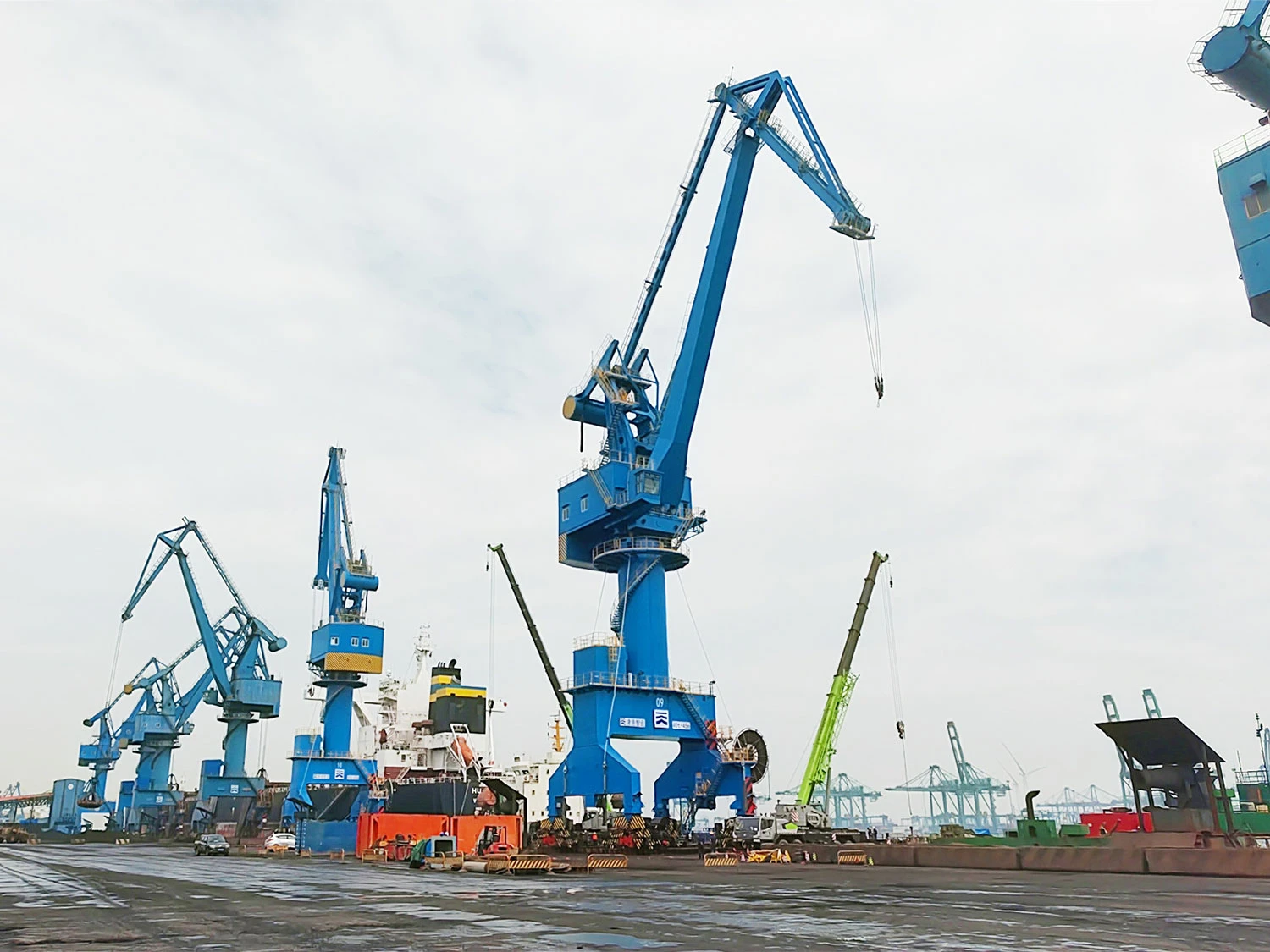
You can boost container crane throughput: reduce maintenance interruptions by implementing proactive maintenance, real-time monitoring, operator training, and effective parts management. CEGC provides both standard and customized solutions for container cranes to help you achieve these goals.
-
Predictive maintenance from CEGC ensures cargo keeps moving and enhances equipment reliability, directly supporting container crane throughput: reduce maintenance interruptions.
-
With more equipment available and ready for use, your terminal operates faster and requires less overtime, maximizing container crane throughput: reduce maintenance interruptions.
Key Takeaways
-
Use preventive maintenance and real-time monitoring to find problems fast. This helps cranes work longer and have less downtime.
-
Make sure spare parts are easy to get. This helps fix cranes faster. Quick repairs mean cranes stop working for less time. The port works better this way.
-
Give operators training all the time to improve their skills and safety. Trained operators can deal with emergencies better. This stops expensive delays.
Preventive Maintenance & Real-Time Monitoring
Structured preventive maintenance to reduce downtime
You can stop downtime by using a good preventive maintenance plan for your container cranes, portal cranes, and reach stackers. Preventive maintenance keeps your machines working well. If you check and fix your cranes often, you can find problems early. This helps you make your equipment safer and work better. You should oil moving parts, change old parts, and test systems on a schedule. Doing these things stops breakdowns. It also helps your machines last longer and keeps them from stopping suddenly. CEGC has preventive maintenance plans that follow market rules and can be changed for your port machines. You get machines you can trust and fewer stops in your work.
Tip: Do preventive maintenance when your port is not busy. This will help you have less downtime and keep your terminal working well.
|
Cause Type |
Description |
|---|---|
|
Technical Failures |
Unexpected mechanical, electrical, or automation system failures that lead to unplanned downtime. |
|
Weather and External Factors |
Bad weather conditions, such as high winds and storms, that can halt crane operations unexpectedly. |
Real-time monitoring for early issue detection
You can have less downtime if you use real-time monitoring and remote monitoring systems. These tools let you watch your container cranes and portal cranes every day. Remote monitoring gives you warnings about temperature, shaking, and electric problems. You can fix things fast when you see a warning. This helps you stop downtime and keep your machines ready to use. CEGC's predictive maintenance uses IoT sensors and vibration sensors to gather data and check how your machines are doing. You can stop problems before they get big and cause downtime.
|
Sensor Type |
Functionality |
|---|---|
|
Vibration Sensors |
Monitor critical areas of STS cranes and evaluate vibration data effectively. |
|
Remote Monitoring |
Enables centralized performance monitoring of RTGs through real-time data. |
|
IoT Sensors |
Collect data for predictive maintenance, analyzing performance and conditions. |
|
Case Study |
Benefits |
|---|---|
|
Continuous Crane Monitoring for a Global Port Operator |
- Increased reliability through continuous diagnostics. - Reduced downtime via early anomaly detection. - Daily monitoring for fast interventions. |
|
Condition monitoring improves gantry availability |
- Early detection of problems in critical components. - Prevention of costly plant standstills. - Use of sensor technology for proactive maintenance. |
Note: Remote monitoring helps you use data to make smart choices and plan repairs before things break.
Anti-sway and safety systems to minimize downtime
You can cut down on downtime by using anti-sway and safety systems. Load sway makes it hard to move containers and can cause crashes. CEGC's anti-sway system helps you control the load better. This means fewer accidents and faster loading and unloading. Safety interlocks, overload protection, and emergency stop logic help stop mistakes and keep your cranes safe. These systems also help your crane parts last longer, so you need fewer repairs and have less downtime.
-
Anti-sway technology makes things safer by giving you better control over the load. This lowers the chance of accidents and downtime.
-
When you stop load sway, workers do not need to fix the load as much. This makes loading and unloading faster, which is important in busy ports.
-
The technology helps crane parts last longer, so you do not need as many repairs or downtime for fixing.
-
Advanced control methods made load swings go down by 11%.
Safety systems protect your workers and machines, so your port works better.
You can trust CEGC's container crane, portal crane, and reach stacker solutions to help you have less downtime and keep your port working well. Preventive maintenance, remote monitoring, and safety systems all work together to stop downtime and help you reach your goals.
Spare Parts Access & System Upgrades
Fast access to critical spare parts
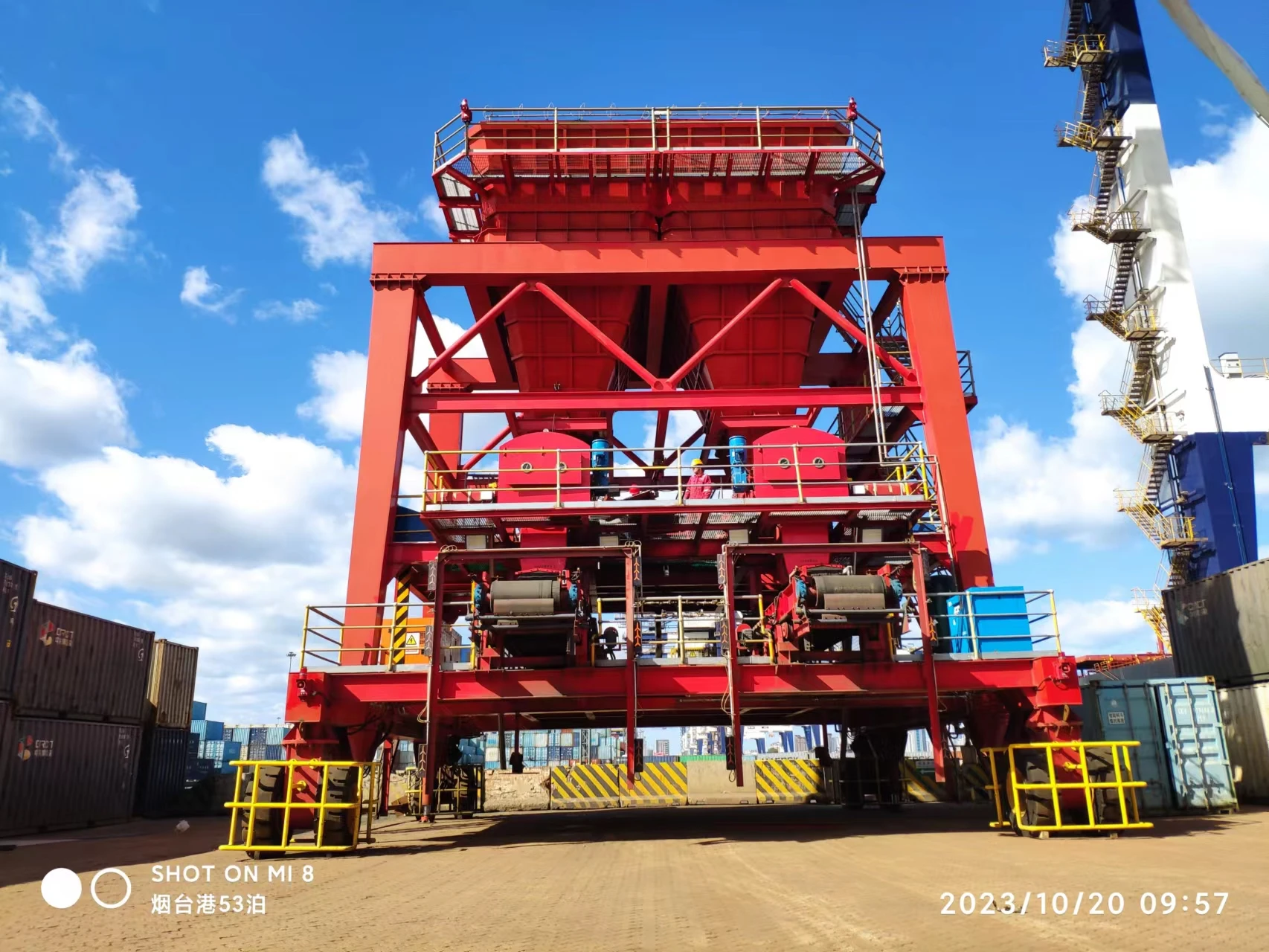
You need to get spare parts fast to keep your container cranes, portal cranes, and reach stackers working. If you wait too long for parts, your machines stop and your port loses time. CEGC uses a modular access and standardized wear-part plan for container handling equipment. This means you can get the parts you need quickly and fix your machines faster.
-
Most important spare parts in the port machinery industry take 12 to 30 weeks to arrive.
-
Old parts can take up to 12 months to get.
-
Some companies, like Toptech Systems, send parts in 4–6 weeks.
When you get spare parts fast, you fix machines faster and lower mean time to repair (MTTR). You also avoid slow repairs and waiting for answers about what is wrong. The table below shows how getting spare parts affects repair times:
|
Metric |
Implication |
|---|---|
|
Means you do not have enough spare parts |
|
|
Slow repairs |
Shows technicians may need more training |
|
Diagnostic delays |
Makes downtime longer |
Getting spare parts quickly helps you keep your cranes ready and your port working. You make repairs faster and have less downtime, so your port works better.
Marine-grade anti-corrosion and fatigue protection
Your port machines work in tough places with salt fog, humidity, and dust. These things cause corrosion and fatigue, which make your equipment not last as long. CEGC gives you marine-grade anti-corrosion systems and strong designs. You can pick from galvanized reinforcements, epoxy coated reinforcements, stainless cladding reinforcements, and steel-fiber reinforced polymer composite bars. Each material protects your cranes and container handlers in a different way.
Galvanized and epoxy coated reinforcements work well in hard places. Stainless cladding and steel-fiber composites help save money and make more work possible. You need to know how these materials act and how they stop corrosion. This helps you choose the best one for your port.
Anti-corrosion steps change how much you spend over time. The table below shows how different protection levels change costs and how long your machines last:
|
Aspect |
Light-Duty Protection |
Heavy-Duty Protection |
|---|---|---|
|
Initial Capital Cost |
Lower |
Higher |
|
Maintenance Frequency |
Higher |
Lower |
|
Effective Service Life |
Shorter |
Longer |
|
Downtime and Labor Costs |
Higher |
Lower |
-
Better materials and coatings help you save money over the crane’s life.
-
Stronger machines mean you do not have to buy new ones as often.
-
Smart technology helps your port work better.
Marine-grade protection makes your equipment last longer and work better. You spend less money fixing and replacing things, and your port works more smoothly.
Upgrading control systems to improve efficiency
You can upgrade your control systems to make your port work better and smoother. New upgrades include DC to AC drive changes, DC to DC upgrades, AC to AC upgrades, and advanced drive systems like DCS800/ACS800/ACS880. You can also put in new I/O systems instead of old ones. Automation in port terminals has made cranes safer, more reliable, and more efficient.
The table below shows what you get when you upgrade control systems:
|
Efficiency Gain |
Description |
|---|---|
|
Cycle time reduction |
Better movement and speed control make work faster. |
|
Increased equipment uptime |
Stops breakdowns and lets machines work longer. |
|
Enhanced load management accuracy |
Makes moving things easier with better load information. |
|
Reduced fuel consumption |
Using less fuel and energy saves money. |
|
Decreased idle time |
Good planning means machines do not sit unused. |
-
Upgrade old ship-to-shore crane controls.
-
Put in new systems instead of old ones.
Upgrading control systems helps you work faster, have less downtime, and keep your port safe. You get more done with less energy and fewer repairs.
You can trust CEGC to give you fast spare parts, strong protection, and new control system upgrades. These solutions help you work better, stop maintenance interruptions, and keep your port running well.
Operator Training & Workflow Optimization
Ongoing operator training for container cranes
You can make your port work better by training operators all the time. CEGC’s operator-centered HMI and guided support help you learn new skills quickly and stay safe. You learn how to move cranes, manage loads, and handle emergencies. These skills help you move containers carefully and fix problems fast. This means less downtime and a safer port.
-
Crane maneuvering teaches you how to move containers the right way.
-
Load management shows you how to lift safely and not damage the crane.
-
Emergency training helps you know what to do when something goes wrong.
George Campbell, Director of Technical Services, says, “Practicing real-life situations helps technicians get better at solving problems and fixing things faster.”
Optimized workflow to minimize downtime
You can make your port faster by improving how you work. Real-time replanning lets you change plans quickly when things happen. Smart stacking puts containers in good spots to save time. Using analytics helps you watch important numbers and make smart choices. These ideas help trucks wait less and let ships leave sooner.
|
Strategy |
Description |
|---|---|
|
Real-time replanning |
Changes plans fast to stop delays and work better. |
|
Smart stacking strategies |
Puts containers in good places to save time. |
|
Integration of analytics |
Brings data together to check KPIs and improve work. |
You check key performance indicators to see how well your port works:
-
How long ships stay at the port
-
How much the berth is used
-
How many crane moves happen each hour
-
How often cranes are ready to use
-
How long imports stay in the yard
-
How full the yard is
-
How fast trucks get in and out
-
How many times containers are moved again
-
How often equipment is ready
-
How many safety incidents happen
Motion coordination to improve efficiency
You can get more work done by making crane movements work together. Tools like 5G private networks, digital twins, and autonomous mobile robots help with automation and better teamwork. These tools help cranes move at the same time and finish jobs faster. You get steady results and move more containers.
|
Technology |
Description |
|---|---|
|
5G Private Networks |
Gives strong communication for better teamwork. |
|
Digital Twins |
Shows and improves how the port works. |
|
Autonomous Mobile Robots |
Help automate and move containers well. |
You can count on CEGC’s solutions to add automation and make your port work better.
You can make container crane throughput better and have fewer maintenance interruptions by doing these important things:
-
Preventive maintenance and real-time monitoring help you find problems fast. You use data to make smart choices and have less downtime.
-
Getting spare parts quickly and upgrading systems keeps your machines working. This also makes your port more efficient.
-
Training operators and improving how you work means less downtime. You get more done and have fewer maintenance interruptions.
A production manager said good operator training stops expensive downtime. This helps container crane throughput and reduces maintenance interruptions.
|
Why Pick CEGC? |
What You Get |
|---|---|
|
Customization |
Solutions made for your port |
|
Fast delivery so you have less downtime |
You can trust CEGC to help you reach container crane throughput and have fewer maintenance interruptions.
FAQ
How often should you perform regular maintenance on container cranes?
You need to check the manufacturer's schedule. Doing regular maintenance keeps your equipment safe. It also helps stop surprise breakdowns.
What is the role of fault detection in equipment maintenance?
Fault detection lets you spot problems early. You can fix things before they get worse. This stops big damage or your port from stopping.
Why are maintenance schedules important for port machinery?
Maintenance schedules help you plan when to fix machines. This makes your equipment last longer. It also means your port has less downtime.


