
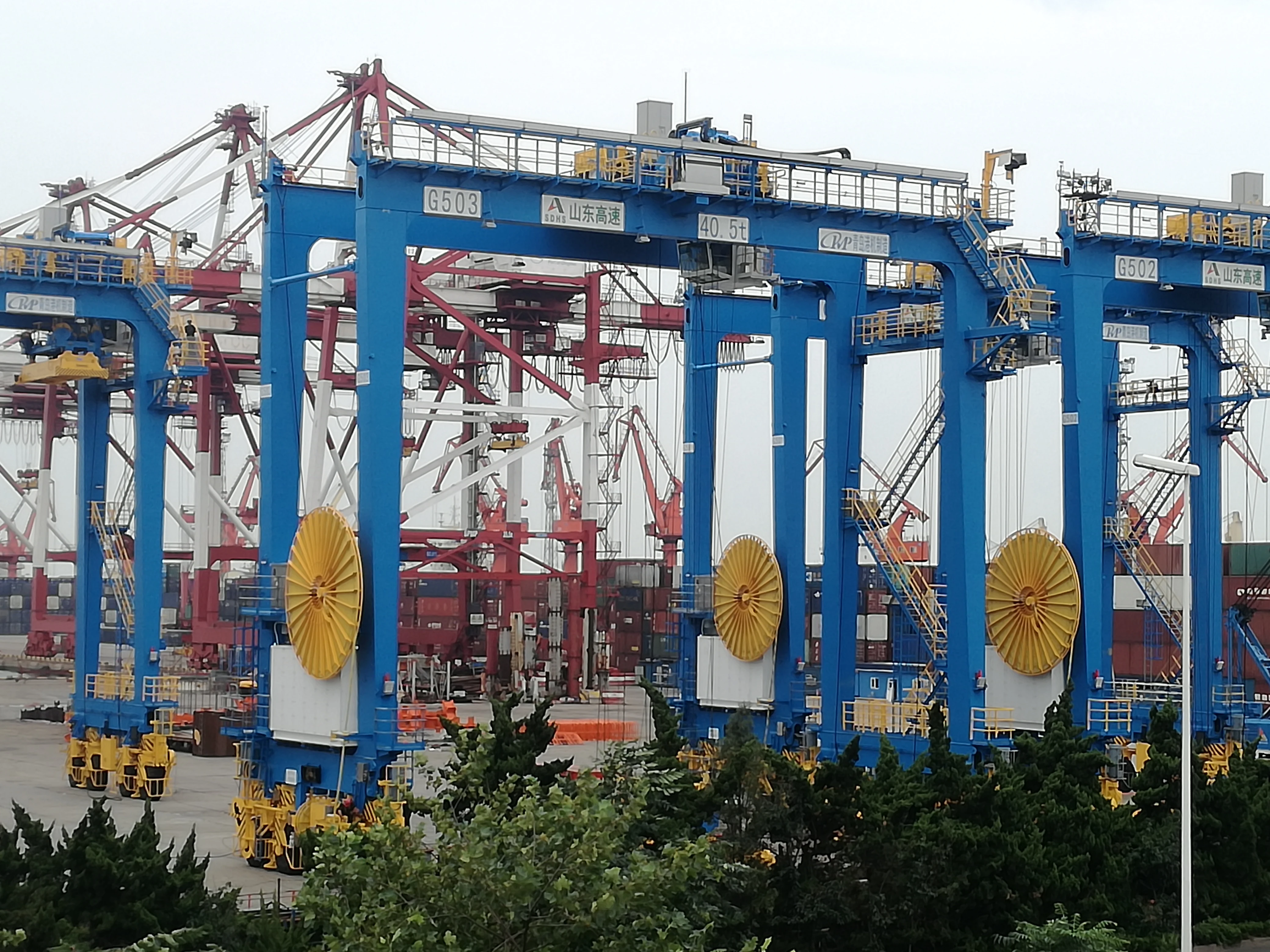
Imagine a busy port where every second counts. Suddenly, a piece of container handling equipment stops working—operations grind to a halt, causing costly delays and raising safety concerns. With CEGC’s container handling equipment predictive alerts that work, you get early warnings before issues occur. These advanced AI-driven alerts from CEGC predict when maintenance is needed, helping you avoid unexpected breakdowns. This proactive approach not only enhances safety but also boosts reliability and reduces operational costs.
|
Improvement Type |
Percentage Improvement |
|---|---|
|
Equipment Utilization Rates |
|
|
Reduction in Unplanned Downtime |
Significant |
Key Takeaways
-
Predictive alerts warn you before equipment breaks down. This helps you stop problems early. It keeps your work safe and running well.
-
AI-driven predictive maintenance can cut surprise downtime by 28%. This saves money. It also keeps your equipment ready to use.
-
Real-time data from predictive alerts helps you plan better. You can fix problems before they get worse. This lowers costs and makes work more efficient.
Predictive Alerts in Container Handling Equipment
What Are Predictive Alerts?
You use container handling equipment predictive alerts that work to help your container terminals run well. Predictive alerts use digital sensors and iot technology to watch over container cranes, portal cranes, and container handlers. These systems gather digital data about how the equipment is working. They check things like motor voltage, current, temperature, vibration, and brake status. You get digital updates right away, so you can fix problems before your container equipment stops working.
|
Feature |
Description |
|---|---|
|
Watches the motor’s health and finds problems early for maintenance. |
|
|
Motor Temperature Monitoring |
Warns you if the motor gets too hot to stop damage. |
|
Hoist Motor Vibration Analysis |
Tells you when maintenance is needed because of wear. |
|
Crane Operation Usage Monitoring |
Checks how much you use the crane and how well it works. |
|
Load and Overload Monitoring |
Makes sure you do not go over safe load limits. |
|
Motor Brake Fault Monitoring |
Finds safety problems if the brakes do not work right. |
|
SCADA, VFD, and PLC Integration |
Gives you information about control settings and system status. |
|
Real-Time Monitoring |
Sends you updates all the time about crane performance and important numbers. |
|
Enhanced Safety |
Watches important safety points to lower risks. |
|
Mobile Integration |
Lets you see crane data on your mobile devices. |
|
Data-Driven Insights |
Gives you helpful information to make smart choices. |
How Predictive Alerts Improve Performance
You want your container terminals to avoid downtime and keep container vessel schedules on time. Predictive maintenance helps you find problems early. Digital sensors and iot devices watch wind, load sway, and how equipment moves. These predictive systems:
-
Use wind sensors and load checks to change crane movement and lower load sway.
-
Make digital maps of container terminals in real time to stop crashes.
-
Stop lifting when wind is too strong and could be dangerous.
-
Help operators with digital alerts for safer and better container handling.
With predictive maintenance, you do better work, lower risks, and keep your container terminals running well.
CEGC’s Approach to Predictive Maintenance
CEGC gives you container handling equipment predictive alerts that work by meeting market-standard specs and letting you customize for your project. You get digital solutions that fit your container terminals, whether you need more iot sensors, better digital analytics, or special alarm settings. CEGC’s predictive maintenance uses digital sensors, iot connections, and machine learning to make equipment last longer and work better. You plan maintenance using real digital data, not guesses. This way, you do not check equipment too much, you save money, and your container terminals are ready for global trade. As more people use digital and iot, predictive maintenance becomes the normal way to keep container handling safe, reliable, and efficient.
Key Benefits of AI-Driven Predictive Maintenance
Reliability and Safety
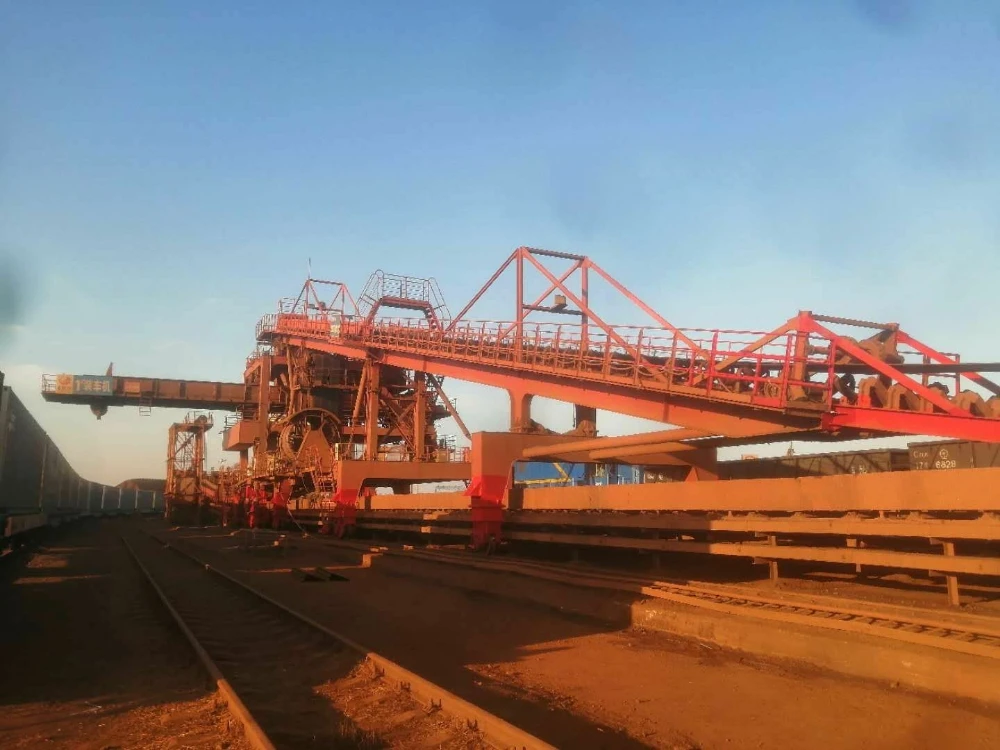
You want your port machines to work well every day. AI-driven predictive maintenance gives you early warnings about problems. You can fix things before they break down. This helps your machines stay reliable and keeps everyone safe. You plan repairs when it is not busy, so you do not lose money. Your cranes and handlers are always ready, so ships leave on time.
-
AI-driven predictive maintenance cut unplanned vessel downtime by 28%.
-
Each percent less downtime saves about $12 million a year.
-
You stop breakdowns early and avoid surprise downtime.
-
You help ships leave faster, which is good for shipping lines.
You use real data to make smart choices. You get alerts right away, not just guesses. Your container cranes, portal cranes, and reach stackers keep working well. You keep your team and cargo safe with better operations.
Efficiency and Cost Savings
You want your port to work fast and not waste money. AI-driven predictive maintenance helps you do this. You use data to see how much fuel you use and how engines work. You get 5% better fuel use, which saves money every year. Good equipment uses less energy and makes less pollution.
You find problems early, so repairs cost less. You spend less on workers and parts because you only fix what is needed. You save money by planning when to do repairs. Your equipment lasts longer and does not break in expensive ways.
|
Evidence Type |
Description |
|---|---|
|
Efficient Maintenance Expenditure |
Maintenance is done when needed, so you save on labor and parts. |
|
Lower Maintenance Costs |
Finding problems early stops big failures and saves money. |
|
Cost Reduction and Financial Gains |
AI helps you save a lot by planning repairs better. |
|
Living Health Score |
Teams get alerts about real equipment problems, so they fix things fast. |
You need less maintenance, about 30% to 40% less. Unplanned downtime can cost $10,000 to $100,000 every hour. Predictive maintenance helps you avoid these big losses. You get more from your equipment and your port works better.
Integration with Port Operations
You want predictive maintenance to fit your daily work. AI-driven predictive maintenance connects with your port systems. Sensors check vibration, temperature, and energy use. You collect data from cranes, ship loaders, and reach stackers. All the data goes to one main platform.
|
Component |
Description |
|---|---|
|
Sensors check things like vibration, temperature, and energy use. |
|
|
Data Integration and Processing |
Data is gathered, cleaned, and stored in one place. |
|
Machine Learning Algorithms |
AI looks at the data, finds problems, and sends alerts. |
You get real-time updates to help plan repairs and work better. You use easy-to-read screens to see alarms and updates. You can fix problems from far away, so teams do not always need to go on-site.
|
Evidence Description |
|---|
|
OT systems collect data all the time, so models stay up-to-date. |
|
OT gets real-time data from ship systems, so you spot problems fast. |
|
This helps teams fix things from shore with live data. |
|
OT and analytics help you find and fix problems before they get worse. |
|
OT stops big repairs by catching problems early, even in tough places. |
|
OT lets you fix things faster, often without going to the ship, so you save time. |
You also protect your equipment from tough sea weather. CEGC gives you ways to stop rust and damage. You use special coatings, stainless steel, and cathodic protection to stop corrosion. You can check equipment easily for quick repairs.
|
Strategy |
Description |
|---|---|
|
Protective Coatings |
Special coatings protect against salt and water. |
|
Stainless Steel Components |
Stainless steel stops rust and keeps parts strong. |
|
Cathodic Protection |
Anodes or ICCP systems stop corrosion in open areas. |
|
Regular Maintenance Cycles |
Easy checks help you fix and re-coat equipment on time. |
You use predictive maintenance with your daily work. You get data to help your port run better. You see fewer breakdowns, spend less, and keep container handling safe every day.
What Makes Predictive Alerts Effective?
Accuracy and Timeliness
You need accurate alerts to keep your port safe. Predictive maintenance uses sensors and IoT devices to watch equipment. These tools check things like vibration, temperature, and lubrication. You get real-time updates that help you spot problems early. This means less downtime and fewer expensive breakdowns. Predictive analytics let you fix things based on real needs, not just a schedule. You make smart choices that help your port work better and safer. Real-time tracking shows equipment status right away, so you can act fast.
Actionable Insights for Operators
You need clear information to help your equipment work well. Predictive alerts show you real-time data about hydraulic pressure and engine load. You use these alerts to stop failures and keep things running smoothly. Predictive insights help you find slow spots and plan vessel schedules. You watch cycle time to see how well reach stackers work. Even small changes can make a big difference in how things run. Real-time data helps you fix problems quickly, so performance stays high.
-
Predictive analytics point out slow spots and possible delays.
-
Watching cycle time helps you improve speed and output.
-
Real-time info lets you fix things before they break.
Real-World Results with CEGC Equipment
You see real improvements when you use predictive maintenance with CEGC equipment. Predictive alerts help terminals work better and faster.
|
Example |
Improvement Description |
Measurable Outcome |
|---|---|---|
|
Terminal A |
Used demand forecasts and new rules for moving containers |
Cut container wait time by up to 15% and less crowding |
|
Terminal B |
Used predictive models and better equipment planning |
Raised output by about 12% with smarter schedules |
|
Terminal C |
Used short-term forecasts for moving containers |
Yard cranes worked better and wait times got shorter |
|
Terminal D |
Improved transport inside and shared equipment |
Kept getting better with real-time dispatching |
You use one main system to track equipment health, history, and key numbers. Sensors on the machines watch for changes and tell you when to order parts. Predictive maintenance saves money and helps equipment last longer. You get better results, more safety, and reliable machines with CEGC container cranes, reach stackers, and ship loaders.
You get better safety, save money, and your equipment works well with container handling equipment predictive alerts that work. CEGC uses smart AI tools that watch your machines all the time and let you pick the alerts you want.
-
AI helps you find problems early and keeps machines running.
-
Digital twin technology helps your port stay strong.
|
Recommendation |
Description |
|---|---|
|
Choose alerts that fit what you need. |
|
|
Proactive Notifications |
Get updates by email, text, or push message. |
You can count on container handling equipment predictive alerts that work to keep your port safe and ready for what comes next.
FAQ
How do predictive alerts help you avoid equipment breakdowns?
Predictive alerts tell you about problems before they start. You can fix things early. This keeps your container cranes, portal cranes, and reach stackers working well.
Can you customize the alerts for your port operations?
-
Yes, you can pick the alerts you need.
-
CEGC lets you set alarm levels and choose sensor types for your container handling equipment.
What types of equipment work with CEGC predictive alerts?
|
Equipment Type |
Supported by CEGC Predictive Alerts |
|---|---|
|
✅ |
|
|
✅ |
|
|
✅ |
|
|
✅ |


