
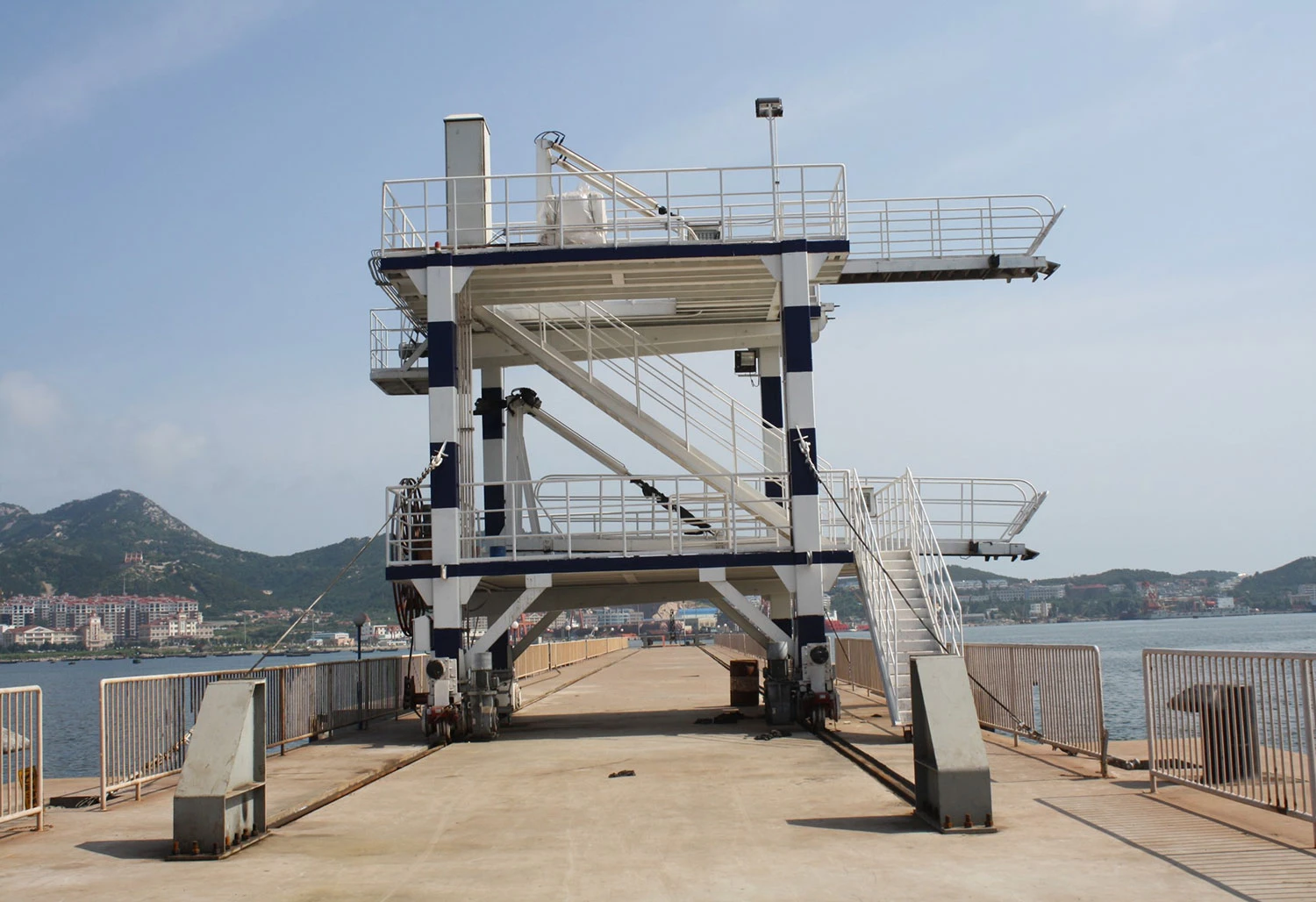
You need to watch important numbers like gross moves per hour and net moves per hour. You also need to check crane utilization rate, equipment availability, vessel turnaround time, and berth occupancy rate. These KPIs are important for port authorities, terminal operators, and EPC contractors. CEGC gives standard performance and can change things for each project. Safety, cycle time, and maintenance affect KPI results.
|
Factor |
Impact on KPIs |
|---|---|
|
Safety Margins |
Good safety margins lower downtime and make cranes available more often. |
|
Material Strength |
Strong materials mean less maintenance and longer crane part life. |
|
Structural Design Analysis |
Good modeling helps cranes handle heavy loads and lowers accident rates. |
|
Compliance with Standards |
Following safety rules keeps you safe from legal trouble and builds trust. |
|
Environmental Conditions |
Changing for weather and other factors keeps things working well and helps KPIs. |
-
Anti-sway systems stop containers from swinging and lower accident and downtime risks.
-
Safety sensors check how things are working, stop overloads, and keep things safe.
Container handling gantry crane throughput: KPIs list helps you look at these important things and make work better.
Key Takeaways
-
Watch important KPIs like Gross Moves Per Hour and Net Moves Per Hour. These help check how well the crane works. They also help make terminal work better.
-
Use predictive maintenance to cut downtime by 30-50%. This makes sure cranes are ready when needed. It also helps boost productivity.
-
Use new technology like anti-sway systems and real-time monitoring. These help move containers better and make throughput higher.
Container handling gantry crane throughput: KPIs list
Gross Moves Per Hour
Gross Moves Per Hour (GMPH) tells you how many container moves happen in one hour, even if there are delays. You find this number by dividing all the moves by the total time from the first move to the last move. This includes waiting, breaks, and stops. GMPH helps you see how well the terminal works.
|
Metric |
Description |
|---|---|
|
Gross Moves Per Hour (GMPH) |
Total moves ÷ total time from first move to last move (includes all delays). |
|
Net Moves Per Hour (NMPH) |
Total moves ÷ crane operating time (excludes major stoppages like meal breaks, shift changes). |
|
Productive Moves Per Hour (PMPH) |
Total moves ÷ time when crane is actively moving containers (excludes all delays, restows, waiting). |
When you use anti-sway systems from CEGC, containers swing less and each move is faster. This helps you get a higher GMPH. Making the cycle time shorter also helps a lot. If you lift faster and control the crane better, you can move more containers every hour. If you want to improve your container handling gantry crane throughput: kpis list, try these technical upgrades.
Net Moves Per Hour
Net Moves Per Hour (NMPH) shows how many moves you finish in one hour, but only counts the time when the crane is working. You do not count long breaks or shift changes. NMPH helps you know how well your team and equipment work when they are busy.
Many things can change NMPH. Crane interference, how you use resources, and planning all matter. If you plan well and use smart schedules, your NMPH can go up. CEGC’s cranes have advanced controls to help with this. When you check container handling gantry crane throughput: kpis list, you see how these things affect your results.
Crane Utilization Rate
Crane Utilization Rate tells you how much of the time your crane is working. You find it by dividing the time the crane works by the total time it could work, then multiply by 100 for a percent. High utilization means you use your crane well.
You can make this rate better by having less downtime. Predictive maintenance helps you find problems before the crane breaks. With CEGC’s condition monitoring, your cranes can run longer and stop less. Training operators and keeping good records also help. When you look at container handling gantry crane throughput: kpis list, you see how small changes in maintenance and schedules can help a lot.
Equipment Availability
Equipment Availability shows how often your cranes are ready to work. You want this number to be high. Predictive maintenance helps a lot here. AI models can find strange patterns that warn you about problems. This lets you fix things before the crane stops.
-
Predictive maintenance can lower downtime by 30–50%.
-
Maintenance costs can go down by 10–40%.
-
You get more throughput because your cranes are ready when needed.
A port in Europe used vibration and temperature checks to cut unplanned stops by almost one-third. Another operator made fleet uptime better by 20–30% by checking bearings early and ordering parts before they were needed. When you track container handling gantry crane throughput: kpis list, you see how these steps keep your cranes ready and your work smooth.
Vessel Turnaround Time
Vessel Turnaround Time tells you how long a ship stays at your terminal, from when it arrives to when it leaves. You want this time to be short. Fast turnaround means you can handle more ships and keep customers happy.
-
Turnaround time includes docking, loading and unloading, and clearance.
-
Good port operations help you make this time shorter.
-
Delays can mess up the supply chain and cost more money.
-
Managing truck traffic well also helps stop congestion.
At top ports, container ships stay about 0.7 to 1 day. Some ports are even faster. If you use CEGC’s cycle-time optimization and anti-sway systems, you can load and unload faster. This helps you improve your container handling gantry crane throughput: kpis list and keep vessel turnaround times low.
Berth Occupancy Rate
Berth Occupancy Rate tells you how much of the time your berths are used. You find it by dividing the time berths are busy by the total time they could be used. If this rate is over 85%, you might see more delays and crowding.
-
High berth occupancy can slow everything down.
-
You need to watch both berth waiting time and occupancy.
-
Good schedules and fast crane cycles help keep this rate just right.
CEGC’s container handling equipment, with anti-sway and predictive maintenance, helps keep cranes and berths ready. When you manage your container handling gantry crane throughput: kpis list, you can find slow spots and make smart changes to help things move better.
Tip: Use marine-grade anti-corrosion coatings and strong designs to keep your cranes working well, even in tough port weather. This protects your cranes and helps you get high KPI scores.
Key performance indicator impact and optimization
Factors affecting KPI results
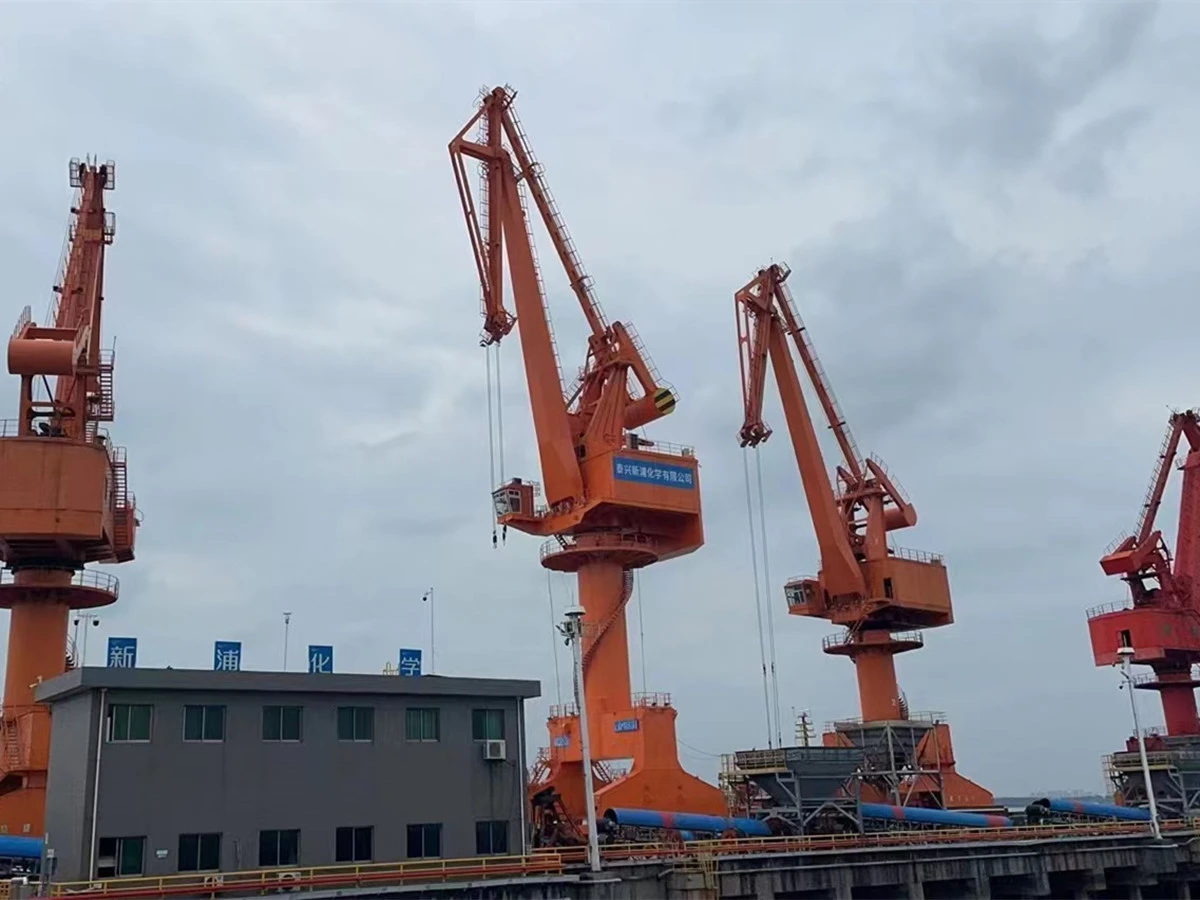
You can make your terminal’s key performance indicators better if you know what changes them. How long you work, how fast you move containers, and how much crane operators help are all important. The way you use equipment and how well quay cranes work also matter a lot. The table below shows how each thing can change your results:
|
Operational Parameter |
Impact on KPI Results |
|---|---|
|
Operational Time |
Big effect on how well the terminal works |
|
Container Handling Time |
Changes how fast and well you work |
|
Quay Crane Productivity |
Very important for total performance |
|
Equipment Deployment |
Makes work smoother and faster |
|
Crane Operators' Involvement |
Helps control how cargo is moved |
You should also think about the terminal’s setup. The length of the berth, how deep the water is, how much yard space you have, and how high you can stack containers all set limits on how much you can do.
Technical solutions for throughput improvement
You can make your key performance indicators better by using new technology. Anti-sway systems from CEGC help keep loads steady and let you move containers safely and fast. If you use real-time monitoring, you can finish jobs quicker and work better. Predictive maintenance helps you find problems early, so your equipment does not break down. Using automation and data analytics can make ports work up to 30% better.
Customization and integration for terminal needs
Every terminal is different. CEGC lets you pick special features for your container handling gantry cranes. You can add things like anti-sway, safety locks, strong parts for the sea, and predictive maintenance. Customizing your cranes makes sure they fit what you need and helps you do better. Special solutions help you reach your key performance indicator goals and keep your team safe.
You need to watch KPIs to help your port work well. The table below explains why checking KPIs all the time is important:
|
KPI |
Description |
|---|---|
|
Vessel Turnaround Time |
Shows how quickly ships go through your port. |
|
Crane Productivity |
Tells you how many containers you move each hour. |
|
Truck Turnaround Time |
Helps you stop traffic jams and keep trucks moving. |
CEGC gives you tools like predictive maintenance, real-time data, and easy scheduling. These tools help you find problems early, make good choices, and keep your cranes working. When you use smart solutions, you can see slow spots and make things better every day.
FAQ
What is the best way to improve crane throughput?
You can add anti-sway systems to your cranes. Cycle-time optimization helps you finish jobs faster. Predictive maintenance finds problems before cranes break. These upgrades let you move containers quickly and keep cranes working longer.
How does CEGC customize container handling gantry cranes?
You can pick features like anti-sway and marine durability. Safety interlocks are also an option. CEGC changes cranes to fit your terminal’s needs. This helps you reach your performance goals.
Why should you track KPIs for container handling gantry cranes?
|
Reason |
Benefit |
|---|---|
|
Find slow spots |
Make work more efficient |
|
Plan upgrades |
Help cranes work better |
|
Reduce downtime |
Save money |


