
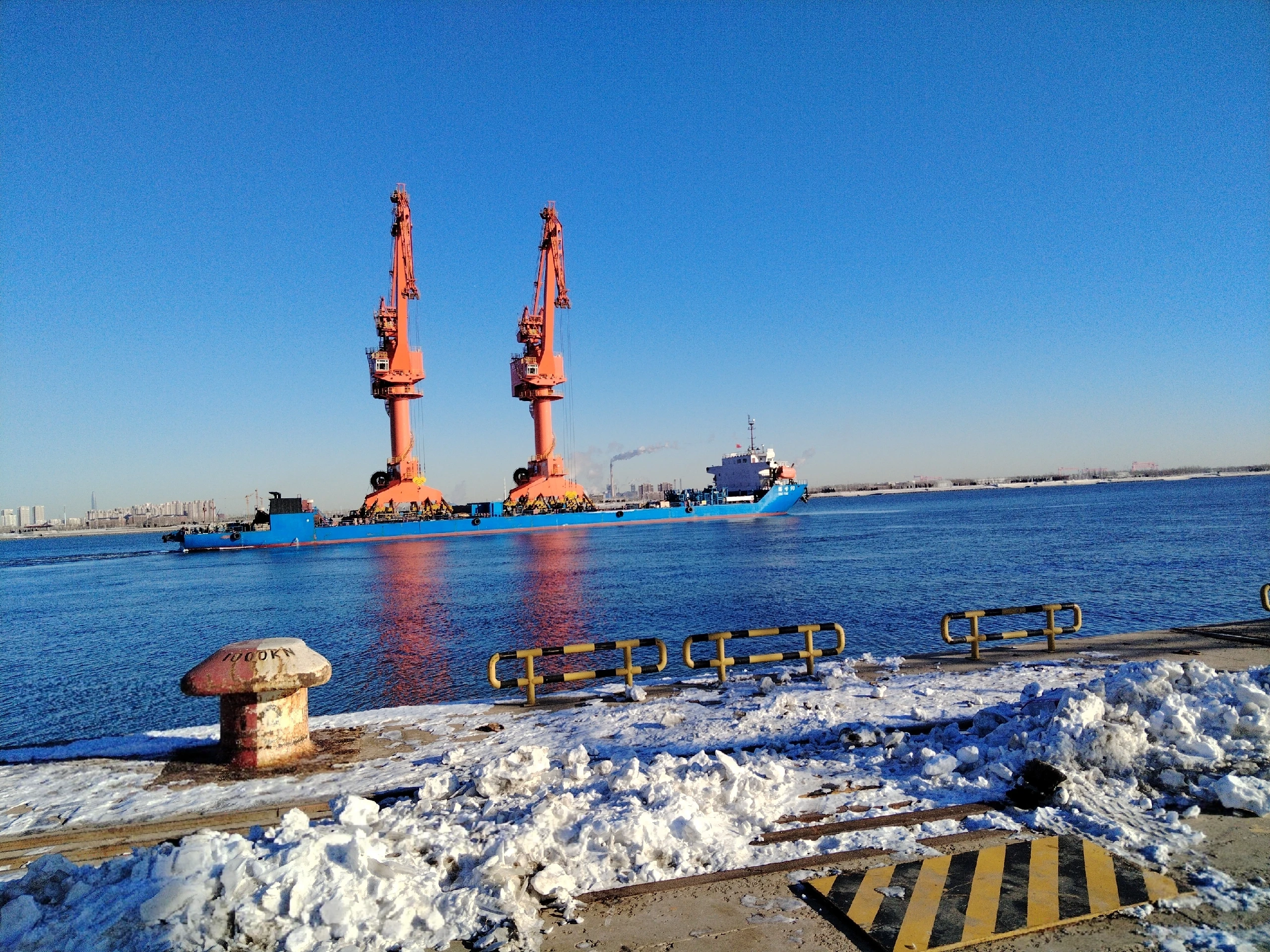
When demand surges, maintaining ship loader throughput and stabilizing flow under peaks can be a major challenge. CEGC delivers advanced technology from China to ports worldwide, ensuring consistent performance even during high-traffic periods. Their portal cranes and container gantry cranes leverage AI and intelligent solutions to reduce wait times and accelerate container movement. With CEGC, ship loader throughput is optimized to stabilize flow under peaks, making operations safer and minimizing risk at your terminal.
Key Takeaways
-
Knowing ship loader throughput is very important. It shows how much cargo your port machines move in a certain time. Keeping the flow steady during busy times helps ships wait less.
-
CEGC uses new technology, like anti-sway systems and motion coordination. These help stop loads from swinging and cut down on downtime. This makes work safer and moves more cargo.
-
Using smart dock scheduling and predictive maintenance can make things work better. These plans help handle busy times well and stop surprise breakdowns.
Ship loader throughput: stabilize flow under peaks
Defining throughput and flow stabilization
It is important to know what ship loader throughput means. Throughput is how much cargo your port machines move in a certain time. When you stabilize flow under peaks, you keep things steady, even if many ships come at once. You want to stop slowdowns and keep work smooth. If you manage ship loader throughput: stabilize flow under peaks, you can make dwell time shorter for every ship. This means ships wait less at your dock. Your team can also move more cargo with fewer mistakes.
Ports all over the world have this problem. They see busy times each week and season that push their limits. Operators often work close to full capacity. This makes it hard to handle extra cargo when things get busy. Ports now change yard and gate work to be more efficient. They use new ways to store and move cargo to keep trade going. They also stack containers better to cut dwell time and keep things moving.
When you focus on ship loader throughput: stabilize flow under peaks, you make dwell time shorter for ships and containers. This means ships spend less time at the dock. You also have fewer ships waiting to load or unload. Good work at the berth means fewer delays and less money lost for your port.
Key pain points: load sway, cycle time, downtime
You may have some problems when you try to keep ship loader throughput: stabilize flow under peaks. Load sway is a big issue. When a crane lifts a container, wind or sudden stops can make it swing. This makes it hard for the operator to put containers in the right spot. It also makes crashes more likely and slows things down. If you want to cut dwell time, you need to control load sway.
Cycle time changes are another problem. If your machines do not move at the same speed, you get slow spots. Some containers move fast, but others take longer. This makes it harder to move more cargo and plan your yard work. If hoisting, trolley, and gantry do not work together, you get wasted time. You want every part to work together to cut dwell time.
Unexpected downtime can stop your work. If a crane breaks, you cannot move containers. This means ships wait longer and costs go up. Salt, humidity, and dust can hurt your machines. If you do not protect your equipment, you will have more breakdowns and repairs. You need to keep ship loader throughput: stabilize flow under peaks to cut dwell time and avoid these problems.
EPC contractors and operators have extra problems. Many ports do not have systems that work together for cargo. Data gets split up in different tools. Typing information by hand causes mistakes and slows things down. Real-time talk between ship and shore is often missing. This makes it hard to make quick choices during loading.
CEGC port machinery: market-standard specs and customization
You can fix these problems with CEGC port machines. CEGC has portal cranes, container gantry cranes, and other tools for containers. These machines have market-standard specs and can be changed for your project. You can pick the right size, span, duty cycle, power, and automation for your needs. This helps you keep ship loader throughput: stabilize flow under peaks and cut dwell time.
CEGC uses smart technical solutions to fix your problems:
-
Assisted and Active Anti-Sway Control: This system cuts load sway. It uses smart moves and brakes to keep loads steady. Your operators can put containers in the right place safely.
-
Multi-Layer Safety Interlocks: These features keep your team and machines safe. Overload protection, limit switches, and emergency stops lower accident risks.
-
Optimized Motion Coordination: CEGC cranes move hoist, trolley, and gantry together. This cuts wasted moves and keeps cycle times steady. You can cut dwell time and move more cargo.
-
Marine-Grade Anti-Corrosion System: Special coatings and seals protect your machines from salt, humidity, and dust. This makes your equipment last longer and cuts downtime.
-
Predictive Maintenance and Energy Efficiency: CEGC uses AI to watch your machines. The system can tell when you need repairs. This helps you stop surprise breakdowns and cut dwell time.
You can see how CEGC changes help your work during busy times in the table below:
|
Strategy |
Description |
|---|---|
|
Automation |
Makes containers move faster by using less manual work. |
|
Energy Efficiency Upgrades |
Uses systems that need less power but still work well. |
|
Predictive Maintenance |
Uses AI to plan for busy times and use workers and machines better. |
|
Integration with Operating Systems |
Helps cranes and yard work together to get more done. |
You can also learn from ports around the world. They use capacity management and digital tools to use ships better. Sharing information and planning vessel stowage helps them move more cargo each trip. These ideas help you keep ship loader throughput: stabilize flow under peaks and cut dwell time, even when ships come less often but are bigger.
When you pick CEGC, you get steady ship loader throughput: stabilize flow under peaks. You cut dwell time, make things safer, and keep your port working well. You can change your portal crane, container crane, or reach stacker forklift for your project. This lets you handle any busy time with confidence.
Dock scheduling and operational strategies
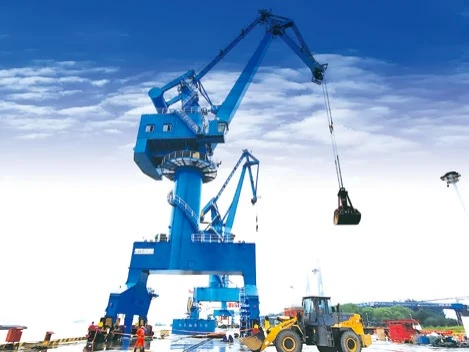
Smart dock scheduling for peak periods
You can handle busy times at your port with smart dock scheduling. This method helps you move more cargo and keep warehouse throughput steady. Flexible scheduling matches the number of ships with your workers and machines. You can see the best ways to do this in the table below:
|
Strategy Type |
Description |
|---|---|
|
Bottleneck Management |
Find and fix slow spots so coal handling and loading do not stop. |
|
Prioritization Rules |
Use rules like First-Come, First-Served to make scheduling fair and fast. |
|
Level Loading |
Spread out work so no part of your system gets too busy. |
Smart dock scheduling uses changing slot times and talking to carriers early. You can change schedules quickly and give clear instructions to your team. This keeps warehouse throughput high and makes loading faster.
Motion coordination and anti-sway systems
Good coordination helps keep coal handling and warehouse throughput steady. CEGC’s portal crane and container crane use motion coordination to match crane speed with cargo weight. Anti-sway systems help keep loads steady. These systems use sensors and automation to guide operators and stop accidents. You can see the main solutions in this table:
|
Solution Type |
Description |
|---|---|
|
Smart Loading Methods |
Match crane speed and weight for better coal handling and warehouse throughput. |
|
Real-time Data & Automation |
Use sensors to guide operators and keep scheduling on track. |
|
Anti-sway Systems |
Stop loads from swinging, making coal handling safer and more accurate. |
Assisted and active anti-sway systems use AI to fix problems while moving. They help keep the average load rate high and lower accident risks.
Automation and predictive maintenance
Automation helps with scheduling and warehouse throughput. CEGC’s container handling equipment uses predictive maintenance to find problems early. You can plan repairs when things are not busy. This keeps coal handling and warehouse throughput steady. Predictive maintenance can cut surprise downtime by half. You get real-time checks, which help you plan flexible schedules and avoid delays.
-
Predictive maintenance lets you spot wear before it causes breakdowns.
-
You can plan repairs so they do not slow scheduling or warehouse throughput.
-
This lowers repair costs and keeps your average load rate high.
Marine durability and lifecycle protection
You want your equipment to last in tough marine conditions. CEGC uses protective coatings, smart material choices, and designs for strength. Multi-layer safety interlocks and monitoring systems keep coal handling and warehouse throughput safe. You can see the best ways in this table:
|
Strategy |
Description |
|---|---|
|
Protective Coatings |
Stop rust and damage from salt and water. |
|
Material Selection |
Use strong materials for long life and steady warehouse throughput. |
|
Preventive Maintenance |
Check equipment often to keep coal handling and scheduling on track. |
You can trust CEGC’s port machines to help with dock scheduling, warehouse throughput, and coal handling. You get market-standard specs and custom choices for every portal crane, container crane, and reach stacker forklift. This helps keep your average load rate high and your logistics smooth.
You can make ship loader throughput better with digital twin technology and smart planning. CEGC’s port machines have standard features and can be changed for your needs. Here is a table to show how the technical solutions are different:
|
Solution Type |
Efficiency Level |
|---|---|
|
Manual Labor |
Changes a lot |
|
Automated Systems |
Gets the most throughput |
Look at your systems and improve them for better results.
FAQ
How does CEGC’s anti-sway system help you during peak loading?
The anti-sway system makes loads stay still. You can put containers in place fast and safe. This helps stop accidents and makes throughput better.
Can you customize CEGC port machinery for your terminal?
-
Yes, you can pick the capacity, span, duty cycle, power, and automation. CEGC lets you change portal cranes and container handling equipment for your project.
What makes CEGC equipment durable in marine environments?
|
Feature |
Benefit |
|---|---|
|
Protective coatings |
Help stop rust and corrosion |
|
Strong materials |
Make equipment last longer |


