
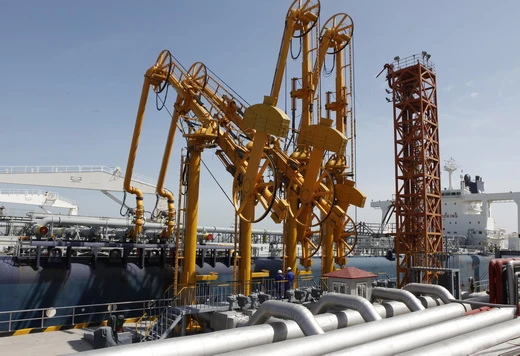
Cargo crane throughput is crucial for efficient port operations, and reducing swing is a key factor in boosting performance and safety. Load swinging not only slows down container handling but also increases risk for personnel. With CEGC, you can address challenges such as uneven cycle times and difficult maintenance. By implementing proven technical solutions focused on cargo crane throughput: reduce swing, you enhance operational efficiency and create a safer port environment.
Key Takeaways
-
Lowering load swing helps cargo cranes work faster and safer. - Using anti-sway control technology causes fewer accidents and helps move loads more exactly. - Teaching operators and making communication better are important for crane safety and efficiency.
Cargo crane throughput: reduce swing for efficiency
Why load swinging limits speed
There are many problems when moving containers. Load swinging happens if the crane lifts a load that is not balanced. Wind or quick moves can make the load swing more. If operators are new, they may swing the load extra by not moving smoothly. Crane parts that do not work right can make the load unstable. When the load swings, it is hard to place it exactly. This can cause crashes and slow down cargo crane throughput: reduce swing. Safety is a problem because swinging loads can cause accidents. Terminals with anti-sway systems and motion coordination have fewer accidents and faster cycles. For example, new cranes with smart controls finished load cycles 35% faster and had no swinging accidents in six months. Anti-sway controls can cut swing to less than 2 degrees. This makes placement more exact and improves efficiency.
Pre-lift load stabilization methods
Cargo crane throughput: reduce swing gets better with pre-lift load stabilization. Before lifting, check sling tension and make sure the load is balanced. Lift the load straight up over its center of gravity. Move the crane if the load starts to shift. Use smooth boom moves and speed up slowly. Change directions slowly and brake gently to keep the load steady. Keep the center of gravity under the hook for better control. Good rigging setup helps with safety and control. CEGC’s portal crane and container crane use real-time monitoring and anti-sway systems to help these steps. Some operators use outrigger pads and cribbing blocks on rough ground. Fleet rules make sure all trucks have tools for stabilization. Variable frequency drives help control motion and stop sudden moves. These actions make container handling more productive and precise.
Anti-sway control technology and operator solutions
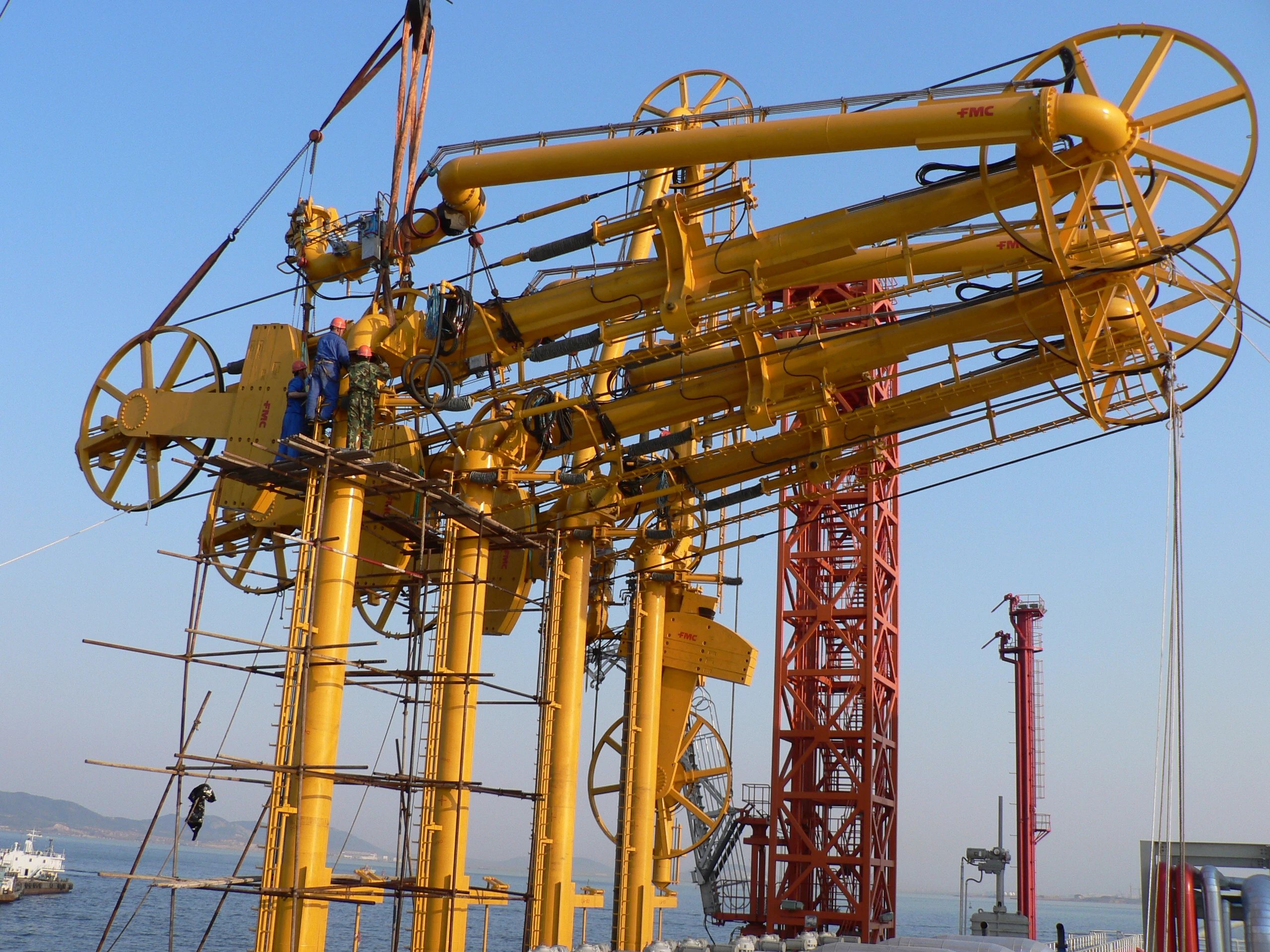
Active anti-sway systems
You can work faster and safer with anti-sway control technology. These systems use sensors and smart programs to keep the crane load steady, even when it is hard to control. When you use fully automatic anti-sway systems, you get more accuracy and finish jobs quicker. The table below lists the main features of these systems:
|
Feature |
Description |
|---|---|
|
Sensor Feedback |
Watches the load’s position and movement. |
|
Algorithm Calculation |
Figures out the best way to move to stop sway. |
|
Control Adjustment |
Changes speed and braking to keep the load steady. |
|
Real-Time Corrections |
Makes quick changes to keep the load from swinging. |
|
Integration with VFD and PLC |
Works with the Variable Frequency Drive and the Programmable Logic Controller. |
|
Use of Advanced Sensors |
Some systems use cameras or lasers for better tracking. |
You will notice these benefits every day:
-
Safety gets better because there are fewer accidents from swinging loads.
-
You can move loads more exactly, even when going fast.
-
You finish more cycles in each shift.
-
Your equipment lasts longer because it is not stressed as much.
-
Operators feel more comfortable and sure of themselves.
-
The crane uses less energy because it moves smoother.
Assisted anti-sway systems use sensors to find the load’s position and any outside forces. This helps the crane move just right to stop the load from swinging. Smart programs read the sensor data and change the crane’s moves to act like an expert operator.
You can count on CEGC’s strong design and load monitoring to help with these features. These systems keep you safe and help your work go smoothly.
Operator skill and communication
Operator skill is very important for stopping load swinging and making work better. Operators need good training and practice to use the anti-sway function well. Training teaches operators how the system works, how to move carefully, and how to handle different situations. The table below shows what good training includes:
|
Training Focus |
Description |
|---|---|
|
Signal Person Training |
Teaches who is in charge and how to spot dangers. |
|
Comprehensive Assessment |
Checks skills with tests, practice, and watching performance. |
You should also check how well operators do in these areas:
|
Assessment Dimension |
Description |
|---|---|
|
Control Precision |
Checks how well the operator moves the crane. |
|
Decision Quality |
Looks at how good the operator’s choices are. |
|
Task Flow |
Sees how quickly jobs get done. |
|
Adaptability |
Checks how well operators handle new problems. |
Good talking between crane operators and ground staff keeps everyone safe and helps with accuracy. Here are steps you can follow for better results:
-
Have a meeting before work to talk about the job and who does what.
-
Use clear ways to talk so no one gets confused.
-
Use two-way radios to share updates and work together.
Modern tools like radios and headsets help you give clear orders and make changes fast. Using hand signals also helps cut down mistakes and keeps people safe. When operators have good skills and talk well, there are fewer dangers and lifts are more exact.
Process optimization for cycle time
You can get more work done by making your crane process better. Process optimization means you plan crane moves, jobs, and resources for the best results. Here are some ways to do this:
-
Good dispatching matches trucks with crane cycles, so there is less waiting.
-
Planning the order of jobs helps cranes work more and move less.
-
Intent-driven optimization helps you make smart choices so equipment is always ready.
CEGC lets you pick the right options for your portal crane, container crane, or ship crane. You can choose how much it lifts, how wide it is, how often it works, what power it uses, how automatic it is, and how well it fights rust. This flexibility, plus anti-sway, keeps your work steady and stops yard crowding.
You should also use safety locks, strong parts for bad weather, and tools that tell you when to fix things. Cranes made for tough weather last longer and break down less. Salt and wind protection keeps your crane safe from rust and helps anti-sway work well. Monitoring systems help you find problems early and fix them before they get worse.
Industry standards show that anti-sway technology makes cranes safer, saves energy, and helps the environment. When you use automatic cranes and variable frequency drives, the crane moves smoother and costs less to run. You can trust CEGC’s equipment to give you high accuracy, safety, and dependability for every job.
You can make work faster by stopping load swinging. Strong monitoring helps you keep things safe and steady. When you use anti-sway systems, skilled operators, and good planning, you get safer and quicker jobs. New cargo crane technology is moving toward better monitoring and more automation. Look at the table below to see what is coming next:
|
Trend |
Description |
|---|---|
|
Automated Crane Sequencing |
Makes cranes move faster and wait less, so more work gets done. |
|
Heave-Compensated Offshore Cranes |
Keeps cargo steady even when conditions change, so loads swing less. |
|
Integrated Cargo Handling Systems |
Helps place and move cargo better, so mistakes and safety problems are fewer. |
|
Auto-Grabbing Systems |
Changes how cranes move based on other machines nearby, making work faster. |
|
Multi-Cargo Adaptive Spreaders |
Lets cranes pick up different cargo types without changing parts, so work is easier and faster. |
FAQ
What is anti-sway control in a cargo crane?
Anti-sway control uses sensors and smart systems. You keep loads steady and safe. You finish jobs faster with less risk.
How does CEGC help you reduce load swing?
CEGC gives you cranes with active anti-sway systems. You get real-time monitoring, smooth controls, and safer container handling every shift.
Can you customize CEGC cranes for your port?
-
Yes, you choose lifting capacity, span, duty cycle, power, automation, and anti-corrosion grade.
-
CEGC matches your project needs.


