
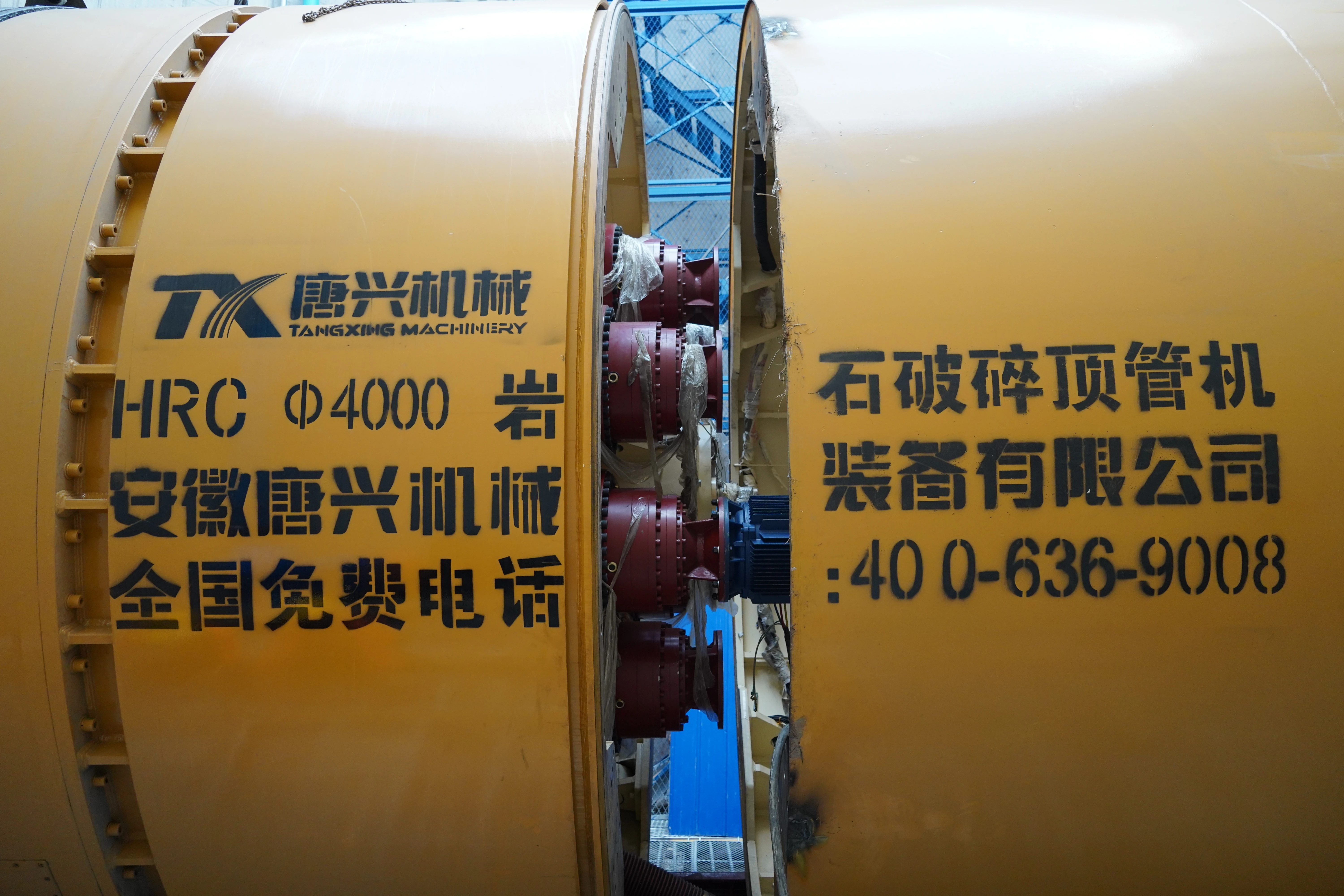
When you use a TBM machine, overload protection pays back when TBM machine hits rock by preventing costly repairs and minimizing downtime. Overload protection pays back when TBM machine hits rock by quickly identifying issues, ensuring the TBM machine continues to operate efficiently. Overload protection pays back when TBM machine hits rock, providing essential safety and reliability for your tunneling operations. With CEGC solutions, overload protection pays back when TBM machine hits rock, giving you peace of mind and enhanced TBM safety. Trust CEGC for advanced overload protection and superior TBM machine performance.
Key Takeaways
-
Overload protection stops damage before it starts. This saves money on repairs and keeps your TBM machine working well.
-
Sensors watch the machine all the time. They find problems early. This means you can fix things fast. It helps the project stay on track and not lose time.
-
CEGC gives overload protection that you can change to fit your needs. This makes your work safer and helps the machine do better.
Overload protection in TBM: Why it matters
Key risks when TBM hits rock
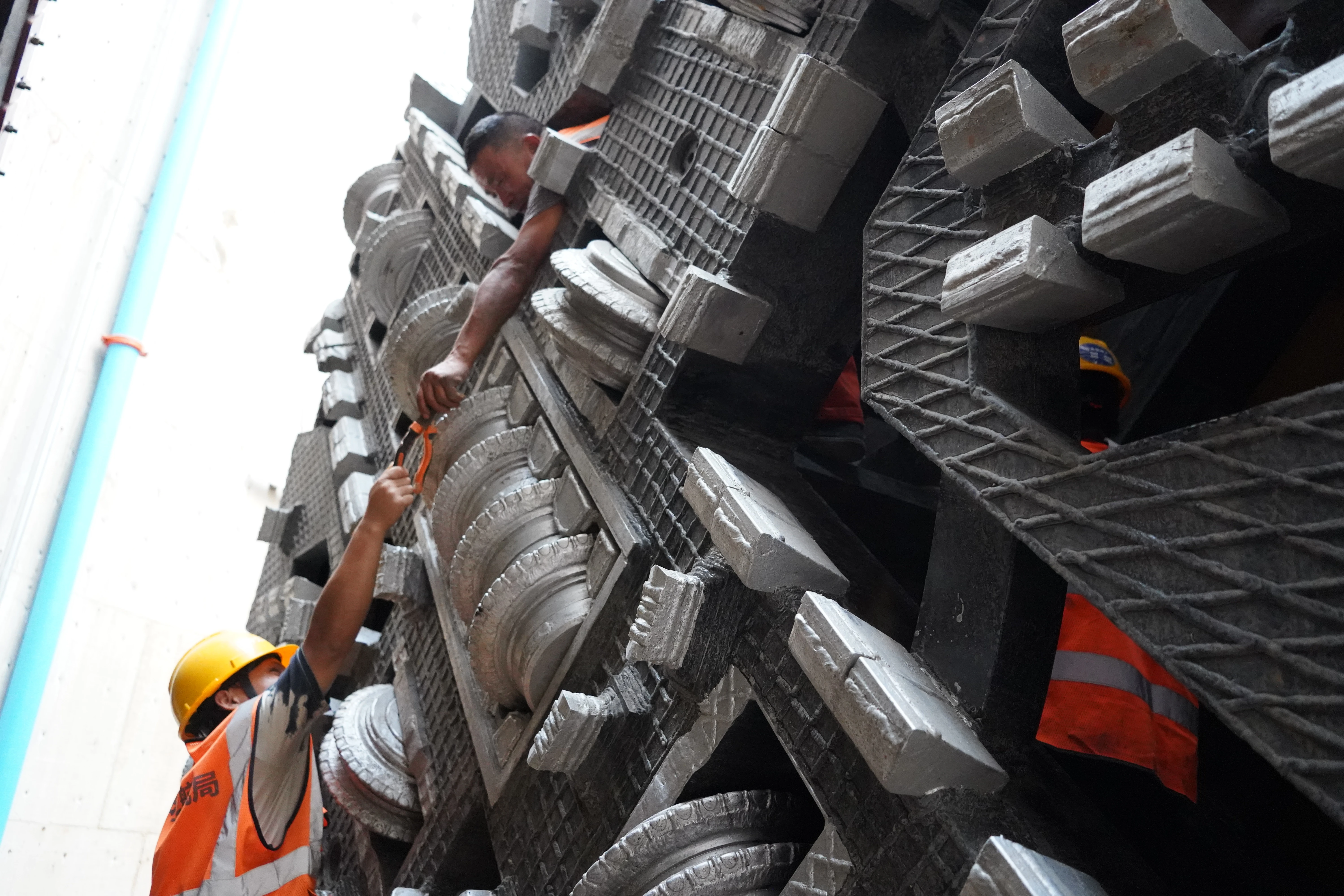
You face many risks when your tbm meets hard rock. The cutterhead can wear out quickly. You may see cracks or chips on the cutterhead. Hard rock can stop the cutterhead from turning. This can cause the tbm to stall. You might need to stop work to fix the cutterhead. Every time you stop, you lose time and money. The cutterhead can also get stuck if the rock is too strong. This puts stress on the tbm and the cutterhead. You may see face instability. The ground in front of the cutterhead can move or collapse. Water can rush in if the cutterhead breaks through a weak spot. These problems make your project risky. You want to avoid damage to the cutterhead and the tbm.
How overload protection prevents damage
Overload protection helps you keep your tbm safe. Sensors watch the cutterhead as it works. If the cutterhead hits hard rock, the system reacts fast. It stops the cutterhead before damage happens. You do not need to worry about sudden overloads. The tbm can slow down or pause to protect the cutterhead. This keeps the cutterhead from breaking. You save money because you do not need to replace the cutterhead as often. CEGC gives you market-standard specs for overload protection. You can ask for project-based customization to fit your tbm and cutterhead needs. Overload protection helps B2B owners, EPC contractors, and municipal utilities finish projects on time. You get less downtime and more safety for your cutterhead and tbm.
How overload protection pays back when TBM machine hits rock
Sensors and real-time monitoring in rock conditions
Sensors help you keep your tbm tunnel safe. When the tbm moves through hard rock, sensors watch every step. These sensors find problems before they get worse. You can see what each sensor does in the table below:
|
Sensor Type |
Function |
|---|---|
|
Thrust Sensors |
Check thrust levels on both sides |
|
Torque Sensors |
Measure torque used by the cutterhead |
|
Speed Sensors |
Track how fast the machine moves |
|
Power Sensors |
See power used by the cutterhead |
|
Soil Type Sensors |
Find out the type of soil |
You use sensors to check the cutterhead and the tbm tunnel system. Real-time monitoring shows changes in thrust, torque, and speed right away. This lets you act fast if the cutterhead stalls or faces too much resistance. You stop bigger problems because you catch issues early. Real-time monitoring also helps you know when the cutterhead might jam. You can plan maintenance before the cutterhead stalls. This keeps your tunneling process smooth.
Automatic safeguards and system response
Automatic safeguards protect your tbm tunnel and cutterhead. When sensors spot a sudden rise in torque or a drop in speed, the system reacts quickly. The tbm protection bit starts a response. The machine slows down or stops to prevent cutterhead stalls. You do not need to wait for someone to notice the problem. The system uses torque monitoring and load cells to check for overloads. If the cutterhead stalls, the tbm protection bit pauses the tunneling process. This keeps the cutterhead from breaking or wearing out too soon.
Sound and vibration sensors also help you. These sensors listen for changes in the cutterhead. If the cutterhead makes strange noises or shakes, the system knows something is wrong. The tbm protection bit can adjust the machine to lower stress on the cutterhead. You keep your tbm tunnel safe and avoid expensive repairs. CEGC lets you customize torque control and overload protection. You can pick the best settings for your project and ground conditions.
Benefits: Less downtime, lower costs
Strong overload protection saves you time and money. When your tbm tunnel hits rock, the tbm protection bit keeps the cutterhead safe. You do not spend days fixing broken parts. You finish tunneling faster because you avoid long stops. You spend less on new cutterheads and repairs. Your team stays safe because the system stops sudden cutterhead stalls.
Here are ways overload protection pays back for you:
-
You cut downtime by stopping cutterhead stalls early.
-
You spend less because you replace cutterheads less often.
-
You boost performance by keeping the tbm tunnel moving.
-
You avoid claims and penalties from project delays.
-
You get help from CEGC for training, maintenance, and monitoring tools.
Tip: Teach your crew to check the tbm protection bit and sensors before every shift. Clean and inspect the system often. This keeps your tbm tunnel working well.
You can trust CEGC to help with overload protection. The company gives service support, training, and project-based customization. You get the right tools for your tbm tunnel, cutterhead, and ground conditions. Overload protection pays back when tbm machine hits rock by keeping your tunneling process safe, fast, and cost-effective.
You notice overload protection helps in each tunnel job. It keeps tunnel equipment safe and makes tunnels safer. CEGC overload protection systems lower downtime and cut maintenance costs. They help tunnel work stay steady. Tunnel safety becomes normal for everyone. You finish tunnel jobs quicker. You rely on CEGC tunnel solutions.
-
Watching sensors in real time stops overload before problems happen.
-
Changing cutter opening ratio keeps the tunnel face steady in hard soil.
You pick tunnel safety for all your tunnel jobs.
FAQ
What does overload protection do for tunneling machines?
Overload protection keeps tunneling machines safe from harm. The system stops damage when machines hit hard rock. You save money because you avoid expensive repairs. Tunneling stays on track and does not get delayed.
How does anti-jam technology help in tunneling?
Anti-jam features stop tunneling machines from getting stuck. These systems sense resistance and change how the machine works. Tunneling keeps going, and you do not face long delays.
Note: Check protection sensors often to keep machines ready. This helps tunneling machines work well for every job.
Why should you choose CEGC for tunneling machine protection?
You choose CEGC for strong protection and anti-jam help. CEGC gives you tunneling machines you can trust. You finish projects faster and safer with CEGC protection.


