
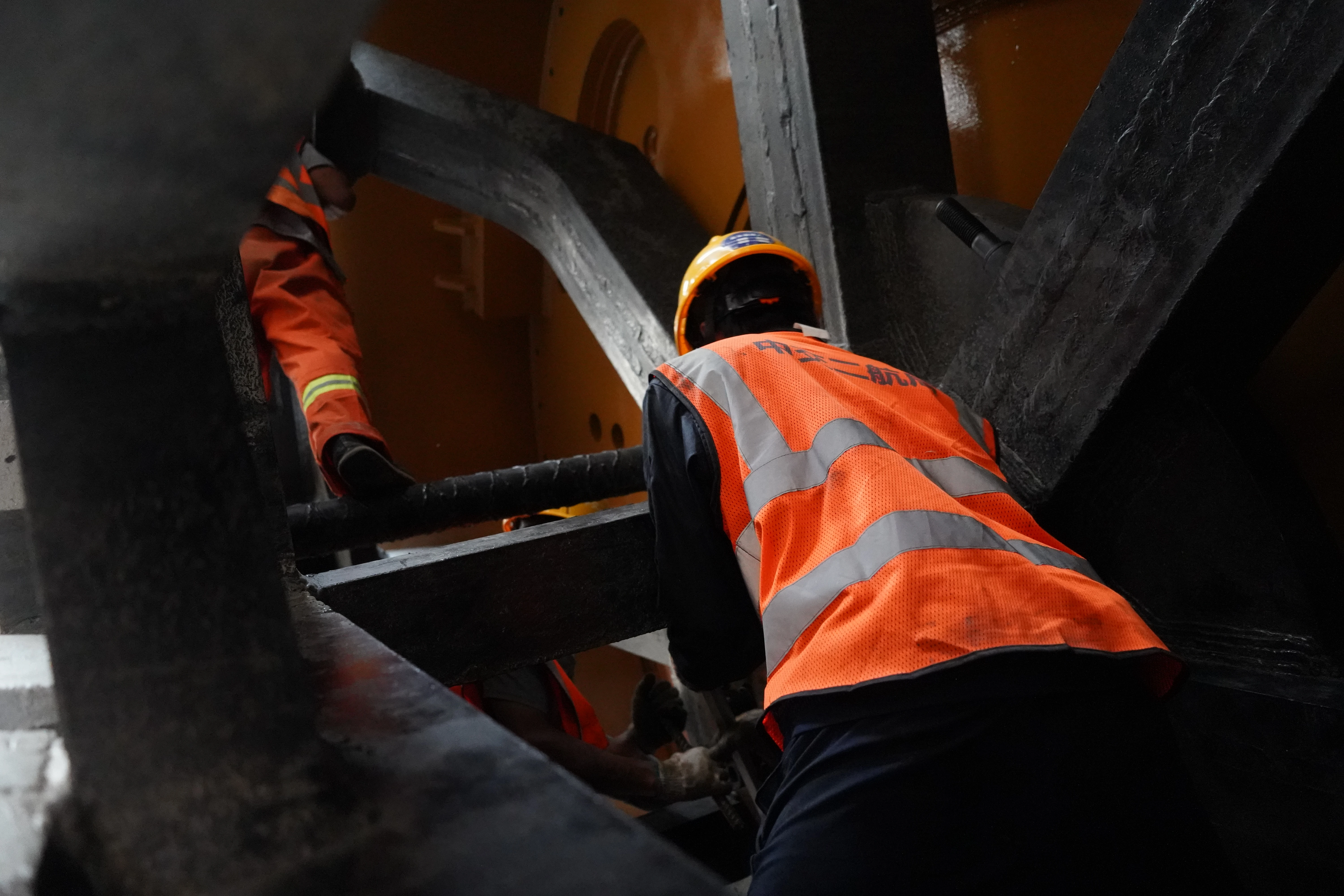
When constructing tunnels, challenges such as segment damage and ground settlement can significantly impact your project. TBM tunnel overload control reduces segment damage risk by effectively managing these issues. CEGC provides tunnel machines that not only meet market standards but also offer project-based customization to address specific needs. The table below illustrates how factors like rock type and surface settlement influence your project and demonstrates how TBM tunnel overload control reduces segment damage risk.
|
Symptom |
Probable Cause |
Corrective Action |
|---|---|---|
|
Surface Settlement |
Volume loss; grout failure |
Calibrate muck sensors; check grout pressure |
Key Takeaways
-
TBM tunnel overload control stops segment damage by controlling thrust and torque well. Using smart monitoring systems helps you find problems early, so tunneling is safer and works better. Changing your tunnel boring machine for each project can lower risks a lot and make results better.
TBM tunnel overload control reduces segment damage risk
Segment damage causes in TBM tunneling
Building tunnels with a tunnel boring machine is hard. Segment damage can happen for many reasons. Some main causes are:
-
There is no device to keep the ring in shape.
-
The backfill grout takes too long to get hard, so the ring can bend.
-
Stress builds up at the joints and makes cracks.
-
Shear forces at the joints get bigger because of buoyancy.
-
TBM jacks push with too much force.
-
Joints can move or have gaps.
-
Support may not be strong enough.
-
The tongue-and-groove structure may not have enough support.
Ground settlement is also a big reason for segment damage. The grout you use, the force at the tunnel face, and the sand density all change how much the ground settles. The support system you pick can change the risk of segment damage. Here is a table that shows why these things matter:
|
Study Focus |
Key Findings |
|---|---|
|
Grout Properties |
Grout behind the segment changes surface settlement and segment damage risk. |
|
Axial Force & Filling |
Axial force and sand density change ground settlement. |
|
Support System Impact |
The support system changes the risk of segment damage. |
Face instability is another big problem. If the tunnel face is not steady, you can see uneven tunnel walls and more stress on the cutterhead. This can cause segment damage. Balanced thrust techniques help control the force at the tunnel face. When you use these, you lower the risk of face instability and protect the tunnel segments.
Overload control mechanisms and monitoring
Modern tunnel machines, like CEGC’s, use many overload control tools to keep your project safe. These include:
-
Slurry and support pressure control: You watch these to keep the tunnel safe and stop overload.
-
Regular equipment checks and fixing: You check and fix the machine to lower overload risk.
-
Cutter opening ratio adjustment: You change the cutter opening to control how much soil goes in.
You also need good monitoring systems. These systems watch important data all the time. Here is a table that shows what you can check:
|
Aspect |
Description |
|---|---|
|
Thrust Levels |
You watch thrust on each side to find problems. |
|
Torque |
You measure cutterhead torque to work better. |
|
Forward Movement Speed |
You check how fast the TBM moves forward. |
|
Power Usage |
You make sure the cutterhead uses safe power. |
|
Sensor Data Frequency |
Sensors collect data every second for quick updates. |
|
Alarm Triggering |
If there is a problem, the system warns you right away. |
CEGC tunnel boring machines use electro-hydraulic systems and fuzzy PID controllers for thrust and torque. You can control shield speed, direction, and make rock-breaking better. Smart sensors measure torque, thrust, and soil resistance. Multi-axis sensors help you steer the cutterhead exactly.
How overload control prevents segment damage
TBM tunnel overload control lowers segment damage risk by managing thrust and torque. When you control these forces, you stop the segments from getting too much stress. Face pressure and backfill pressure are important too. By keeping these pressures right, you control ground settlement and protect the tunnel lining.
Ground protection systems add more safety. These systems help your TBM move through tough ground and not get stuck. They also stop water from coming in and give you better ground information. This helps you make smart choices and lowers segment damage.
Wear management is important for segment life and tunnel safety. You need to watch cutter wear all the time. This cuts downtime and keeps your project moving. Good quality checks during segment installation also stop damage.
When you use TBM tunnel overload control, you get real results. Projects have fewer damaged segments and better tunnels. For example, CEGC tunnel machines with advanced overload control helped contractors finish jobs with less rework and lower costs. You get safer tunnels, better alignment, and fewer delays.
Tip: Always use monitoring systems and overload control on your TBM or microtunnelling machine. This helps you find problems early and keep your project safe.
TBM tunnel overload control lowers segment damage risk for every project. It works with tunnel boring machines, auger boring machines, or microtunnelling machines. With the right systems, you protect your money and get better results.
Best practices for overload control in TBM tunneling
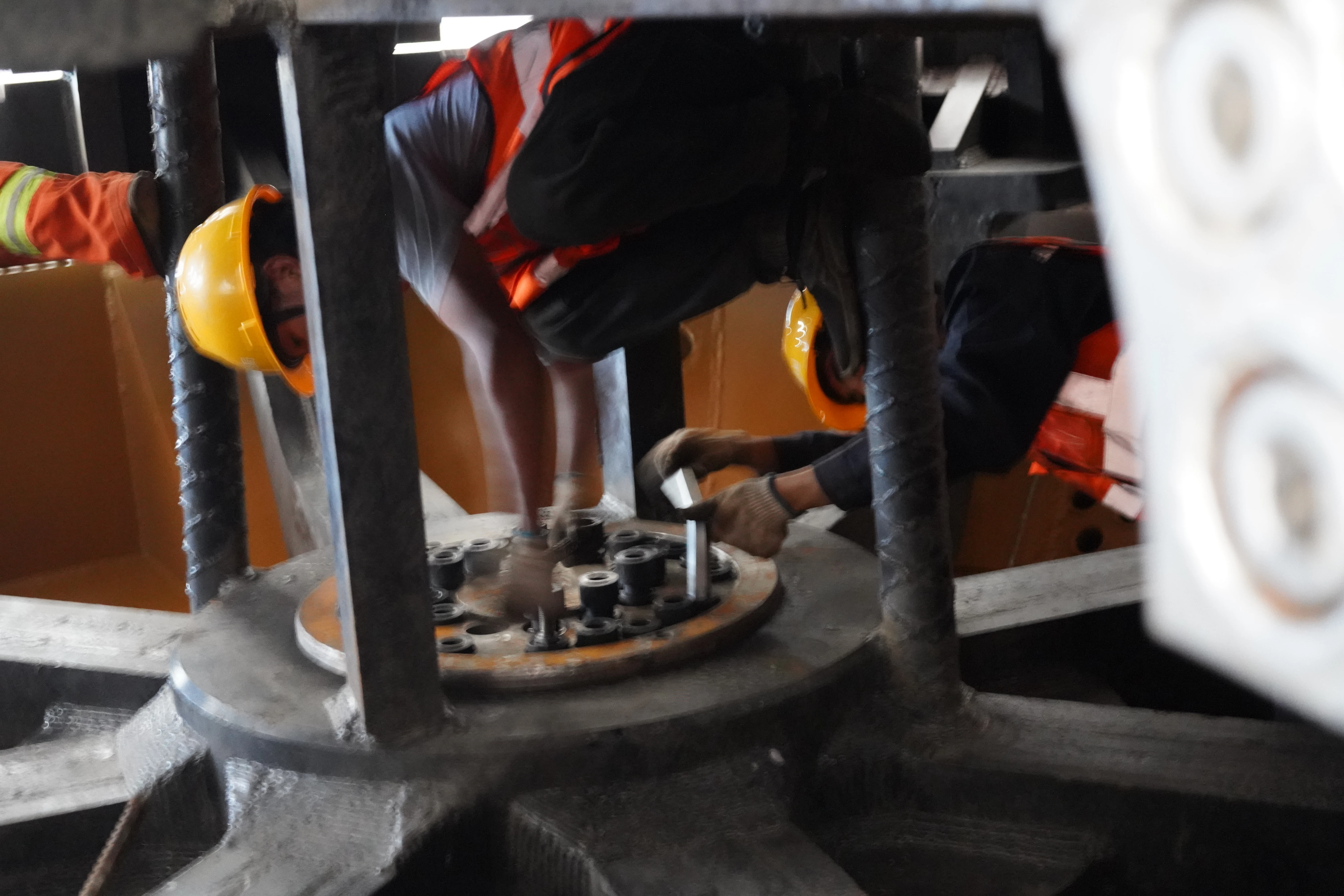
Using risk management and monitoring systems
You need good risk management to keep tunnels safe. Monitoring helps you spot problems early. Thrust control can stop segment damage in TBM tunnels. If you skip these steps, you may get cracks or misalignment. Spalling can also happen.
Always check your plans with experts. Use clear steps for each segment. Hire skilled workers and set up a strong quality program. Manage suppliers well and keep good records. Work together to solve problems and watch for risks. Learn from past projects and make your process better.
Advanced monitoring systems help you find issues fast. These systems collect data right away. They warn you about jamming or equipment trouble. You can act quickly and keep your project safe.
|
Evidence Description |
Contribution to Operational Stability |
|---|---|
|
Real-time monitoring of machine parameters |
You spot problems early and fix them fast |
|
Continuous assessment of structural parameters during excavation |
You make smart choices and adjust before trouble |
Customizing for each project
Every tunnel project is unique. You must get ready for tough ground and changing geology. Probe drilling ahead of the TBM helps you find problems early. Ground stabilization, like dewatering or grouting, helps weak soil. Match your TBM machine to the ground and support needs. CEGC gives you custom gearboxes and support for your job.
-
Use support systems to cut downtime.
-
Coordinate your TBM machine with extra support tools.
Using CEGC TBM and microtunnelling machines
You can make tunnels safer and work faster with CEGC’s overload control. The torque control system in microtunnelling machines lets you manage forces well. This lowers overload risk and keeps tunnels stable. Watch slurry and support pressure. Keep your equipment in good shape. Adjust cutter openings for best results. Use torque control for tough spots.
CEGC’s tunnel machines meet market standards for torque, alignment, and surface settlement. You can also customize them for your project. TBM tunnel overload control lowers segment damage risk and helps you finish your project safely.
You can see that TBM tunnel overload control helps stop segment damage. CEGC tunnel boring machines and microtunnelling machines have smart features for safer tunnels. Look at the table below to learn how these features help your project.
|
Aspect |
Description |
|---|---|
|
Controls cutterhead load for better tunnel work. |
|
|
Face Stability |
Keeps the tunnel face steady and lowers segment damage risk. |
|
Jack Speed Control |
Stops ground shaking and makes tunnels safer. |
Use good steps and change your plan for each project. Strong management, careful quality checks, and fast data help you build safer tunnels and work better.
FAQ
What does TBM tunnel overload control do?
You manage thrust and torque. This keeps tunnel segments safe from harm. It helps your tunnel stay strong and not break.
How do CEGC tunnel machines help reduce segment damage?
CEGC tunnel boring machines use overload control. They check pressure and torque all the time. This means fewer segments get damaged and tunnels are safer.
Can you customize overload control for different projects?
You can ask for special overload control settings. CEGC lets you change features for your project. You make the machine fit your tunnel needs.


