
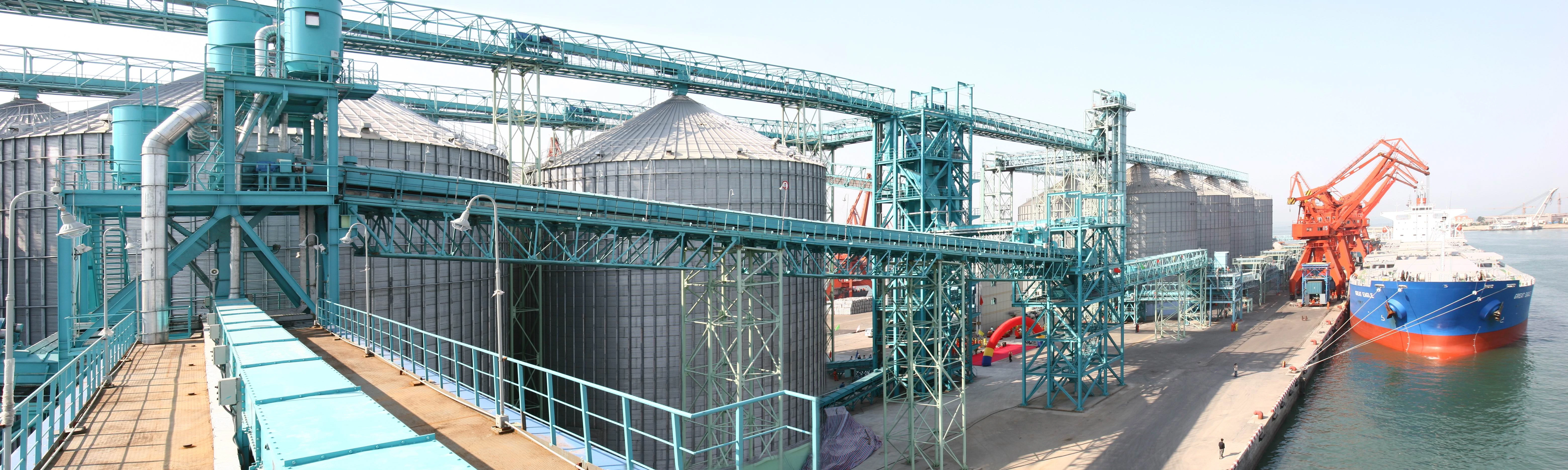
You often see portal crane: heat expansion alignment issues when the weather changes. Steel rails get bigger or smaller because of heat. You can trust CEGC’s experience to help you fix these problems. You need to solve these issues to keep your port safe. This also helps your port work well and stay reliable.
Key Takeaways
-
Heat makes steel rails get bigger and smaller. This can change portal crane alignment. Checking often can stop big problems.
-
Problems like bending and misalignment can be dangerous. They can also cost a lot to fix. Fixing these problems fast is very important.
-
Using things like expansion joints and anti-sway systems helps safety. These also make work faster. Pick the best tools for your port’s needs.
Heat expansion impact on portal crane alignment
Physics of steel rail expansion
Steel rails get longer when it gets hot and shorter when it cools. The sun makes the rails warm up, so the metal grows. When the weather is cooler, the rails shrink back. This happens every day at ports. Even small changes in rail size can cause big problems for heavy machines. This is easy to see with portal cranes. The rails must be straight and flat for the crane to move safely. If the rails get too long, they push against each other. This can make the rails bend or move out of place. Knowing this science helps you see why rail alignment is important.
Why portal crane rails are vulnerable
Ports get very hot and have a lot of sunlight. These things make steel rails grow more than normal. The metal is always changing size in this environment. This puts stress on the rails and the parts that hold them. Portal crane rails are at risk because they carry heavy loads and must stay lined up. If the rails move even a little, the crane can tip or stop working right. Companies like CEGC make cranes to handle these changes, but you still need to look for problems. Hot weather at ports makes metals grow, which can mess up the alignment and accuracy of portal crane rails. You need to plan carefully to keep your equipment safe and working well.
Tip: Check your rails when it is hot outside. Fixing small problems early can stop bigger ones later.
Common alignment issues: warping, buckling, misalignment
You might see different alignment problems from heat. The most common are warping, buckling, and misalignment. Warping means the rails twist or bend. Buckling happens when rails push together and make a bump or wave. Misalignment means the rails do not line up, so the crane cannot move smoothly. When the weather changes, rails expand and shrink. This can make the runways and columns not line up and put more stress on runway tiebacks. If tiebacks break, alignment problems get worse and can even break the structure. You need to fix these problems fast to keep everyone safe and avoid expensive repairs.
CEGC gives you standard choices and custom options to help with portal crane: heat expansion alignment issues. You can pick what works best for your port’s weather, load, and safety needs. This keeps your cranes safe and working well, even when conditions are hard.
Portal crane: heat expansion alignment issues—risks & solutions
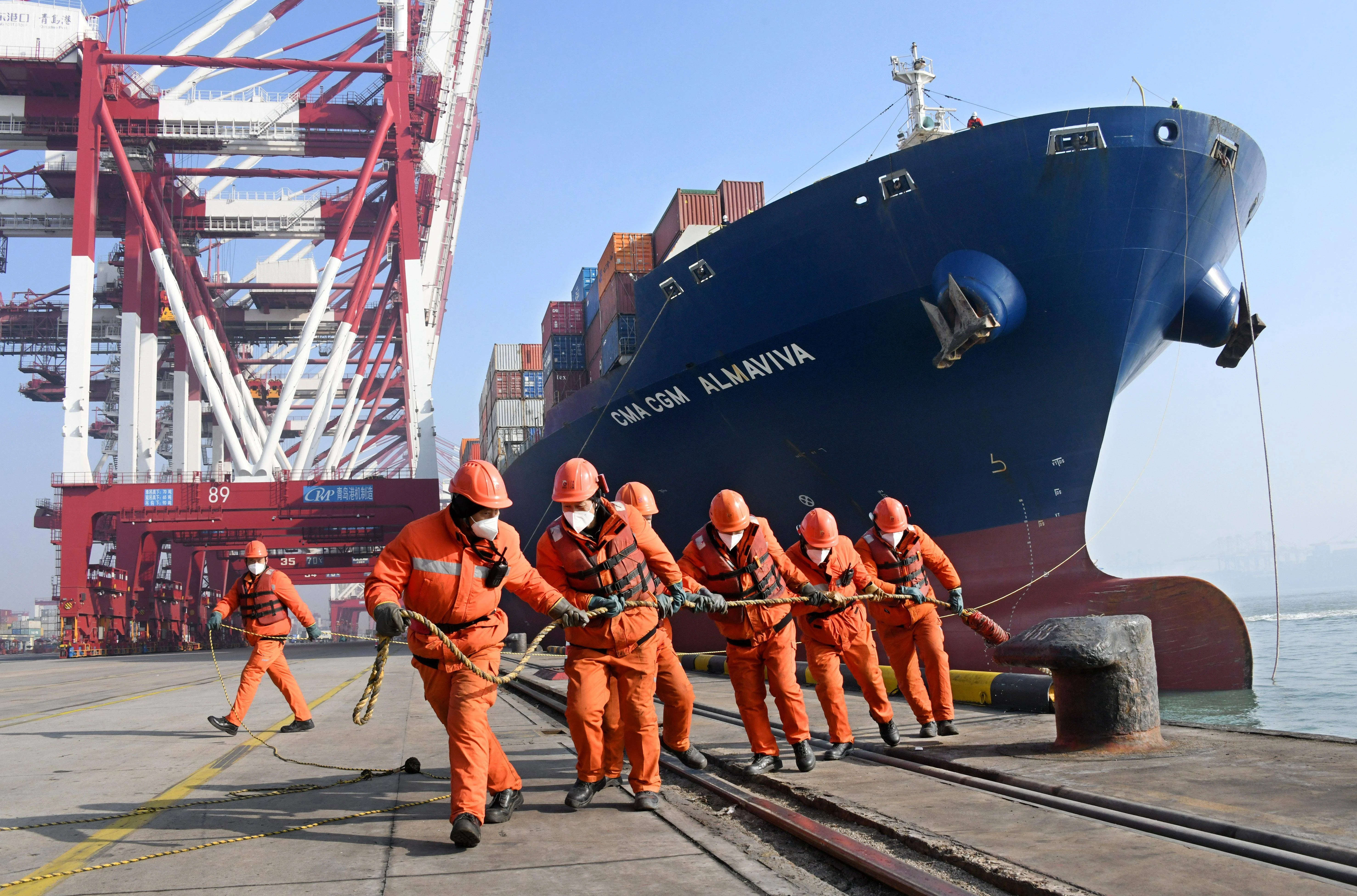
Safety and operational risks
When portal crane rails lose alignment from heat expansion, there are many risks. Misaligned rails can make loads swing. This makes it hard to put containers in the right spot. There is a bigger chance of hitting cargo or other equipment. Cranes may stop working and need repairs more often. Operators might feel a lot of shaking and hear loud noises. This makes work harder and less efficient. Bearings can get too hot, and seals can break. This means more fixing and longer times when cranes do not work. Shafts can get weak, and couplings can break. You will need to fix things more often. When machines do not work well, it costs more money and slows down port work.
|
Impact on Operational Efficiency and Downtime |
|
|---|---|
|
Excessive vibration and noise |
Can lead to operational disruptions and inefficiencies |
|
Bearing overheating and seal damage |
Increases maintenance needs and downtime |
|
Shaft fatigue and coupling failure |
Results in more frequent repairs and longer downtimes |
|
Reduced machine efficiency |
Directly correlates with increased operational costs and downtime |
You need to fix these risks fast. If you do not, there could be accidents, higher costs, and delays when moving containers.
Technical solutions: expansion joints, anti-sway, and monitoring
You can use smart tools to fix portal crane: heat expansion alignment issues. Expansion joints let rails move safely when they get bigger or smaller. Anti-sway systems help keep loads steady. This makes crane work safer and more exact. Predictive maintenance tools watch the rails and find problems early. This stops cranes from breaking down. Marine-grade durability features keep rails safe from rust and damage in tough port weather. These features are strong, have special designs, and need less fixing.
|
Feature |
Description |
|---|---|
|
High Strength |
Designed for heavy-duty applications, ensuring stability under heavy loads. |
|
Durability |
Excellent wear and corrosion resistance, ideal for harsh environments including high heat. |
|
Specialized Design |
Tailored for industrial use, particularly in marine-grade applications like portal cranes. |
|
Maintenance is reduced by 30%, enhancing operational efficiency. |
CEGC lets you pick different anti-corrosion grades and automation levels. You can choose the best protection and control for your port.
|
Customization Feature |
Description |
|---|---|
|
Anti-corrosion grades |
Options to select different levels of corrosion resistance for equipment. |
|
Automation levels |
Choices regarding the degree of automation in the equipment. |
Using these solutions makes your port safer and more efficient. Your equipment lasts longer and does not break down as much.
Design and maintenance best practices
Good design and regular checks help stop portal crane: heat expansion alignment issues. Look at the rails often to find problems early. Follow these steps:
-
Look at the whole runway rail for too much wear on the top and sides.
-
Check every part of the rail fastening system for loose parts.
-
Check the runway splices and end stops for damage or loose fasteners.
-
Check the end stop bumpers to make sure they are in good shape.
-
Check runway beams, columns, shelves, and all hardware that holds them.
-
Check all runway tiebacks and their hardware for problems.
-
Change any loose bolts and tighten them the right way as AISC says.
-
Do a rail and crane alignment survey if the rails are very worn to find out why.
You save money and make things safer when you do these steps. Doing things early helps you finish jobs on time and get better clients. You pay less for insurance and have fewer problems with the law. Your equipment lasts longer and you stop accidents.
|
Benefit |
Description |
|---|---|
|
Improved project delivery |
Predictable crane availability with minimal safety-related delays or interruptions. |
|
Enhanced safety reputation |
Attracts premium clients and projects requiring demonstrated safety excellence. |
|
Documented safety programs save $35,000+ annually per fleet. |
|
|
Increased operational efficiency |
Streamlined safety procedures enhance productivity while maintaining protection standards. |
|
Better regulatory standing |
Proactive compliance prevents violations and maintains operational licenses. |
|
Annual savings |
A construction company with 10 cranes can achieve $275+ thousand in annual savings. |
|
Accident prevention rate |
92% accident prevention rate through systematic safety measures. |
|
Liability cost reduction |
75% reduction in liability costs due to improved safety protocols. |
|
Equipment life extension |
48% extension of equipment life through proactive maintenance and safety measures. |
|
Insurance premium reduction |
65% reduction in insurance premiums through effective safety management. |
Tip: Plan regular checks and use CEGC’s custom solutions to keep your portal crane rails safe and lined up. This protects your port, saves money, and helps your equipment last longer.
Heat expansion makes portal crane rails move out of line. This can cause damage and make work slower. You can stop these problems with upgrades and regular checks. CEGC’s solutions give you live data, smart controls, and anti-sway tools. These things help your system work better and keep people safe. You also spend less money. Look at your setup and pick the best choices.
FAQ
What is seasonal expansion in portal crane rails?
Seasonal expansion happens when the weather gets hotter or colder. Steel rails get longer when it is warm. This can make the rails not line up right. When this happens, the portal crane may not work safely.
How does seasonal expansion and contraction affect crane performance?
When the weather changes, rails can move out of place. This makes the crane move less smoothly. It can also make accidents or damage more likely.
How often should you check portal crane rail alignment?
You should look at the rail alignment every season. Checking often helps you find small problems early. This keeps everyone safe and stops bigger issues.


