
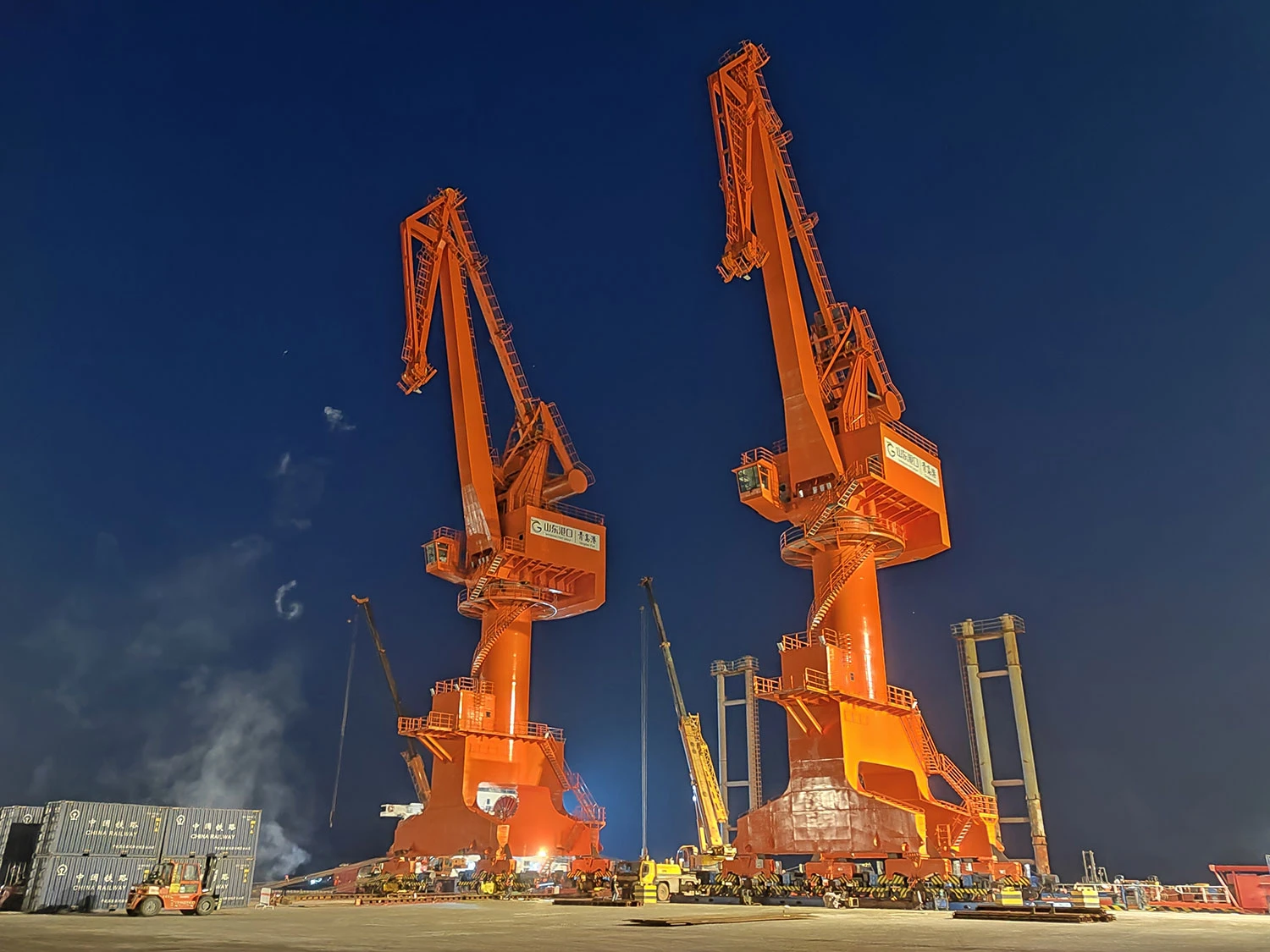
You have big problems when you use ship loading systems in the monsoon. CEGC gives smart solutions that help you stay safe. Strong winds, heavy rain, and bad visibility can make loads swing and cause crashes. Ship loading systems: operate in monsoon safely with anti-sway controls and predictive maintenance.
Key Takeaways
-
Watch the weather carefully before you start loading. Use alerts that update right away to get ready for quick changes and keep everyone safe.
-
Look over all equipment very well before you use it. Check anti-sway systems and make sure all safety parts work to stop accidents.
-
Talk clearly with your team when loading. Use tools like AIS and LED lights to help people see and stay safe in bad weather.
Pre-Operation Safety for Ship Loading Systems
Weather monitoring and alerts
Check the weather before you start loading ships. Monsoon season brings storms, strong winds, and heavy rain. These things can change fast. Use real-time weather systems at your port. These systems warn you about bad weather. They help you plan safe loading and avoid danger.
Tip: Always watch weather reports and port alerts. This helps your team get ready for any changes.
Follow these steps to load safely:
-
Make sure your mooring equipment meets OCIMF MEG4 and port rules.
-
Keep manual tension on mooring lines and have fire lines ready.
-
Get ready for emergencies with extra mooring lines and a clear plan for sudden weather.
Real-time weather alerts lower risks and help you work safely. Many ports use old weather data to plan better and set good schedules. You can change your work based on safety rules and safe weather times.
Equipment inspection and anti-sway checks
Check all CEGC port machines before you start work. This means portal cranes, container cranes, ship loaders, and other equipment. Look for wear, rust, or damage. Check the anti-sway control system. Make sure it works right. Anti-sway control keeps loads steady when the wind is strong.
Test overload protection, limit switches, and emergency stop logic. These features stop accidents and keep your crew safe. Marine-grade anti-corrosion coatings protect your machines from salt, wet air, and rain.
A good moisture plan is important for machines and cargo. Check that all covers and seals are tight. This keeps water away from electrical parts. For cargo, use shrink-wrap and waterproof covers. These steps help you meet the transportable moisture limit and keep goods dry during monsoon.
Crew briefings and PPE requirements
Talk to your crew before every shift. Tell them about weather risks and safety steps for loading in rain. Make sure everyone knows the emergency plan and how to use equipment safely.
Personal protective equipment (PPE) is very important. Your crew should wear rain gear with waterproof zippers and storm flaps. Pick clothes that breathe and keep out water for comfort. High-visibility clothes with reflective panels help your team stay seen in rain or low light.
Remind your crew to check their PPE before work. A good moisture plan means keeping extra gear ready for sudden rain. You should also check the transportable moisture limit for all cargo. This keeps loading safe and stops accidents.
Note: Good packing and shrink-wrap lower the risk of water damage. Use desiccants and vapor corrosion inhibitors in containers for more protection.
If you follow these steps, you make things safer and keep your ship loading systems ready for anything.
Safe Operation During Monsoon
Adjusted loading techniques and cycle-time optimization
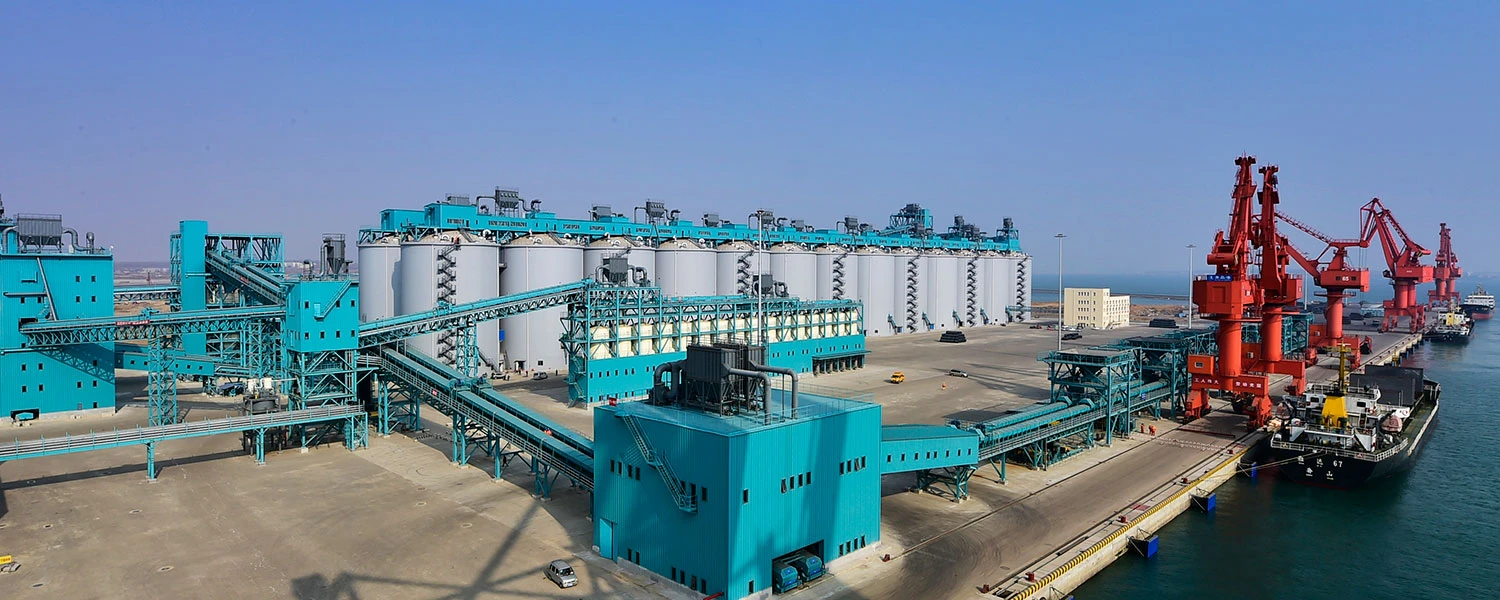
You have to change how you load ships in the monsoon. Ship loading systems: operate in monsoon safely by using better timing and movement. CEGC machines, like portal cranes and container cranes, help control loads. You can set how fast the crane moves based on the cargo weight and wind. This helps keep the load steady and stops accidents.
Here are some steps to help you load in wet weather:
-
Change crane speed for the cargo weight and wind.
-
Use anti-sway controls to stop swinging.
-
Move hoists, trolleys, and gantries together to avoid sudden stops.
-
Check the cargo moisture limit before loading.
-
Keep shrink-wrapped cargo ready to move fast.
Tip: Better timing means less waiting and safer ship loading systems: operate in monsoon safely. You save money and work faster at the port.
Communication protocols and visibility management
You need to talk clearly with your team in rain and fog. Ship loading systems: operate in monsoon safely when you use smart tools. Automatic Identification Systems (AIS) let ships share where they are and how fast they go. This helps you know where ships are even if you cannot see them.
LED lights give bright light so you can see in fog or dark. Smart navigation lights change how bright they are when the weather changes. This stops glare and helps you see better. Radar and GPS help you track ships near you in real time.
Here is a table that shows tools for ship loading systems: operate in monsoon safely:
|
Technology |
Benefit |
|---|---|
|
AIS |
Tracks vessel position |
|
LED Lighting |
Improves visibility |
|
Smart Navigation Lights |
Adjusts brightness |
|
Radar & GPS Integration |
Real-time vessel tracking |
Note: Good talking and seeing clearly keeps your team safe and stops crashes.
Protective gear and barriers for personnel
You must keep your crew safe during monsoon work. Ship loading systems: operate in monsoon safely when you use the right gear and barriers. Waterproof covers, like plastic or tarpaulin, keep goods dry. Check roofs for leaks and make sure water drains away. This stops water from making things slippery or dangerous.
Check all electrical systems twice. Cover boards and look at cables for cuts. This keeps your crew safe from shocks.
Use these safety steps for ship loading systems: operate in monsoon safely:
-
Wear waterproof rain gear with storm flaps.
-
Use bright clothes with reflective panels.
-
Keep extra PPE ready for sudden rain.
-
Put up barriers to keep people away from moving machines.
-
Check all covers and seals before you start work.
Safety comes first. You must keep your crew safe and your cargo dry every shift.
Ship loading systems: operate in monsoon safely when you follow these steps. You can move cargo safely, protect your team, and use smart tools to stay safe in wet weather.
Emergency Response & Compliance
Emergency shutdown and evacuation plans
You need clear shutdown and evacuation plans for ship loading systems in the monsoon. CEGC equipment uses safety interlocks and operator-centered HMI. These features help you stop work fast and guide your team to safety. Train your crew to follow emergency steps. Practice evacuation drills often. Mark exit routes and assembly points. Keep communication devices ready for quick alerts.
First aid and rescue readiness
You must get ready for accidents and injuries. Set up first aid stations near loading areas. Stock them with supplies for cuts, bruises, and shock. Assign trained crew members to handle emergencies. Rescue equipment, like life jackets and stretchers, must be easy to reach. Check all rescue tools before each shift. Predictive maintenance helps you find equipment problems early. This lowers downtime and keeps rescue systems ready.
|
Impact on Downtime |
Additional Benefits |
|
|---|---|---|
|
Traditional |
High risk of big failures from missed checks |
Delays in vessel queue, affecting terminal work |
|
Predictive |
Breakdowns found weeks early, lowering downtime |
Better crane availability by 10-15% without extra costs |
Safety regulations and incident documentation
You must follow maritime safety rules during monsoon work. These rules keep your crew and cargo safe. Here are important steps:
-
Anchor vessels far from the breakwater.
-
Make sure mooring winches and hawsers are in good shape.
-
Go to the breakwater only after the berthing plan is set.
-
Talk about pilot boarding points with the Master and Pilot.
-
Keep at least 20 meters between two vessels when berthing.
-
Equip vessels with strong mooring lines and spare ropes.
-
Watch all mooring lines while at berth.
-
Take extra care in bad weather.
-
Keep enough draft and trim for easy movement.
-
Keep engines ready for quick maneuvering.
Record every incident and emergency action. Use digital logs or paper forms. Review reports to make future safety steps better. You build a safer port when you follow rules and keep good records.
You keep your crew and cargo safe by using CEGC port machines and following good mooring steps. Training your team often and using safety rules helps stop accidents. Always pay attention and learn new things. Get ready for monsoon dangers by checking the weather in real time, using strong mooring lines, and practicing safety drills. Make sure equipment and crew safety come first.
-
Training and safety rules help lower risks.
-
Monsoon dangers mean you need weather checks and strong mooring lines.
FAQ
What are group a cargoes and why do you need to check them during monsoon?
You must check group a cargoes because they can liquefy in wet conditions. The imsbc code tells you how to test and handle these materials safely.
How does the imsbc code help you load group a cargoes safely?
The imsbc code gives you rules for loading group a cargoes. You follow these rules to stop accidents. You check moisture limits and use safe loading steps.
What should you do if group a cargoes get wet before loading?
You must not load wet group a cargoes. The imsbc code says you need to test moisture again. You keep the cargo dry and follow all safety steps.
Tip: Always read the imsbc code before you load group a cargoes. This keeps your crew and cargo safe.
|
Cargo Type |
Risk in Monsoon |
imsbc code Guidance |
|---|---|---|
|
group a cargoes |
Liquefaction |
Test moisture, follow rules |


