
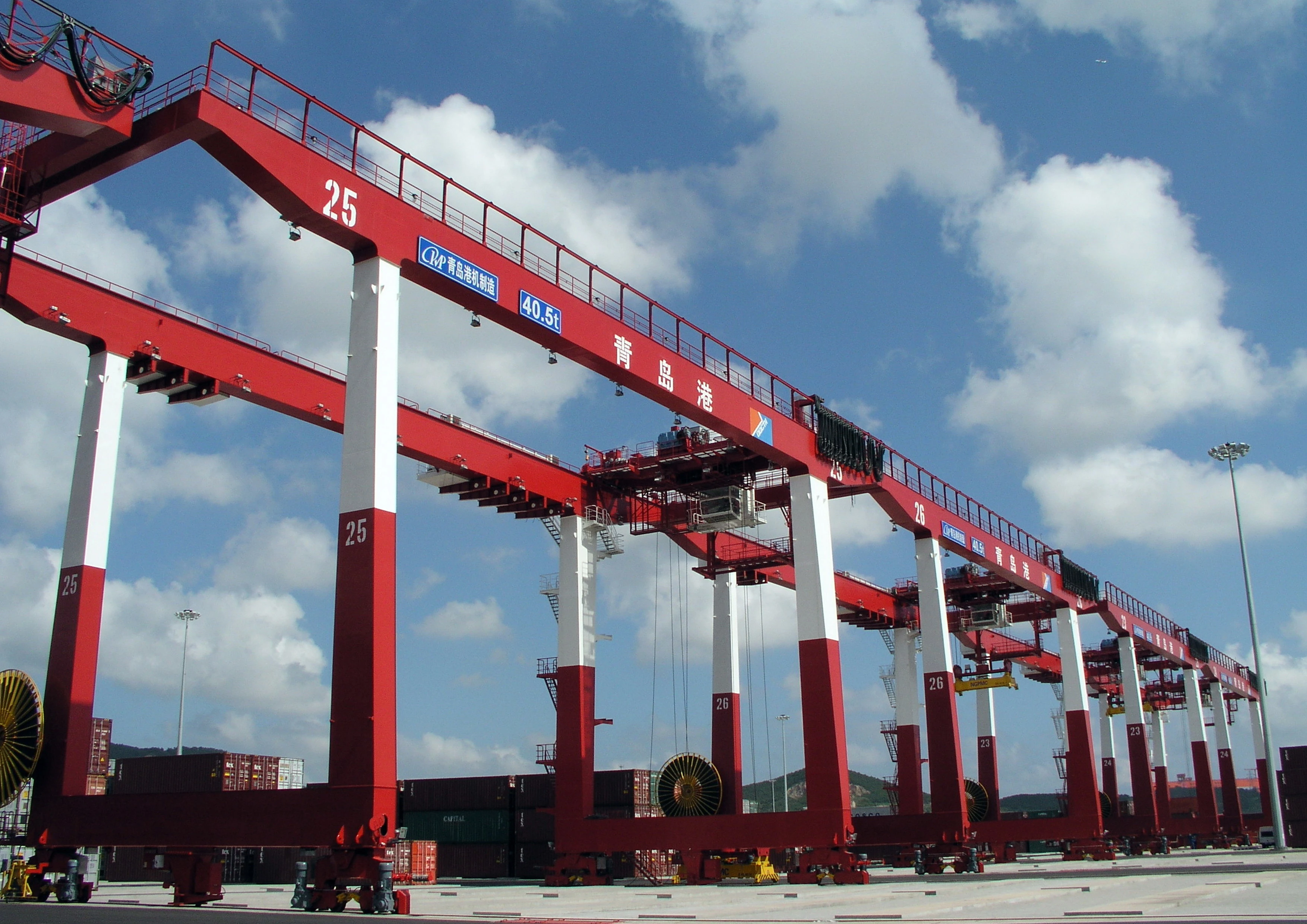
With CEGC's ship loading systems: automation that cuts rework, you achieve real results. Our advanced automation helps you monitor equipment and optimize resource usage, enhancing safety in your operations. CEGC provides solutions featuring anti-sway control, sensors, and predictive maintenance, ensuring that your machines are always in use. This leads to fewer customer service calls and a more efficient port operation. Experience faster and safer workflows with our innovative ship loading systems.
Key Takeaways
-
Automated ship loading systems help cut rework. They do this by lowering load sway and operator mistakes. This makes work safer and more efficient.
-
Sensors in loading systems make things safer. They find obstacles and stop accidents. This helps save money by avoiding big mistakes.
-
Predictive maintenance finds equipment problems early. This lowers downtime and cuts maintenance costs. It helps ports work better.
Automation Reduces Rework in Ship Loading Systems
Common Causes of Rework
Rework happens in ship loading systems because of load sway, collision risk, and operator inconsistency. These issues can slow down work and make it cost more. Manual controls can cause containers to swing or miss their spot. This may lead to accidents or damage. Operators have different skill levels. Some shifts go well, but others do not. Small mistakes in busy ports can cause big delays.
Automated loading systems help fix these problems. They use controls and sensors to keep loads steady and safe. You can trust these systems to move containers with accuracy. They work well even when weather changes or work gets busy. Fewer errors mean less time fixing mistakes and more time moving cargo.
Anti-Sway & Safe Lifting Control
Anti-sway and safe lifting control are important in ship loading systems: automation that cuts rework. These technologies keep loads stable when lifting and moving. The table below shows the benefits:
|
System Type |
Benefit |
Description |
|---|---|---|
|
Active Systems |
Give real-time control to reduce sway during fast moves. |
Automated loading systems with anti-sway features give you:
-
Better safety
-
Faster load times
-
Easier crane operation
-
Less damage to crane parts
Crane operators can move and place loads with accuracy. They can use all motions at once in manual and automatic modes.
Anti-sway and stabilization systems help stop accidents. Containers are less likely to hit people, vehicles, or buildings. This matters most in busy terminals where safety is important.
CEGC’s portal crane, container crane, ship crane, and cargo crane have these features. You can count on their specs for safety and anti-sway. These cranes move containers quickly and safely. This means less rework and better operations.
Sensor Integration in Automated Loading Systems
Sensor integration makes automated loading systems smarter and safer. Proximity sensors look for obstacles and can stop machines if a crash might happen. This lowers accident risk and helps avoid costly mistakes. You get alerts before problems start, so you can act fast.
Smart decision support systems and automation can cut collision and grounding events by up to 25% if used right. Automated loading systems help keep your work running smoothly. Predictive maintenance modules check equipment conditions. They let you fix problems before downtime happens.
Automated loading systems mean fewer errors and more steady results. Robotic automation makes loading more precise and repeatable. Standardizing the process reduces differences and handling issues. This leads to fewer defects like mis-stacks and crushed cases. Operator consistency improves.
Automated loading systems also help with loading and unloading trucks. You can move containers from ship to truck or truck to yard with less risk and more speed. This keeps your port on schedule and cuts the need for rework.
You get better safety and product quality. Precision loading means less shifting and breakage, lowering injury risks. Standard motion means fewer defects and a safer workplace. This is important for shippers with valuable or fragile items.
CEGC’s automated loading systems, including container handling equipment and container gantry cranes, use these technologies for reliable and efficient service. You can customize these systems for your needs, like capacity or anti-corrosion grade. With ship loading systems: automation that cuts rework, you get control, safety, and efficiency in every job.
Automation Types & Cycle-Time Optimization
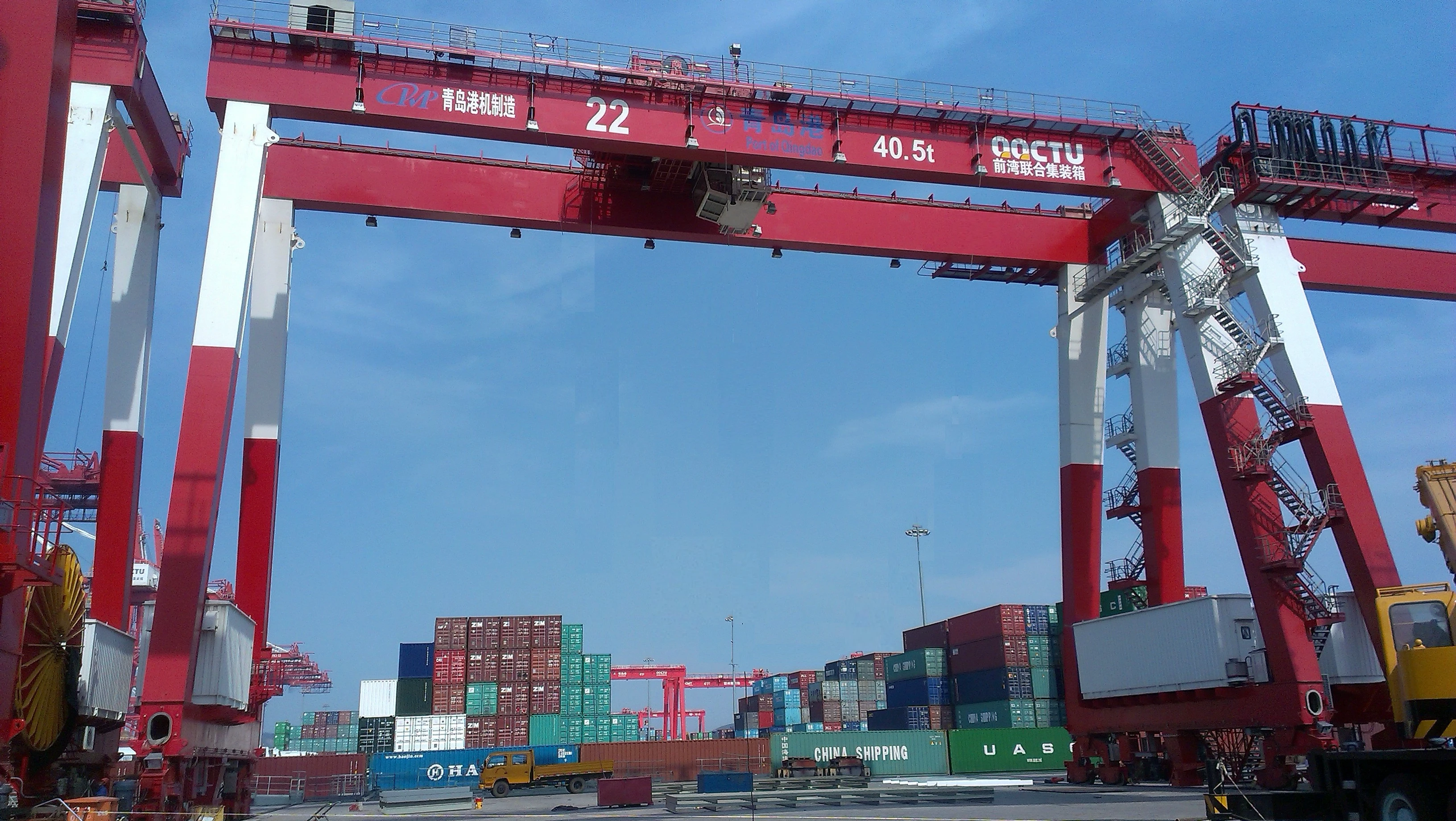
Automated Loading Systems Overview
There are different automation types for ship loading systems. Each type helps with a different problem at the port. Control systems help cranes and loaders move exactly where you want. Sensor integration lets machines spot obstacles and check how heavy things are. Workflow integration links your equipment to scheduling and tracking. Predictive maintenance uses data to keep machines working longer.
Automation makes work faster and safer. You can move containers with fewer mistakes. Your team spends less time fixing errors and more time moving cargo. CEGC has portal cranes, container cranes, and ship cranes with advanced automation. You can pick the system that fits your needs.
You can also change your equipment to fit your job. CEGC lets you choose size, lifting power, and power type. You can add anti-corrosion coatings for tough marine weather. The table below shows ways to change your ship loading systems:
|
Customization Aspect |
Description |
Impact on Efficiency |
|---|---|---|
|
Hook Height |
Changes how high you can lift things. |
Makes lifting more exact for your workspace. |
|
Lifting Mechanisms |
Options include wire rope hoists or electric chain hoists. |
Affects lifting capacity and speed. |
|
Additional Features |
Includes wireless controls, load checks, and safety upgrades. |
Enhances ease of use and safety. |
Loading Dock Automation for Efficiency
Loading dock automation changes how you handle cargo at the port. You get faster, safer, and more reliable operations. Here are some ways loading dock automation helps you:
-
Loading dock automation makes ship loading faster and easier.
-
Automated systems cut down on mistakes, making work safer.
-
Automation lets you keep working to meet delivery times and handle busy days.
You will see big changes in your daily work. Automation can turn hours of loading into minutes. This means you can move more shipments in less time. You do not need to hire more workers to handle more cargo. Your business stays profitable and efficient.
-
Automation cuts loading times, turning hours into minutes.
-
This lets you move more shipments and work faster.
-
Companies can handle more goods without hiring more people.
The table below shows how much you can improve your port’s performance with loading dock automation:
|
Improvement Type |
Percentage Gain |
|---|---|
|
Overall productivity improvement |
|
|
Dwell time reduction |
Up to 30% |
You can also pick special features for your portal crane or container crane. CEGC has options for size, lifting power, and anti-corrosion coatings. These upgrades help your machines last longer and work better in tough port conditions.
Predictive Maintenance & Energy Optimization
Predictive maintenance keeps your ship loading systems working well. You can find problems before they stop your machines. This saves money and keeps your port running on time. Predictive maintenance uses sensors and data to watch for trouble. You get alerts when something needs fixing.
Here are some ways predictive maintenance works for you:
-
Anomaly Detection: Finds strange patterns that could mean a problem.
-
Time-to-Failure Prediction: Tells you how long before something breaks.
-
Classification-Based Maintenance: Sorts equipment by condition so you know what to fix first.
-
Trend Analysis and Degradation Modeling: Tracks wear and predicts when parts will fail.
-
Prescriptive Maintenance: Suggests the best actions to keep your machines running.
-
Digital Twin-Based Maintenance: Uses virtual models to plan repairs and upgrades.
The table below shows how predictive maintenance can help your port:
|
Benefit |
Impact |
|---|---|
|
Forecasting equipment failures |
|
|
Reduction in maintenance costs |
20-30% |
|
Decrease in unplanned downtime |
40-50% |
|
Return on investment |
$7 for every $1 invested |
You can also save energy with smart power choices. CEGC has electric, diesel, and hybrid options for cranes and loaders. You can pick what works best for your port. Good design helps your machines handle heavy loads and hot weather. This keeps your machines working longer and better.
|
Factor |
Description |
|---|---|
|
Ambient Temperature |
Higher temperatures can reduce effective duty cycle capability. |
|
Load Characteristics |
Increased loads generate more heat, affecting duty cycle selection. |
|
Mounting and Heat Dissipation |
Proper design can improve duty cycle capability significantly. |
You can trust CEGC to help you pick the right options for your port. With the right automation, loading dock automation, and predictive maintenance, you get a safer, faster, and more reliable ship loading system.
You can see that ship loading systems: automation that cuts rework helps you work better and save money. Automation makes trailers move in and out faster. It also lowers safety risks. You save money because there is less manual work and less time when machines are not working. CEGC lets you change the system to save even more money. You should use workflow integration and real-time tracking to get the best results.
FAQ
What is anti-sway control in ship loading systems?
Anti-sway control keeps loads steady. It stops them from swinging too much. This makes lifting and moving cargo safer.
How do sensors improve safety in automated cranes?
Sensors look for things in the way. They check how the load is doing. You get a warning before something goes wrong. This helps stop crashes and damage.
Can you customize CEGC ship loading systems for your port?
-
Yes, you can pick the size, span, duty cycle, power type, and anti-corrosion grade.
-
Customizing lets your equipment work just right for your port.


