
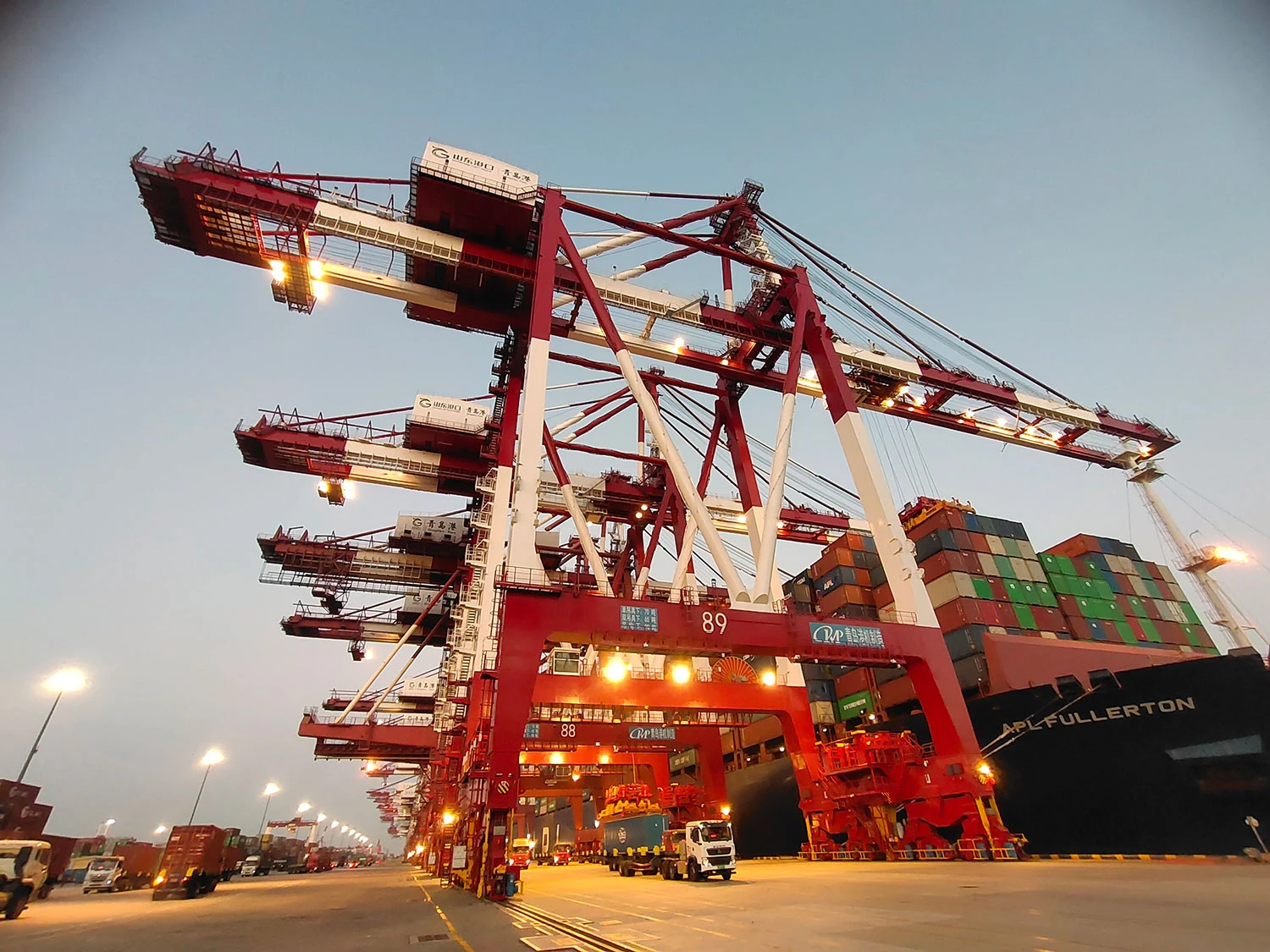
Cargo crane throughput: measure what matters. Ports operate more efficiently when cranes can move up to 40 containers each hour. This capability allows ships to depart more quickly and optimizes berth usage. However, challenges often arise due to machine errors or operator mistakes. The table below outlines these issues. CEGC provides ports with innovative lifting equipment designed to address these challenges.
|
Type of Error |
Description |
|---|---|
|
Mechanical Errors |
Cranes can experience issues such as weakened metal, worn-out parts, and rust. These factors can lead to crane failures. |
|
Operator Errors |
Mistakes occur when setups are incorrect, cranes are overloaded, or communication breaks down. These errors increase the likelihood of accidents. |
Key Takeaways
-
Try to reach 30 crane moves each hour. This matches the best ports and helps the terminal work better.
-
Use safety tools and check cranes often. This lowers mistakes and makes cranes work well.
-
Use real-time monitoring systems to watch crane throughput. This helps you make smart choices for operations.
Cargo crane throughput: measure what matters for terminal productivity
Defining cargo crane throughput
It is important to know about cargo crane throughput: measure what matters if you want your terminal to work better. This means how many containers or tons a crane can move in a certain time, usually counted as cycles per hour. If the cycles per hour go up, your terminal works faster. Many things can change this rate:
-
Vessel characteristics include ship size and how often ships come.
-
Equipment capabilities mean how fast cranes move and how they handle cargo.
-
Operational parameters are things like working hours and when you do maintenance.
-
Physical constraints are limits like berth length and yard space.
Cargo crane throughput: measure what matters is closely tied to how well your port works. When you check this number, you can see how your cranes are doing and where you can get better. New container handling equipment, such as portal cranes and container gantry cranes, can do 25–40 moves each hour. This helps you keep up with other ports around the world and stay in the competition.
|
Benchmark Source |
Moves per Hour |
Notes |
|---|---|---|
|
Global Analysis |
30+ |
Top ports exceed this on vessels > 8,000 TEU |
|
Port of Melbourne |
31 |
Benchmark for efficient operations under optimal conditions |
|
UNCTAD Data |
<20 to 30+ |
Historical improvement in crane rates over decades |
|
South African Terminals |
Varies |
Highlights improvement opportunities against global standards |
You should try to get more than 30 cycles per hour to be as good as the best ports. If your number is less than 25, you can still improve.
Why throughput drives terminal productivity
Cargo crane throughput: measure what matters because it helps your terminal work better. When you move cargo faster, ships do not have to wait as long. This means ships spend less time at the dock and more time moving goods. You also have less crowding in your port, so you can handle more ships and make more money.
|
Evidence Description |
Impact on Productivity and Profitability |
|---|---|
|
Makes better use of space and cuts down on extra moves, so things go faster |
|
|
Reduced vessel idle time |
Lets you fit in more ships and use your port better |
|
Faster gate operations |
Trucks wait less, so service gets better |
|
Improved equipment use |
Equipment lasts longer and costs less to fix, so things run smoothly |
Crane moves per hour show how well your terminal moves cargo. If you raise this number, ships leave faster and your work gets easier. New container cranes can pick up more than one container at a time, so you get faster cycles and less crowding. You want your port to reach 31 moves per hour, like the Port of Melbourne, to keep up with the best ports.
-
Container cranes help you move cargo faster, so ships do not wait as long.
-
You can move more containers in less time, so your terminal works better.
-
Higher throughput means you can help more ships and keep your port running well.
Key pain points in cargo handling
You will face some problems when you try to improve cargo crane throughput: measure what matters. These problems can slow you down and make your work harder:
-
Load sway makes it tough to put containers in the right spot. This can cause crashes and slow things down.
-
Cycle time variation causes delays. If cranes do not move at the same speed, you lose time.
-
Downtime from machine problems or repairs stops your work. This makes ships wait and costs go up.
-
Safety risks, like falling loads, electric shocks, and crane overload, can hurt people and machines.
Load Moment Indicators (LMI) watch important numbers all the time. They warn you if there is too much weight and help stop accidents.
To fix these problems, you need technical solutions:
-
Use safety tools like anti-collision and visibility systems to keep operators safe.
-
Check your cranes often to find problems early.
-
Teach your operators how to use cranes safely and well.
-
Watch load limits to stop overloads and machine failures.
When you focus on cargo crane throughput: measure what matters, you can spot these problems and use fixes that make your terminal better. You keep your work safe, fast, and ready to grow.
Boosting productivity: technical solutions and CEGC advantages
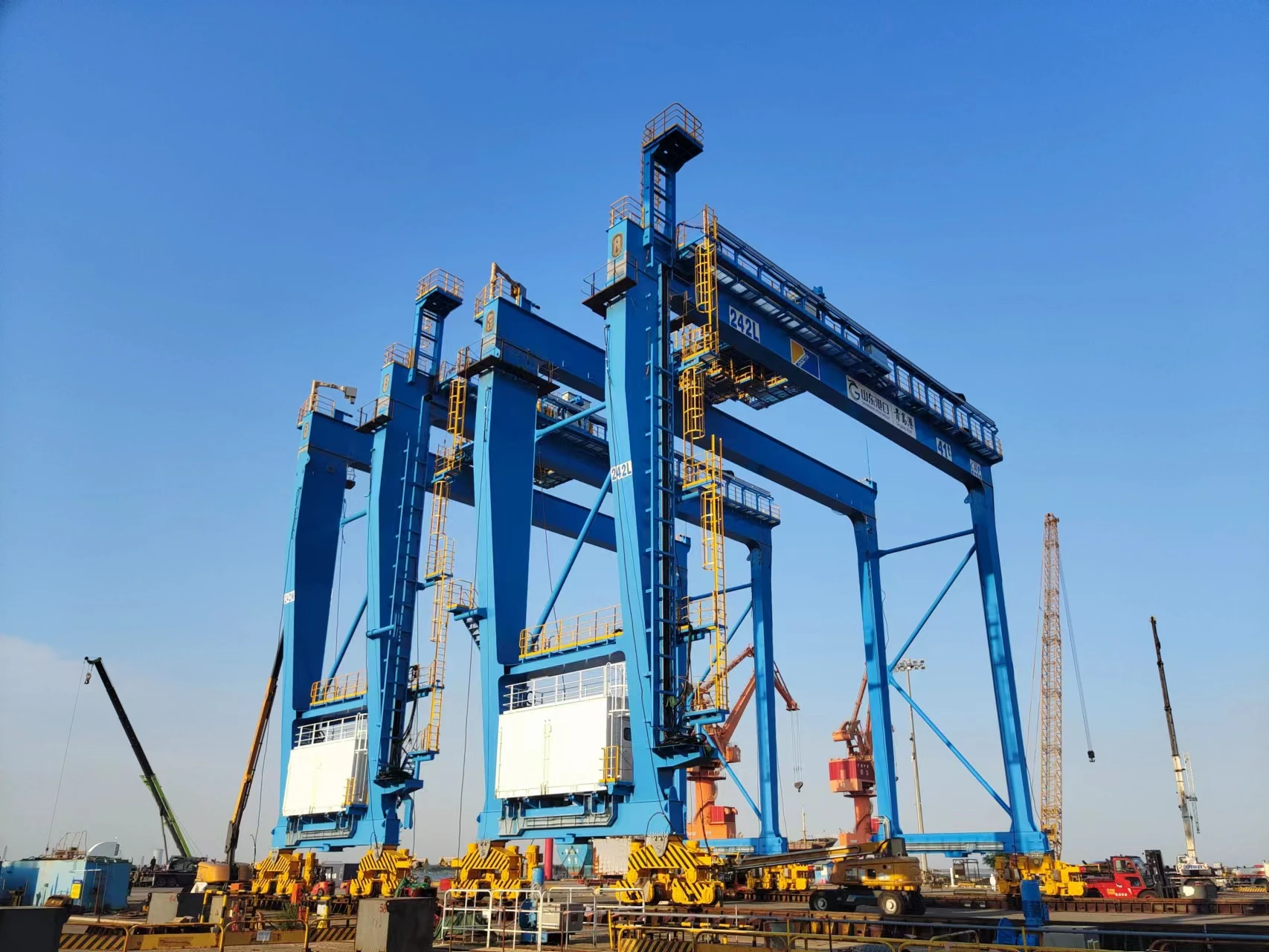
Measuring and optimizing crane throughput
You can check crane throughput by counting how many containers or tons your crane moves each hour. This lets you see how well your terminal works and where you can do better. Real-time monitoring systems give you fast updates about crane work. Sensors, cameras, and terminal operating systems gather data for important numbers. You can use these tools to make choices and set goals for your team.
|
KPI Name |
Description |
|---|---|
|
Gross moves per hour (GMPH) |
Total moves divided by all the time from the first move to the last move, including all delays. |
|
Net moves per hour (NMPH) |
Total moves divided by crane working time, not counting big stops like meal breaks or shift changes. |
|
Productive moves per hour (PMPH) |
Total moves divided by the time when the crane is actually moving containers, not counting any delays, restows, or waiting. |
You should try for about 30 moves each hour for every crane, which is what the best ports do. High throughput means equipment, workers, and systems work well together. Container throughput is a very important number for how well your terminal works. Smart ports use digital systems to make things safer and run smoother. AI-powered terminal operating systems help you watch crane performance and stop problems before they happen.
Tip: Real-time updates and anti-sway technology help you control load sway and keep your crane steady. This makes your team safer and helps you get more done.
Technical solutions for stable, high throughput
You can make cranes work better by using advanced technical solutions. Anti-sway systems cut down on load sway, so cranes move faster and stay under control. Operators do not have to spend as much time making loads steady because automatic sway correction works in the background. Putting containers in the right spot keeps your terminal neat and working well.
|
Evidence Description |
Impact on Throughput |
|---|---|
|
Anti-sway systems cut down on load sway, so cranes work faster and are easier to control. |
Makes cranes work better in busy ports. |
|
Operators spend less time making loads steady because of automatic sway correction. |
Containers get moved faster. |
|
Putting containers in the right spot is easier, so there are fewer problems. |
The terminal stays organized and works better. |
|
Smoother crane movements use less power. |
This saves energy and lets you work longer. |
Motion coordination systems help your crane move the best way. These systems help you match speed and acceleration to the load and wind. You get steady throughput and less waiting time. Predictive maintenance uses IoT sensors to check crane health. This can stop surprise breakdowns by up to 40%, so your crane works more and is ready when you need it.
Anti-corrosion technology keeps your crane safe from salt, wet air, and dust. Stronger materials and coatings mean you fix your crane less and it lasts longer. You spend less time fixing and more time moving cargo. Smart technology helps you work exactly and respond faster, so you get more done.
Note: Spending money on crane technology, operator training, and yard planning helps you do your best. The Port of Savannah made its berth bigger by 25% after getting new ship-to-shore cranes.
CEGC product features and customization
CEGC has many types of port machines to help you work better. You can pick from container cranes, portal cranes, ship cranes, reach stackers, and container handling equipment. These products meet market standards and can be changed for your project.
|
Product Category |
Description |
|---|---|
|
Port Machinery |
Includes Port Cranes, Container Handling Systems, and Bulk Cargo Equipment. |
|
Breakbulk Handling Systems |
Special systems for breakbulk cargo. |
|
Container Handling Systems |
Systems for moving containers easily. |
|
Dry Bulk Handling Systems |
Equipment for dry bulk materials. |
|
Grain Silo Loading and Unloading System |
Systems for loading and unloading grain silos. |
|
Liquefied Oil Handling Systems |
Equipment for moving liquefied oil products. |
|
Shipbuilding and Repairing |
Services for building and fixing ships. |
|
Smart Logistics Park |
Advanced logistics for port work. |
|
Other Products and Services |
More things for port operations. |
You can change your crane for how much it lifts, how wide it is, how tall it is, how often it works, what power it uses, how much automation it has, and how well it fights rust. CEGC uses materials that do not rust easily to make equipment last longer. Advanced hydraulic systems help cranes work better. Predictive maintenance features lower costs and help you get more done.
|
Evidence Type |
Description |
|---|---|
|
Dwell Time Reduction |
Better loading and unloading means containers stay less time, up to 20% less. |
|
Container Movement |
Good rail links fill more than ten round-trip trains each day. |
You get safety features like many interlocks, overload protection, and emergency stop logic. Operator-friendly controls make training simple and help people do a good job. CEGC cranes help you go fast and do your best, so your terminal stays strong in the competition.
Smart ports use digital tools and automation to make cranes faster and more productive. Real-time decisions help you plan work and react quickly to changes.
You make your terminal work better when you check and improve cargo crane throughput. CEGC gives you new machines and safety tools that help you meet market rules. Keep watching how your cranes do and use smart ideas like machines that work by themselves and easy-to-use designs. Make clear goals and watch important numbers to make things safer and faster.
FAQ
What is the best way to measure crane productivity at ports?
You can count how many cycles a crane does each hour. Then, you compare this number to what other ports do. This shows if your equipment helps your port work well when it is busy.
How do anti-sway systems improve crane safety and productivity?
Anti-sway systems help you keep loads steady. You can move containers faster and with less risk. This means you get more work done and have fewer accidents.
Can you customize a crane for different port needs?
Yes, you can pick things like how much the crane lifts, how automatic it is, and how well it fights rust. This helps your crane fit what your port needs and makes work better.


