
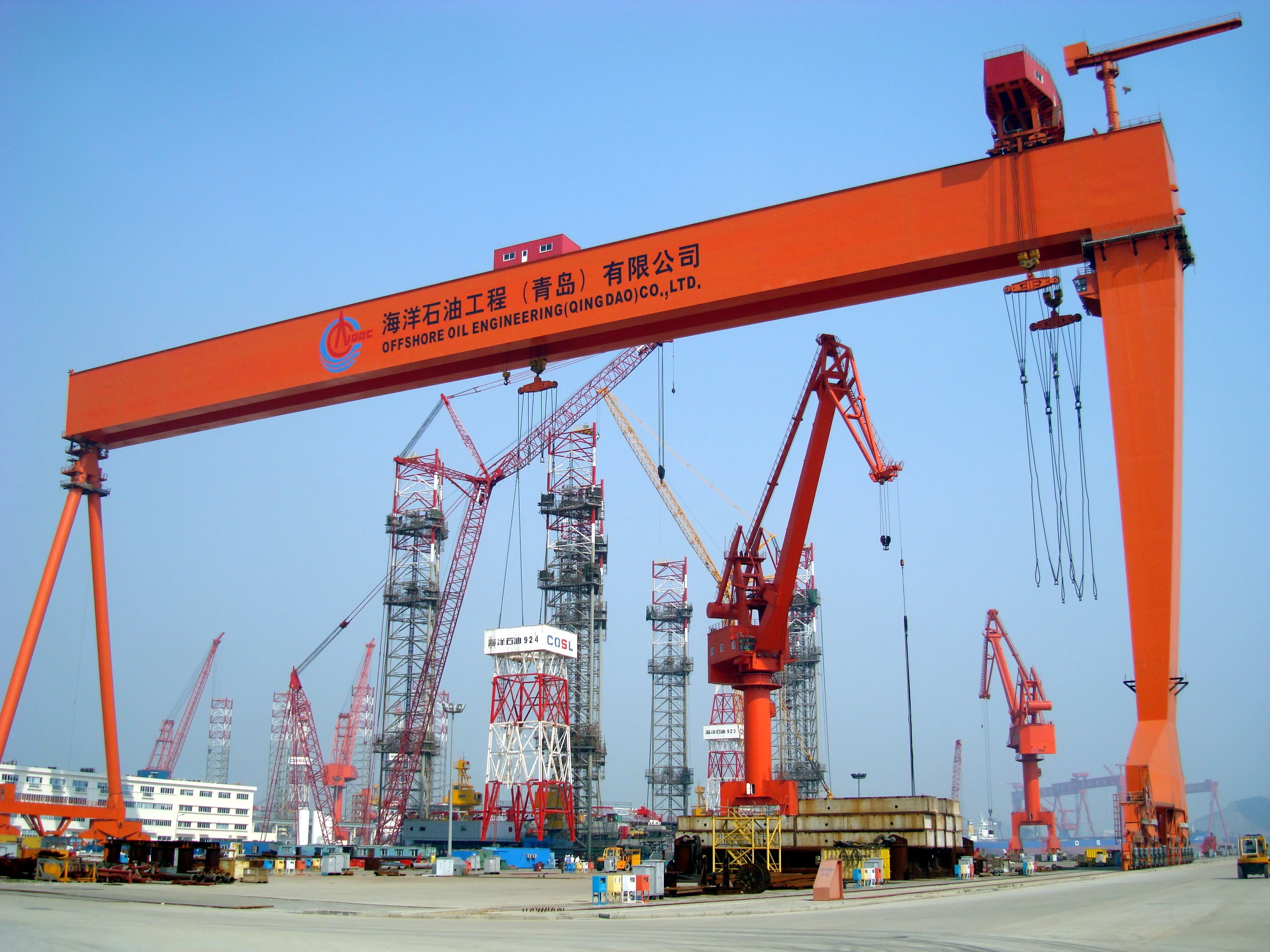
You save more money with port crane remote monitoring vs onsite checks, especially when using CEGC solutions. Recent data demonstrates that remote operation of Rubber Tyred Gantry Cranes not only enhances safety but also reduces labor requirements. For port operators, the primary costs are related to downtime, safety, and maintenance. CEGC provides market-standard features for port crane remote monitoring vs onsite checks cost, and can customize these features to fit your specific project needs.
Key Takeaways
-
Remote monitoring helps save money. It lowers labor costs. It stops sudden breakdowns. It finds problems early. This means repairs can happen sooner.
-
Remote monitoring gives real-time data. It makes things safer. It sends quick alerts about dangers. This helps stop accidents.
-
Remote monitoring allows predictive maintenance. This reduces downtime. It makes cranes last longer. It helps cranes work better.
What Is Port Crane Remote Monitoring?
Real-Time Monitoring Explained
Port crane remote monitoring lets you check crane safety monitoring system performance and how it works from anywhere. Real-time monitoring uses different sensors to collect data. These sensors watch crane movements, load conditions, and the environment. The crane safety monitoring system sends this data to a safe platform with industrial ethernet. You see a digital twin model that shows the crane’s state right now. Control algorithms test and improve performance using this digital twin. The crane safety monitoring system gives early warnings to operators, making the crane safety monitoring system more reliable.
Remote diagnostics help because the crane safety monitoring system sends data all the time. Exception-based interventions let you fix problems before they get worse. The cloud platform looks at data with big data and machine learning. When something strange happens, the crane safety monitoring system makes automatic work orders for maintenance teams. Remote diagnostics make repairs faster and lower costs. You use real-time monitoring features like TRUCONNECT, which shows crane safety monitoring system condition and usage. You see important load data and safety alerts right away, helping you make better choices. Remote diagnostics let approved people check crane safety monitoring system operations from anywhere.
Key Features for CEGC Equipment
|
Feature |
Description |
|---|---|
|
Anti-sway systems and strong materials stop accidents in crane safety monitoring system operations. |
|
|
Automation |
Automation cuts delays and makes crane safety monitoring system tasks more efficient. |
|
Predictive Maintenance |
Predictive maintenance finds problems early, helps remote diagnostics, and reduces downtime. |
|
Energy Efficiency |
Using less energy saves money and helps the environment in crane safety monitoring system management. |
You get advanced remote diagnostics, real-time monitoring, and crane safety monitoring system integration with CEGC container crane, portal crane, and ship crane solutions. These features make data collection better, improve safety, and make maintenance easier for your port machinery.
Onsite Checks for Port Cranes
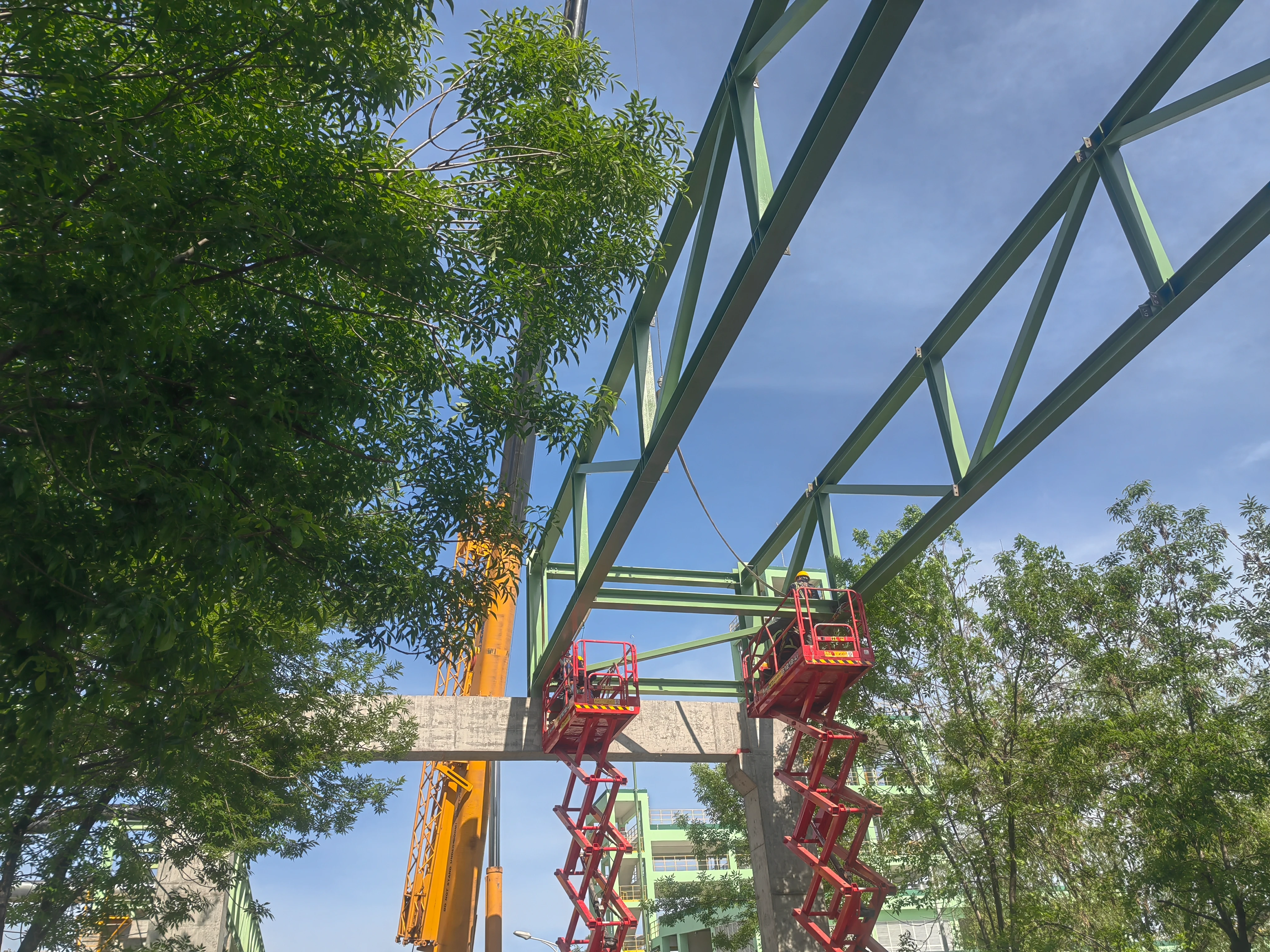
Traditional Inspection Methods
When you check cranes onsite, you follow clear steps. These steps help keep cranes safe and working well:
-
You do proof load tests with the boom in the weakest direction.
-
You look at each crane during tests for problems or broken parts.
-
You check air and hydraulic systems for leaks or damage.
-
You look at gear parts like wire ropes and hooks for issues.
-
You make sure rope reeving matches what the manufacturer says.
-
You check the crane’s structure and the boom for damage.
-
You fix loose connections and change worn parts.
-
You check brakes and clutches for wear.
-
You make sure load and boom angle indicators are correct.
-
You check that operators can see the rating chart.
-
You inspect clamshell buckets or similar equipment.
-
You look at the joints of removable boom sections for defects.
-
You check that counterweights match what the manufacturer wants.
These steps help cranes stay safe and work well.
Limitations and Risks
|
Limitation/Risk |
Description |
|---|---|
|
You cannot check inside cranes, so some problems stay hidden. |
|
|
Reliance on manufacturer documentation |
You trust cranes were made right, but mistakes can happen. |
|
Potential for unforeseen structural failures |
Load tests may miss hidden weak spots, so surprises can happen. |
Old inspection methods only give you information sometimes. You do not get updates all the time. Remote monitoring uses sensors and IoT to give you data nonstop. This makes checks more accurate and reliable. You can find problems early and keep cranes safe and working.
Port Crane Remote Monitoring vs Onsite Checks Cost
Initial Investment and Setup
When you look at port crane remote monitoring vs onsite checks cost, you see different starting costs. Remote monitoring needs you to put sensors and data modules on your cranes. You also need a safe place to store the data. You must connect your container crane, portal crane, or ship crane to a main system. This setup helps you get real-time data and watch your cranes’ condition.
Onsite checks use less technology at first. You depend on people to check cranes and use simple tools. You pay for trained workers and safety gear. The first cost for onsite checks is lower, but you do not get as much data or early warnings. Remote monitoring keeps a digital record of how each crane works. You can look at this data to find patterns and plan upgrades.
|
Investment Type |
Remote Monitoring |
Onsite Checks |
|---|---|---|
|
Hardware |
Sensors, data modules, servers |
Inspection tools, safety gear |
|
Software |
Monitoring platform, analytics |
None or basic record-keeping |
|
Labor |
Setup and training |
Inspector training |
|
Data Infrastructure |
Secure network, cloud storage |
Paper or local files |
Think about the long-term gains from remote monitoring. The higher starting cost helps you control your cranes better and lower risks.
Ongoing Maintenance and Labor
If you use port crane remote monitoring vs onsite checks cost to compare, you notice big changes in ongoing costs. Remote monitoring lets you watch your cranes every day. You do not have to send teams out as much. The system tells you when something is wrong, so you can fix it fast.
Manual onsite checks need regular visits. You pay for workers, travel, and lost time. Inspectors might miss hidden problems because they cannot see inside every part. You also pay more if you must stop work for checks.
Remote monitoring uses data to plan maintenance only when needed. This is called condition-based maintenance. You save money because you do not change parts too soon or too late. Your team spends less time on simple checks and more time fixing real problems.
Tip: Try remote monitoring to cut labor costs and make things safer. You can use your team where they are needed most.
Cost Savings with Predictive Maintenance
You save the most money when you use predictive maintenance with remote monitoring. The system gathers data from your cranes and uses it to find early warning signs. You can fix small problems before they turn into big ones.
Here are some ways predictive maintenance helps you:
-
You stop more than 20 percent of surprise equipment failures.
-
You keep your equipment working better, with less than 1 percent tracking error.
-
You spend less on maintenance by sharing work across terminals.
Predictive monitoring helps you avoid costly downtime. Your cranes work longer and safer. You also use data to plan your budget and avoid surprises. Predictive tools help you see how your cranes are doing. You can change your maintenance plan using real data, not just guesses.
When you compare port crane remote monitoring vs onsite checks cost, you see that predictive and condition-based maintenance give you a big advantage. You spend less on emergency repairs and get more from your equipment. The data you collect helps you make smarter choices for your port.
Real-Time Monitoring and Operational Efficiency
Reducing Downtime and Load Sway
Real-time monitoring helps your port work better. You get instant data about how cranes are working. You also see how loads move and what the weather is like. Dashboards show important numbers, like how long cranes work and how many trucks they move. This information helps you plan repairs and jobs faster.
-
Real-time monitoring gives you quick facts about crane performance.
-
Predictive maintenance uses data to find problems before they stop work.
-
Automation makes crane moves faster and more exact, so timing stays steady.
-
Anti-sway systems can keep load sway between 5 and 15mm from the target.
-
If load sway is not controlled, crane cycles can slow by 20%. This also makes fixing cranes cost more.
When you use predictive maintenance, cranes are ready to use 20% to 30% more often. You also have 25% less downtime that you did not expect. IoT sensors send real-time data, so you can act fast. This keeps cranes working smoothly and stops drift.
Improving Safety and Collision Prevention
Real-time monitoring makes cranes safer for everyone. You see warning lights and hear alarms to help operators stay safe. The system checks wind speed, sway, and boom angle. This helps you avoid unsafe lifts.
-
Monitoring finds strange stresses or mistakes, so you can fix them early.
-
Dashboards show live data to help stop accidents and crashes.
-
You can use this data to teach operators and make safety rules better.
With real-time monitoring, you have less downtime, better work, and safer cranes.
Factors Impacting Cost Savings
Scale, Customization, and Technology Choices
Think about how big your port is and how many cranes you have. If your terminal is large, remote monitoring helps more. You can watch many machines from one place. Small ports can save money too, but bigger ports save even more.
Customization is important. CEGC lets you pick what you need for portal cranes, container cranes, and ship cranes. You can add things like anti-sway control or special safety features. You can also choose marine-grade protection. These choices help you spend money only on what you use. You do not waste money on things you do not need.
The technology you pick matters a lot. If you use new sensors and smart software, you get better data. You also get alerts that help you fix problems before they get worse. This helps you plan repairs and stop downtime. You can link your remote monitoring system to other port tools. This makes your work easier and faster.
Tip: Look at what your port really needs before you pick a monitoring system. The best mix of size, customization, and technology will help you save the most money.
Energy Efficiency and Lifecycle Costs
Energy efficiency and lifecycle costs change how much you spend over time. If you use energy-saving systems, your power bills go down. You also make less pollution. New cranes with smart controls and good drives use less energy every day.
You should also think about lifecycle costs. These are things like repairs, maintenance, and daily use. New CEGC models need less maintenance. Good parts mean fewer breakdowns and less time when cranes cannot work.
Here is a simple table that shows how these things change your costs:
|
Aspect |
Impact on Total Cost of Ownership |
|---|---|
|
Energy Efficiency |
Lowers energy bills and pollution, so you save money. |
|
Lifecycle Costs |
Covers repairs and daily costs, which change your total. |
|
Maintenance Frequency |
New models need less fixing, so you pay less. |
|
Component Reliability |
Better parts mean fewer repairs and less downtime. |
|
Predictive Maintenance |
Smart systems warn you early, so you avoid big problems. |
When you buy energy-saving and strong equipment, you spend less over time. Your port runs better and is easier to manage.
Case Studies: Real-World Cost Outcomes
CEGC Solutions in Action
Ports use CEGC remote monitoring for container cranes, portal cranes, and ship cranes. Operators see big changes in cost and reliability. When you switch to remote monitoring, you get these benefits:
-
You cut unplanned downtime by 30%. Cranes are ready for loading and unloading.
-
You lower maintenance costs by 25%. You spend less on emergency repairs and overtime.
-
You boost efficiency by 15%. Teams move containers faster and keep schedules tight.
-
You get over 150% return on investment in the first year. Ports save money and grow profits.
-
You stop unexpected failures. Cranes last longer and work smoothly.
-
You make equipment last longer. You get more years from your cranes.
-
You fix issues early. You control your budget and use resources better.
CEGC solutions help you check crane health, plan maintenance, and avoid costly interruptions. You feel sure about your operations and see real savings.
Lessons from Leading Ports
Top ports show important lessons about crane monitoring and onsite checks. You can learn from their experience:
-
Predictive maintenance helps you schedule repairs before downtime happens.
-
Real-time alerts make things safer and reduce incidents for operators.
-
Watching energy use helps you save money and run cranes well.
-
Using data helps you use cranes and equipment better.
You can use these lessons at your port. You make things safer, save money, and keep cranes working longer. CEGC remote monitoring gives you tools to follow best practices and get strong results.
Choosing the Right Approach for Your Port
Decision Criteria for B2B Operators
You have to think about a few things when picking how to watch your port cranes. First, look at how big your port is and how many cranes you use. If your port is large, remote monitoring helps because you can watch many cranes from one place. Small ports might like onsite checks if they do not have many cranes.
Next, think about what you want to achieve. If you want less downtime and better safety, remote monitoring gives you live data and helps you fix things before they break. Onsite checks are good if you want to see cranes up close or do not have much technology.
Here is a simple table to help you choose:
|
Criteria |
Remote Monitoring |
Onsite Checks |
|---|---|---|
|
Scale |
Best for large fleets |
Suits small operations |
|
Data Needs |
Real-time, continuous |
Periodic, manual |
|
Labor |
Fewer onsite staff |
More inspectors required |
|
Safety |
Automated alerts |
Visual/manual checks |
|
Customization |
High with CEGC solutions |
Limited |
Tip: Think about your biggest problems and see which method helps most.
When to Combine Both Methods
Sometimes, using both remote monitoring and onsite checks works best. This way, you can handle all kinds of problems and keep things running well.
Use both if you have:
-
Containers that are not lined up right
-
Things in the way
-
Power or signal problems
Remote monitoring gives you quick warnings and information. Onsite checks let you look at cranes in person and make sure everything is right. By using both, your port stays safe, works well, and is ready for anything.
Remote monitoring helps you save the most money. It also makes port crane operations work better. Real-time monitoring lets you see how cranes are doing right away. Predictive maintenance helps you fix problems before they get big. Customization lets you use tools that fit your needs. These things help you stop downtime and make cranes last longer. If you want to upgrade, you should:
-
Use digital booking systems.
-
Match technology to your goals.
FAQ
What is the main cost benefit of remote monitoring for port cranes?
You spend less money on workers and stop surprise breakdowns. Remote monitoring helps you find problems early. You can plan repairs before they get too expensive.
How does CEGC remote monitoring improve crane safety?
You get alerts right away about load sway, wind, or crash dangers. These warnings help stop accidents and keep everyone safe.
Can you combine remote monitoring with onsite checks?
Yes, you can use both ways together. Remote monitoring helps you watch cranes every day. Onsite checks let you look closely at parts. Using both gives you the best safety and coverage.


